Integrating the most effective obesity treatments into cancer survivorship offers "an unprecedented opportunity" to improve long-term outcomes in cancer, including survival, a trio of specialists argued in a viewpoint article.
https://t.co/0RF1Ow1A2G
Congratulations to Ryan Howard, MD, MS, and Hope Jackson, MD, who are officially American Board of Obesity Medicine (ABOM) diplomates!
As ABOM diplomates, they're recognized for their specialized knowledge in the practice of obesity medicine.
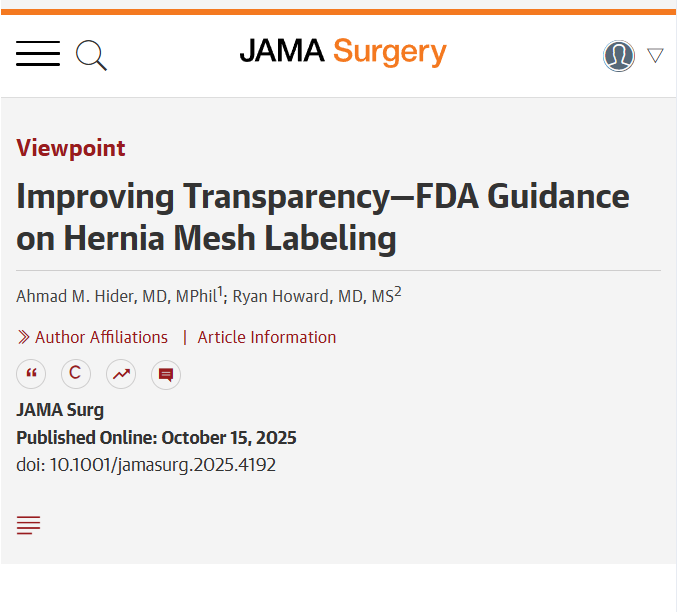
Viewpoint: The FDA's new hernia mesh labeling guidance aims to improve transparency, but its voluntary nature and lack of device tracking limit its impact.
https://t.co/ColsK1vx2d
The Division of Minimally Invasive Surgery has a new chief: Annie Ehlers, MD, MPH!
Join us in giving Dr. Ehlers a huge congratulations – we’re excited to see how she builds on the great work of her predecessor, Nabeel Obeid, MD.
Thrilled to share that Hope Jackson, MD, will be the new Bariatric Surgery Program Director within the Division of Minimally Invasive Surgery! Congratulations – we can’t wait to see the great things she does in this new role.
Reforms to the Medicare Advantage Quality Bonus Program could save the federal government $2.6 billion to $14.1 billion in 2026.
https://t.co/vOP3XmfVwu
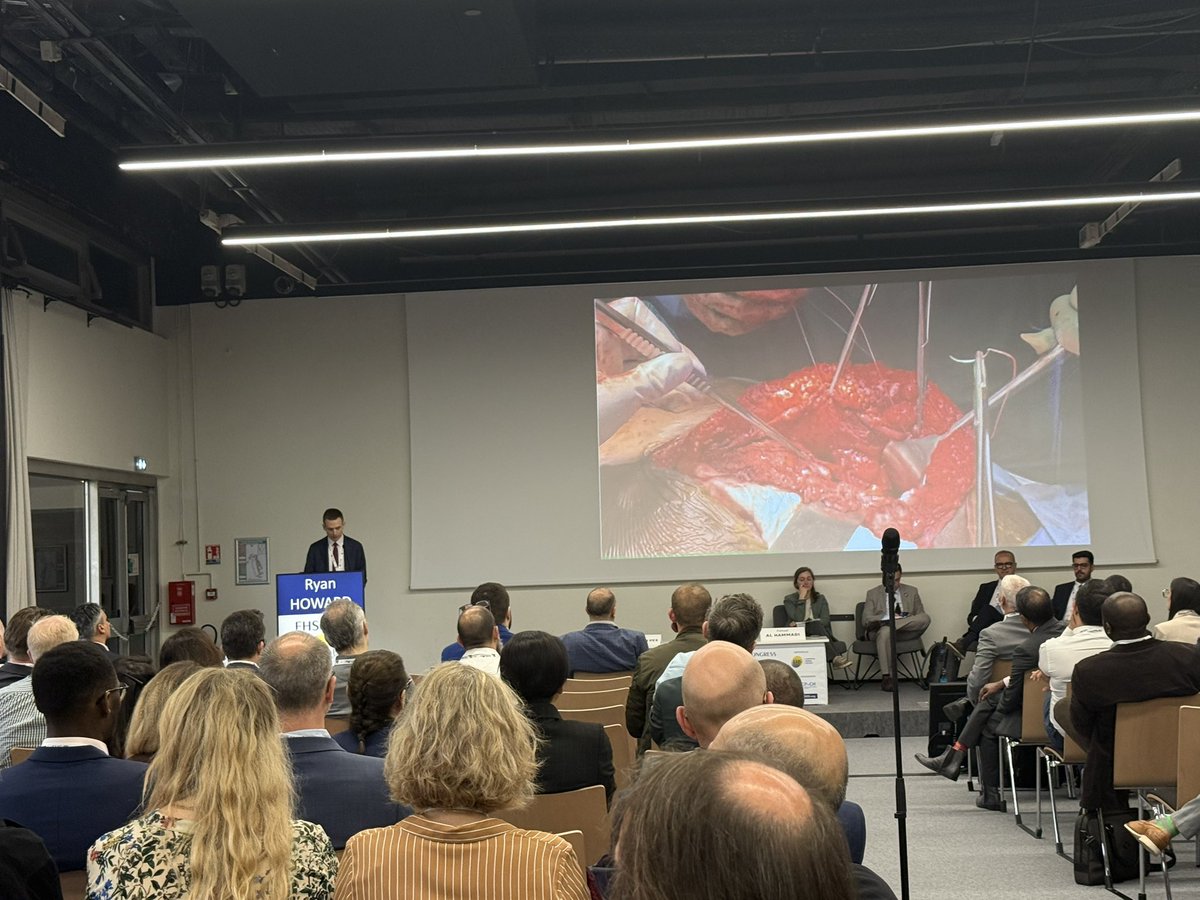
As the population is aging, hernias are becoming more common. Age-related factors can make these hernias harder to treat according to recent U-M Health research from @rhowMD. Read the latest from @WSJ for more. https://t.co/ArnzfmklgR
Ryan Howard & Justin B Dimick comment on:
Comparative effectiveness research in bariatric surgery and the need for complementary study designs https://t.co/87T0265C6f
#BariatricSurgery#obesity#FREE to read with registration (also FREE)
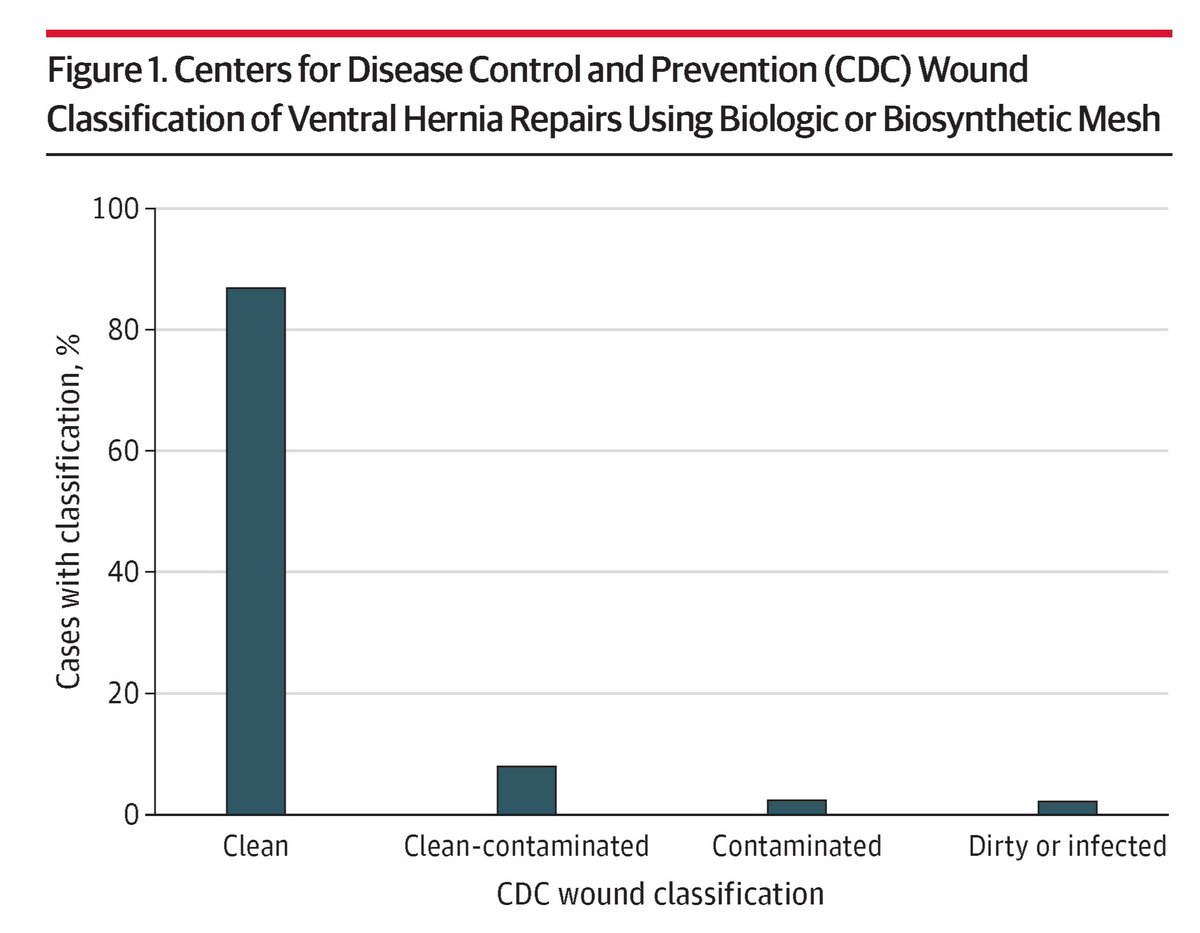
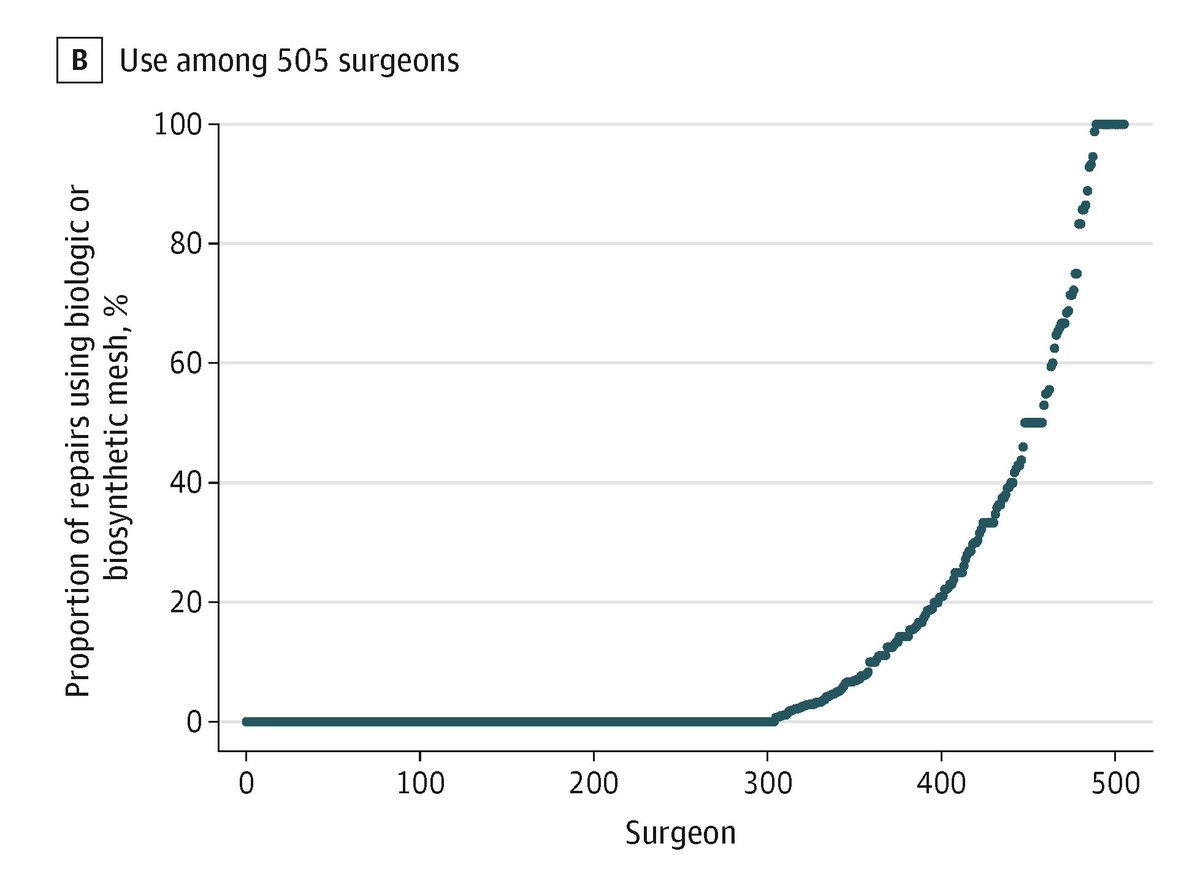
Nearly 9 in 10 cases using biologic and biosynthetic mesh in ventral hernia repair were elective repairs with clean wound classifications. https://t.co/eaYf4zHKj2
1/ After many years of editing, I'm thrilled to release the 5th edition of the Visual Abstract Primer!
Notably, its a lot short (11 pages, down from 56!) Full download here: https://t.co/GaDTPzhdw7
Summary below... #VisualAbstract
In a research letter in today's JAMA, @Cody_Mullens et al show that the percentage of rural patients traveling more than 60 min for surgical care increased between 2010 and 2020 for both low- and high-risk operations: https://t.co/sYlELolYLB
With routine care, half of patients with compensated MASH cirrhosis & obesity develop major adverse outcomes (MALO—such as liver failure, cancer, transplant, death) in 15 yrs.
Bariatric surgery favorably alters this trajectory, reducing that risk by 72%.
https://t.co/1vUWwCMH71
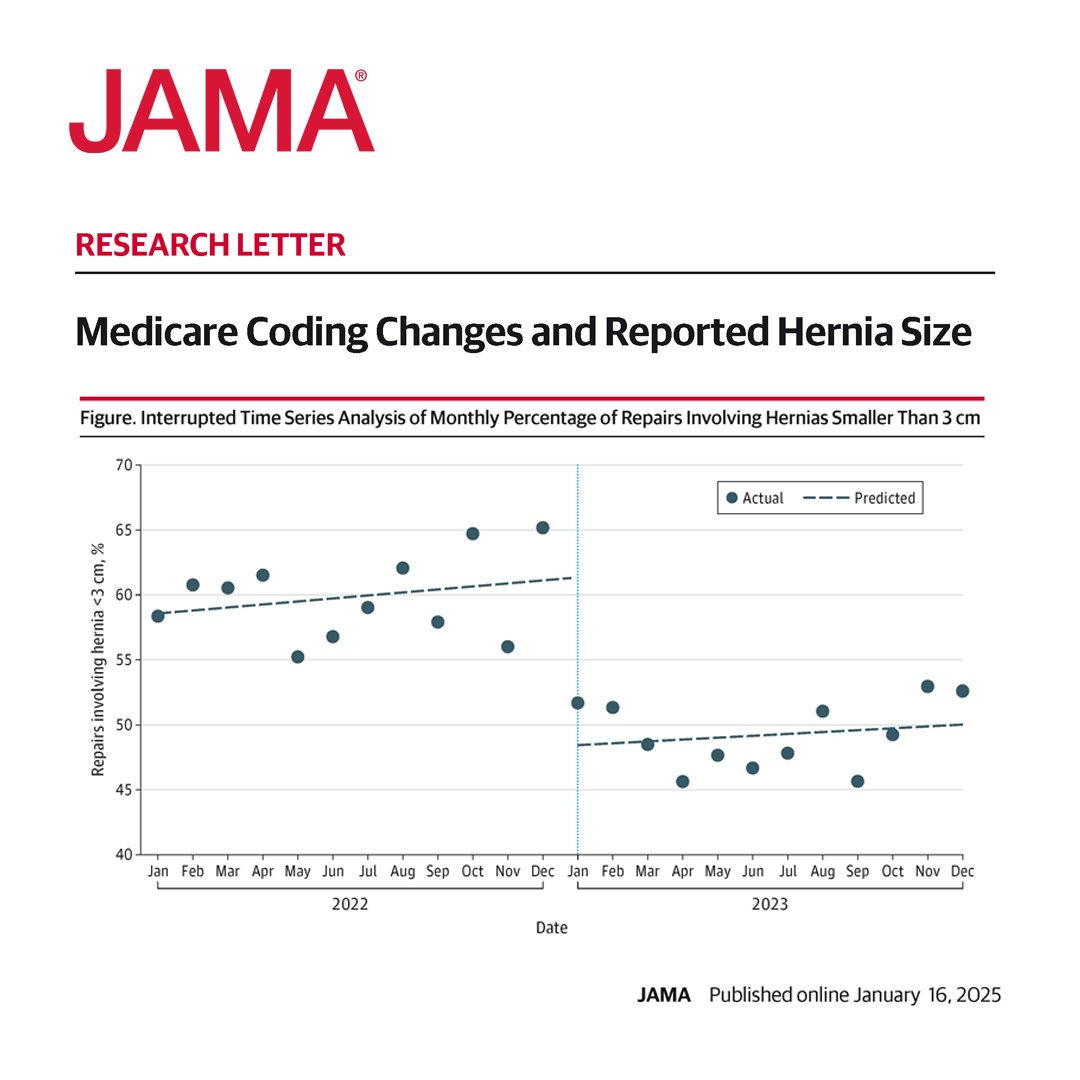
Centers for Medicare & Medicaid Services (@CMSGov) coding changes linking abdominal wall hernia size to reimbursement were associated with an increase in documented hernia size by surgeons.
https://t.co/VNNR4GMfsU
Authors Ryan Howard and Dana Telem discuss "Use of Biologic and Biosynthetic Mesh for Ventral Hernia Repair in Current Practice" with JAMA Surgery Web Editor Amalia Cochran. https://t.co/aglrTfy6wD
Nearly 9 in 10 cases using biologic and biosynthetic mesh in ventral hernia repair were elective repairs with clean wound classifications. https://t.co/kiI1atRjrd
The results are in: We’re ranked as the top surgery residency program in the nation by Doximity!
More on our top-ranked programs here: https://t.co/Ge3Lwevewa