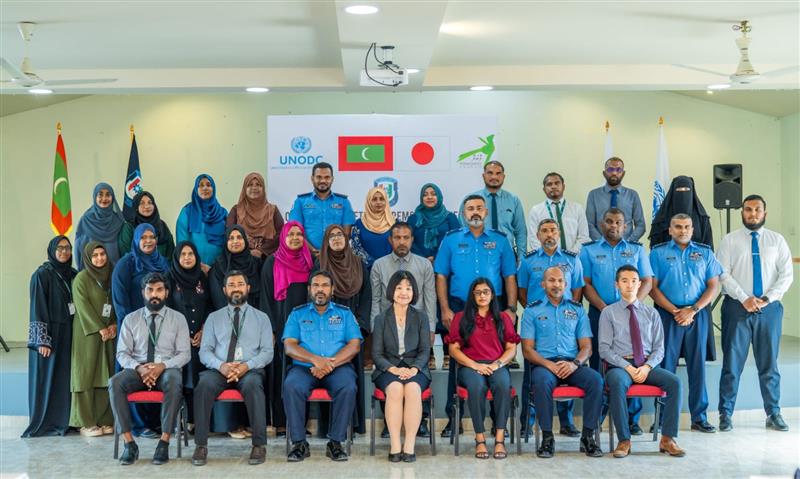
🌊 @UNODC_MCP marked the opening of installed CCTV systems in Laamu Fonadhoo 🏝 part of our joint efforts with @PoliceMv & Laamu Fonadhoo Council, to enhance island security &safeguard communities 🛡, & counter #MaritimeCrime 🚫.
thanks to @JapaninMaldives 🇯🇵
Ambassador ISHIGAMI attended the pier surveillance equipment installation ceremony at Laamu Fonadhoo under the Project for Enhancement of Ability in Maritime Safety and Security in partnership with @PoliceMv and @UNODC_MCP, for monitoring harbors & piers in 7 islands.@JapanAmbMV
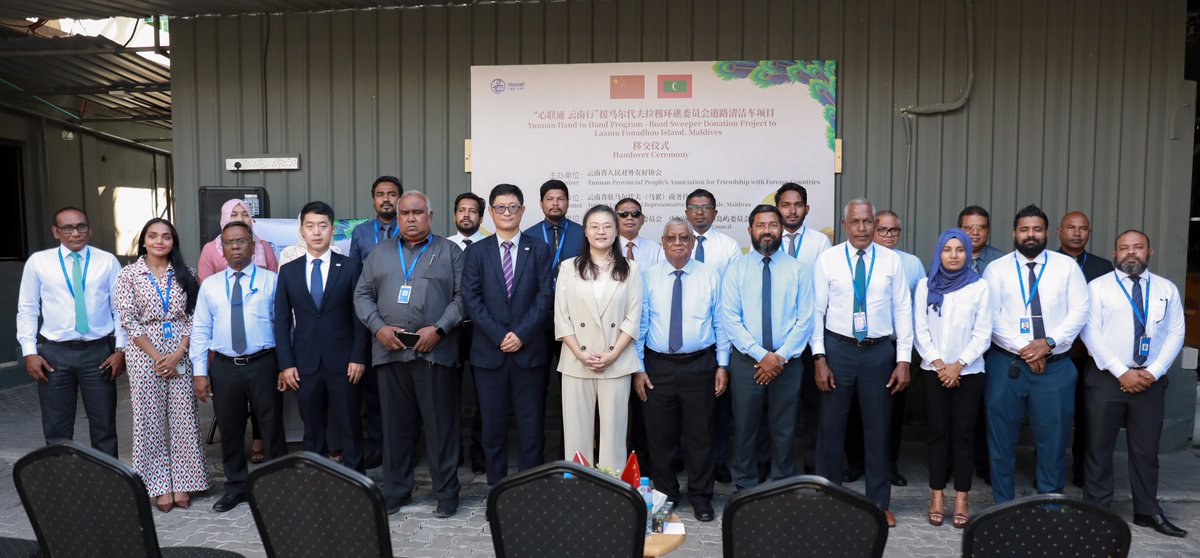
MCLP holds the Official Handover Ceremony of the road sweeper donated to Laamu Fonadhoo Council under the Yunnan Hand in Hand Program. A generous contribution that will play a vital role in ensuring a cleaner, healthier environment for the island community.
Sincere gratitude to the Yunnan Provincial People’s Association for Friendship with Foreign Countries, the #Yunnan Commercial Representative Office in Malé, and the Embassy of #China in the Maldives for their continued support.
𝗔𝗱𝗱𝘂 𝗖𝗶𝘁𝘆 𝗮𝗻𝗱 𝗕𝗮𝗻𝗴𝗮𝗹𝗼𝗿𝗲 𝗖𝗵𝗼𝘀𝗲𝗻 𝗳𝗼𝗿 𝗡𝗲𝘄 𝗖𝗼𝗻𝘀𝘂𝗹𝗮𝘁𝗲𝘀 𝗮𝘀 𝗜𝗻𝗱𝗶𝗮 𝗮𝗻𝗱 𝗠𝗮𝗹𝗱𝗶𝘃��𝘀 𝗘𝘅𝗽𝗮𝗻𝗱 𝗕𝗶𝗹𝗮𝘁𝗲𝗿𝗮𝗹 𝗖𝗼𝗼𝗽𝗲𝗿𝗮𝘁𝗶𝗼𝗻
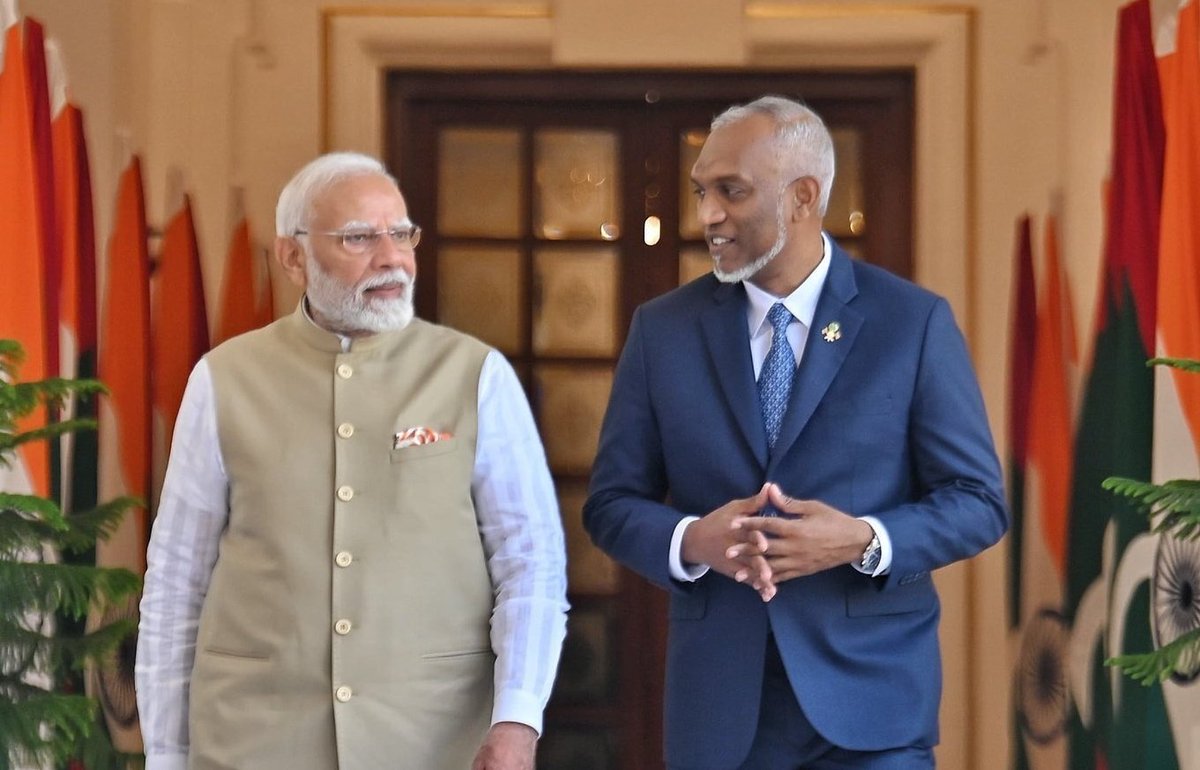
In a significant development unfolding during Maldives President @MMuizzu's state visit to India, both nations have announced the establishment of new consulates in Addu City and Bangalore. This move will enhance consular services and strengthen diplomatic and economic ties, reflecting the shared commitment to deeper cooperation.
The Indian consulate in Addu City will offer essential services to Indian nationals in the southern atolls and simplify visa processes for Maldivians, boosting access to education, healthcare, and business in India.
Similarly, the Maldivian consulate in Bangalore will cater to the growing number of Maldivians seeking medical treatment and higher education in the city. While Bangalore doesn’t host as many Maldivians as Trivandrum, the number of Maldivian visiting is steadily increasing, driven by its reputation as a healthcare and education hub.
On National Tourism Day, we celebrate the vibrant culture, stunning natural beauty, and warm hospitality that make the Maldives a top global destination. Let’s continue to work together to protect and promote our unique tourism industry for future generations. #VisitMaldives
Yameen's U-Turn on India Relations: From Cooperation to Confrontation.
At the start of Abdulla Yameen Abdul Gayoom's presidency in 2013, relations between Maldives and India were marked by optimism and cooperation.
In 2016, Yameen made a significant visit to India, during which he signed several agreements aimed at enhancing bilateral relations. This visit symbolized a positive trajectory in Maldives-India relationship, with both nations expressing a commitment to strengthening economic and strategic ties.
India was and has always been a key ally for Maldives, providing economic assistance, infrastructure development, and support in regional security.
However, as Yameen's rule progressed, his approach to governance took a sharp turn towards authoritarianism, leading to growing tensions with India. Yameen's regime conducted a sweeping crackdown on political opposition, leading to the arrest of numerous prominent figures.
Former President Mohamed Nasheed was imprisoned on controversial terrorism charges, while other key leaders, such as Qasim Ibrahim, leader of the Jumhooree Party, and Sheikh Imran Abdulla, leader of the Adhaalath Party, were also detained. Yameen's crackdown extended even to his own family, with the arrest of his half-brother, former President Maumoon Abdul Gayoom, and his nephew, Faris Maumoon, on allegations of plotting to overthrow the government. These arrests, along with the detention of hundreds of protesters, created a climate of fear and repression, leading many political figures to flee the country, with some seeking refuge in the United Kingdom.
India responded with deep concern, as the Ministry of External Affairs repeatedly emphasized the importance of democratic processes and called for the release of political prisoners. The international community, including the United Nations and human rights organizations, joined in condemning Yameen's actions, criticizing the erosion of democratic institutions and the rule of law in Maldives.
India, in particular, warned that Yameen's authoritarian measures could have long-term consequences for the Maldives' stability and its international relationships, urging a return to democratic norms and respect for human rights.
After losing the 2018 presidential election, Yameen escalated his anti-India rhetoric, blaming India for his defeat. He accused India of meddling in Maldivian politics and portrayed himself as a defender against foreign interference.
In contrast, the current government is mending ties with India and restoring Maldives' traditional, balanced foreign policy. By re-engaging in diplomatic initiatives and emphasizing mutual cooperation, Maldives is once again positioning itself as a neutral player in the region, committed to positive relations with all global powers.
Israel should end the illegal occupation of Palestine immediately and return the lands forcefully seized from Palestinians. Israel should recognize Palestine as an independent state with East Jerusalem as its capital within 1967 borders and allow the immediate return of refugees.