@ZombieScroller@ibmsulaymani@Haqiqatjou these guys werent wahabis u clown 🤣🤡
they were beduins who disguised as wahabis after they left and started killing and stealing
try again 😒
Another important fact: it has been established that there were those who exploited the opportunity created by the events in Karbalāʾ and raided it during and after the departure of the Saudi forces—especially the Bedouin tribes neighboring Karbalāʾ and some bandits—who disguised themselves in the dress of the Saudis so that their actions would not be exposed.
This was testified to by a contemporary of the event who narrated what occurred based on the testimony of those who witnessed it, namely Abū Ṭālib Ibn Muḥammad Khān, in his travel account. He said: “When the Wahhābīs left the city, the neighboring Bedouin Arabs took advantage of the terror that spread throughout those regions and lands. They entered the city and plundered everything the Wahhābīs had left, and they also killed a large number of the inhabitants. They remained in the city for two days and one night.”
5) The Wahhābīs did not attack civilians
What is intended here is a point worthy of attention: many historians exaggerated the number of those killed. In some reports it is stated that the number of the dead reached 20,000 in a single night; in another report, the number reached eight thousand. It is said that fifty were killed at the shrine of al-Ḥusayn and five hundred in the courtyard. Others said the dead reached four thousand, while others said five thousand. By contrast, Ibn Bishr estimated the number of the dead at 2,000, and Rasūl Ḥāwī al-Karkūklī estimated them at only 1,000.
The truth is that it is difficult to estimate the number of the dead at a time when even the size of the Saudi army itself was unknown. The view closest to reality is that the number of the dead was not large, because the incident occurred while the people of Karbalāʾ were celebrating one of their festivals outside the city, and only some people were present within it. This was testified to by one who lived close to those who directly witnessed the event, like the traveler Abū Ṭālib Ibn Muḥammad Khān.
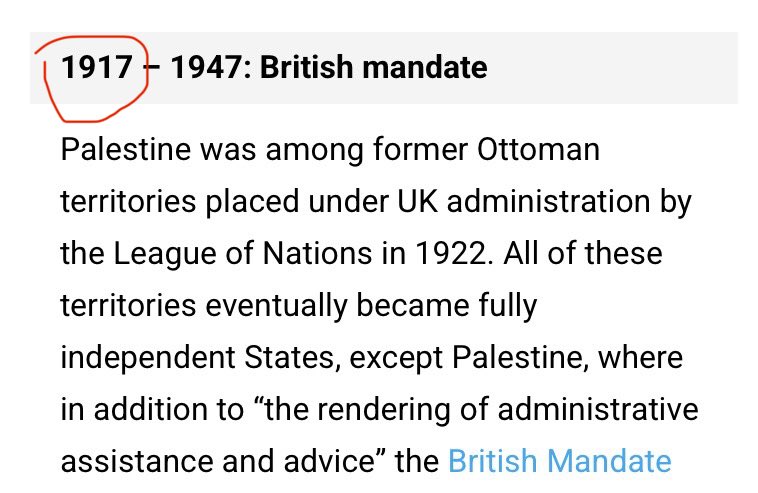
@hosgrave@ibmsulaymani@mohammed_hijab british take palestine in 1917
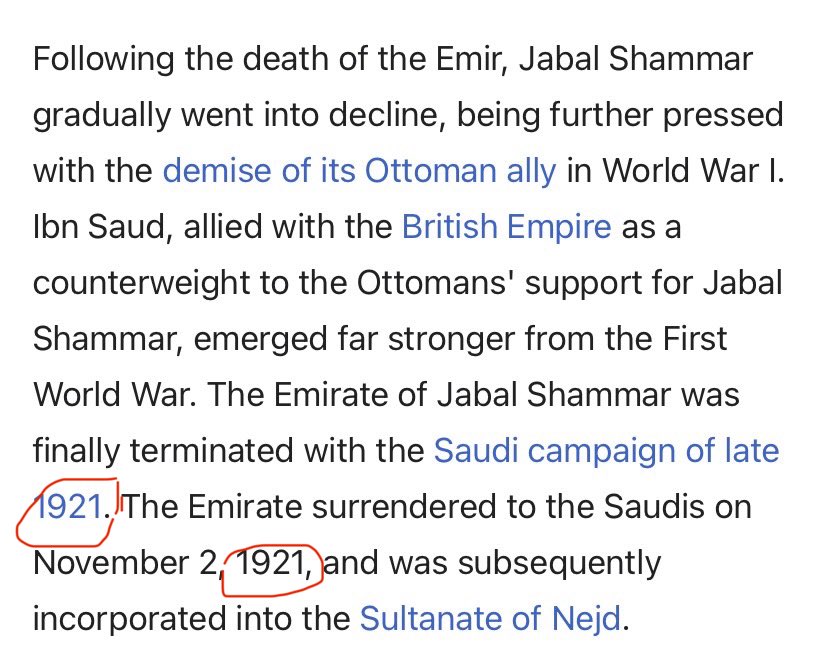
ibnu saud crushed the rasheedis in 1921
4 years later !!!!! 😂😂😂
do the maths u silly slave of taqiyatjou 🤣🤡
I love how you tagged grok instead of looking up the treaty and showing me, like I asked, where it obligated support against the Ottomans. Does it exist or not?
Mind you, the Rashidis (Ottoman allies) ATTACKED the Saudis first, in January 1915 (Battle of Jarrab). The treaty of Darin was signed in December 1915... the entire stance of Ibn Saud's state during WW1 was defensive, against an Ottoman ally, with no actual attacks against the Ottomans themselves.
@MrAnonymous5626@ibmsulaymani why dont he respond to proof then ?! 🤣
tell your boss to respond to this here 🤡
imaam ibnu abdulwahab was telling the truth
Why are you leaving out the fact that the Najdīs were attacked first?
Have you heard of Sulaymān Āl Ḥumayd, the ruler of al-Aḥsāʾ, who tried pressuring ʿUthmān b. Muʿammar to kill Muḥammad b. ʿAbd al-Wahhāb, causing his expulsion from al-ʿUyaynah?
Have you heard of Sharīf Masʾūd b. Saʾīd, who imprisoned a group of Najdī pilgrims to Makkah in 1162 AH, based on a fatwā from his scholars that the Wahhābīs are disbelievers?
Why omit the fact that the Wahhābīs consistently sought peaceful options, like writing letters informing the people of their daʾwah, to Najd, al-Aḥsāʾ and its surroundings, southern Arabia, and the Ḥijāz?
Have you heard of the chief of Najrān, known as al-Sayyid Hibatullāh al-Makramī al-Ismāʿīlī, who came with massive armies in 1178 AH to fight the state of Āl Saʿūd in al-Dirʿiyyah?
Have you heard of Dahhām b. Dawwās, the amīr of Riyāḍ and one of the fiercest opponents of the First Saudi State, who fought 17 battles (as early as 1159 AH) against them to try and destroy them?
Have you heard of Thuwaynī b. ʿAbdullāh, the chief of the Muntafiq tribe in ʿIrāq, cooperating with al-Aḥsāʾ to the attacked the Najdīs in 1201 AH?
Have you heard of the Ottoman deputy ʿAlī Pasha al-Kikhyā, who mobilized armies from ʿIrāq and assembled vast forces for a campaign in 1213 AH against the Najdīs, which the government of Istanbul supported with equipment and troops?
@mohammed_hijab The Najdīs took up arms to defend themselves against people who hated this daʾwah and sought to destroy it. Your claims simply aren’t consistent with history, so are you ignorant of the facts or are you lying? Pick one.
This British-Saudi ‘draft agreement’ in your book is fake and was debunked years ago, anyone worth their weight in knowledge would know it’s a complete forgery.
King ʿAbd al-ʿAzīz’s support for the Palestinian cause is well known.
This British-Saudi ‘draft agreement’ in your book is fake and was debunked years ago, anyone worth their weight in knowledge would know it’s a complete forgery.
King ʿAbd al-ʿAzīz’s support for the Palestinian cause is well known.
@LilLaaHilHamd@ibmsulaymani soooo where dos ibnu bishr say they take muslim women and make them slave ??
u posted some random stuff which prove nothing 🤣🤡
@HasbaraBuster1@ibmsulaymani more AI nonsense 😂
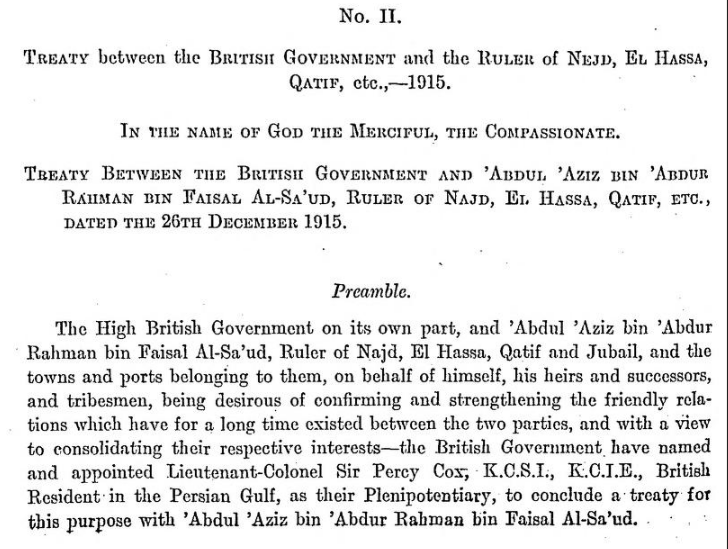
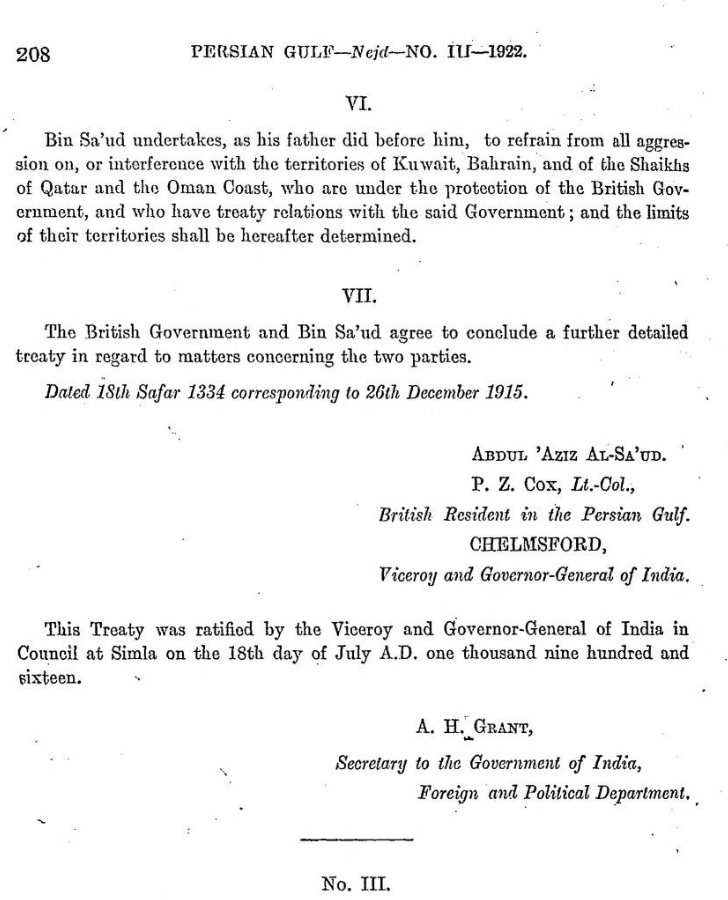
here is the daarin treaty right here ..
as u can see it dont say anything about working with british to fight otomans
better luck next time 🤡
@ibmsulaymani Here's the content of the treaty for those wondering. There's simply no mention of the Ottomans. And Ibn Saud rejected all requests by the British to engage in warfare with the Ottomans.
https://t.co/XHU3hWI9Yy
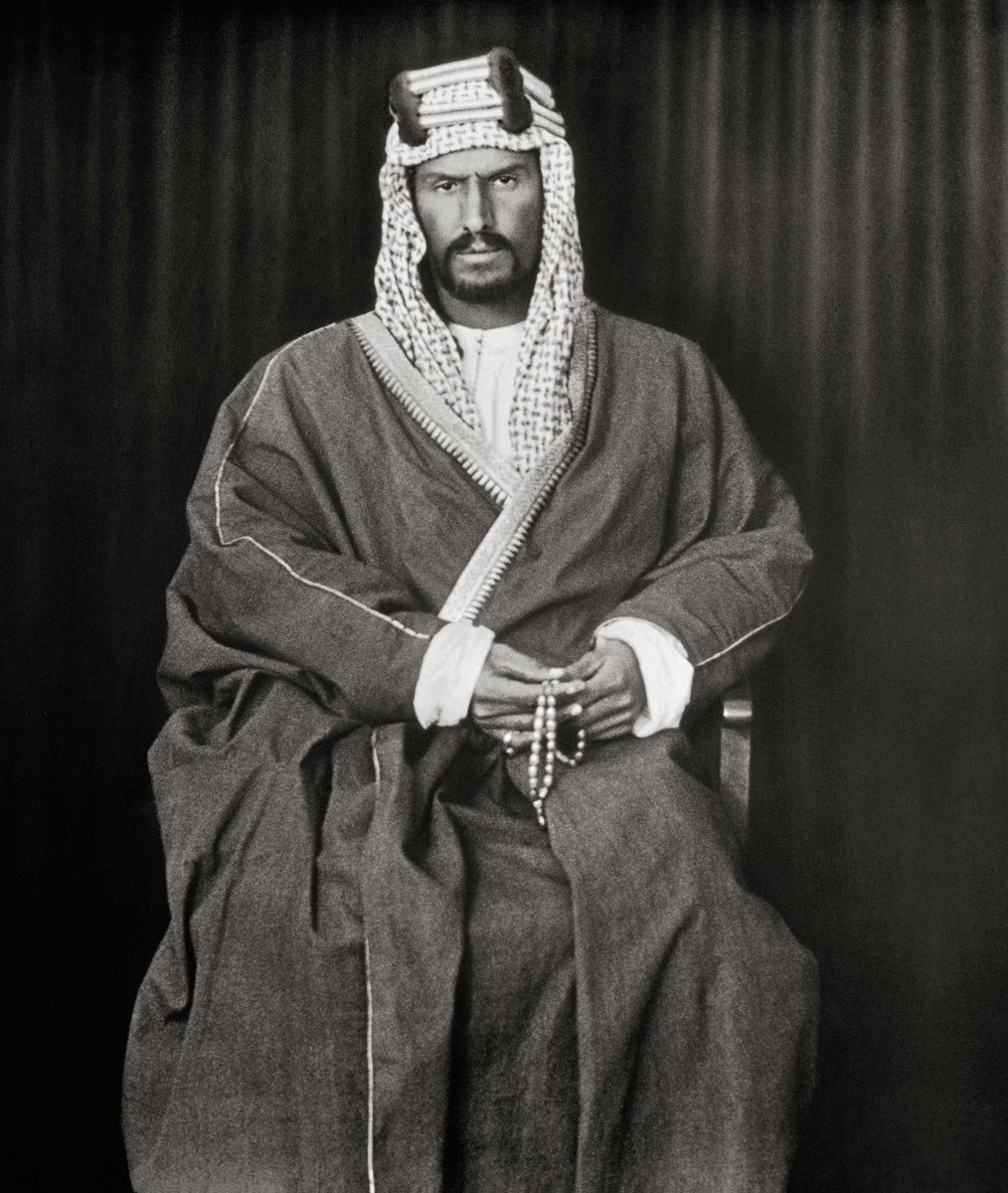
People might not know this: There is not a single instance of the Saudi King ʿAbd al-ʿAzīz allying with the British to fight the Ottomans. None. Zero. Nada.
King ʿAbd al-ʿAzīz’s concerns were with unifying the Arabian Peninsula and resisting two warring factions:
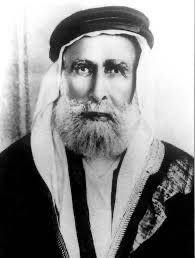
- On one side, the British-backed Sharīf Ḥusayn Ibn ʿAlī al-Hāshimī, who ruled the Ḥijāz.
- On the other side, the Ottoman-backed ʿAbd al-ʿAzīz Ibn Mutaʿib Āl al-Rashīd, who ruled Jabal Shammar.
Now King ʿAbd al-ʿAzīz hated the Ottomans and didn’t trust them (and for good reason), yet the claim that he allied with the British to fight them holds no weight when examining history.