A message from a Kindergarten teacher:
After forty years in the classroom, my career ended with one small sentence from a six-year-old:
“My dad says people like you don’t matter anymore.”
No sneer. No malice. Just quiet honesty — the kind that cuts deeper because it’s innocent. He blinked, then added, “You don’t even have a TikTok.”
My name is Mrs. Clara Holt, and for four decades, I taught kindergarten in a small Denver suburb. Today, I stacked the last box on my desk and locked the door behind me.
When I started teaching in the early 1980s, it felt like a promise — a shared belief that what we did mattered. We weren’t rich, but we were valued. Parents brought warm cookies to parent nights. Kids gave you handmade cards with hearts that didn’t quite line up. Watching a child sound out their first sentence felt like magic.
But that world slowly slipped away. The job I once knew has been replaced by exhaustion, red tape, and a kind of loneliness I can’t quite describe.
My evenings used to be filled with construction paper, glitter, and glue sticks. Now they’re spent filling out digital reports to protect myself from angry emails or lawsuits. I’ve been yelled at by parents in front of twenty-five children — one filming me with his phone while I tried to calm another child mid-meltdown.
And the kids… they’ve changed too. Not by choice.
They arrive tired, anxious, overstimulated. Their tiny fingers know how to swipe a screen before they can hold a crayon. Some can’t make eye contact or wait in line. We’re expected to fix all of it — to patch the gaps, heal the trauma, teach the curriculum, and document every move — in six hours a day, with resources that barely fill a drawer.
The little reading corner I once built, full of soft beanbags and paper stars, was replaced by data charts and “learning metrics.” A young principal once told me, “Clara, maybe you’re too nurturing. The district wants measurable results.”
As if kindness were a weakness.
Still, I stayed. Because of the small, holy moments that no spreadsheet could measure —
a whisper of, “You remind me of my grandma.”
a shaky note that read, “I feel safe here.”
a quiet boy finally meeting my eyes and saying, “I read the whole page.”
Those tiny sparks were my reason to keep showing up.
But this last year broke something in me.
The aggression grew sharper. The laughter in the staff room turned to silence. The light went out of so many eyes. I watched brilliant teachers — my friends — vanish under the weight of burnout, their joy replaced by survival.
I felt myself fading too, like chalk on a board that’s been wiped one too many times.
So today, I began my goodbye. I pulled faded art off the walls and tucked thirty years of handmade cards into a single box. In the back of a drawer, I found a letter from a student from 1998:
“Thank you for loving me when I was hard to love.”
I sat on the floor and cried.
No party. No applause. Just a handshake from a young principal who called me “Ma’am” while checking his notifications.
I left my rocking chair behind, and my sticker box too. What I carried with me were the memories — the faces of hundreds of children who once trusted me enough to reach out their hands and learn. That can’t be uploaded. It can’t be measured. It can’t be replaced.
I miss when teachers were partners, not targets. When parents and educators worked side by side, not in opposition. When schools cared more about wonder than numbers.
So if you know a teacher — any teacher — thank them. Not with a mug or a gift card, but with your words. With your respect. With your understanding that behind every test score is a heart that cared enough to try.
Because in a world that often overlooks them, teachers are the ones who never forget our children.
The older you get, the more obvious it becomes that you always knew what you wanted from life, it might have been freedom from "the system," it might have been an athletic and charismatic version of yourself, it might have been unlimited time to read novels or write your own, it might have been building a family with someone you love in every aspect, it might have been moving to a certain country and living an unpredictable adventure;
Heard on Kiambu Road: "Kwa ni sisi pekee lazima tufuate sheria, na hawa watu wa serikali wenyewe hakuna sheria wanafuata? Kwani sheria ni mbili?"
And that, right there, summarises the heart of the matter.
No region in Kenya attracted different nationalities to settle there in the early 1900s as much as Uasin Gishu did.
First, the Finns in 1901, followed by the Jews in 1902, and finally, the Boers in 1903. It was they who succeeded and built the town we now know as Eldoret.
🧵
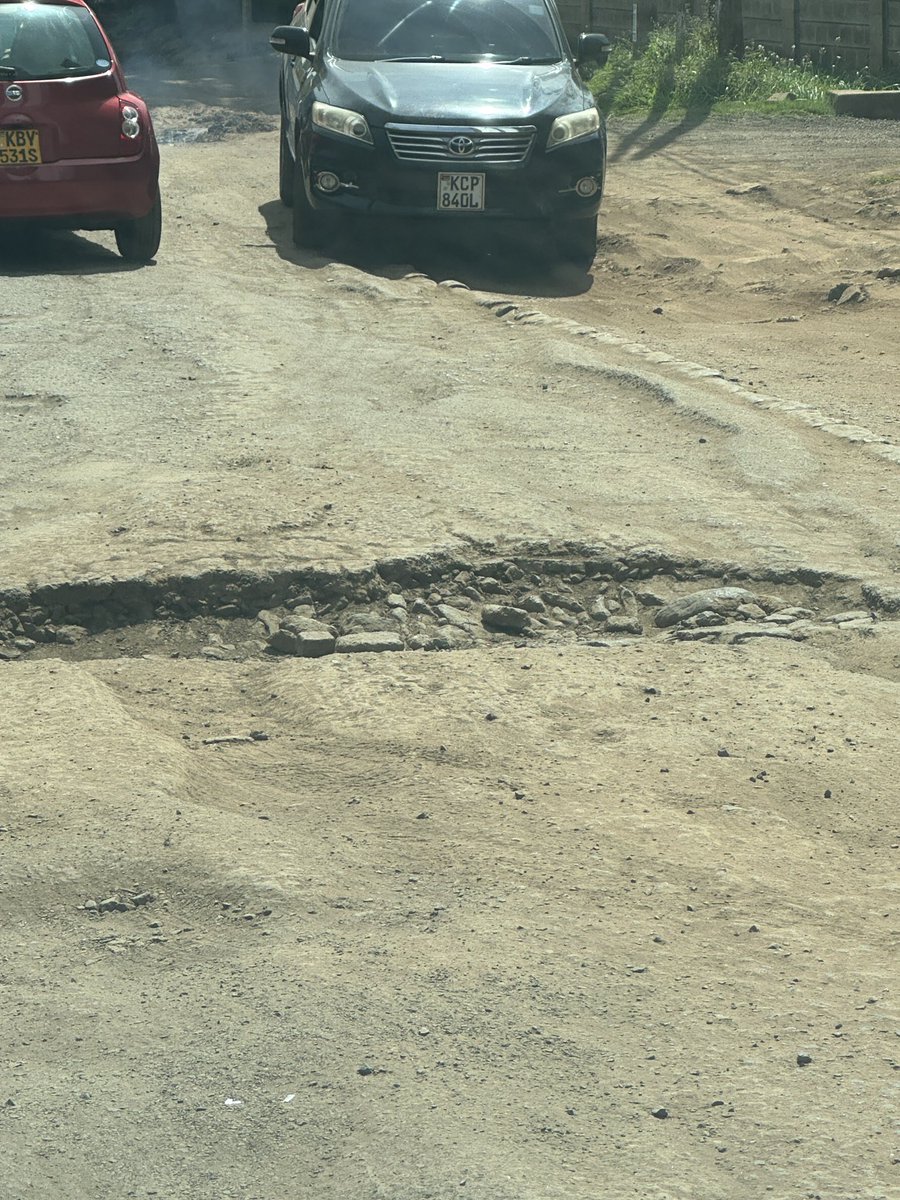
This road will not be forgotten trust me. The residents of this area are going through hell daily, those who use this road like the pedestrians and motorist go through the same equally. I know that one day those responsible for this neglect will be held accountable each one individually will be dealt with. It is just a matter of time ⏰⏰⏰
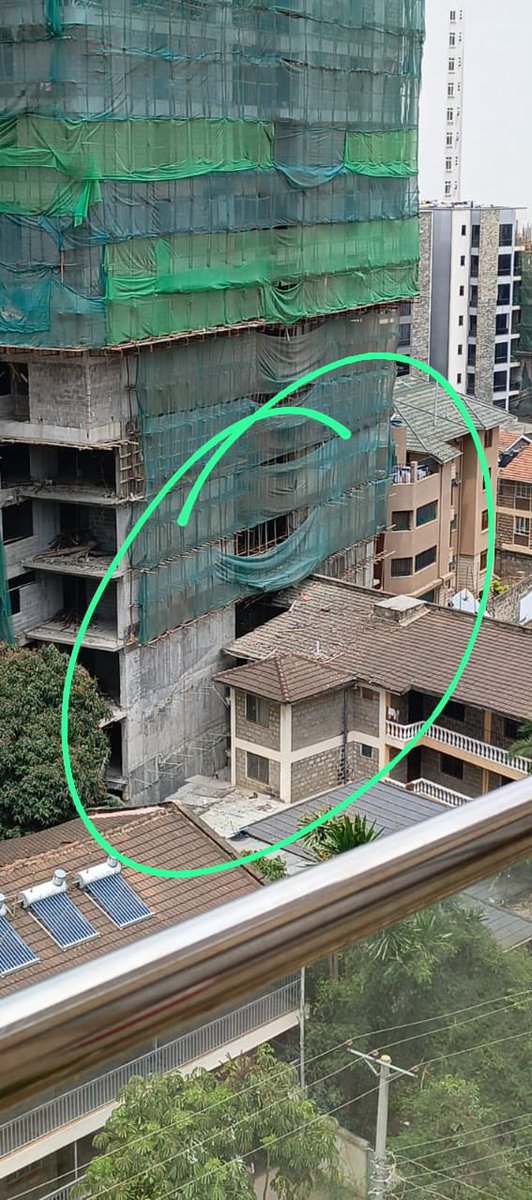
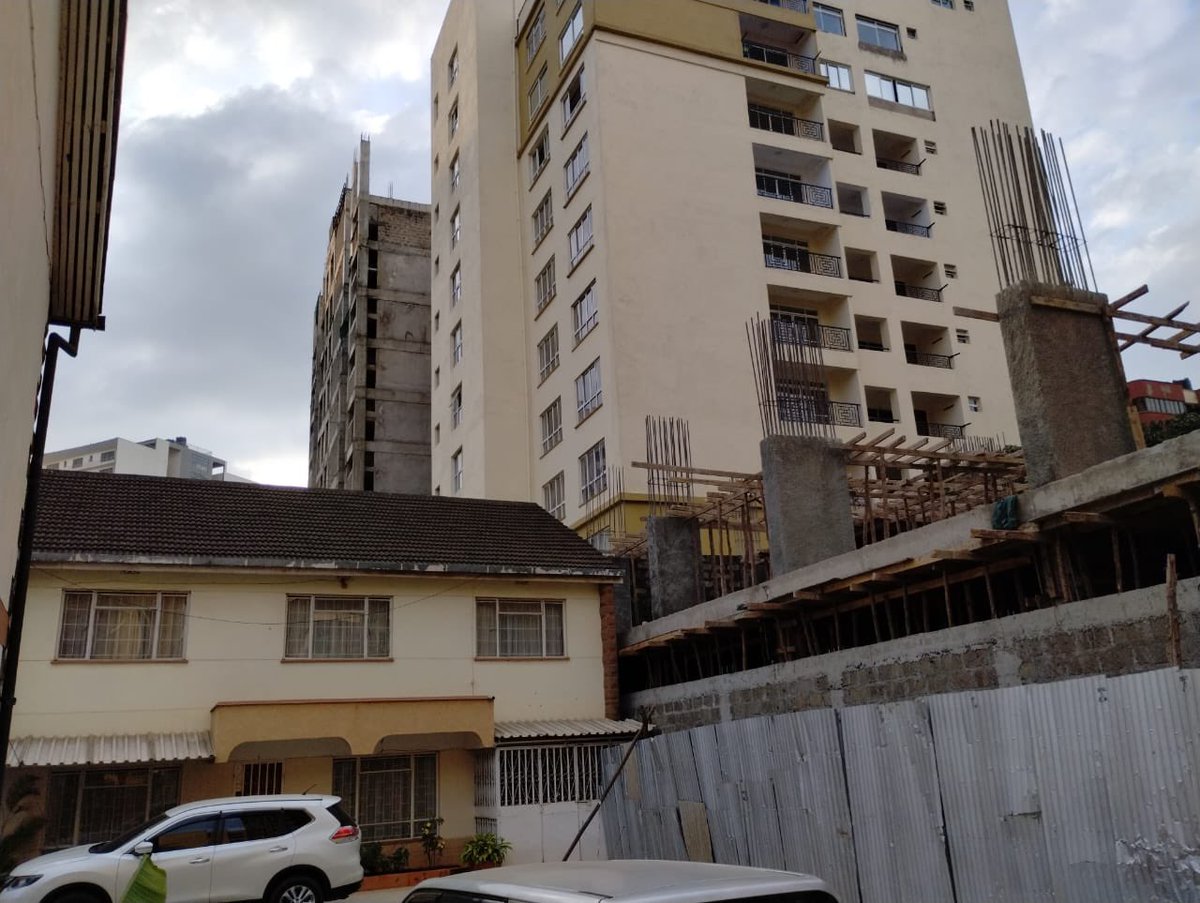
@KURAroads@SakajaJohnson the roads in Parklands need urgent attention. I will have residents tag you on the pathetic state of these roads. These are as a result of unplanned high rise developments with ZERO adherence to zoning and building codes/laws.
The residents of parklands are greatly disenfranchised and are demanding for action. @Parkland Residents Forum, @citizentvkenya@KTNNewsKE@Tuko_co_ke@K24Tv@metro_alliance_@ANMRA2022
Female Track Athlete of the Year nominee ✨
Repost to vote for Faith Kipyegon 🇰🇪 in the #AthleticsAwards.
Voting closes on Sunday 27 October at 11:59 PM CEST.