New paper out 📢📢📢Hydroclimate variability and human influence in southern Yemen over the past 1100 years: Insights from subfossil midge (Diptera: Chironomidae, Ceratopogonidae) assemblages from paleolake Gayal el Bazal https://t.co/rNBcZWPGok
📢📢📢 New paper out! 📢📢📢
Summer temperatures from the Middle Pleistocene site Schöningen 13 II, northern Germany, determined from subfossil chironomid assemblages https://t.co/86oCInD7He
Chironomidae‐based inference model for mean July air temperature reconstructions in the eastern Baltic area - Bakumenko - Boreas - Wiley Online Library https://t.co/UPWTK8YEru
New Paper alert! You must have heard about using bioindicators for paleoclimate studies. Can you apply them in arid settings like Yemen? Check out how Ostracods, chironomids, and n-alkanes respond to climate change. Major thanks to @sedimentology#ISF#PBC
https://t.co/lZbpzSjguv
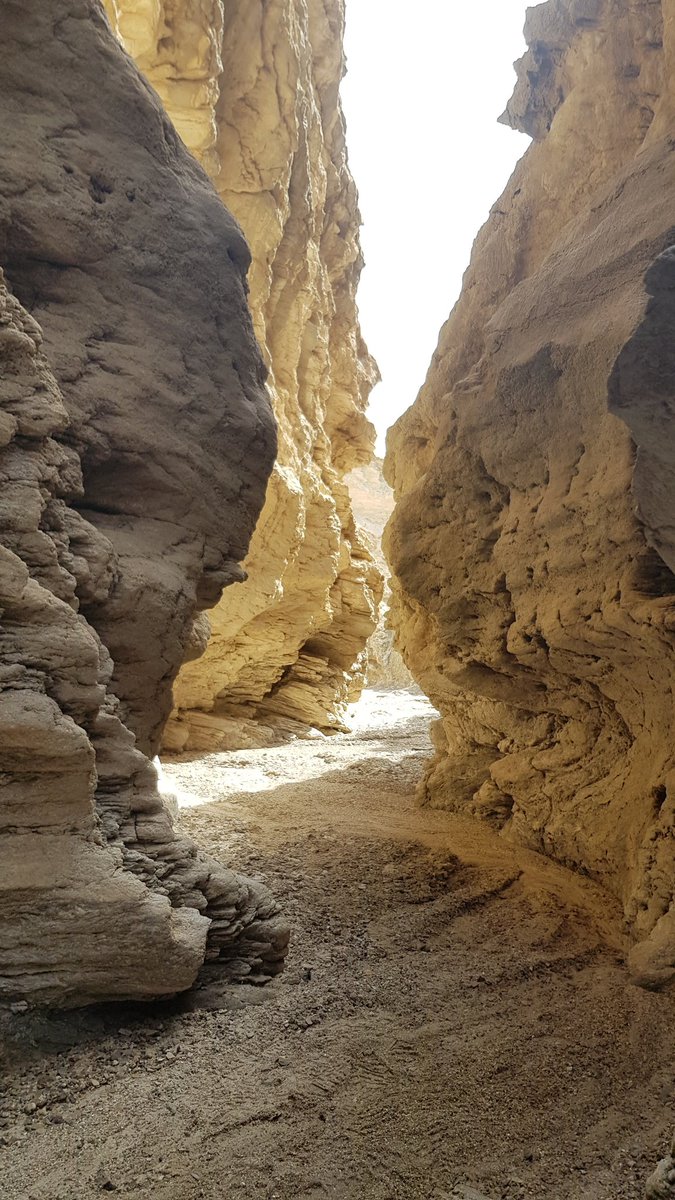
Fieldwork at the Dead Sea. Discovering a new creek in a wonderful site tracking for #climatechange and #Monsoon variability on relation to #GlobalWarming
Go and check it out!!! 🔍👀
Some awesome contributions from colleagues and friends together with our multi-disciplinary paleo database of the Global South 😃🌍🌎
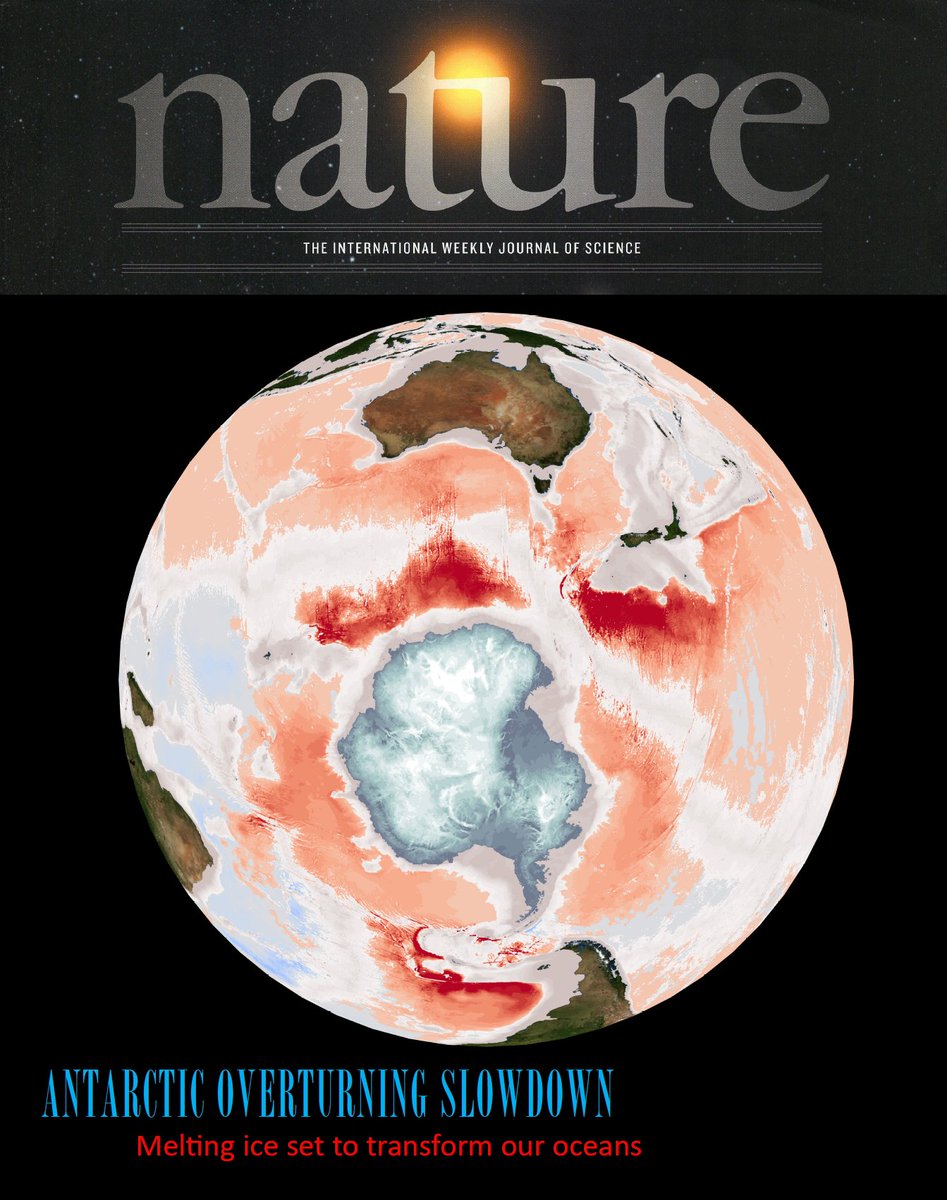
👉👉 Out today in @nature our new paper showing how meltwater increases around Antarctica are set to dramatically slowdown the Antarctic overturning circulation, with a potential collapse this century. https://t.co/p3au6k4zcK A🧵on how this work came about and what we found...
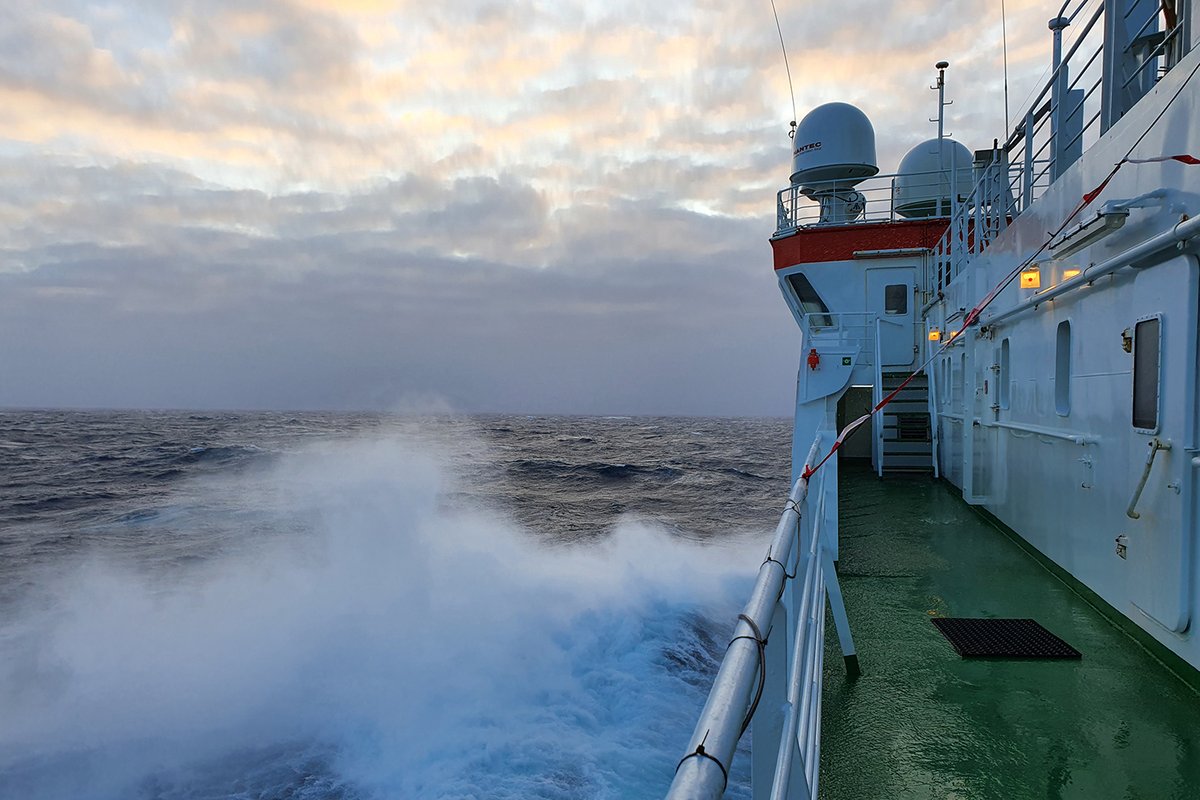
Sediment-Proben aus 8.000 Metern Tiefe konnte Dr. Marta Pérez Rodríguez von der #TUBraunschweig bei der „Island Impact“-Expedition im Südatlantik für ihre Forschung zum Quecksilberkreislauf sammeln. Sieben Wochen war sie an Bord der #Polarstern@AWI_de.
👉https://t.co/NVXK1hvjLz
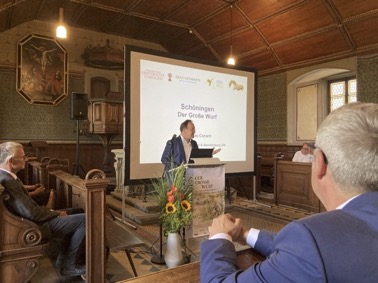
Eröffnung: „Schöningen - Der große Wurf“! 🥂 Wie haben die Menschen vor 300.000 Jahren gejagt, gesammelt & gelebt? Die Ausstellung rund um die archäologische Fundstelle im niedersächsischen Schöningen ist bis 3.10. im Museum der @uni_tue zu sehen! 🤩
👉 https://t.co/xQrdzrznGz