Pak @aniesbaswedan. Terima kasih. Sy menangis membaca ini. Orang tua sy memiliki 6 anak. Bapak sy bkerja tak pasti. Tak bergaji. Sy msh ingat sy makan nasi dan garam saja ketika kecil. Tetangga sy blg bapak sy pasti mau bunuh diri.
@drlrst setuju kak, mertuaku baiknya selangit, tapi klo ga kerja beberes di rmh mertua itu rasanya ada yg kurang, apalagi klo ada budhe2/tetangga bertamu😆🙏🏻
Tak hanya kekerasan fisik, mereka juga melancarkan serangan intimidasi dan pembungkaman terhadap kami semua warga perempuan yang melawan.
"Perempuan mending diam"
Justru karena kami perempuan, makanya kami berjuang, bersuara melawan ✊
The climate change discourse fixates on carbon, yet ignores the vital role of water in regulating climate and influencing weather patterns.
The work of Australian Soil scientist Walter Jehne reveals how Earth's hydrological cycle acts as a master regulator of our climate system, operating through an intricate dance of soil, microbes, and atmosphere.
Think of soil as Earth's skin – when healthy, it's a living, breathing ecosystem that captures and holds water. When degraded, it becomes a cracked, lifeless surface that water simply runs off.
Water, in its various forms, shapes our climate in ways that dwarf other factors. As it shifts between vapor, liquid, and ice, water moves massive amounts of heat around the planet. Healthy soils, rich with organic matter and microbial life, act like a sponge, holding water and releasing it slowly through vegetation.
This process creates what Jehne calls "the soil carbon sponge," a natural air conditioning system that helps regulate local temperatures.
Industrial agriculture and ecological destruction have degraded soils worldwide, disrupting these natural cooling mechanisms. When soils lose their organic matter, they lose their ability to hold water.
This equals more runoff, less vegetation, and disrupted local water cycles that amplify temperature extremes.
Jehne's work shows that restoring soil health could help rebalance these disrupted cycles.
Through agriculture systems that build soil organic matter, we could enhance water retention, support microbial life, and help restore natural cooling processes.
This perspective adds crucial depth to our understanding of climate and weather patterns, highlighting how local actions affecting soil and water cycles can have far-reaching effects on climate stability.
Understanding these water-soil-climate connections opens new possibilities for addressing climate and weather through practical, ground-up solutions that work with, rather than against, nature's own regulatory systems.
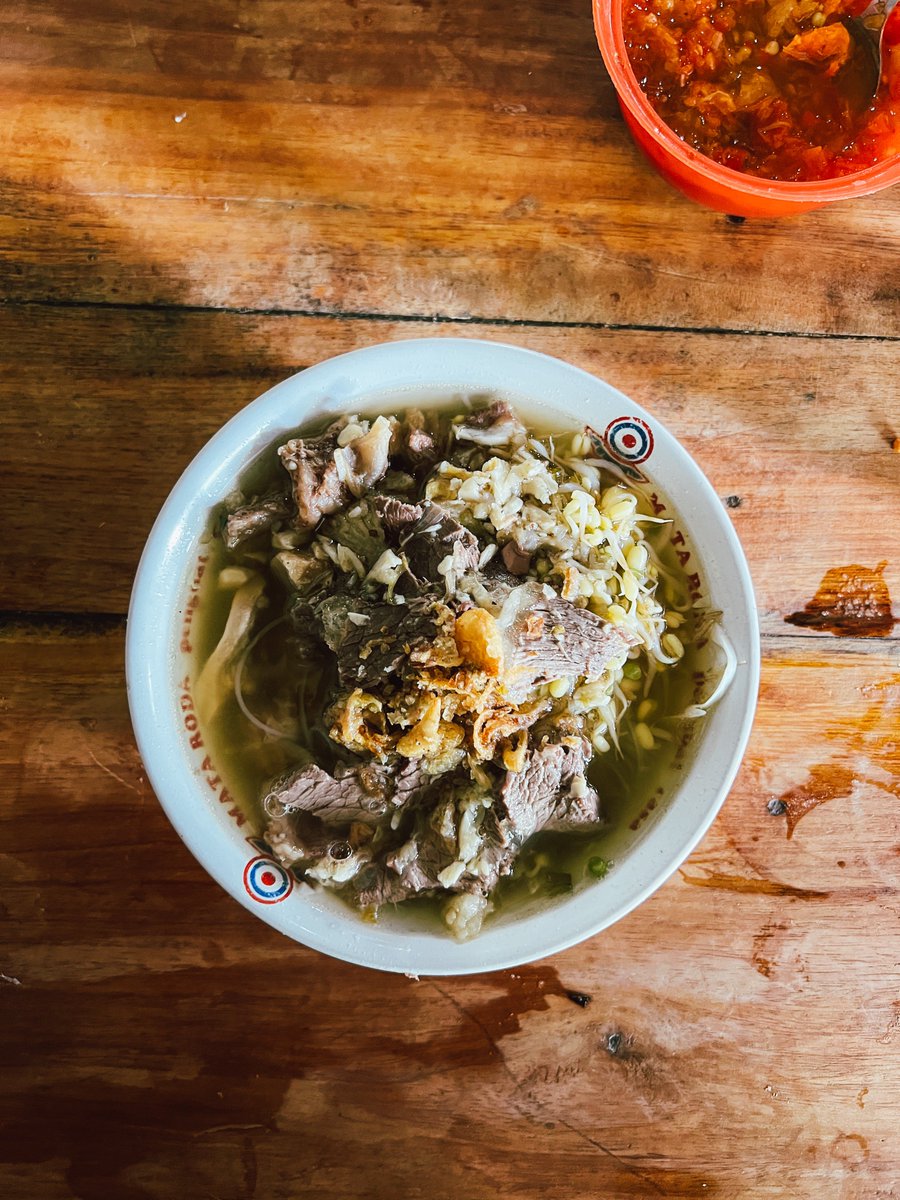
Keributan sosial media jangan sampai membuat kita lupa, karena hari ini (20 Feb) adalah
HARI SOTO NASIONAL
Mari sambut dengan foto soto kesukaanmu. #DemiSotoImpian
@kpertiwi29 wkwk waktu aku nyimak videonya, wah klo aku bikin story of my life kek gitu yg ada isinya pagi: siapin sarapan, anter anak, masuk kantor, pulang jemput anak, mandiin bocah, ngelonin🤣
@kpertiwi29 wkwk waktu aku nyimak videonya, wah klo aku bikin story of my life kek gitu yg ada isinya pagi: siapin sarapan, anter anak, masuk kantor, pulang jemput anak, mandiin bocah, ngelonin🤣
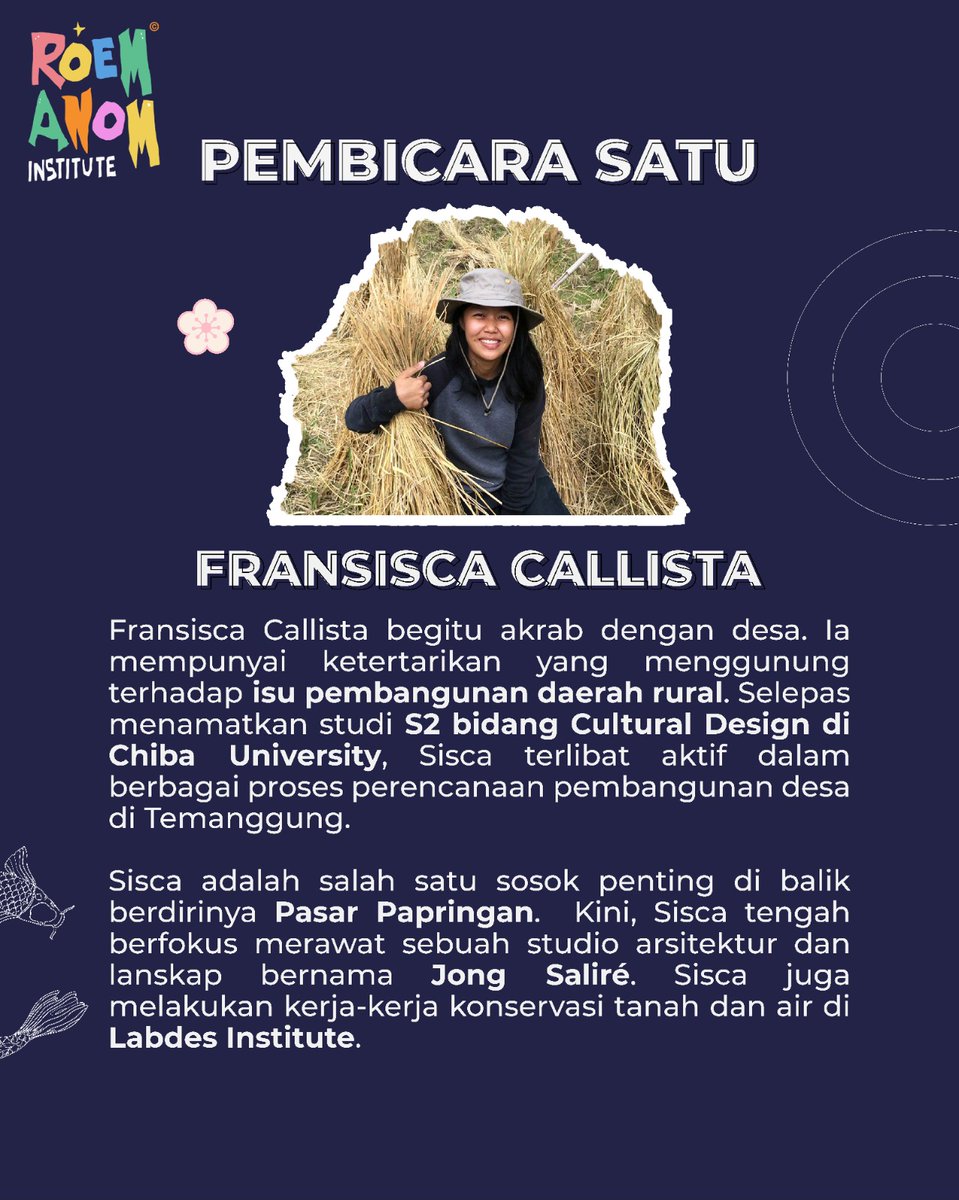
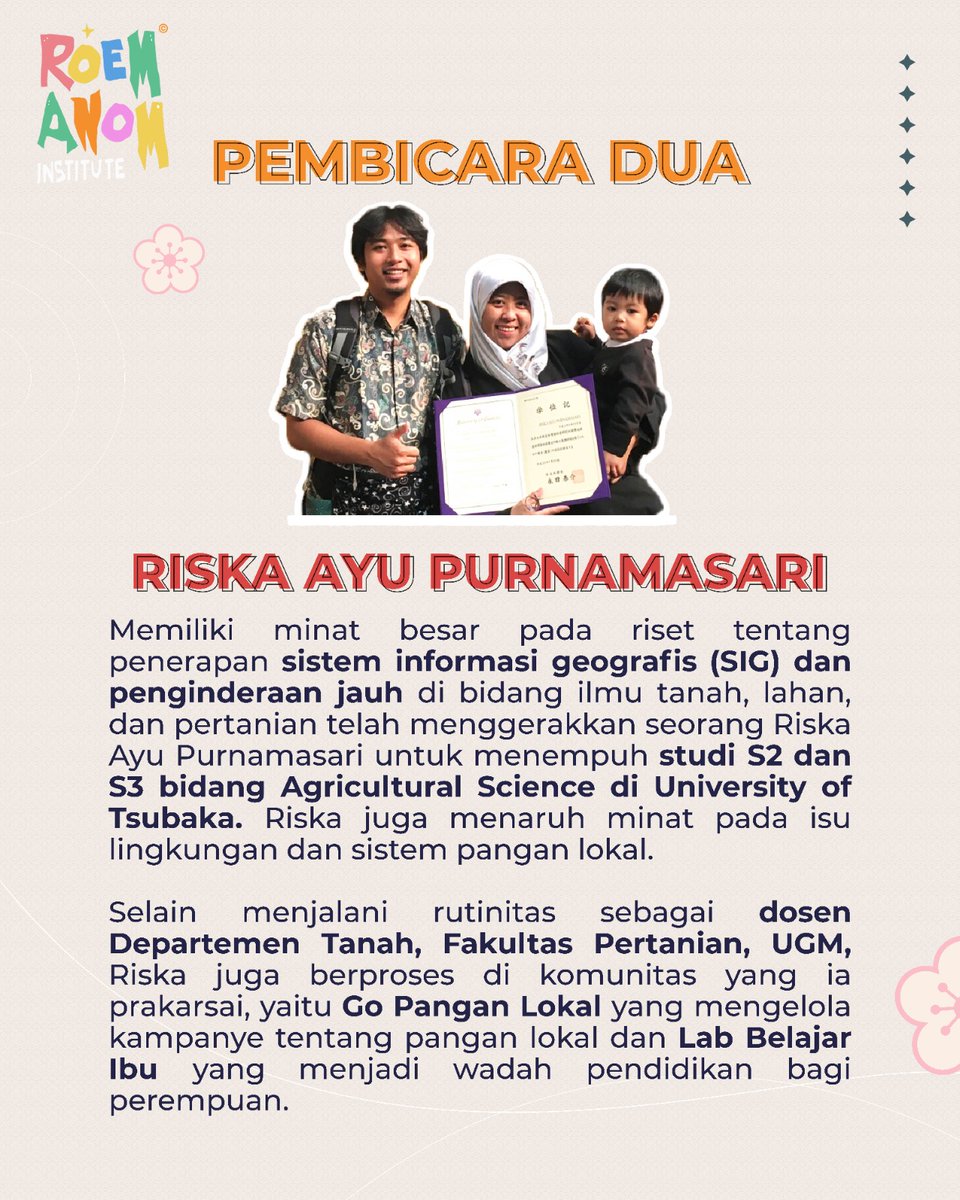
Lelana Brata Edisi Perdana: Jepang! 🇯🇵
Mbak Sisca dan Mbak @rizkuna akan berbagi cerita tentang studi mereka di Jepang. Menariknya, ilmu yang dipelajari oleh keduanya di Negeri Sakura menemukan relevansinya di Temanggung dan Indonesia. Belajar nun jauh di sana tetap kontekstual~
Refleksi akhir tahun 2024 bagi peneliti ternyata adalah: pentingnya komunikasi sains yang empatik terutama di media sosial, apalagi ketika membahas isu2 yang "ramai" di publik.
"Menjadi dosen itu menyenangkan didepan mahasiswa. namun sedikit menyedihkan untuk segala prosesnya" salam...terima kasih untuk yang sudah beli buku ini. saya akan balas kebaikannya. :))