Historian of early America/Politics, memory, and media in the Empire State/Editor, James Selkirk Memoir--NY AmRev War Veteran/Associate Editor, John Jay Papers
Preorder a copy of _James Selkirk's Revolutionary War_
@WestholmePub Receive a 25% on your purchase by joining Westholme's book club. https://t.co/WRp4xeJrjM
🇺🇸 In 1926 the Daughters of the American Revolution exhumed Margaret Corbin’s remains and reburied them at West Point. At least, that’s what they thought.
Forensic testing in 2016 showed the remains belonged to a man.
At Fort Washington on November 16, 1776, Margaret “Captain Molly” Corbin’s husband John was killed at his cannon. She took his place and kept firing until grapeshot nearly tore her left arm off and tore into her chest and jaw.
Congress made her the first woman to receive a military pension. She was later enrolled in the Invalid Corps and spent time at West Point.
When she died in 1800, she was buried near Highland Falls. The DAR, using local memory and a cedar stump on the old J.P. Morgan estate, dug up what they thought were her bones. A West Point surgeon said the skeleton was female and showed a shoulder wound. They reburied the remains with full military honors and put up the monument that still stands.
In 2016, construction disturbed the grave. Forensic anthropology and DNA testing by specialists at Binghamton University showed the remains belonged to a tall, muscular, middle-aged man who had been a longtime pipe smoker and lived sometime between the colonial period and the 19th century. There was no evidence of the battle wounds Corbin was known to have suffered. The 1926 “wound” was almost certainly post-mortem damage from the collapsing coffin.
The unknown man was reburied elsewhere at West Point. Corbin’s actual remains have never been located.
The monument is now effectively a cenotaph.
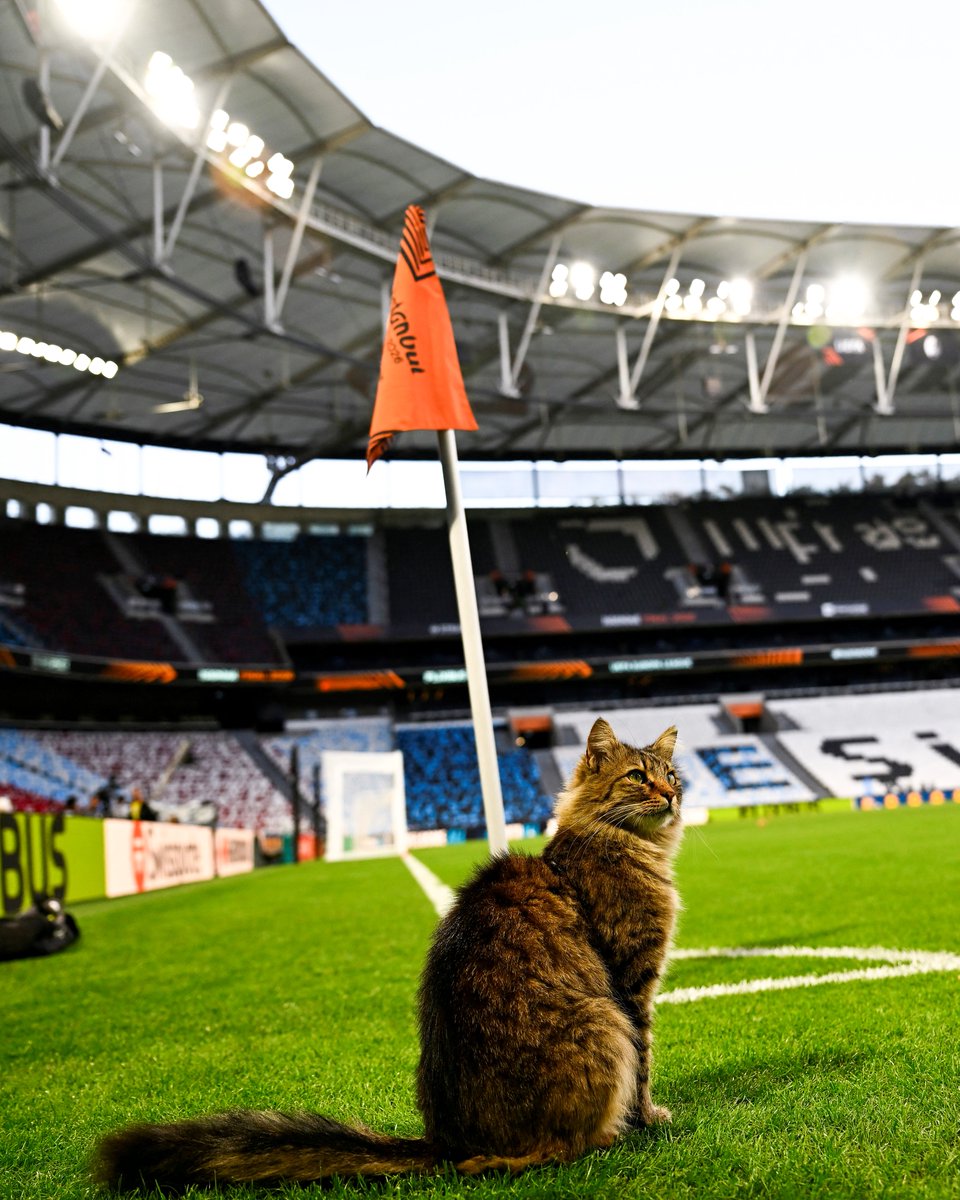
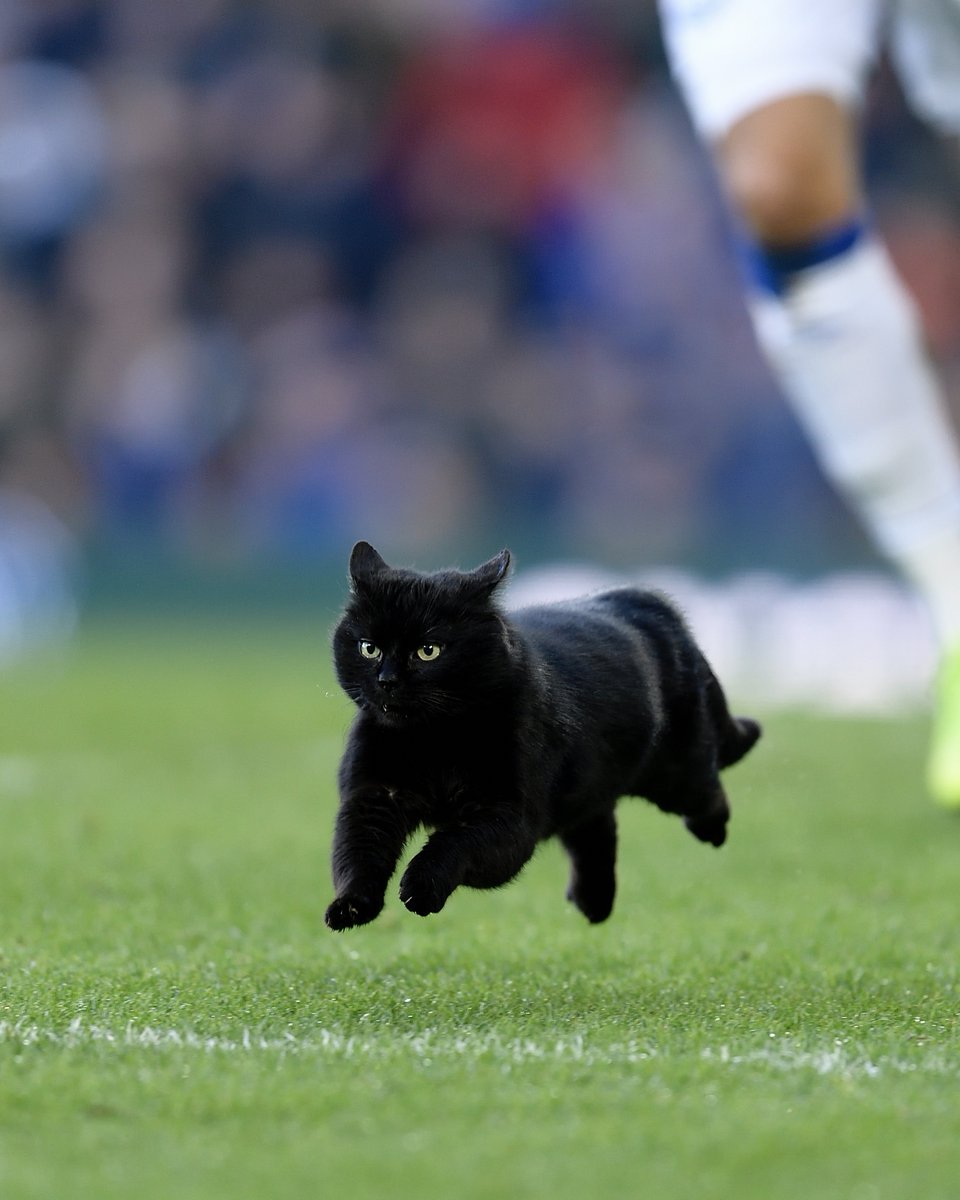
Wishing all my friends in the United States of America a happy National Cat Day. We don't have a National Cat Day in the UK, but we do have a National Cat...
(Pic @PjrFoto)
Fort Ticonderoga Author Series programs hosts at 2:00 pm on Sunday, August 16, Robb K. Haberman, "James Selkirk's Revolutionary War: The Memoir of a Continental Sergeant." Register here https://t.co/ZSnaO9yOQT #AmericanRevolution#ContinentalArmy#RevolutionaryWar#Ticonderoga
Ahead of the #4thOfJuly, a rare piece of American history comes to light via Fordham faculty expertise:
History instructor Robb Haberman, PhD, has edited and published the firsthand memoir of a common Revolutionary War soldier. 🇺🇸
Learn more:https://t.co/RPauzZOcn5
#America250
@OldNewYork1664 Thanks for an excellent talk today! I look forward to hearing more about your findings on the economic activities and political mobilization of Dutch women in the Hudson Valley.
A horse pulling a carriage in New York City’s Central Park collapsed and died Tuesday evening near Strawberry Fields, according to witnesses and animal welfare advocates. The incident occurred around 7:30 p.m., with the horse reportedly dying minutes after collapsing.
The death comes just days before supporters of Ryder’s Law are set to rally at City Hall in support of legislation that would phase out the city’s horse-drawn carriage industry. The bill is named after Ryder, a carriage horse that collapsed while working in Manhattan in 2022 and later died from his injuries.
VIA: @nypost
🎥: @nyclass