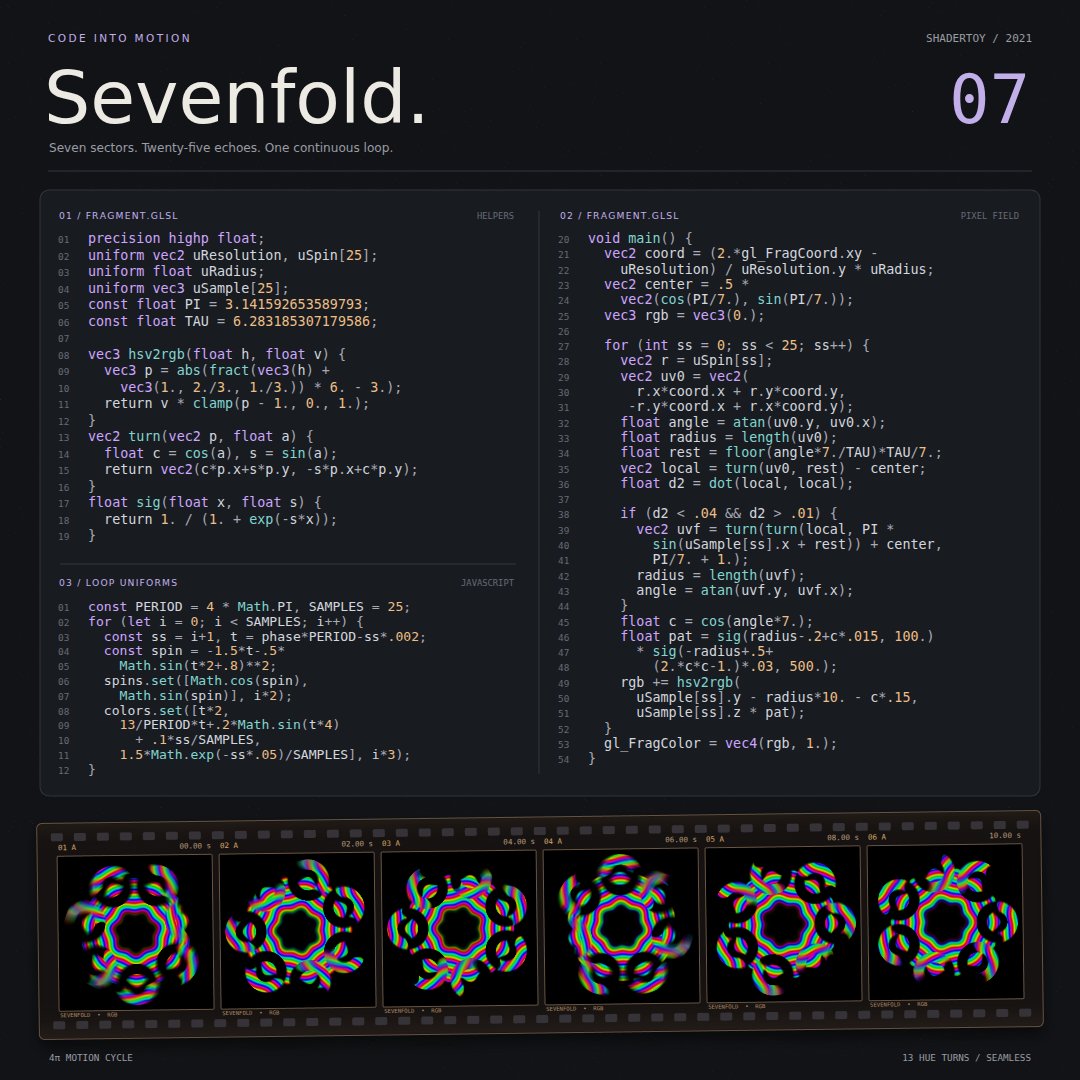
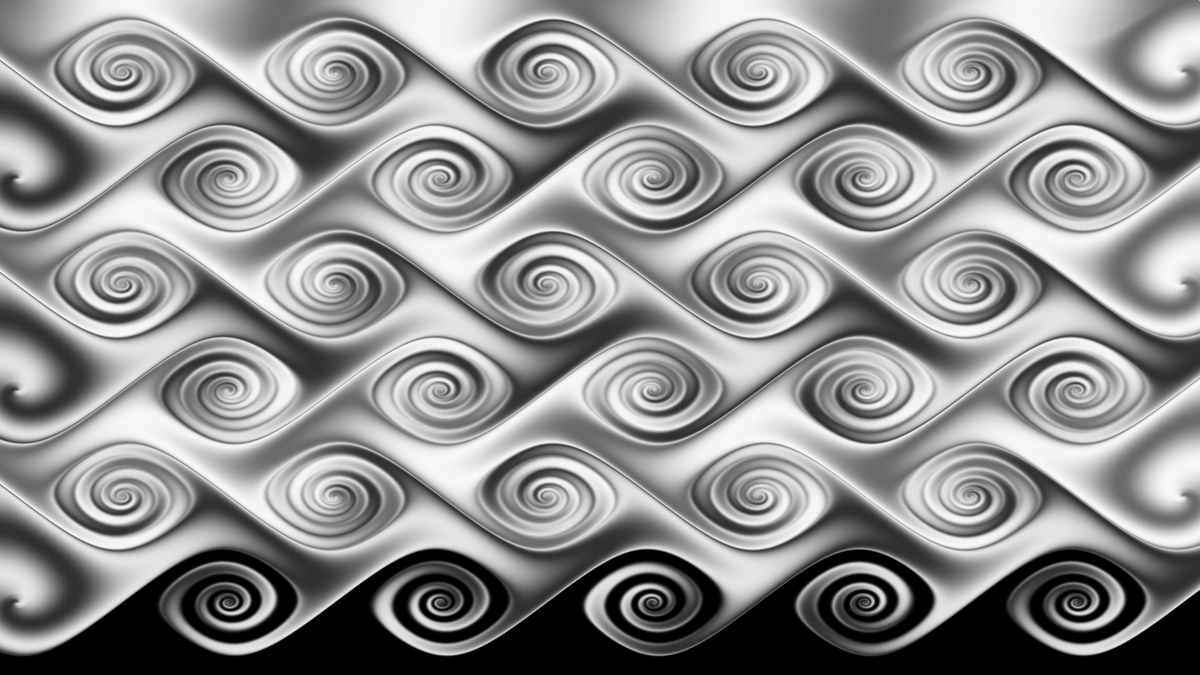
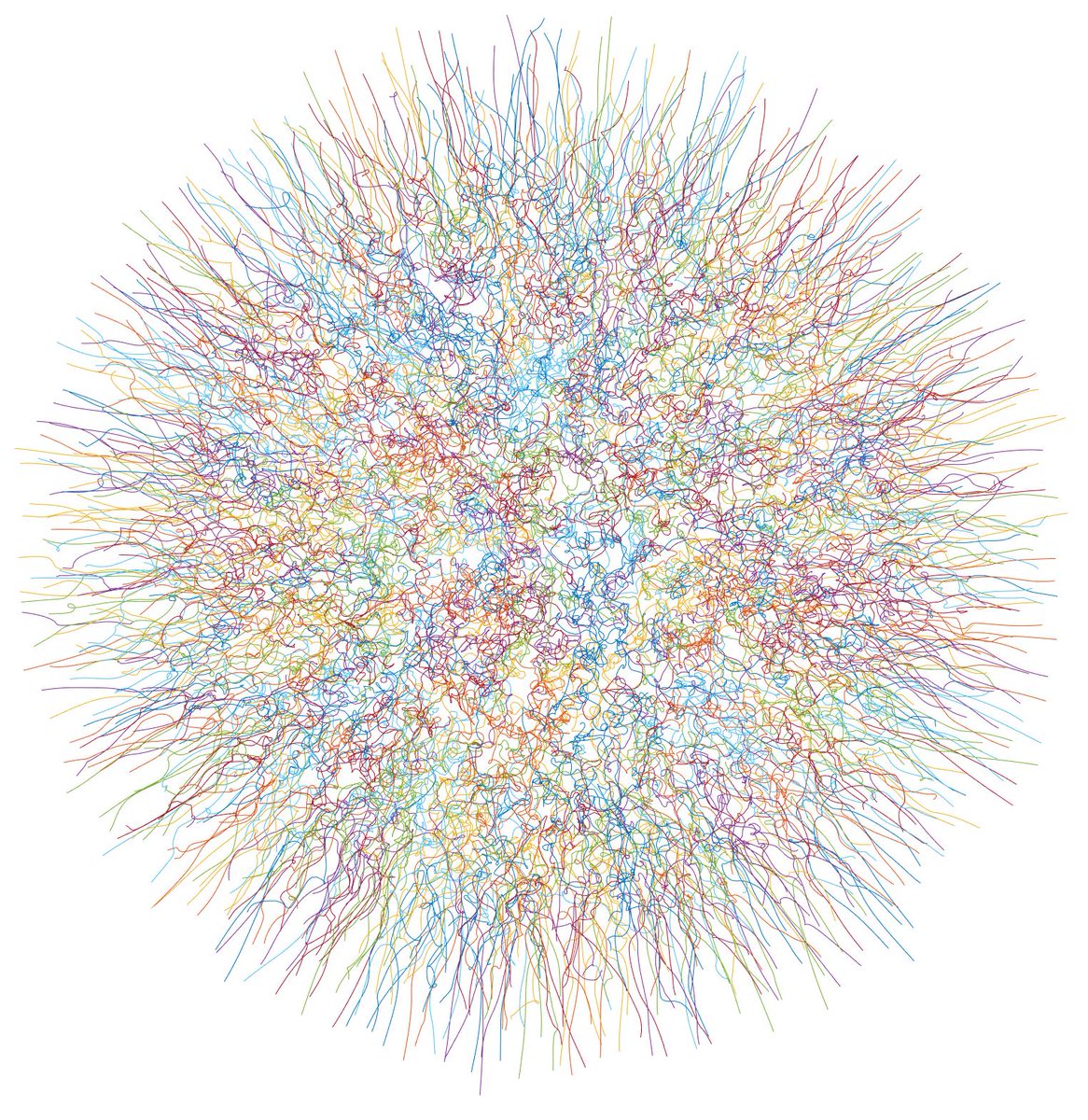
From 2021, still going in circles. 🌈
A shader I wrote on Shadertoy back in 2021, revisited as a seamless loop. Sevenfold symmetry, shifting colours, and a few lines of GLSL turning maths into motion.
#Shadertoy#ShaderArt#GenerativeArt#CreativeCoding#GLSL
@danielhchitwood In fact, it's a relatively simple setup that I built just a few days ago. Mainly a few poles and connectors from the garden section of the DIY store, some towels to block external light, my old iPad on a cardboard box, and an efficient LED lamp.
@danielhchitwood Looks cool how the leaf is slowly getting longer!
Reminds me of a time-lapse shot I just finished today. There you can also see how a rolled-up leaf slowly grows 🙂 (33 hours under an LED grow lamp)
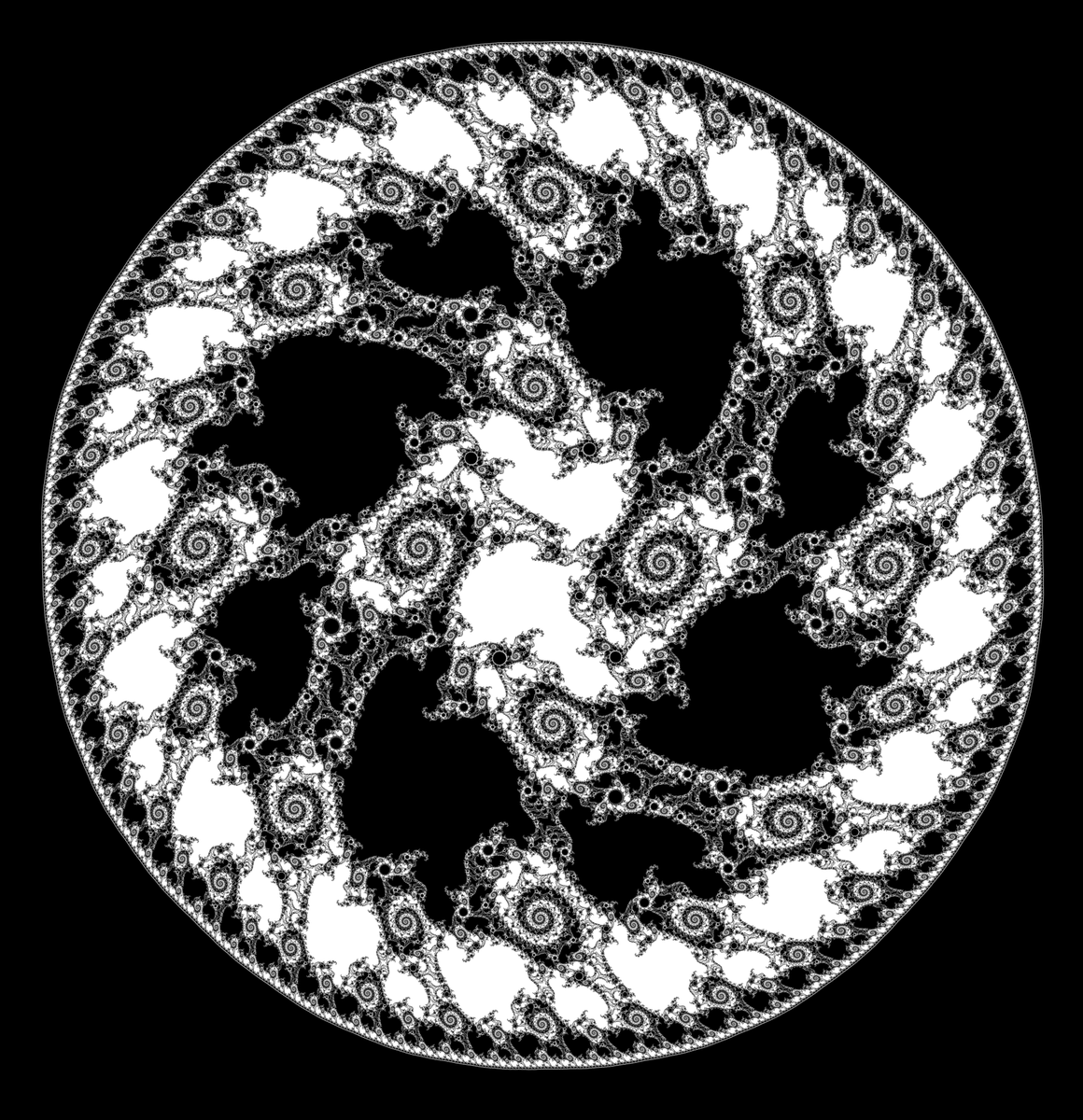
@graveolens This is the formula for the circle (the fractals from my initial post are just zoomed into the center of the circle) - there are some hidden sweet spots for c. Using fractional powers in the formula is also quite fun :).
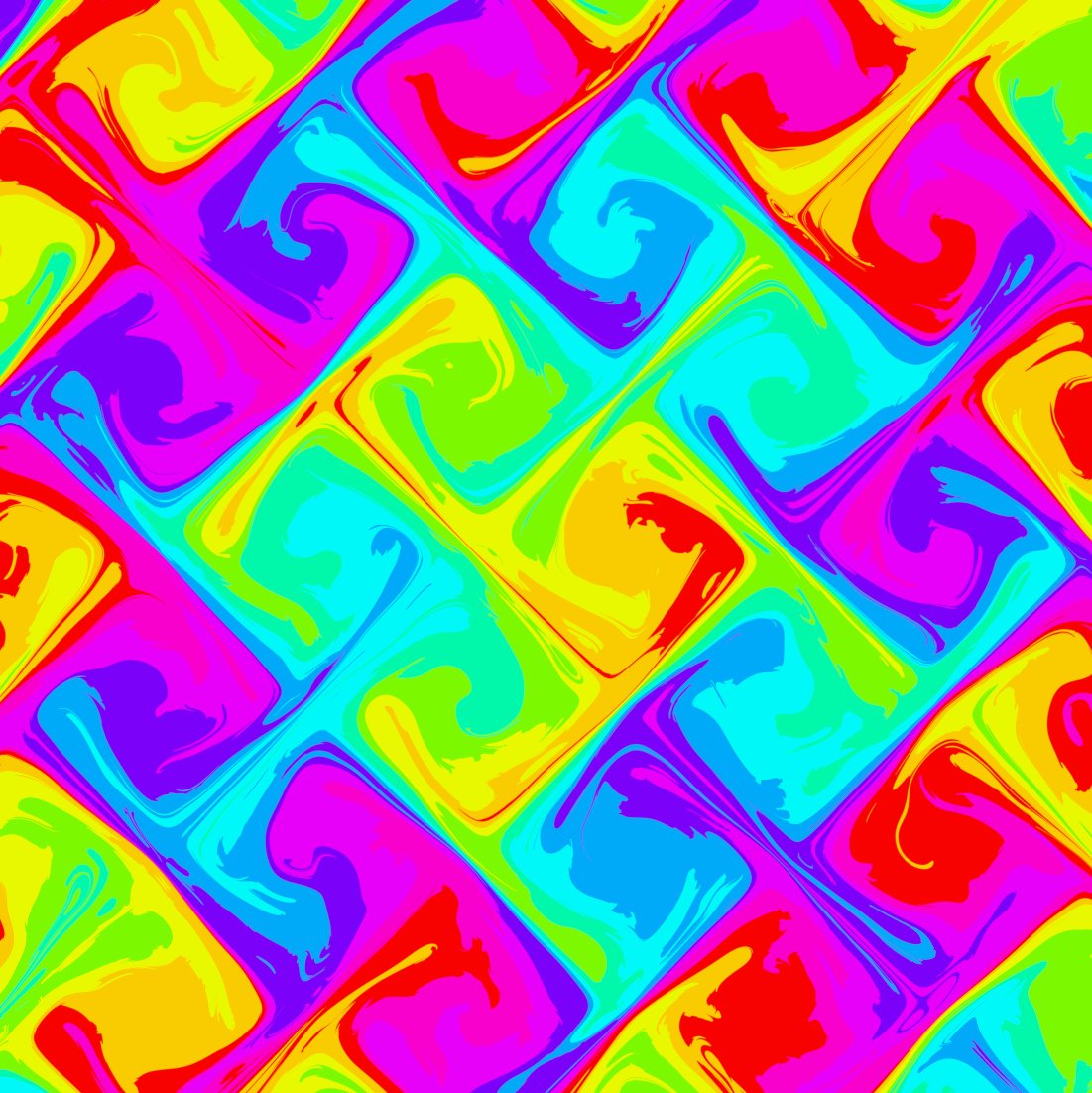
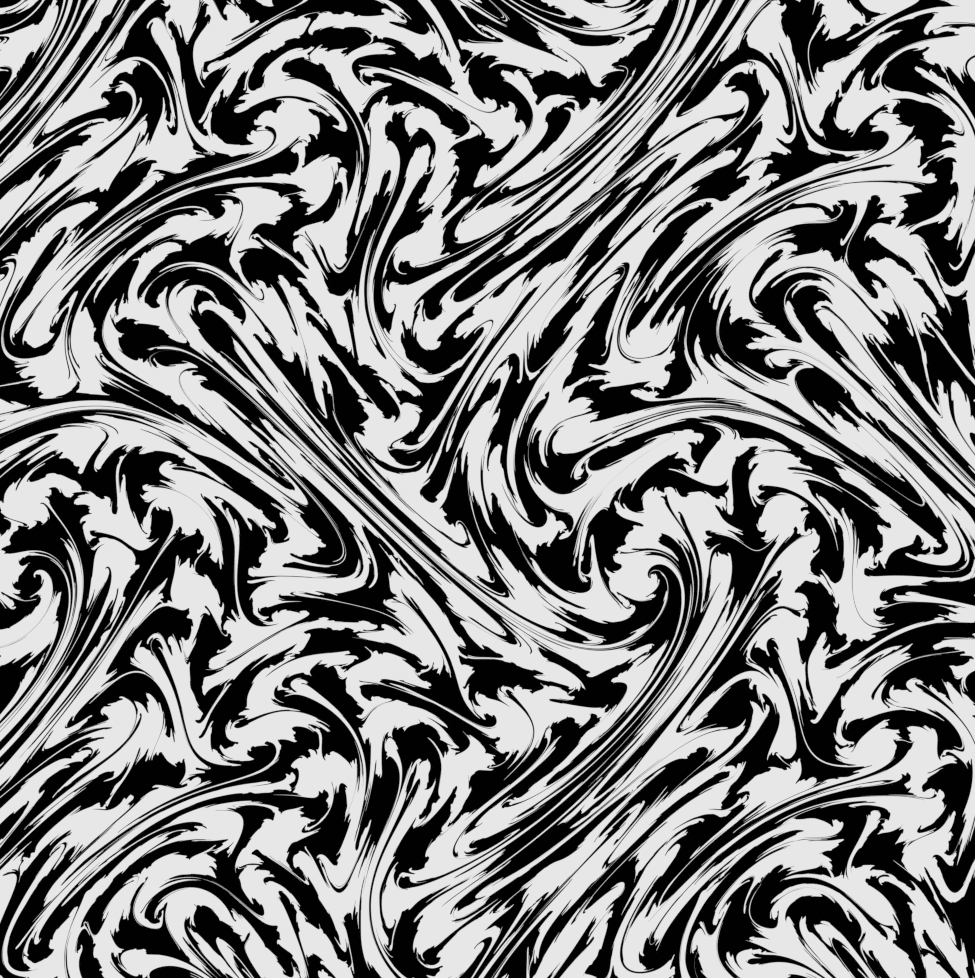
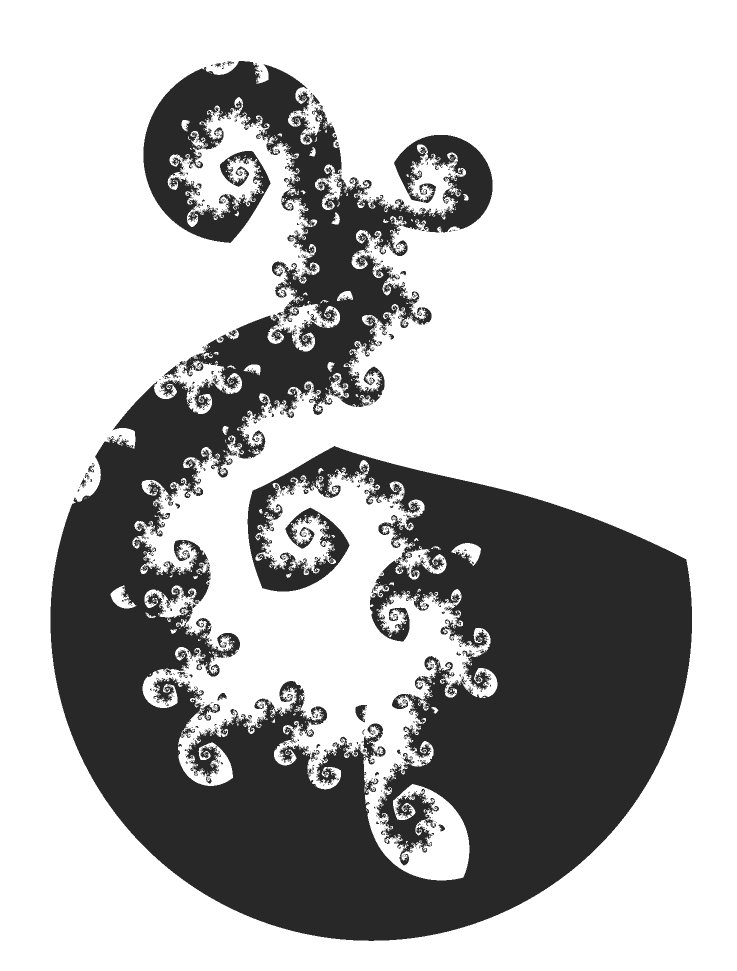
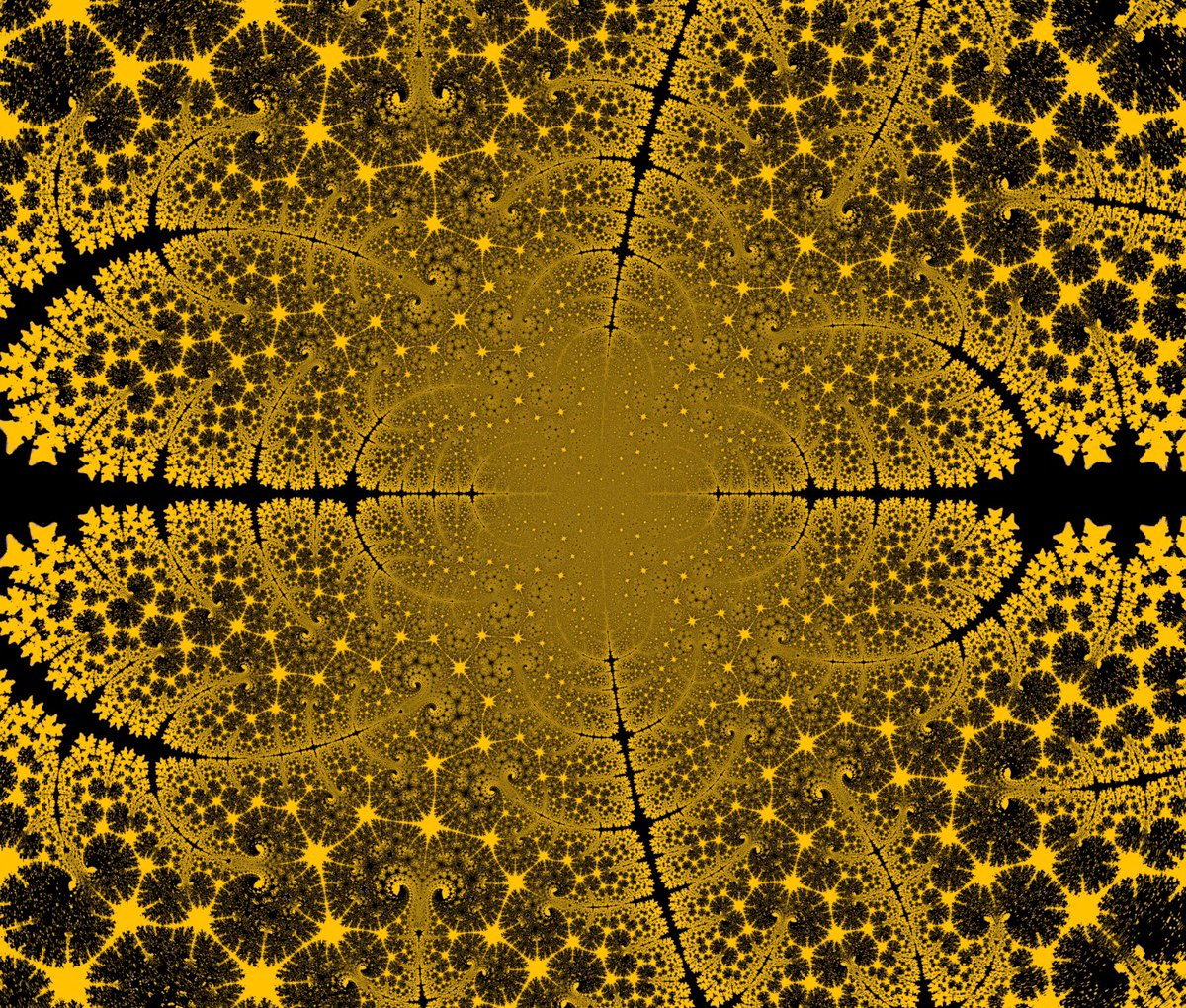
@graveolens The code is really versatile - there is a vast amount of fancy curly structures hidden in the parameter space. Zooming out x100 reveals a circular structure. The principle idea is to alternate between a Julia iteration and a sum of different powers (also negative & non-integer).
@Trinh_D_Nguyen Very Pretty! Looks like a DMD on the right side (DLPLCR9000EVM I think). I guess it's used to generate some sort of patterned illumination - do you actually make use of the high spatio-temporal resolution of the DMD (WQXGA at almost 10 kHz)?
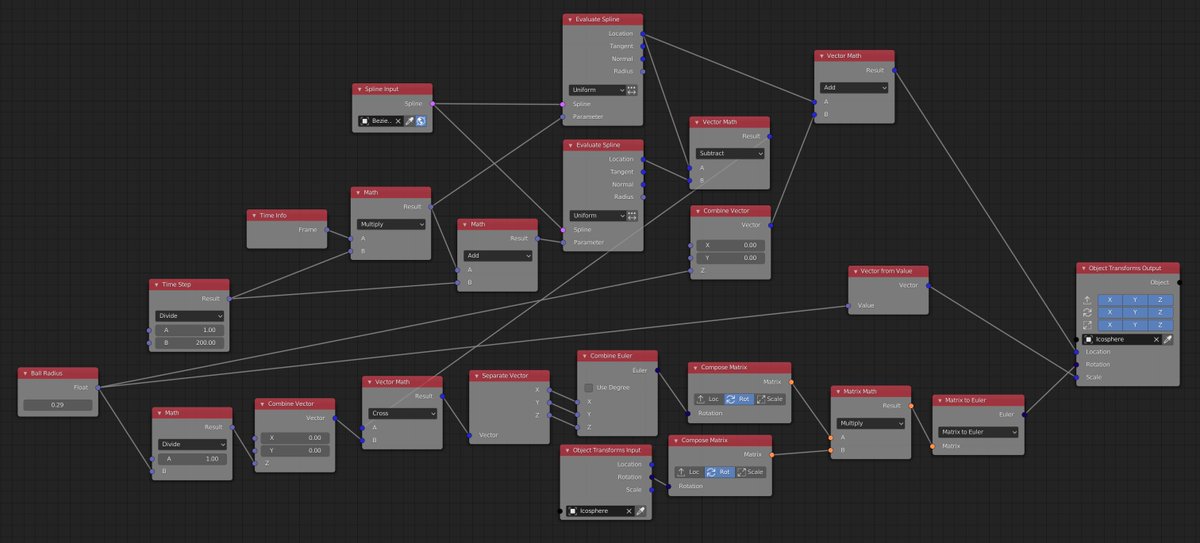
@mauro_pfister@OmarEmaraDev@bluefox_3d@JacquesLucke This is my shot at making it work. I think it's impossible to get the correct rotation without taking the whole roll history of the ball into account. This is why I use the previous rotation state of the ball and apply a rotation matrix based on the spline normal.
@mikelectricstuf@nanographs The scalebar looks a bit off though. You could build a Full HD chip with a width of just under 1mm like that. The one I recently used had a micromirror pitch of just under 8um.
@gabrielpeyre@sigfpe I tried it with a 100x100 matrix. Using the nearest points between each interpolation step for indexing works well, but is not reliable.