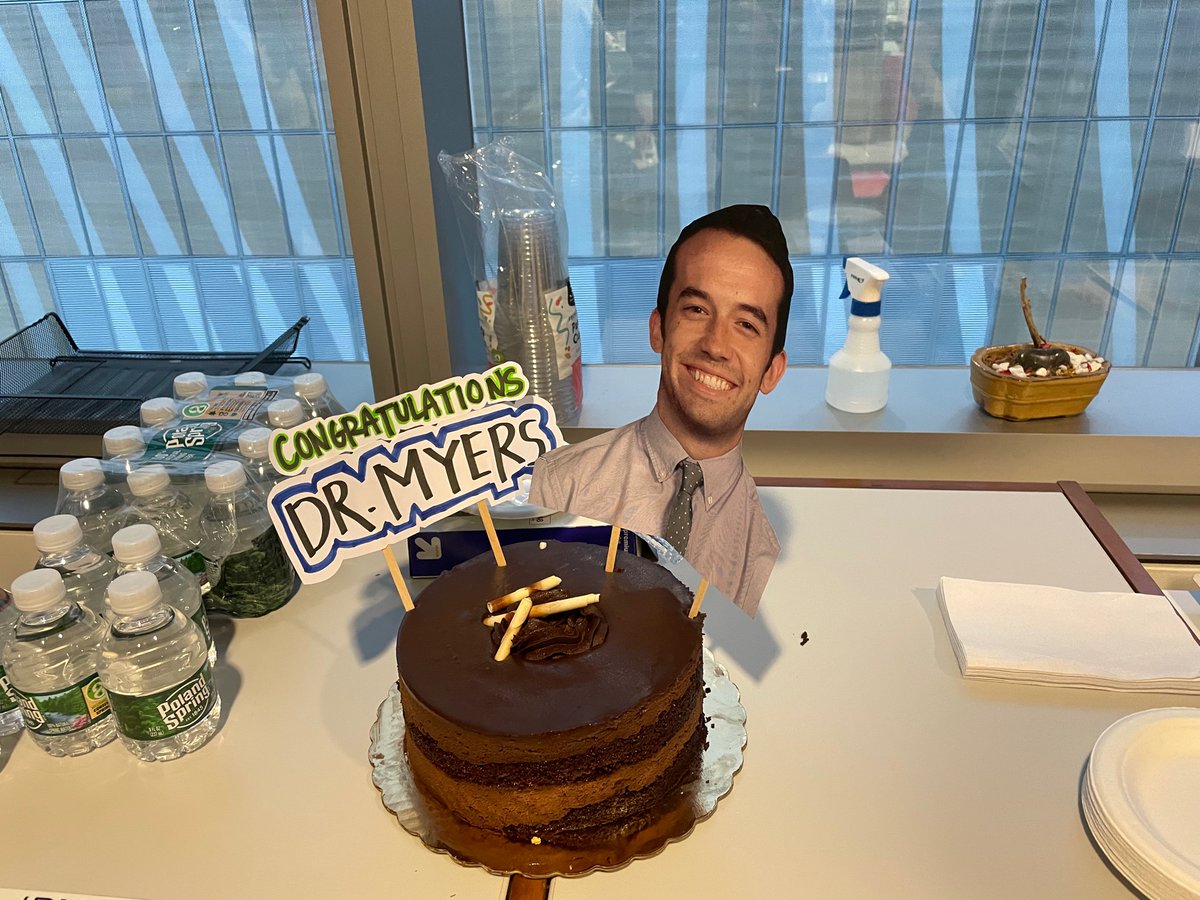
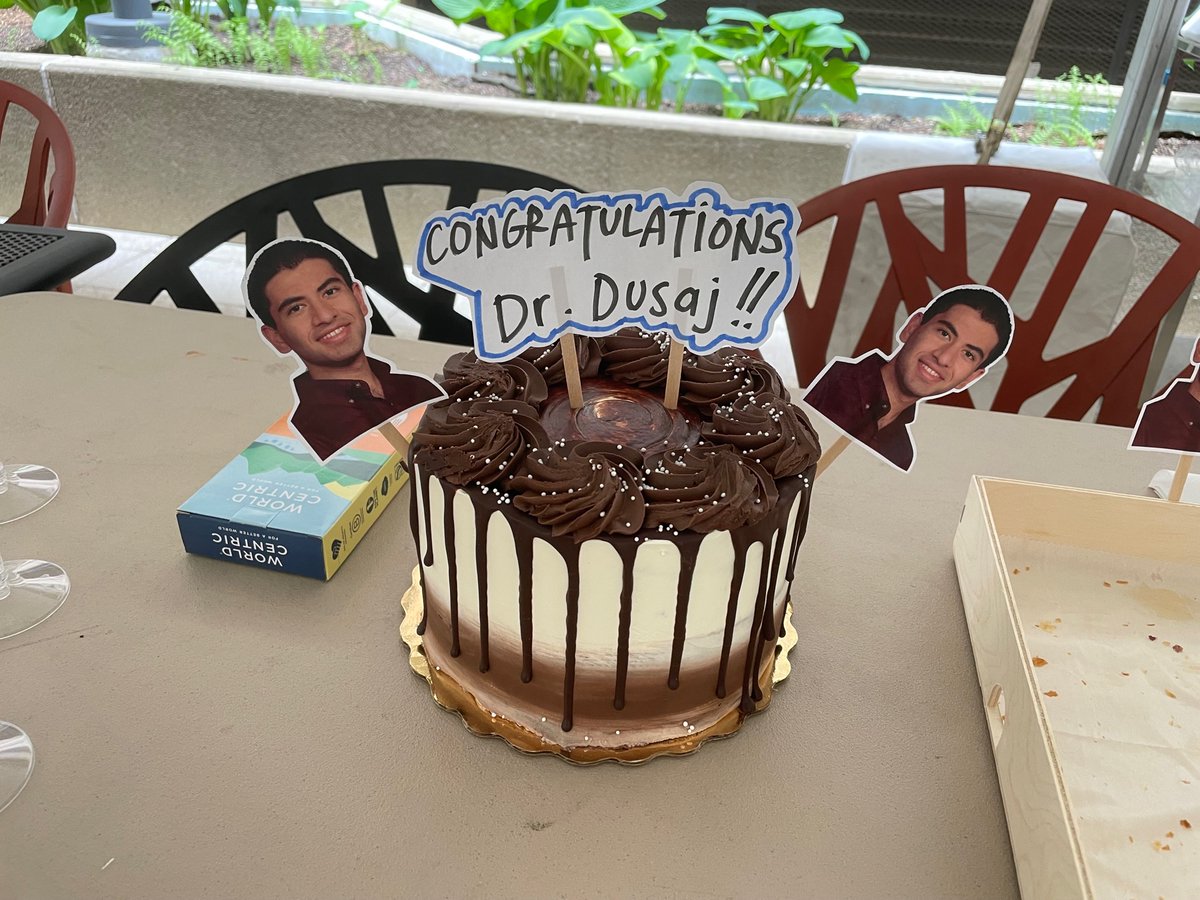
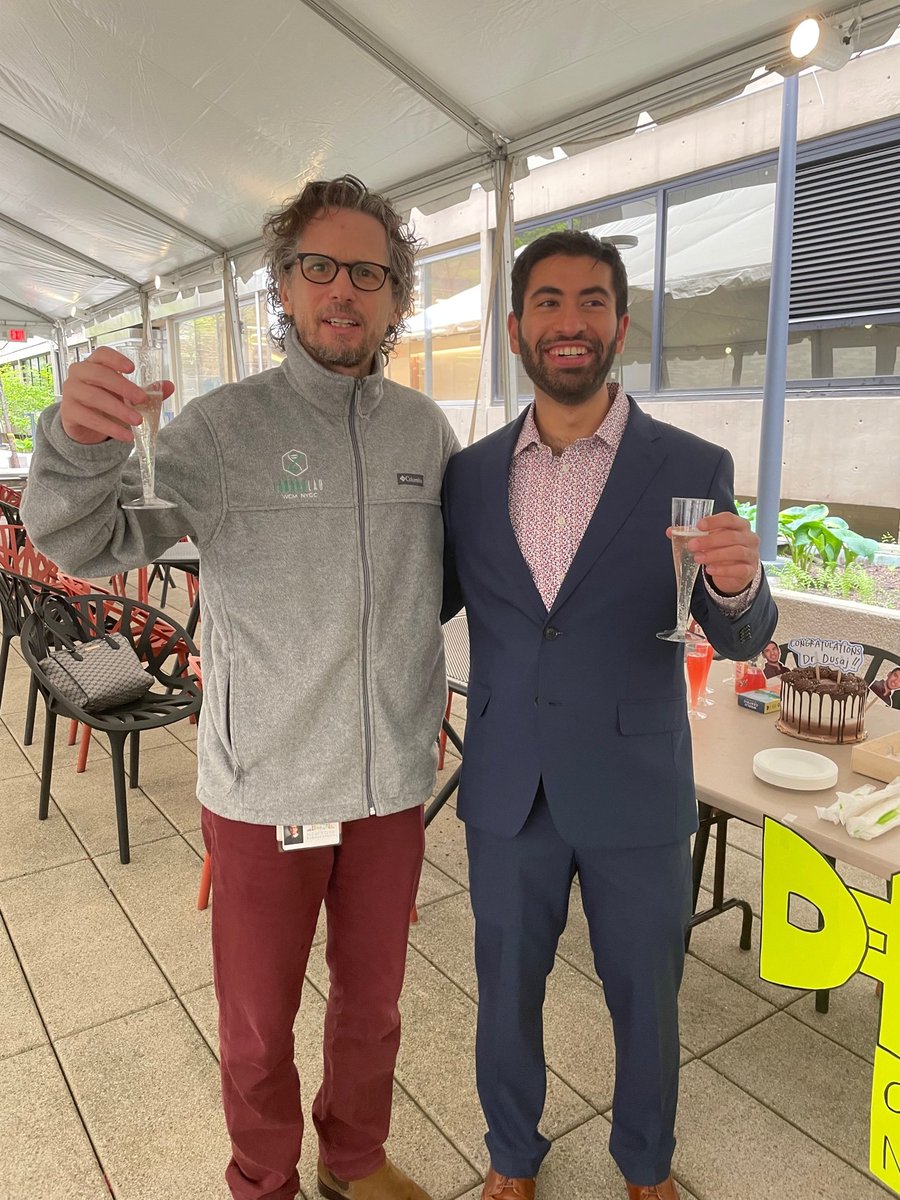
it finally happened! utmost thanks to Dan, @FrancoIzzo85, & both past and present members of the @landau_lab for all of the guidance, support, and encouragement along the way. 🎉🍾🥳
A mind-blowing paper has come out today in @Nature
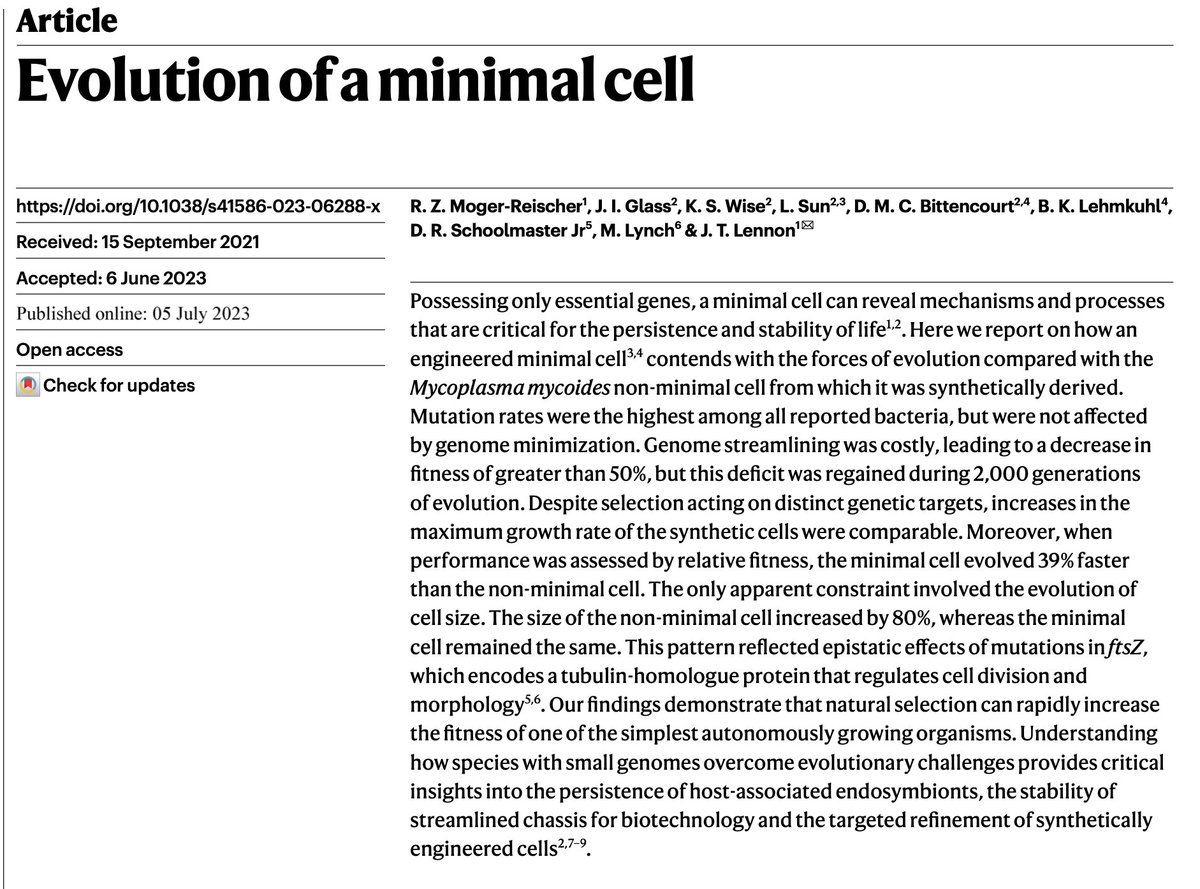
In 2016, JC Venter Institute scientists trimmed a bacterial genome to its barest minimum required for life to synthesize what they called a "minimal genome" (https://t.co/Rk8oZJ0bUj).
Today, a group of scientists from Indiana University reports how that minimal genome evolved over 2000 generations in comparison to the non-minimal genome.
The authors found that even when you reduce a bacterial genome to its absolute minimum where every nucleotide matters, the genome undergoes mutational events generation after generation as much as the non-minimal genome. One simply cannot stop the evolution.
Just over 300 days of evolution (equivalent to 40,000 years in humans) the minimal cell has gained everything it lacked in fitness on day one in comparison to the non-minimal cell.
When comparing the evolved traits between the minimal and non-minimal cells, the scientists found something striking. The evolutionary process increased the cell size of non-minimal cells but not that of the minimal cell. But that is not the striking part.
The scientists were able to identify the key mutation that resulted in cell size evolution. And it turned out that the mutation that helped the non-minimal cells to grow bigger is the same that helped the minimal cells to stay smaller. Growing bigger had a survival advantage for non-minimal cells and not growing bigger had a survival advantage for minimal cells. So, the mutation had a context-dependent effect. This just demonstrates that the evolutionary effects on traits have no absolute direction. All that matter is what is beneficial for the organism's survival.
The conclusion of the paper is metaphorically a quote from the Jurassic Park movie:
“Listen, if there’s one thing the history of evolution has taught us is that life will not be contained. Life breaks free. It expands to new territories, and it crashes through barriers painfully, maybe even dangerously, but . . . life finds a way". (https://t.co/UlxRlb86CT)
https://t.co/zA9OAqSoAu
This is the day! NIH announced a common fund initiative for somatic mosaicism!
Super excited to join a absolutely dreamy group of ultra smaht scientists
...be still my beating heart...:)
https://t.co/LarsTVEwsP
Team led by Dr. Dan Landau of @WCM_MeyerCancer has received @NIH grant to study somatic mosaicism, a phenomenon in which organs and tissues develop significant genetic differences across their cell populations.
https://t.co/Ewf0D2W5xd
Excited to share our lab's latest preprint, led by @CXchengxiangQIU, @bethkarenmartin & Ian Welsh of @jacksonlab.
We set out to build a single cell roadmap for all of mouse prenatal development, from single cell zygote to free-living pup.
Preprint: https://t.co/GDS65Qf58X 1/n
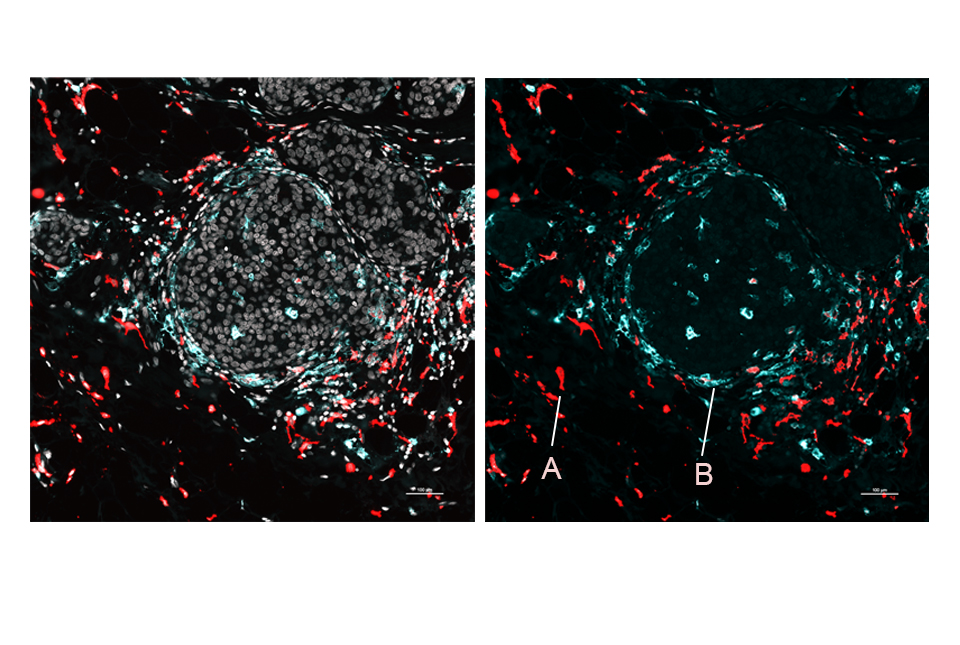
A team led by Dr. Dan Landau (@landau_lab) of @WCM_MeyerCancer uses a new method to map with sharper clarity the gene activity, protein types and locations of cells within organs and tumors.
https://t.co/X19LuLt7iw
Cancer driving mutations are detected across normal tissues. But how do you study their downstream effects if the clonal cells can’t be isolated from the admixed normal cells?
Our work on how we tackled this challenge is out today @NatureGenet! https://t.co/MFBW5BbDug
🧵👇
💃📢¡GoTChA! New pre-print🤯🕺
High throughput single-cell multi-omics platform to jointly capture genotype and chromatin accessibility; charting the differentiation of clonal outgrowths
If you have a moment, would love to tell you all about it 👇
https://t.co/kg5GJPjRgh
Huge congrats to Neville @nevnevv @TriIMDPhD on his beautiful PhD defense! Extra sweet to have the first student graduate from the lab. I guess now we are a *real* lab...:)
🎶It's raining pre-prints, hallelujah! 🎶
Delighted to share our next generation of ctDNA detection through whole genome mutational aggregation
👉MRD-EDGE 👈
With advanced machine learning signal enrichment we went further and deeper than ever before!
https://t.co/0TZFDia4Zc
🥳new pre-print!🥂
Clonal mosaicism is THE frontier in human genetics. But we know next to nothing about phenotypes of mutated cells in humans. Single-cell multi-omics allowed us to link genotype-phenotype directly in primary human clonal hematopoiesis🎉
https://t.co/my1SQvu6K6
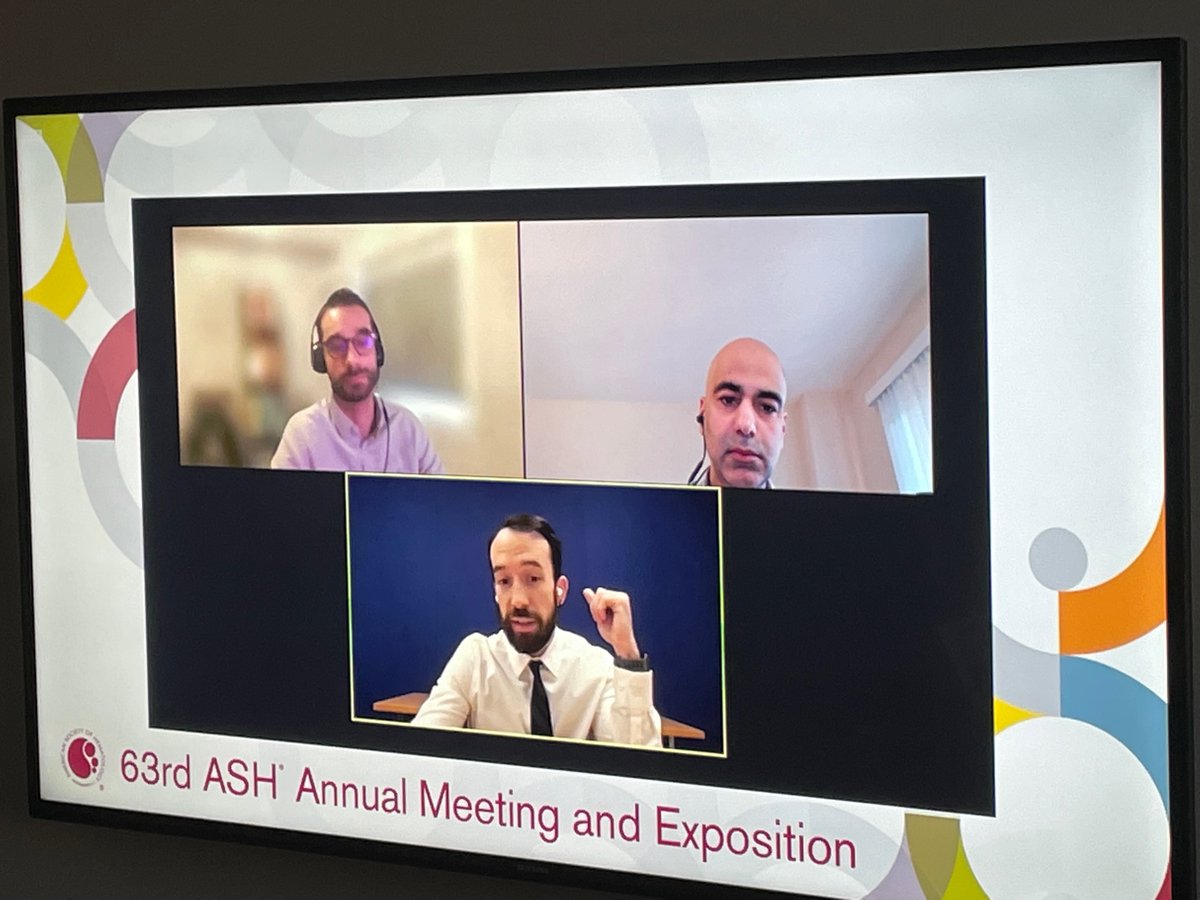
So incredibly proud of Robbie Myers @TriIMDPhD for sticking his landing with a prefect 10 delivery of the gorgeous GoT-ChA work with @FrancoIzzo85
+
@fgaiti moderating for extra fun
check out the abstract and talk at https://t.co/rpT7dd1eMD