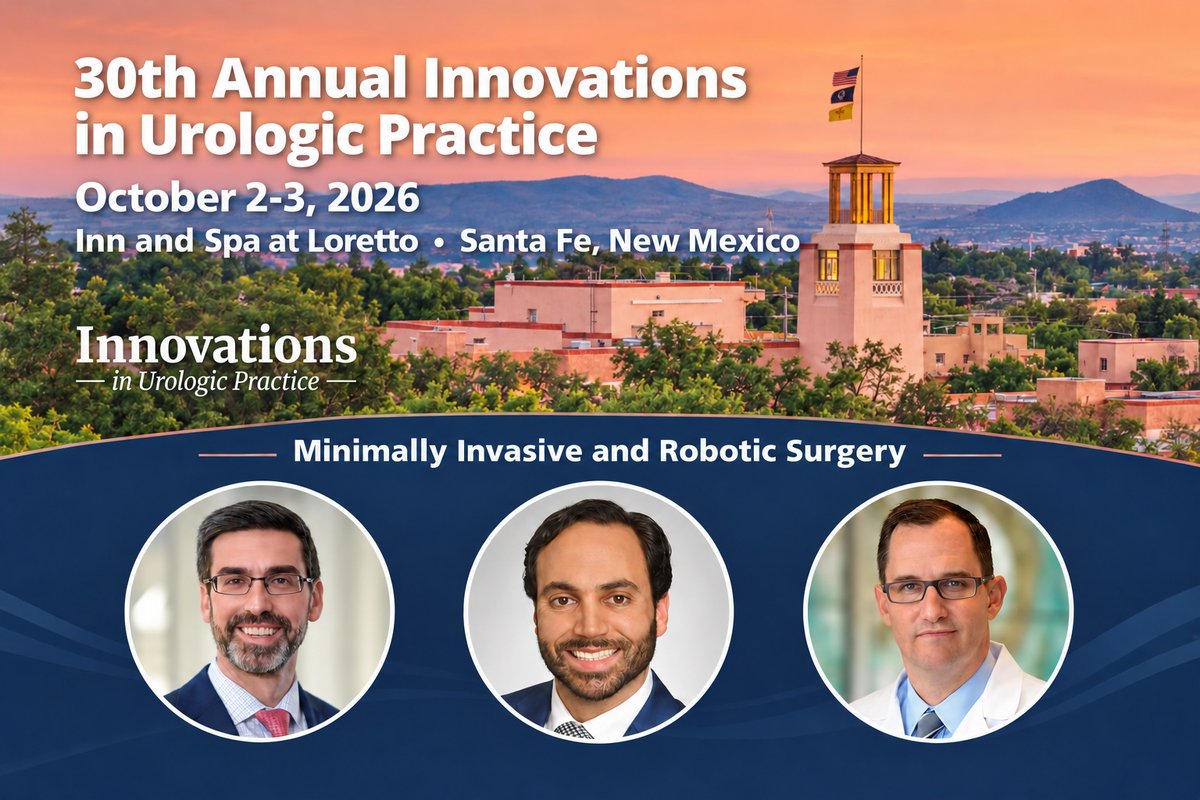
Carlton-Smith Endowed Chair of Urologic Education, Professor of Urology, Director Div of Endourology and Minimally Invasive Surgery, Baylor College of Medicine.
Circumnavigating the globe. I'll share insights on minimally invasive surgery, from straight-stick laparoscopy for right donor nephrectomy to regionalized single-port robotics. It’s a privilege to learn from international colleagues who bring different perspectives to the same surgical challenges.
Can a single port redefine what's possible in robotic urologic surgery?
Join us on November 2 at 8 PM ET for “One Port, Zero Compromise,” featuring Dr. Richard Link (@RoboDocX) and Dr. Akhil Saji (@asajimd), moderated by Dr. Matthew Bobel (@MattBobel). Explore how single-port robotics is expanding surgical possibilities and shaping the evolving landscape of minimally invasive urologic procedures.
Gain valuable insights from experienced surgeons and discover the techniques, challenges, and opportunities behind this innovative approach. Don't miss this expert-led discussion!
This webinar is sponsored by @IntuitiveSurg.
Event Link: https://t.co/aoo4xdqc6W
#SurgeOn #Urology #RoboticSurgery #SinglePortSurgery #SurgicalEducation
Nice job keeping your cool during that! Venous pressure on the right side can be more troublesome than the left. Looping the vein if you aren’t planning to clamp it can be helpful. You can pull up on the loop quickly and if dramatically better just drop a second clamp on the vein with little delay and a less stressful resection. I’m not a big proponent of vein clamping but sometimes it’s the easy way.
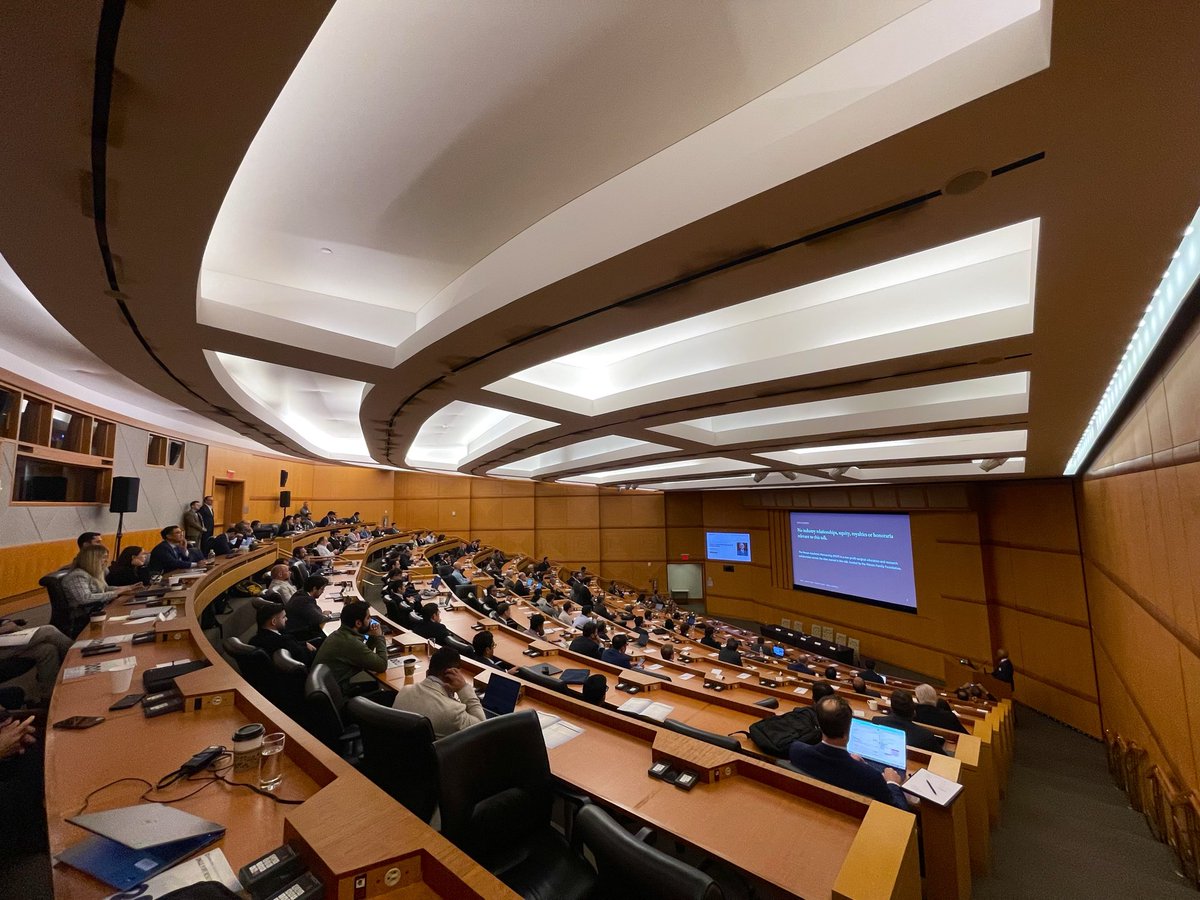
Cleveland Clinic Annual Single Port Robotic Surgery Course brought together more than 200 attendees and world leading experts.
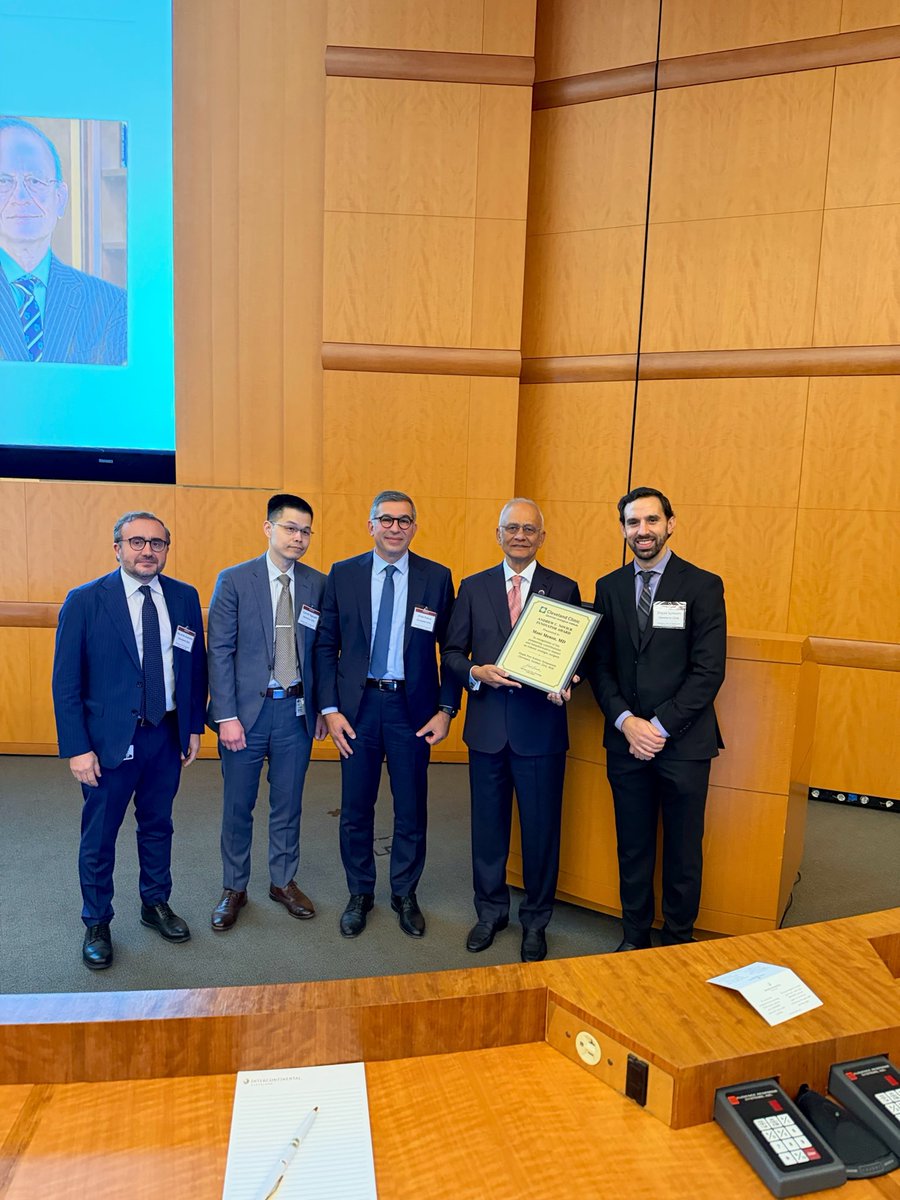
We were honored to recognize Dr. Mani Menon as the inaugural recipient of the Andrew C. Novick Innovator Award.
Thank you to everyone who contributed!
I certainly agree! SP surgery isn’t about port count under any circumstances - it’s mostly about regionalization, efficiency and low morbidity port location. With that said, the right tool/technique for the right job is always the best plan.
@RoboDocX Honest choice. Port count is a means, not the goal. The right platform is whichever lets you control the hilum and close the defect without heroics. Nephron-sparing is a fair test of that: the kidney doesn't care how many holes it took.
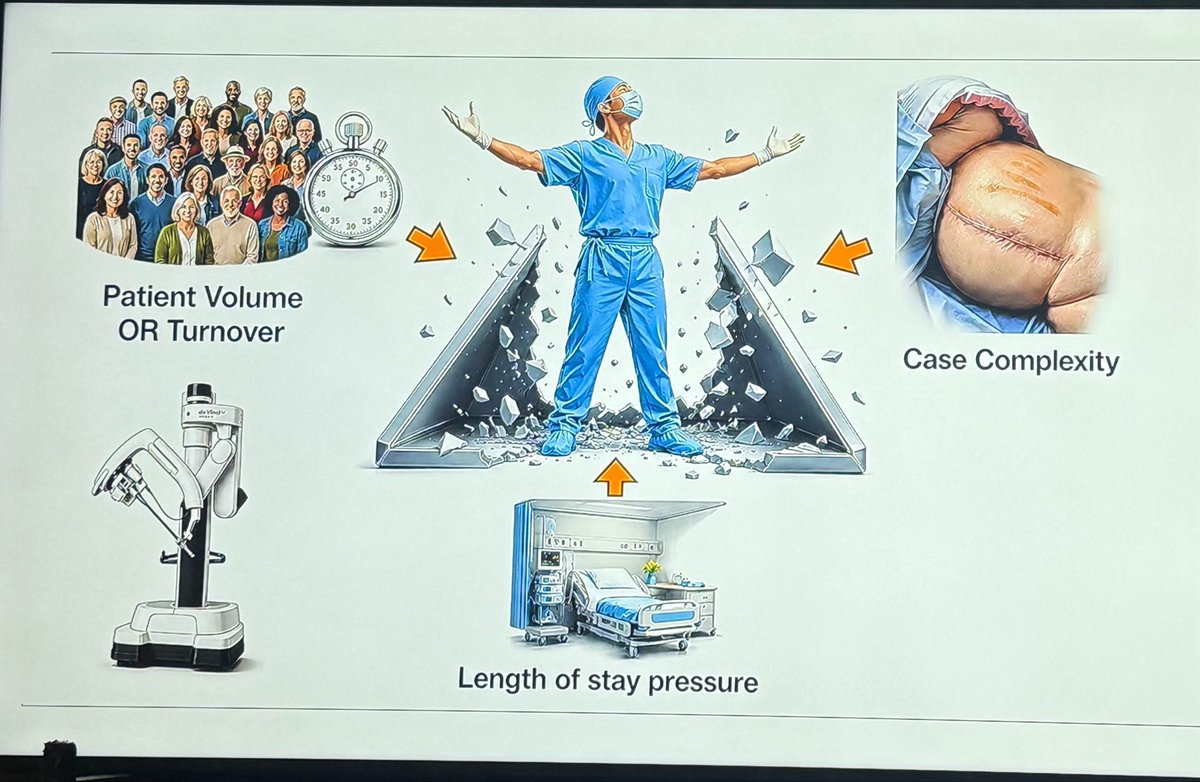
@RoboDocX always insightful slide. Pressure from hospital-pressure to be innovative- pressure on our practice.
When the pressure cooker of surgery builds choose wisely. #SPARC
Single port robotic surgery for Reno vascular disease. Always impressed with the creativity of @moeltemamy@CleClinicUro! So many insights into Nutcracker Syndrome in a 10 min lecture. Wow!
The idea of an intelligence explosion caused by recursive self improvement has been around for a long time but until very recently it did not seem imminent. Now many leading researchers think it may happen quite soon. You can read our paper about it here:
https://t.co/sgUpugjpRY
@AhmedINazer@md_eun 100% agree with you on massive ADPKD kidneys. Having done those cases for 25 years both lap and robotically - it’s one of the only cases I still almost always prefer lap. But unfortunately (or maybe not) lap skills and experience in US trainees continue to diminish.
I think we have to differentiate between “objectively better” and “surgeon preferred.” Despite doing almost everything else robotically, I still prefer single site lap for donors and MP lap for massive ADPKD kidneys. Regionalized single site robotics also is shaking things up converting inpatient cases to outpatient regionalized surgery. Right tool for the right job in the right hands is what’s critical.
Looking forward to moderating a fascinating session today exploring exciting and challenging topics in endourology and robotic surgery with colleagues Wesley Mayer, MD and @TheMobotMD.
Highlights include SP regionalized adrenalectomy; Endoscopic challenges in kidney transplant recipients and Technical frameworks for reconstruction of endophytic renal tumors.
Keeping your mind as sharp as your scalpel.
@bcm_urology
https://t.co/fdJ8zy8LOO
For years we were reluctant to offer symptomatic patients with ADPKD laparoscopic or robotic decortication due to perioperative morbidity. Traditional lap or robotic transperitoneal ADPKD decortication was associated with ileus and severe peritoneal irritation due to cyst fluid spillage. Today, regionalized decortication via single-site low anterior robotic access changes that equation for the better.
#SP #ADPKD #polycystickidneydisease #decortication
@IrcadFrance This is exciting stuff. Having had the privilege of teaching SP surgery at IRCAD in Strasbourg in the past, I was extremely impressed with the organization, facilities and people. This is a model well worth replicating!
So just to clarify, we did not do a nephrectomy in this case. We did a relatively complete retroperitonescopic decortication as this patient had quite well preserved renal function but was very symptomatic. This has not been reported or discussed very much within the SP community as far as I know. For nephrectomy of massive ADPKD kidneys, which I do often, I generally do those cases with transperitoneally laparoscopy. I have found robotics adds relatively little to those specific cases and can add some additional technical challenges but your mileage may vary.