ArcFast 2.0 is live.
We started with a simple fasting timer: start the window, see your progress, stay consistent.
Now ArcFast also helps with the other half of the habit: what happens when the eating window opens.
New in 2.0:
• scan a meal from a photo
• get a clear calorie estimate
• see protein, carbs, and fat
• review your calorie + macro history over time
• one free scan per day, with Premium for more
Still no ads in the core fasting timer. Still no noisy feed. Still built around the idea that a health app should stay useful without making you feel watched, judged, or trapped.
Estimates are estimates — food photos are not lab equipment — but they are useful when you want a quick read without manually typing every ingredient.
ArcFast 2.0 is available now on the App Store:
https://t.co/1thsHIqS4S
A study identified vitamin D as the most effective of 1000 compounds in protecting arterial lining tissue. It works as an anti-inflammatory, stabilizes plaque, helps prevent rupture, and can reduce blood pressure via nitric oxide.
Dr. Eric Berg, DC, not MD; information only
If you forget to start the timer, the app should let you backfill the truth. The goal is a useful record, not a tiny courtroom where your memory gets cross-examined.
A calorie app should have a “rough but honest” mode for travel meals: airport salad, vegan bowl, mystery sauce, close enough to learn from. Precision cosplay helps nobody.
@Destinysuxsu If you want simple: Zero and Fastic are common, but they can feel bloated. ArcFast is worth trying if you want a no-ads core fasting timer, and v2 also has rough photo meal estimates for calories + protein/fat/carbs: https://t.co/cP8enVSHsX
A fasting plan does not fail because Saturday exists. The useful timer is the one that lets real life happen, then helps you restart without turning brunch into courtroom evidence.
“Just use the iPhone clock” is not an insult. It is the bar. A fasting app has to beat a rectangle that counts down and minds its business. Tough opponent, honestly.
@NutritionistsUg Especially because timing changes behavior before nutrition math does. A consistent eating window makes late-night grazing less automatic, and pairing it with protein/fiber in the window can make fasting feel less like willpower.
Myth: a fasting tracker needs to judge every missed target. Better: record what happened, help you notice the pattern, and stay quiet unless it has something useful to say.
Nutrition labels are not homework, but they are clues. Serving size, added sugar, fiber, sodium: four boring fields that can explain a meal better than one lonely calorie number.
Myth: more notifications means more accountability. Sometimes it just means your health app learned to nag. The useful nudge is the one you would not mute by Wednesday.
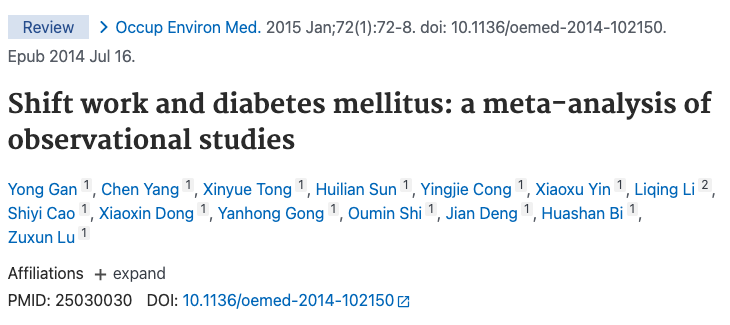
Artificial light exposure at night increases risk of diabetes.
-Mechanisms:
• Cortisol elevation raises blood sugar.
• Blue light impairs cellular glucose metabolism.
It's not just diet and exercise.
Light matters too.
Food-image AI has improved at recognizing food, but portion size is still the messy suspect. The honest app asks better questions instead of wearing a lab coat made of guesses.
@vivevevici That first meal after the eating window opens matters more than people think. Protein + fiber first usually makes the rest of the window calmer — breakfast sandwich can absolutely fit if it keeps the habit sustainable.
If a health app gets breached, “oops” is not a privacy plan. Meal photos, fasting windows, and corrections deserve boring grown-up controls before anything goes wrong.