Nagoya Univ. Prop. and Energy System Eng. Research Group
Sophia Univ. Alum. (ACL), SFT24, Kyklopes
Aspiring to work in the aerospace industry. (EN, JP, KR)
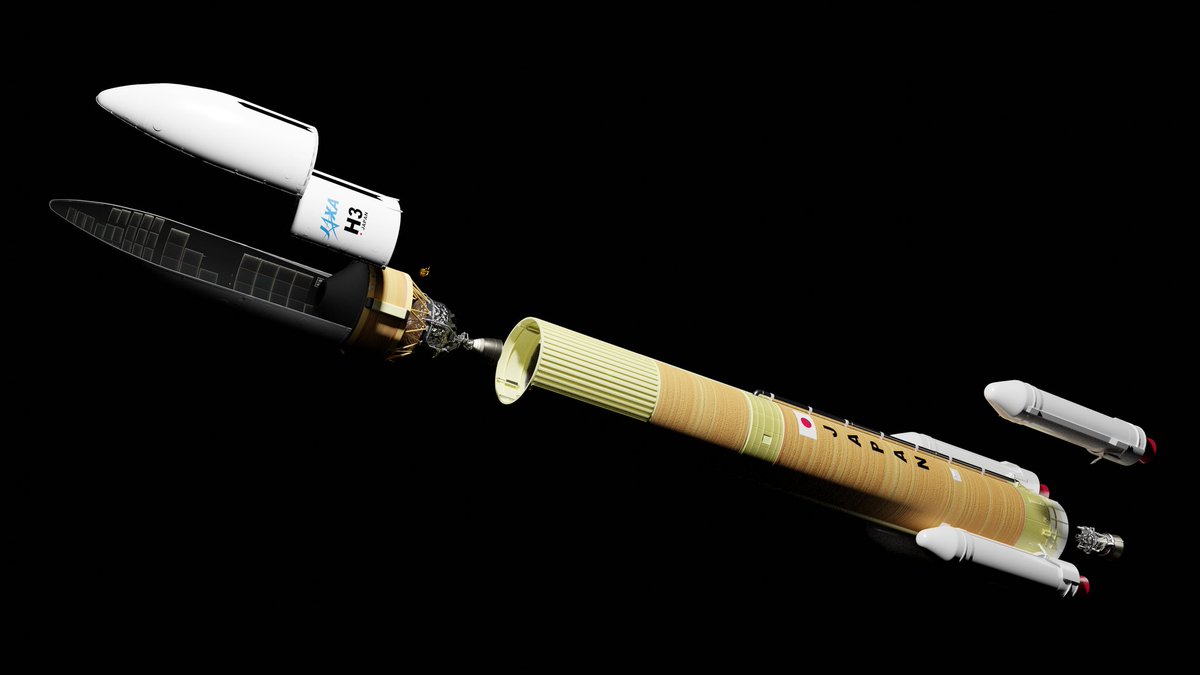
More H3!
An exploded view of H3-24L and the render of an inaugural flight configuration, H3-22S, on the pad.
I was going to try making an animation, but at this moment, it's too heavy for my PC to handle. So for now, I'll take my hand off of this project...
During their lunar flyby, the Artemis II crew enjoyed the rare opportunity to experience a solar eclipse from their Orion spacecraft.
With the Sun hidden behind the Moon, the astronauts were able to analyze the Sun’s outermost atmosphere, also known as the solar corona.
✈️ ANOTHER MILESTONE UNLOCKED: NASA’s X-59 reaches speed, altitude for future quiet supersonic flight testing!
NASA's X-59 experimental aircraft achieved a major milestone June 12, reaching Mach 1.4 (about 924 mph) and an altitude of 55,000 feet – its fastest and highest flight so far, and the conditions required for future mission-critical tests.
These flights are focused on performance, the quiet flights are coming soon. After acoustic validation, NASA’s Quesst mission will fly the aircraft over several U.S. communities 🏘️ to collect data on public perception of the quieter sonic thump the aircraft will make at supersonic speeds. 🔊 ✈️
Learn more: https://t.co/5qhgOsSpBW
#NASA #X59 #Quesst
We will hold a media teleconference at 11am ET on June 17 to preview the Katalyst Space mission to boost the orbit of NASA’s Neil Gehrels Swift Observatory. Learn how to listen in: https://t.co/mu6x0jmqUF
Getting ready to fly.
Pegasus and our L-1011 are cleared for the next phase as we prepare for the @NASA Swift Observatory rescue mission. A unique launch system. A unique mission. One step closer to flight.
NASA’s X-59 just cleared a huge milestone with its first supersonic flight. Next up: the first mission conditions flight at Mach 1.4 and an altitude of 55,000 feet, key for future community overflights.
Bonus: You can follow the upcoming flight live on NASA’s flight tracker.
Follow the Quesst blog for what’s coming next in the mission!
🔗: https://t.co/XRadFOf4zS
THIS IS AURORA
✦ Mach 3.7
✦ 100 km altitude
✦ Up to 127 seconds of microgravity
✦ Runway takeoff and landing
✦ Four-hour turnaround
#suborbital#spaceplane#aurora
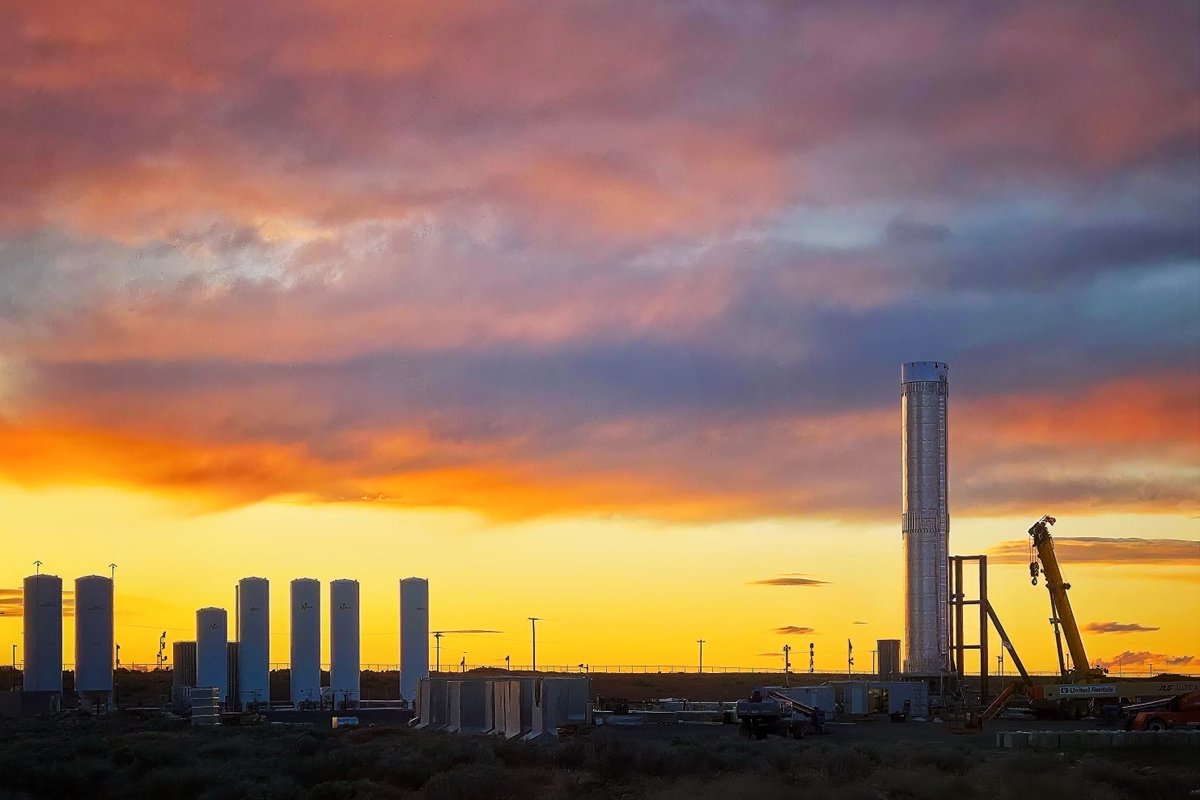
The sun has set on our Stage 1 structure's time in Moses Lake, but it will soon rise over our launch site in Cape Canaveral.
No one said the road to launch was easy, but it sure is a pretty ride. 🚀🌅
Read our blog to learn more about the proto-qualification campaign: https://t.co/TFKfrM2n2B