We’re accelerating progress on Sentinel, America’s next generation intercontinental ballistic missile. With the @usairforce, we’re advancing missile and infrastructure development – bringing this critical capability closer to deployment with each milestone and continued focus on execution at speed.
Once in orbit, our Attitude Control Motor has done its job. As the largest controllable solid rocket motor and the only one rated for human spaceflight, it's designed to provide peace of mind and get astronauts away from danger during a launch, if needed. Here is its view as the Artemis II crew departed for their lunar flyby.
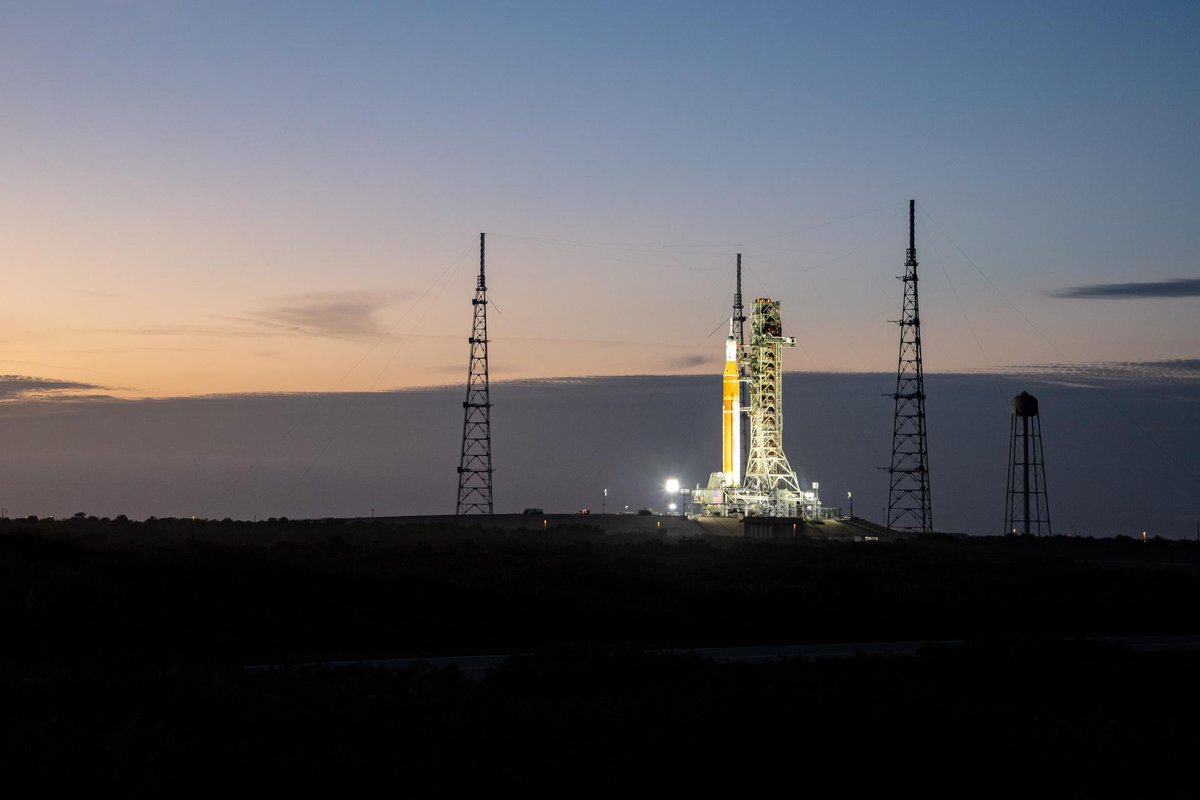
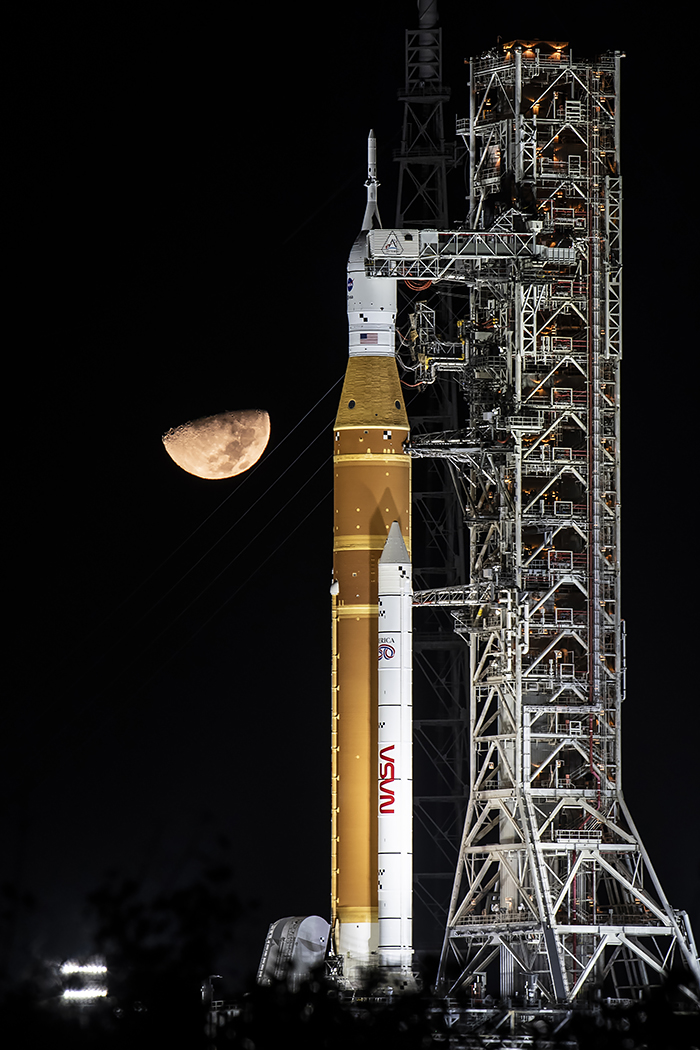
Our "wet dress rehearsal" for Artemis II is underway at @NASAKennedy!
Watch our static feed as teams practice fueling the rocket and conduct a simulated launch countdown as we prepare for the real thing: https://t.co/4iEhNgfQb3
Real-time Artemis updates: https://t.co/40PMWktQjO
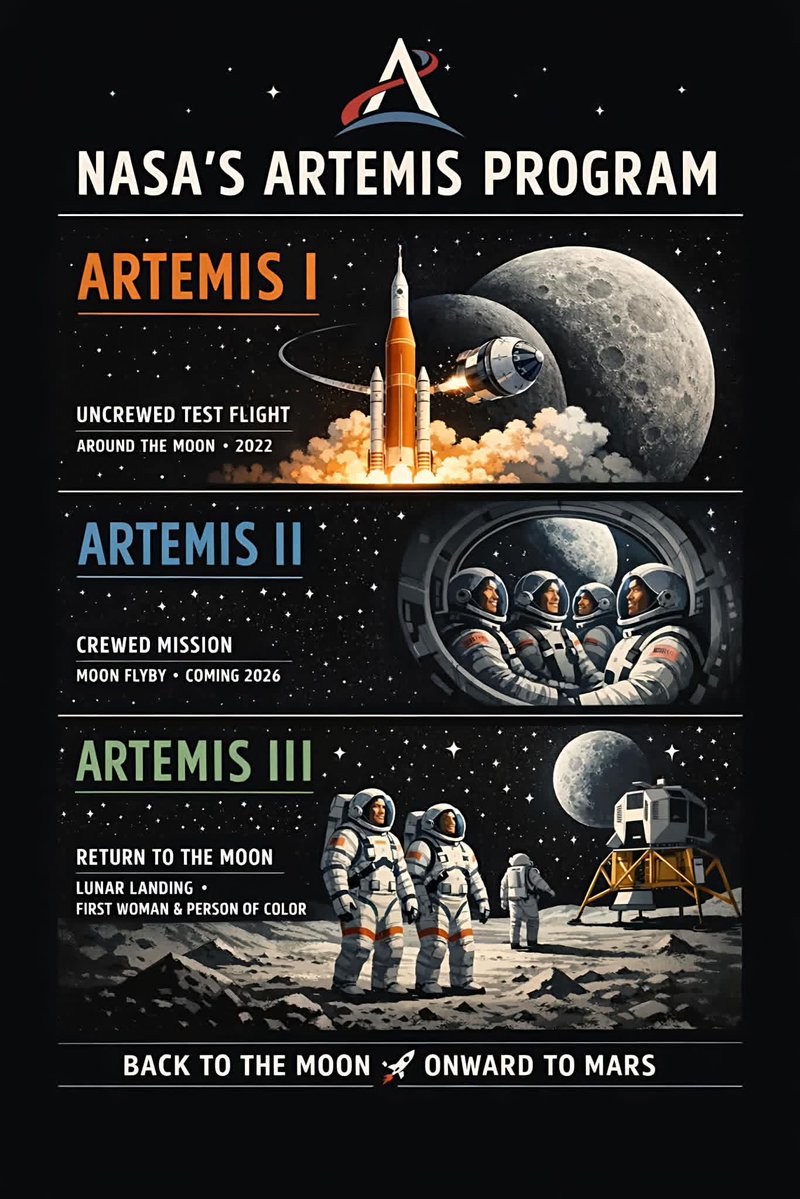
The Artemis program isn't just NASA's next chapter—it's humanity's bold return to the Moon and the first real steps toward making Mars our next frontier. Here's the thrilling progression, mission by mission:Artemis I (November 2022)
The roar that restarted deep-space dreams.
Uncrewed but carrying the hopes of a generation, NASA's mighty Space Launch System (SLS) thundered off the pad, propelling the Orion spacecraft on an audacious 25-day odyssey: a distant lunar orbit farther than any human-rated vehicle had gone in half a century, then a fiery plunge back through Earth's atmosphere.
Orion's heat shield endured blistering reentry temperatures, the SLS proved its raw power, and every critical deep-space system—from life support precursors to navigation—passed with flying colors. No crew, but the hardware screamed: We're ready for humans again.
Artemis II (target: 2026)
The first humans back beyond low Earth orbit since Apollo 17.
Four astronauts—two Americans, one Canadian, one European—will strap into Orion for a heart-pounding lunar flyby. No landing, but they'll streak past the Moon at blistering speed, venturing farther from Earth than any crew in over 50 years.
This mission is the ultimate shakedown cruise: proving humans can live, eat, sleep, navigate, and work safely in the harsh radiation and isolation of cislunar space. Every heartbeat, every maneuver, every comms check is data for the landings to come.
The crew will see the Moon up close, Earth as a fragile blue marble—and feel the weight of history as they push the boundary of human exploration farther than ever before.Artemis III (target: late this decade)
Boots on the lunar surface. Again. But better. Different. Inclusive.
At the lunar south pole—a region of eternal shadows hiding water ice and scientific treasures—NASA will land the first woman and the first person of color on another world.
This isn't a flags-and-footprints repeat of Apollo. It's the dawn of sustained presence: testing habitats, rovers, power systems, and in-situ resource utilization to extract oxygen, water, and fuel from the Moon itself.
Every step, every sample, every experiment builds the infrastructure for permanent lunar bases—and crucially, hones the technologies, operations, and international partnerships needed to send humans safely to Mars in the 2030s and beyond.From uncrewed proof-of-concept to crewed flyby to boots-on-the-ground exploration, Artemis is rewriting the story of human spaceflight—one audacious leap at a time. The Moon is no longer a destination... it's our proving ground for the stars.
Two of our solid rocket boosters are set to launch @NASA’s Artemis II mission, the first crewed flight beyond the Moon since Apollo!🚀Learn more: https://t.co/IvrX2KtAGV
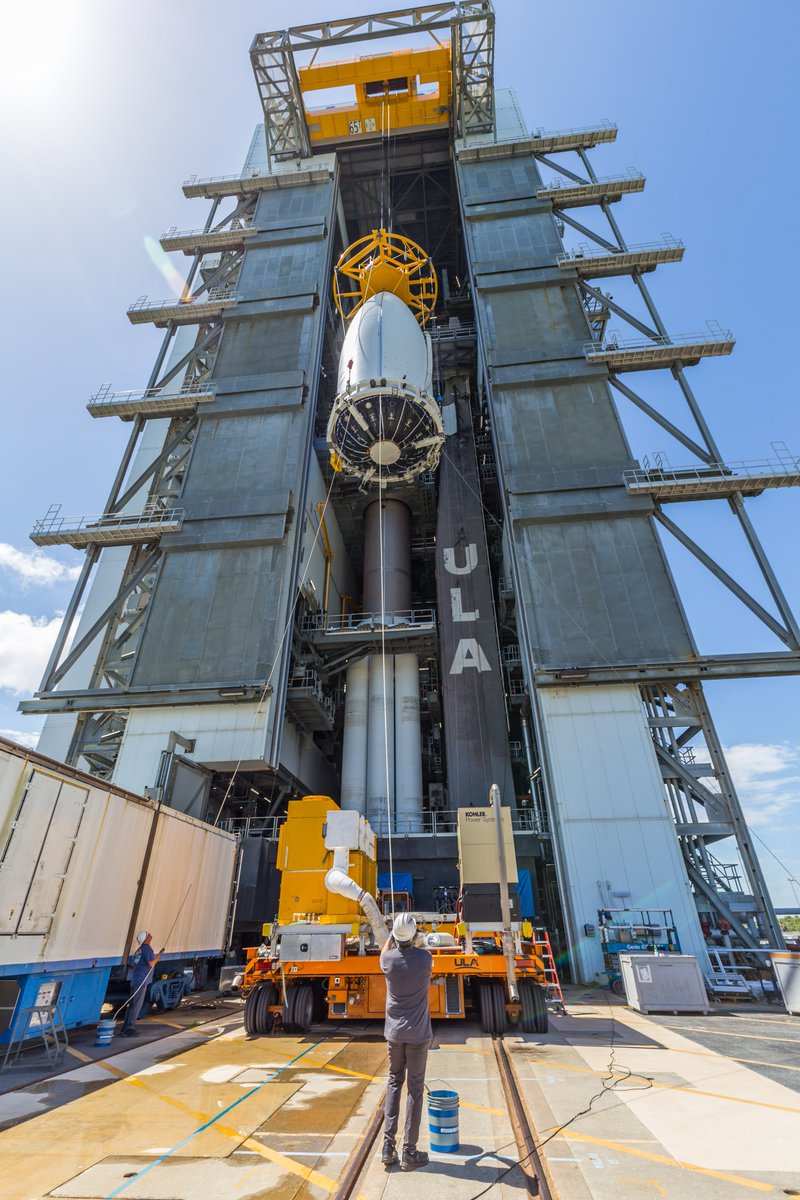
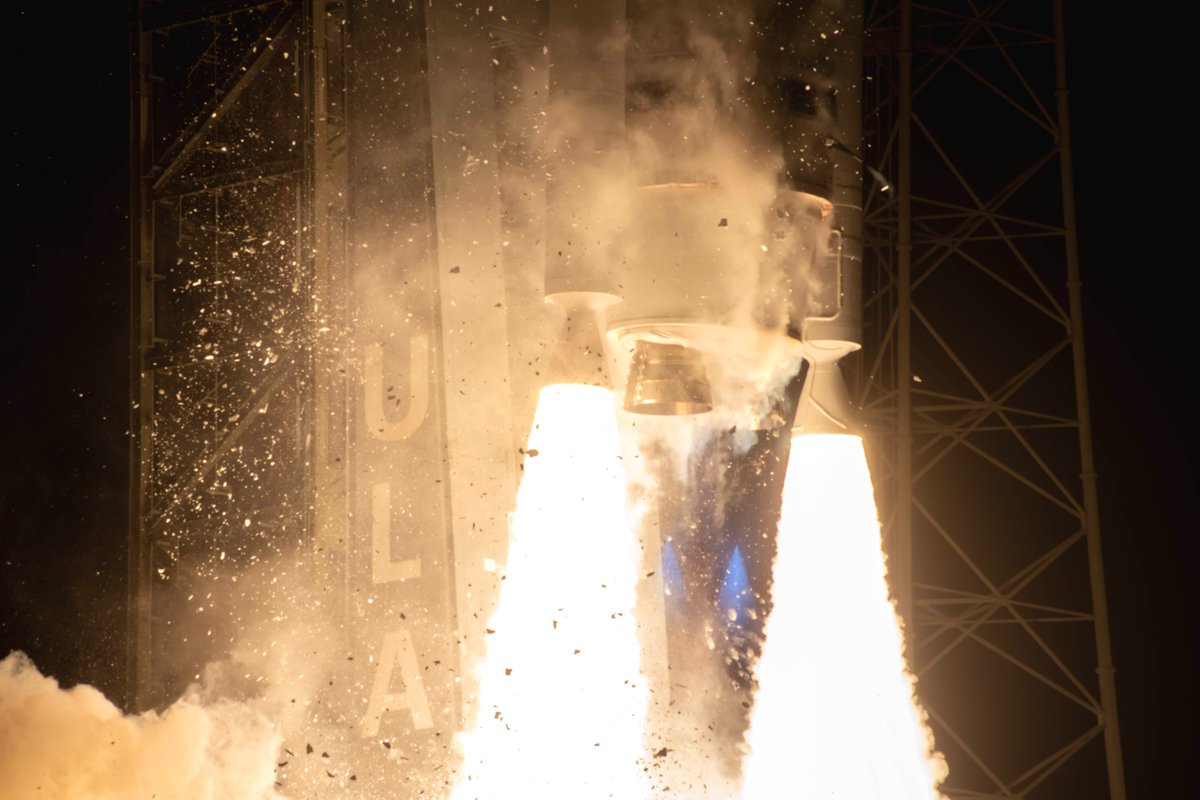
United Launch Alliance is making final preparations for its 100th launch in service to U.S. national security. An #AtlasV 551 rocket will launch #USSF51 for @SpaceForceDOD and @USSF_SSC on July 30 from Cape Canaveral, FL.
Learn more in our blog: https://t.co/zgRSOdiAIQ
The launch of a ULA #AtlasV rocket carrying the #USSF51 mission for the @SpaceForceDoD's @USSF_SSC is scheduled for July 30, 2024 from Space Launch Complex-41 at Cape Canaveral Space Force Station. https://t.co/HvvsExVAKR
We've got Spirit, yes we do, we'll launch Spirit up to you! 📣
The first of two Mars Exploration Rovers, Spirit, launched to the Red Planet #OTD in 2003. Spirit operated for 6 years, 2 months, and 19 days, more than 25x its original intended lifetime. https://t.co/ApXfC8r2ol
Two unique events in one week? 😲
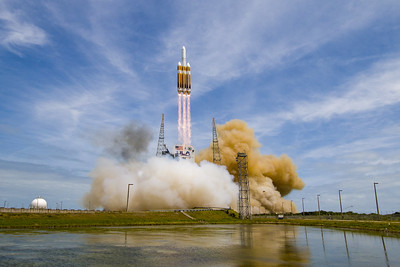
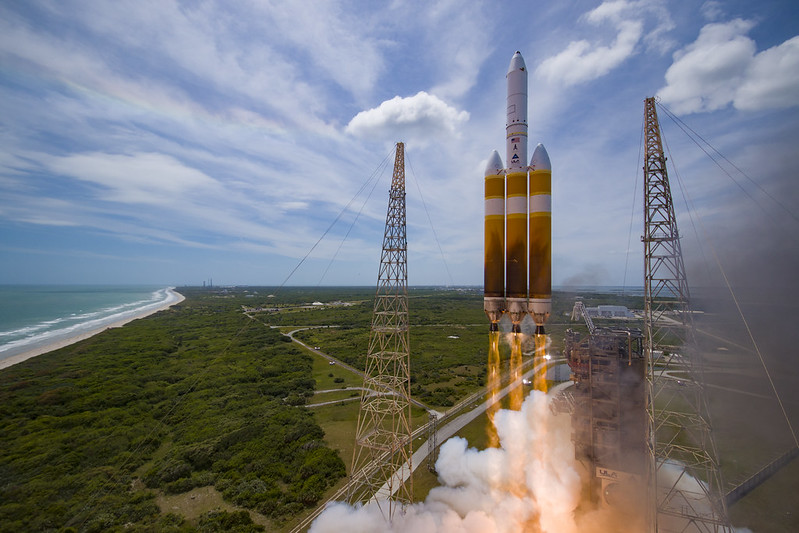
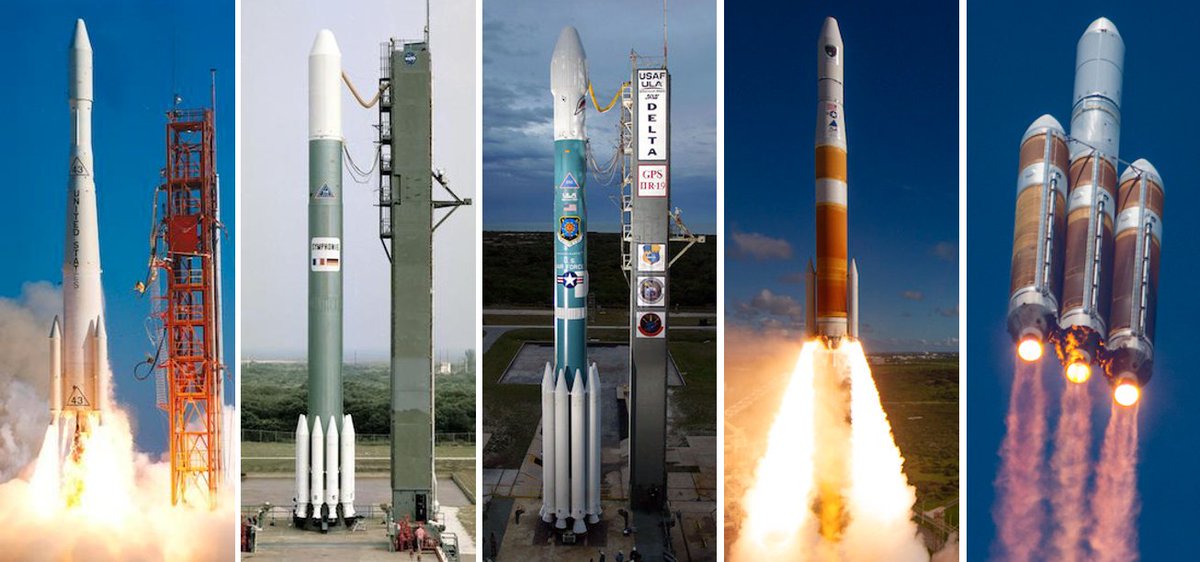
We enjoyed the solar #eclipse yesterday and today at 12:53 p.m. EDT we will watch as #NROL70, the final @ulalaunch Delta IV Heavy ever, launch from Cape Canaveral.
#Eclipse2024
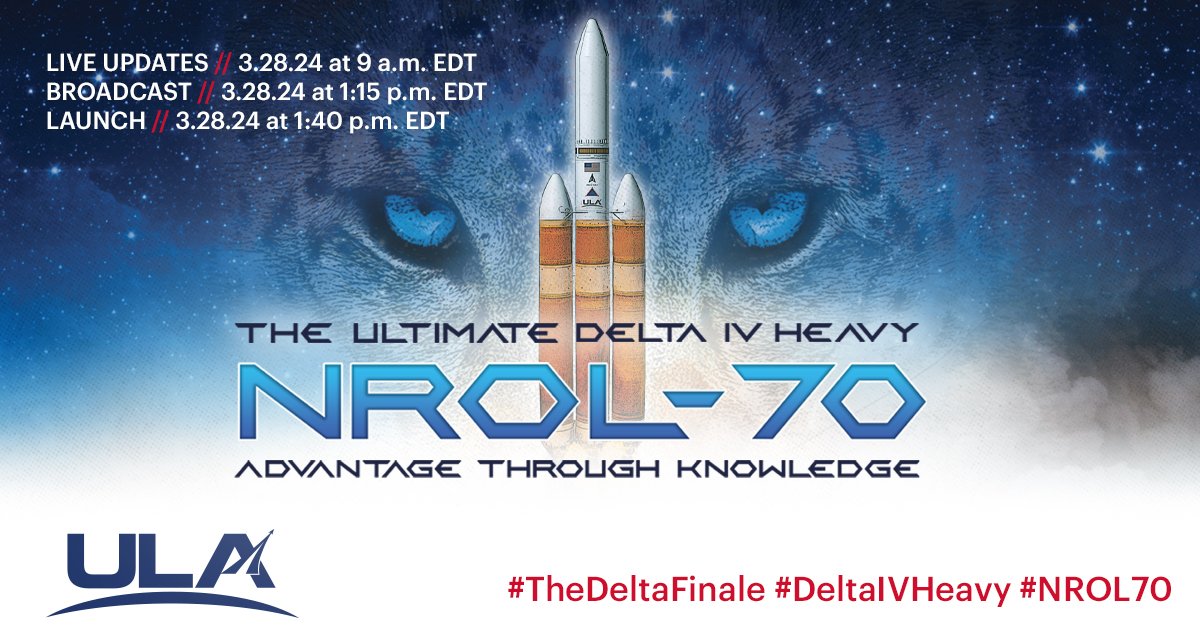
Leadership from ULA, @NatReconOfc and @SpaceForceDOD held the Launch Readiness Review today and gave a unanimous "ready" for Thursday's #NROL70 mission of #DeltaIVHeavy and #TheDeltaFinale. Read more: https://t.co/0ZAppUgxBy
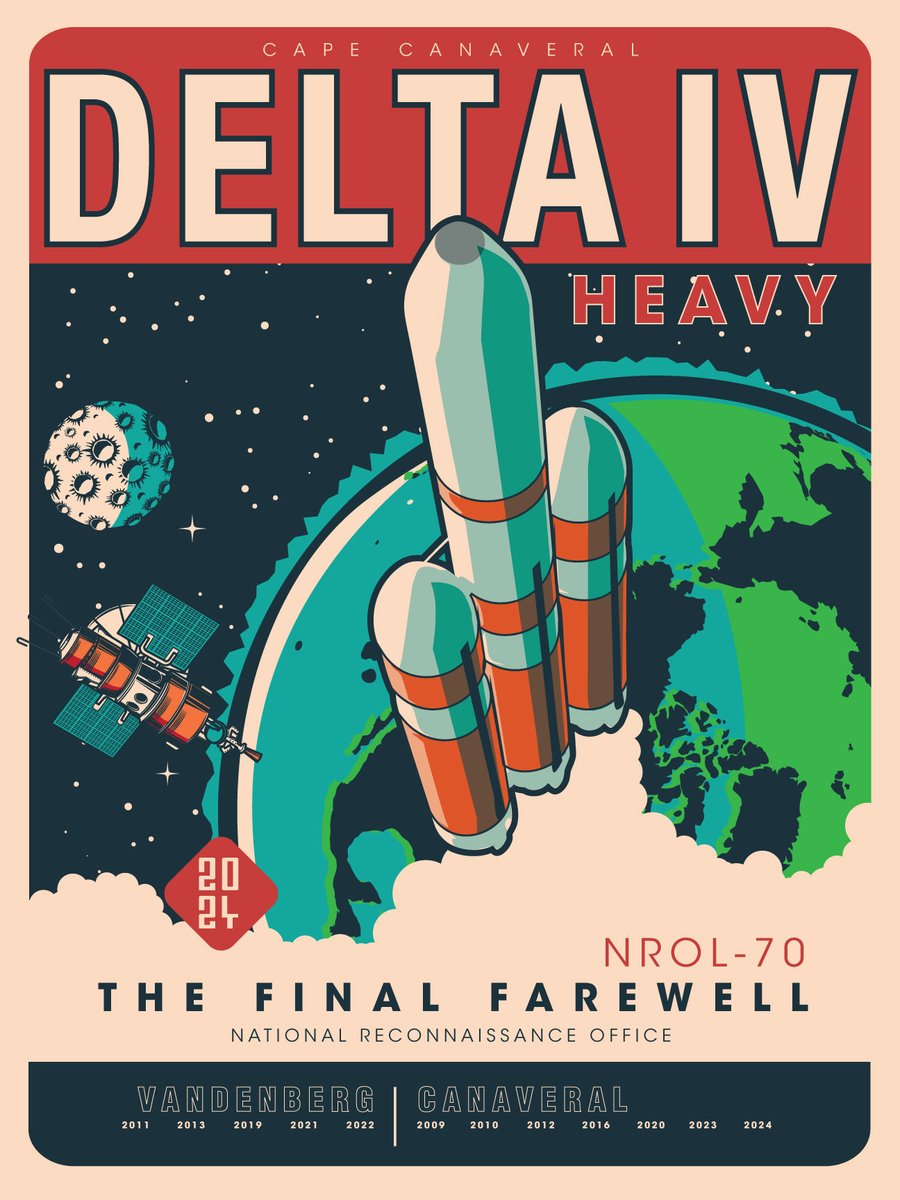
Coming soon: “NROL-70: The Final Farewell." Help us celebrate the final installment in our tribute trilogy to the @ulalaunch#DeltaIVHeavy! Find it on a livestream near you on March 28. 🎬
Don’t worry we’ll bring the popcorn…and tissues.
Download here: https://t.co/5AnVI1e8Xo
As launch preparations continue for #TheDeltaFinale, ULA salutes the generations of current and former Delta teammates who designed, built, assembled and launched this storied family of rockets for the past 63 years.
Learn more about the legacy of Delta: https://t.co/8mK9s0waF1
We are enhancing the capabilities of the world’s most powerful human-rated solid rocket boosters for @NASA_SLS! Development for our Booster Obsolescence and Life Extension boosters are underway. https://t.co/ED9wCLd35U
Providing nearly one million pounds of thrust at lift-off, two of our GEM 63XL solid rocket boosters helped power the inaugural flight of @ulalaunch’s #VulcanRocket and the Peregrine mission today. Learn more: https://t.co/z4n1QvAPWY