It has been extremely inspiring to connect at #DRD24 with colleagues from Austria and beyond. Next level Disaster Resilience Education is coming soon - watch this space 👀
There are no natural disasters.
Calling disasters "natural" suggests we are powerless.
We are not.
We know how to:
👉 reduce exposure and vulnerability.
👉 to improve governance.
👉 take responsibility for protecting those at risk.
➡️ https://t.co/QsbhaELhmq
📚 #IAPS2024Conference · Topics
(Re)discover one of the 6 topics that will be discussed during the IAPS Conference. Any thoughts? Did you send an abstract about this topic? #SocialStudies#ResearchPapers
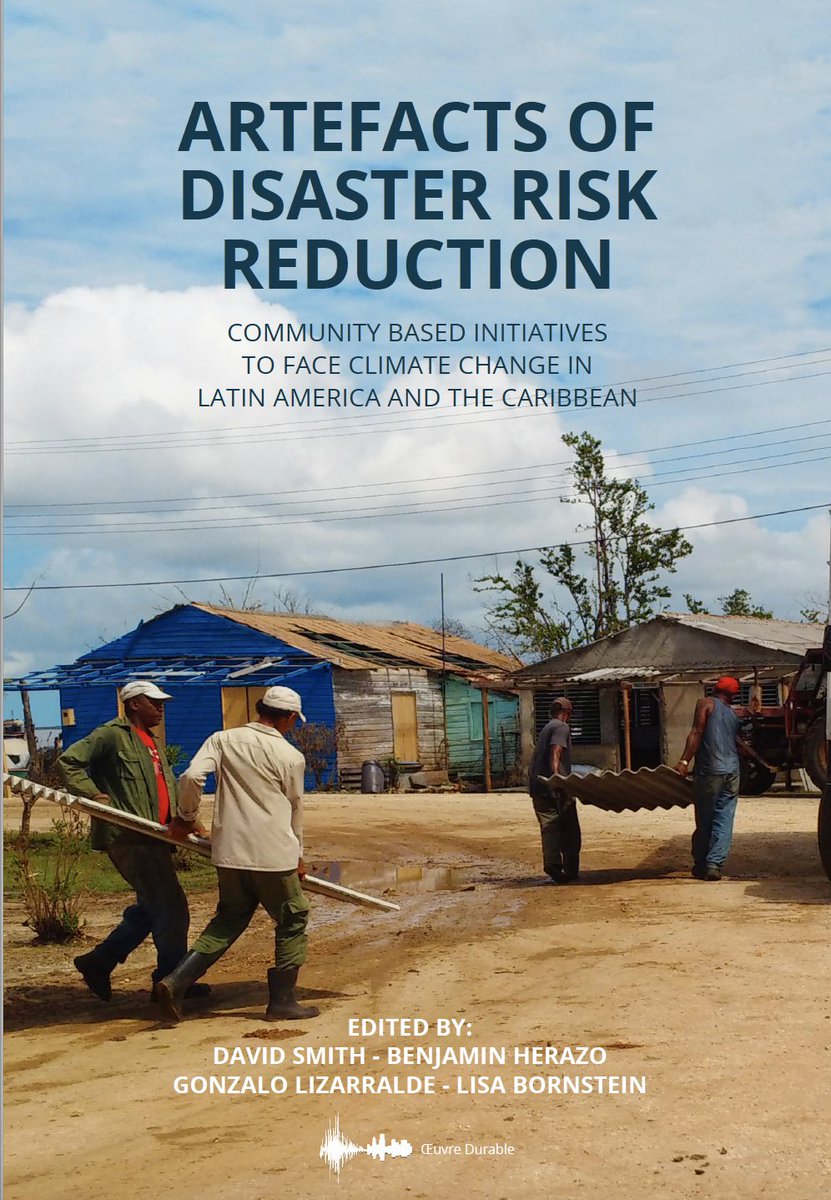
Artefacts of Disaster Risk Reduction is now available in PDF!
https://t.co/GdALKZOBN5
Here we explore how to bridge the gap between inefficient top-down policymaking and the often-neglected capacities on the ground.
@NoNatDisasters@DisastersRadix@IDRC_LAC@IDRC_CRDI
A critique of travel:
🔸 Travel turns us into the worst version of ourselves while convincing us that we’re at our best. Call this the traveller’s delusion
🔸 We go to experience a change, but end up inflicting change on others
https://t.co/zMizPgpwzp
This morning we launched a report highlighting the views of almost 10,000 secondary-school aged young people in the UK towards climate change, based on one of the largest ever surveys of its kind.
Read the key findings here:
https://t.co/L0k1AQMwYy
#DYK you can share job postings with #CIES? Like this one ➡️ The University of Minnesota is seeking an Assistant Professor in Comparative and International Development Education (CIDE). Read more at https://t.co/FxIfaAT3rR #UMN#UMNProud#UMNDriven#NowHiring#academicjobs
On a more critical note: when and for whom do sea walls make sense? They’re an important element of DRR approaches, but often create severe “side effects”. Judge for yourself…
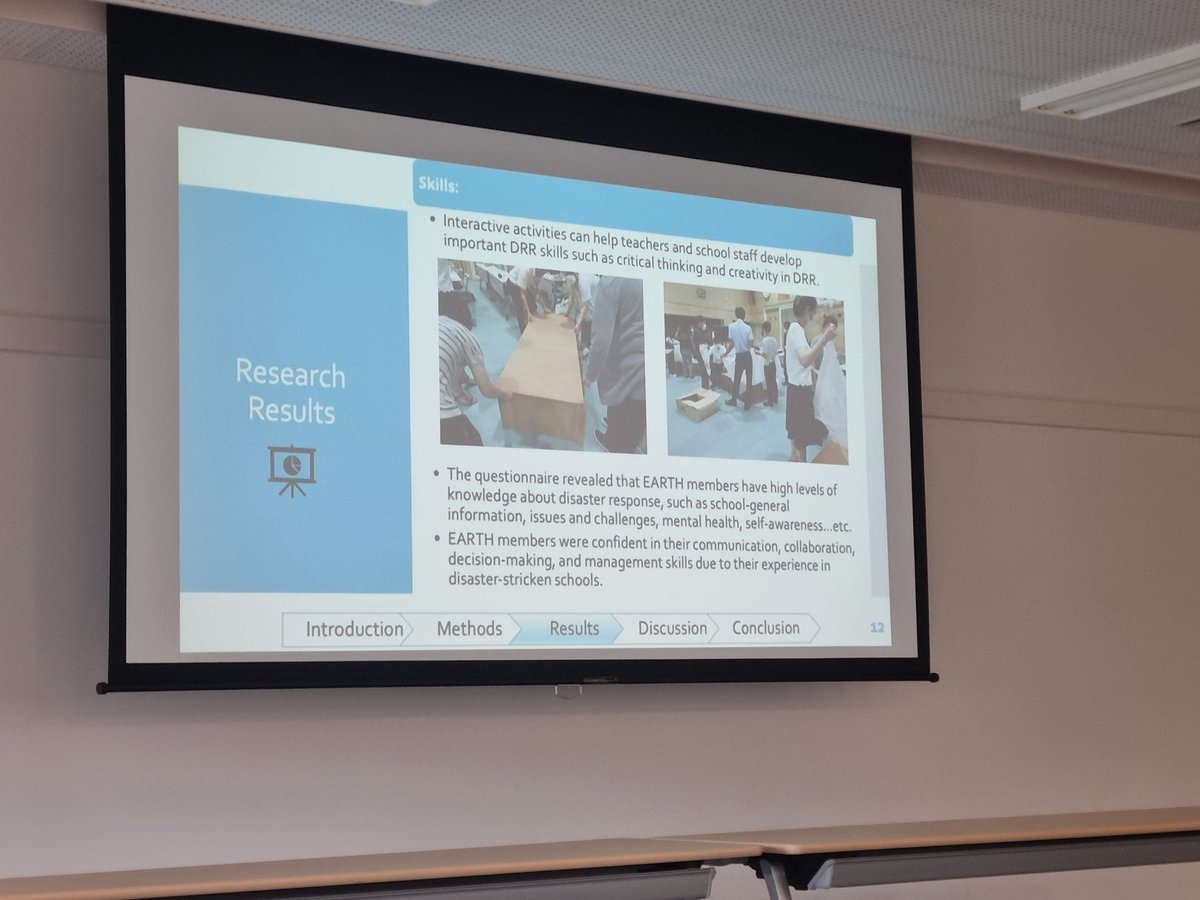
Esmae Maya and @RogerBaars from @KyotoU_News share evaluation of teacher capacity building in Japan. Engaging use of activities to mobilise knowledge for #DRR