Jalen Brunson said, "The one thing that separates great players from good players is their detail."
"They take pride in watching film, watching what they eat, and making sure they're in the best shape of their life. Just to get that edge."
Little details make big differences!
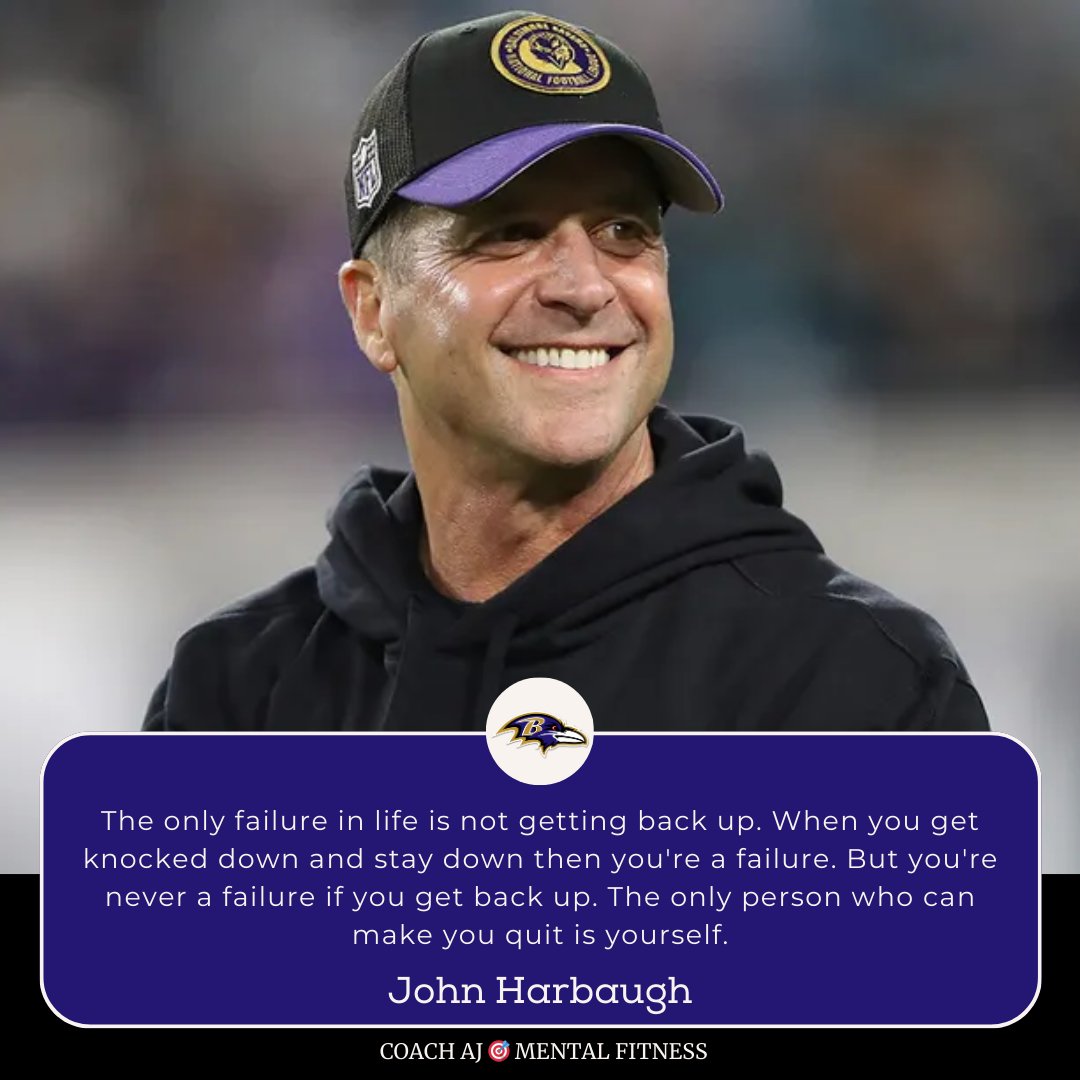
John Harbaugh said, "The only failure in life is not getting back up. When you get knocked down and stay down then you're a failure. But you're never a failure if you get back up. The only person who can make you quit is yourself."
Resilient people and resilient teams know that you build resilience over time. It's a collective mindset.
• It means toughness.
• It means adaptability.
• It means emotional strength.
How to Develop the 7C's of Resilience in Your Team:
1. Competence - Recognize your team's skills and abilities in how they handle stress. Prepare them mentally and physically for how to manage stressful situations. Communicate that there will be challenges and they need to have a plan in place for how to be resilient during those times.
2. Confidence - Confidence isn't static, it's always changing based on your own thoughts, emotions, attitudes, and behaviors. Build belief in your team and its abilities. You build confidence when you feel capable and adaptable to any situation. Encourage feedback and a growth-mindset.
3. Connection - Build relationships and provide support to team members. This means communication, encouragement, and feedback. You can't turn it on only during the tough times. When you create a supportive and open environment, people know that you care and that they can trust you.
4. Character - Your character is what you do. Model the example that you want to set and be a person of integrity. This creates an environment where honesty and accountability are valued and practiced. When tough times happen, people know what you stand for because they know your character.
5. Contribution - Contribution builds connection and resilience because it connects you to your purpose. Encourage team members to engage in community service, group projects, or give back to each other. A team that contributes realizes that there is more to life than one performance.
6. Coping - Coping is about handling stress effectively. Create a plan for how to cope during times of adversity.
• Is your messaging consistent?
• Does the team know how to adapt?
• How are you going to overcome this obstacle?
7. Control - The most resilient people know that you can "only control what you can control." Empower your team by involving them in decision-making processes, setting their own goals, and providing autonomy. This gives them a sense of ownership and responsibility.
Resilience isn't talent or luck, it's your ability to adapt and overcome. It takes adaptability, emotional strength, perseverance, and toughness.
- - -
Follow @coachajkings for more posts like this!
AWS continues to add capabilities to Amazon Bedrock that make it the easiest way to build high quality, low latency, and cost-effective GenAI applications. Today the team announced:
- Custom Model Import, which lets customers easily bring their own models (from SageMaker and S3) to Bedrock to leverage its leading GenAI features, such as RAG, agents, Knowledge Bases (guardrails), inference deployment, and advanced customization to keep teaching and refining models.
- Model Evaluation, which lets customers quickly select predefined evaluation criteria (like accuracy and robustness) and run reports that help them understand which is the best model for them.
- Meta’s new Llama 3 models, now available on Bedrock and can support a wide range of use cases including text summarization and classification, sentiment analysis, language translation, and code generation.
- New Cohere Models, Command R and R+, are state-of-the-art FMs customers can use to build enterprise-grade generative AI applications with advanced RAG capabilities, in 10 languages, to support their global business operations. These will arrive on Bedrock in the coming weeks.
- New Amazon Titan models with Amazon Titan Image Generator (GA today) helping customers produce studio-quality images, at low cost, using natural language prompts (and applies an invisible watermark to help reduce the spread of disinformation)… along with Amazon Titan Text Embeddings V2 model, which reduces storage and compute costs, while out-performing other leading models on text embeddings.
Tens of thousands of customers are already building real-world production-ready GenAI apps and we're excited for even more customers to get started. https://t.co/Xus2QY9ova
Why is having GRATITUDE so important?
- Gratitude kills worry.
- Gratitude destroys fear.
- Gratitude reduces stress.
- Gratitude makes you happier.
- Gratitude makes you healthier.
- Gratitude builds your resilience.
- Gratitude changes your state of mind.
Be Grateful.
Leaders are Competitors.
You cannot lead others on your team if you are not committed, confident, and competing for your team each and every day.
And when your best competitors also lead by example and lead out loud, you have something special.
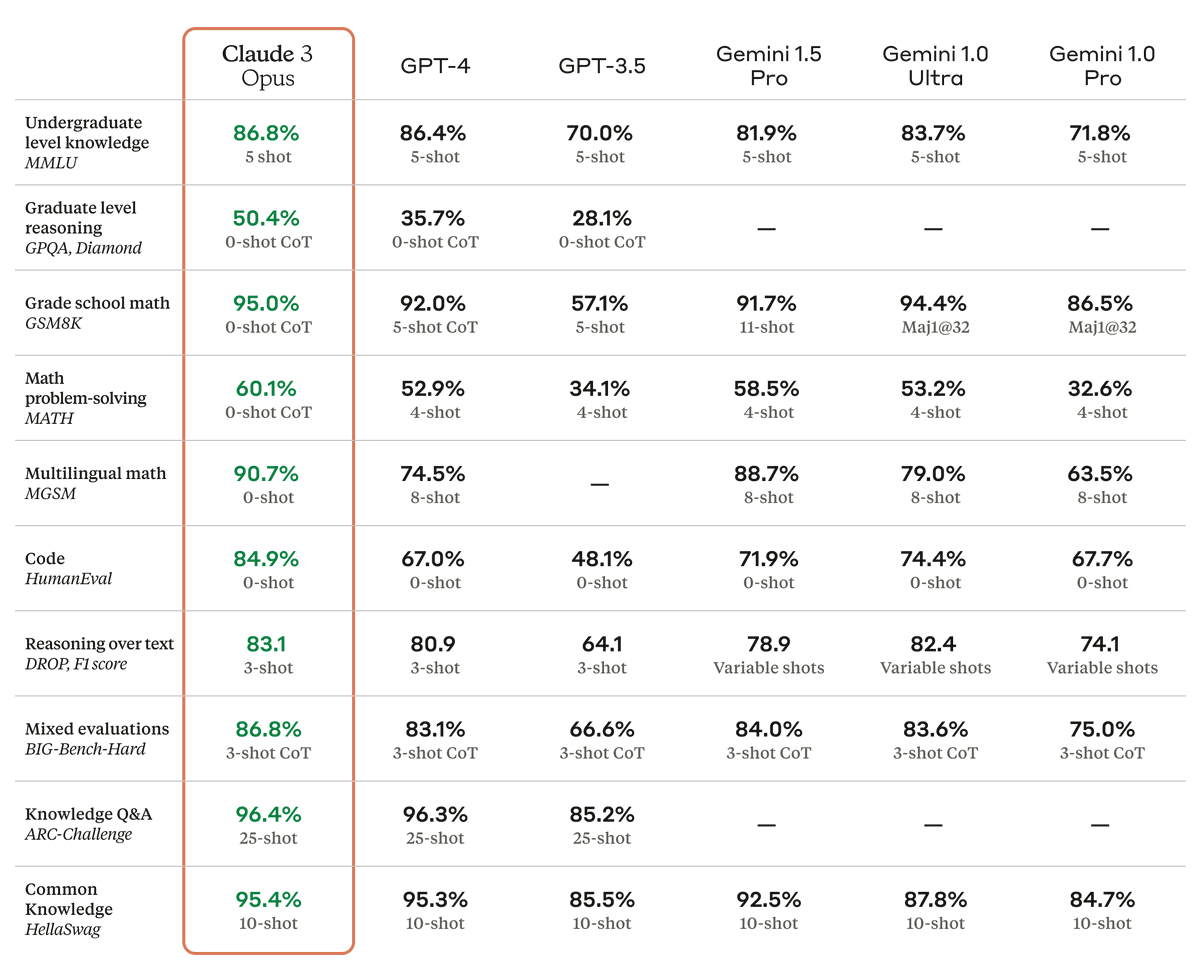
Claude 3 Opus, the best-performing foundation model on the planet across multiple industry benchmarks, is now available on Amazon Bedrock, the only managed service offering all three Claude 3 models – Opus, Sonnet, and Haiku – in GA.
Adding Opus is another important step in our work to expand choice. With Bedrock, AWS customers have the widest selection of industry-leading foundation models to pick from, with the most robust features to make building high quality, low latency, cost-effective GenAI apps easier. https://t.co/7n606O6s8x
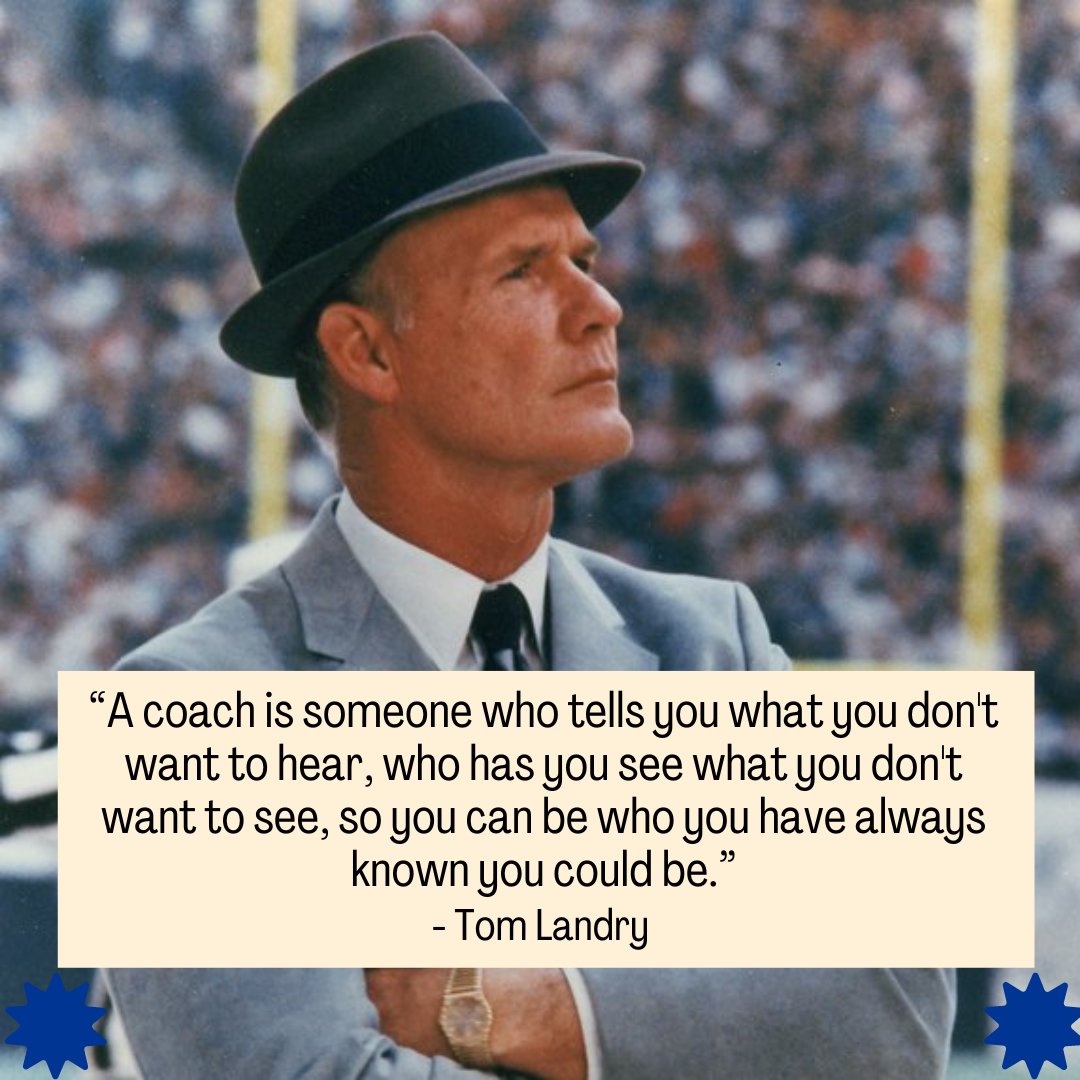
Tom Landry said, "A coach is someone who tells you what you don't want to hear, who has you see what you don't want to see, so you can be who you have always known you could be."
The best coaches are excellent leaders.
7 Coaching Habits of Great Leaders
[Thread] 🧵
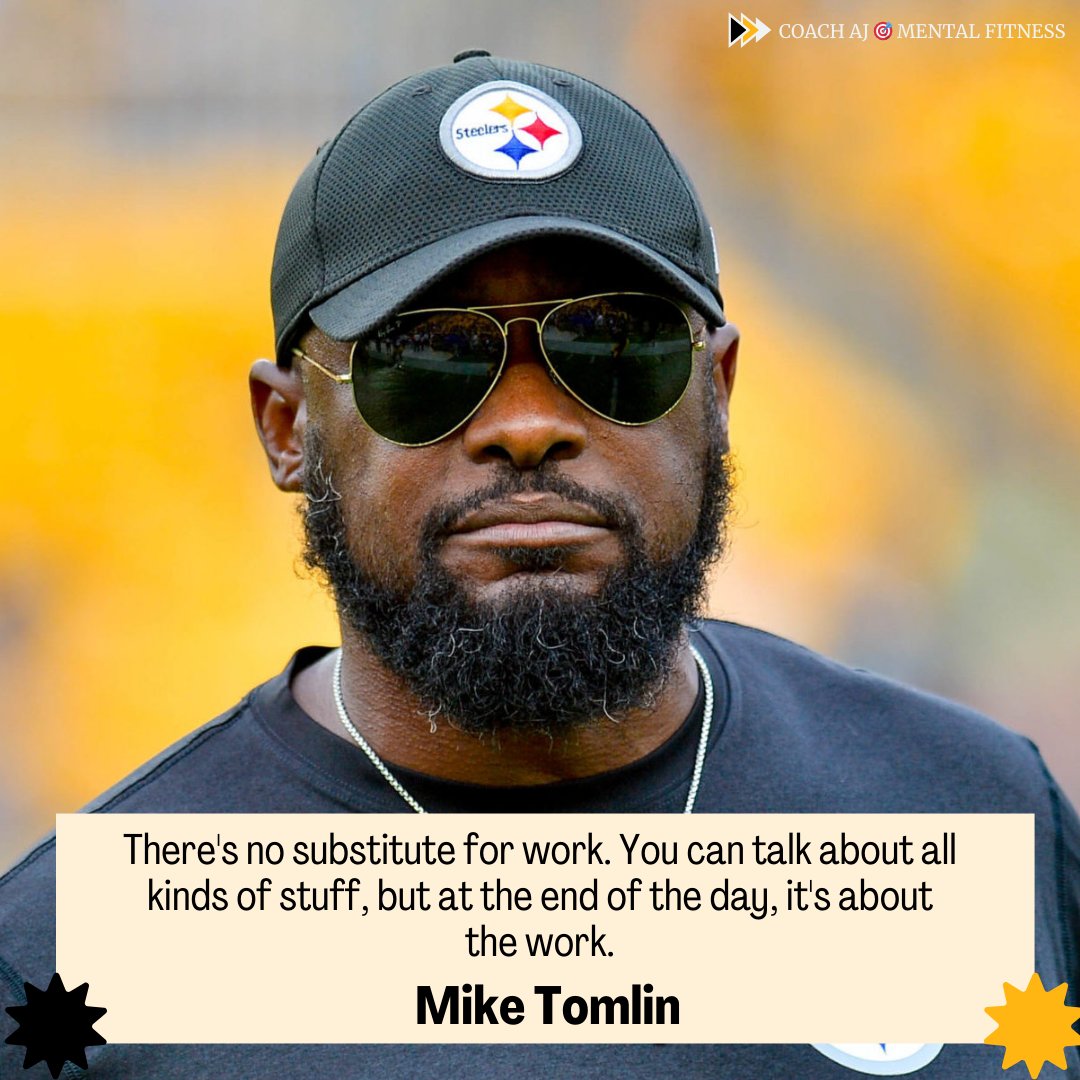
Mike Tomlin said, "There's no substitute for work. You can talk about all kinds of stuff, but at the end of the day, it's about the work."
Success comes from doing the work.
• It means discipline.
• It means commitment.
It doesn't matter what you're capable of, it matters what you are willing to do.
What You Need to Know About Commitment:
1. It's an every day thing - It means consistency because commitment isn't a one time event. It means committing to the process of improving and putting in the time. It takes consistency and work to improve. Success is the result of consistently showing up and doing the work day in and day out.
2. It takes sacrifice - Commitment means prioritization and sacrifice. Ask yourself: "What am I willing to pay for this?" If you work hard then sacrifice isn't something to regret. It means you have chosen something to fight for and you have defined what matters to you.
3. It means choosing discipline over motivation - Motivation will come and go so rely on your daily discipline. Stick to your routines and build good habits. Act regardless of how you are feeling. When you stay disciplined, you build habits, routines, and ultimately build the self-image of who you want to become.
4. It means accepting there will be adversity - Expect that there will be sacrifices, failures, criticisms, and rejections. Build the muscle of resilience. Being prepared for obstacles strengthens your resolve. It equips you to navigate through tough times with determination and focus.
5. It means being intentional - Be intentional about how hard you work and what you work on. Little details make big victories. Set clear goals and stay focused. You create big changes and reinforce your commitment when you are intentional every day about how you work.
6. Your mindset matters - Your mindset can make or break your commitment and work ethic. Believe in yourself and where you are headed. Have faith that putting the work in will make a difference. If you believe that you can't do something, you're unlikely to try.
- - -
Follow @coachajkings for more posts like this!
John Harbaugh said, "The only failure in life is not getting back up. When you get knocked down and stay down then you're a failure. But you're never a failure if you get back up."
"The only person who can make you quit is yourself."
Resilience is a daily choice.
Character is a Choice
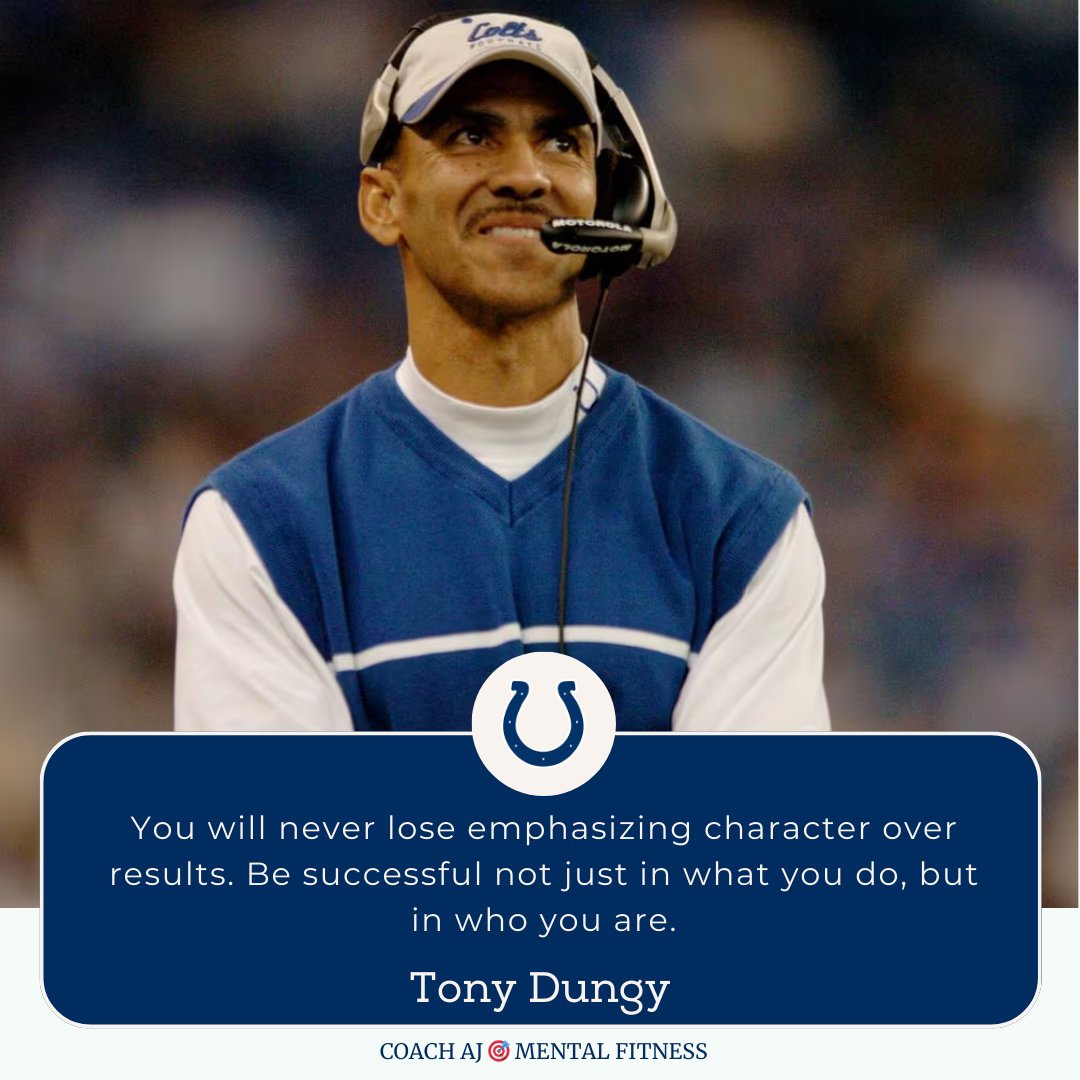
Tony Dungy said, "You will never lose emphasizing character over results. Be successful not just in what you do, but in who you are."
Good character is choosing what's right over what's easy.
• It's your decisions.
• It's your actions.
It means living your life with integrity, honesty, responsibility, and self-discipline.
Tony Dungy on How to Build Character:
1. It's How You Do Things - Be a person of integrity. Be honest and upfront with people. Treat people the right way and choose to do things the right way. When you have integrity in how you do things, people know that you care about them and that they can trust you.
2. Don't Let Anyone Else Define You - Live by your core values and what you believe. This builds self-awareness and independence. It empowers you to develop a strong sense of self and stick with what you believe in. When you learn to trust yourself, you make decisions that align with your true self and navigate life with purpose.
3. Be A Problem Solver - There will always be challenges and problems, but you can't sit and feel sorry for yourself. Think about how you can make things better. Ask the question "How can I make the situation better?" By asking this question, you are focusing on what you can control and how you can take action.
4. Drive Forward, not Backward - Setbacks and detours are normal. If you didn’t fail, you wouldn’t build the character you need for success. As a character leader, you need to be able to drive the team and yourself forward even during tough times. Your ability to move forward will depend on how you learn from the past. Use it as a guide, but don't live there.
5. Have Courage and Be True to Yourself - Have the courage to stand by your convictions and values, even in the face of adversity or opposition. Be your authentic self. Make choices that align with your principles and ethics. This cultivates inner strength and moral fortitude. It builds courage and authenticity fostering self-respect and integrity.
6. Serve Others with Humility - Servant leadership means giving to others and giving to the team. You have to have a deep understanding of people and how you can help others. Have the humility to know that it isn't just about you, but it's important to give. The smallest acts of kindness can make the biggest differences. When you support and guide others with kindness, you become a shining light for others.
"You should never be defined by what you do, by the things you have; you've got to define yourself by who you are and who you impact and how you impact people. And that's the thing I try to get across to my players." - Tony Dungy
- - -
Follow @coachajkings for more posts like this!
For us, restoring American leadership in semiconductors is more than a responsibility—it is our calling. I am grateful for the trust that has been placed in @intel by the U.S. government to deliver on the promise of restoring American semiconductor leadership.
Through the landmark #CHIPSAct, no other country is better positioned than the U.S. to forge a brighter future for manufacturing and tech leadership – powered by semiconductors.
https://t.co/MpVrJeYwHe
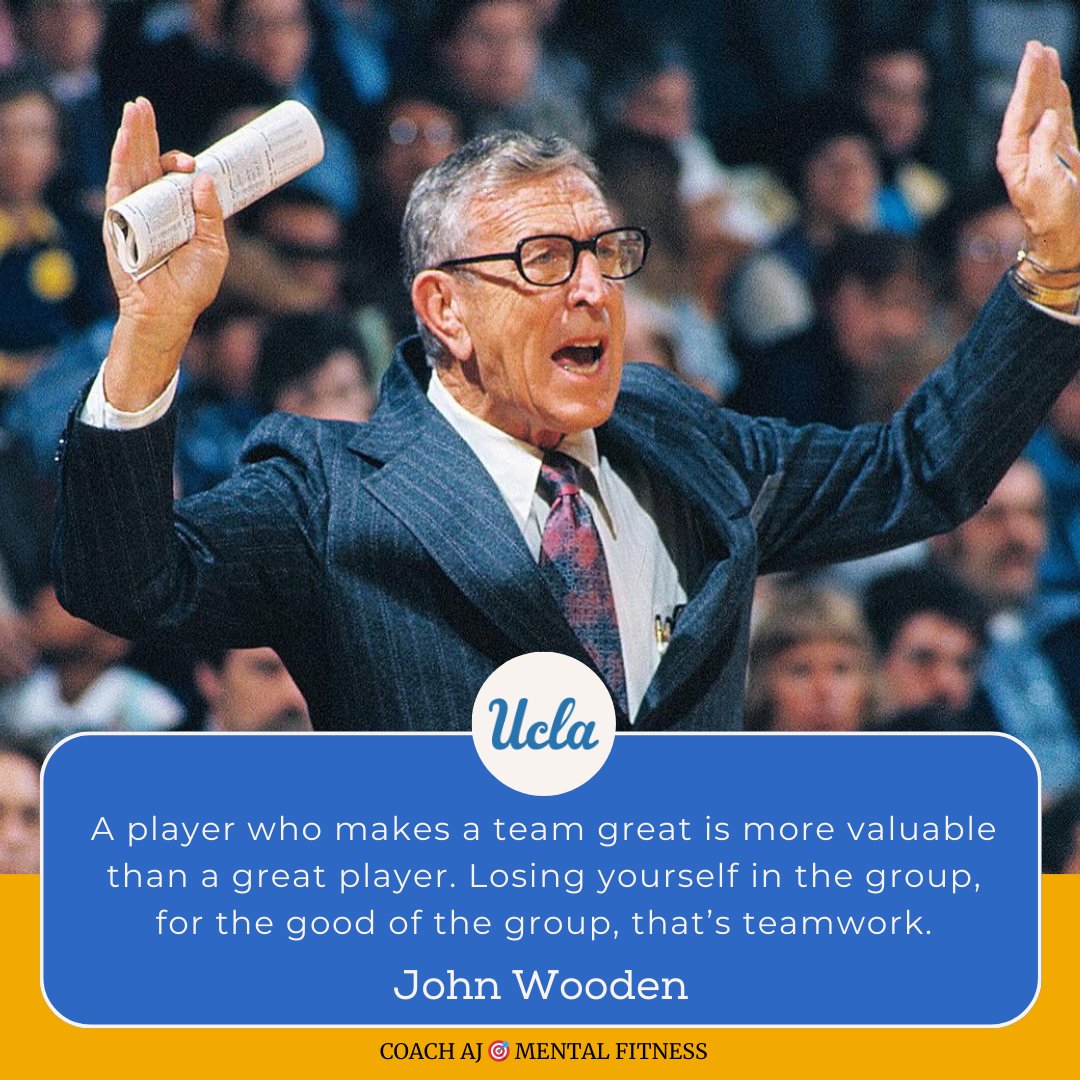
John Wooden said, "A player who makes a team great is more valuable than a great player. Losing yourself in the group, for the good of the group, that’s teamwork."
Great teams have teammates that come together.
They know unity and teamwork are essential.
A great team isn't made up of individuals seeking personal glory, but of people who trust each other enough to work towards a common goal.
What do great teams have?
Great teams have trust - This means team members feel confident in each other's abilities and intentions, creating a safe environment for taking risks and sharing ideas.
Great teams have commitment - People are dedicated to the team's goals and willing to put in the necessary effort and time, even in challenging circumstances. It means sacrifice and putting ego aside.
Great teams care about each other - There's a sense of camaraderie and concern for everyone. Caring isn't just words, it's a core part of the culture where people care for your well-being and your future. This strengthens team bonds and collaboration.
Great teams have communication - Open, honest, and clear communication is practiced, ensuring everyone is on the same page and misunderstandings are minimized.
Great teams have strong leadership - Great teams have multiple leaders at all hierarchies of the team. These leaders guide, inspire, and support the team, setting a clear direction and fostering a positive team culture.
Great teams have adaptability - There will be challenges and great teams know how to adjust when new obstacles arise. They can adjust to these new challenges, changes in the environment, or shifts in strategy, demonstrating flexibility and resilience.
Great teams have standards and accountability - There is always a sense of ownership, responsibility, and candor. Everyone embraces the standard. People take responsibility for their actions and performance and respectfully hold each other to high standards.
Great teams have a shared vision - There is never a question in what are our goals and what is our WHY. Everyone understands and is aligned with the team's objectives and purpose, it drives unified efforts towards common goals.
"Teamwork is the ability to work together toward a common vision. The ability to direct individual accomplishments toward organizational objectives. It is the fuel that allows common people to attain uncommon results" - Andrew Carnegie
This year, Avalanche will be at the precipice of one of the most important set of technical upgrades that it's seen since inception.
Avalanche will become the premier network for blockchains-as-a-service, bar none. Nothing will come close, IMO.
Jay Wright said, "Your attitude is your greatest characteristic. You don't control your intelligence, your size, or your God-given talents. What you do control, though, is your attitude. We can all have a positive attitude."
Your attitude is a choice.
It's a choice on how you want to respond to life's challenges.
• A positive attitude is a choice for hope and belief.
• A negative attitude is a choice for negativity and problems.
There will always be adversity, but it's your attitude and mindset that will determine how far you go.
6 Ways To Improve Your Attitude:
1. Create an Attitude of Gratitude - Feed yourself positivity, gratitude, and greatness instead of listening to complaining, negativity, and doubt. Spend time thinking about the positive aspects of your life. Research shows that practicing gratitude daily can lead to improved mood and overall well-being.
2. Prioritize What's Within Your Control - It starts with your ability to focus. Take ownership and control of what you can control. When you realize that you can control your mindset and attitude, you start to view external challenges for what they are, just challenges. Have a growth-mindset and believe that you can grow and improve
3. Transform Your Negative Self-Talk - Challenge your negative thoughts. Replace your negative words with positive affirmations. Your words are powerful, especially the words that you speak to yourself. Studies show that positive self-talk can enhance your confidence and reduce stress.
4. Stay Present - BE HERE NOW - When you focus on the present, you reduce stress and anxiety because you aren’t worrying about the past or anxious about the future. All we have is the present moment. Your attitude and mindset depends on your ability to be mindful of your environment.
5. Create Positive Moments and Connect - Connect with others and spend time with the people that you like. When you have an attitude of connection, you look for positivity and realize your effect on others. You also realize that others bring you support in those times of need.
6. Believe in Yourself and Your Future - Cultivate self-belief. Research has shown that having a positive self-view predicts improves your self-esteem and confidence. When you believe in your future, you take ownership and responsibility for your choices and actions because you believe they will affect your future.
"Everything can be taken from a man but one thing: the last of human freedoms - to choose one’s attitude in any given set of circumstances, to choose one’s way. - Viktor Frankl
- - -
Follow @coachajkings for more posts like this!
🎥 Brad Stevens said, “You got a choice - you either come in & let your circumstances control your attitude - or you let your attitude control your circumstances.”
- Attitude matters.
- Mindset Matters.
- Your choices matter.
Be a Master of Your Mind.
Tom Landry said, "A coach is someone who tells you what you don't want to hear, who has you see what you don't want to see, so you can be who you have always known you could be."
The best coaches are excellent leaders.
They connect and influence.
It's not what they say, but their actions, behaviors, and habits that set the standard.
The consistency in their habits is what makes the best coaches, the best leaders.
That consistency permeates through the culture and everyone on the team.
7 Coaching Habits of The Best Leaders:
1. Communicate Expectations = Alignment
People perform when they know what to expect and where they are headed. When you align your team's understanding with your vision, you create purpose. This not only sets a clear path forward, but sets expectations and brings people together ensuring everyone's on the same page.
2. Build Relationships = Trust
Building relationships isn't just about camaraderie, it's the foundation for trust. Great leaders understand that trust is the currency of collaboration and growth. If you don't trust someone, you won't listen and believe you have their best interest at heart. By investing in genuine connections, you lay the groundwork for a committed team.
3. Measure Results = Accountability
When leaders hold themselves and their teams accountable for outcomes, they pave the way for growth and continuous improvement. It is not just saying the words, but consistently making accountability a habit. This means setting a target, measuring to the target, and consistently reflecting on progress. Focus on the process and the inputs that drive the results.
4. Give Responsibility = Ownership
The best leaders give responsibility and ownership to others. When people feel ownership, they take ideas and run with them because they know their voice is heard. Leaders who empower their team members to take ownership of their roles inspire creativity and dedication. Ownership turns ordinary tasks into personal missions, and that's why it's important.
5. Celebrate People and Wins = Connection
Celebrating wins shows people you care and builds gratitude for others and the team. It reminds everyone of progress, boosts morale, and strengthens the bonds within your team. This habit nurtures a culture of appreciation and togetherness. Spend time each week celebrating the small wins.
6. Get Feedback = Engagement
It's not about hearing words, it's about having people open up. Leaders who actively seek and listen to feedback demonstrate their commitment to growth and improvement. They create a structure that allows people to be heard. It shows that every voice matters, leading to higher engagement, innovation, and commitment.
7. Be Yourself = Authenticity
People don't buy what you say, they buy WHO YOU ARE. The best leaders embrace their unique qualities and values, setting an inspiring example for their others. They don't fake their enthusiasm or energy, they are themselves. Authenticity breeds trust and creates an environment where everyone can be their best self.
"A good coach can change a game. A great coach can change a life." - John Wooden
- - -
Follow @coachajkings for more content like this!







![coachajkings's tweet photo. Tom Landry said, "A coach is someone who tells you what you don't want to hear, who has you see what you don't want to see, so you can be who you have always known you could be."
The best coaches are excellent leaders.
7 Coaching Habits of Great Leaders
[Thread] 🧵 https://t.co/wEOwDGX2ss](https://pbs.twimg.com/media/GKUhx3sXYAAkVG2.jpg)