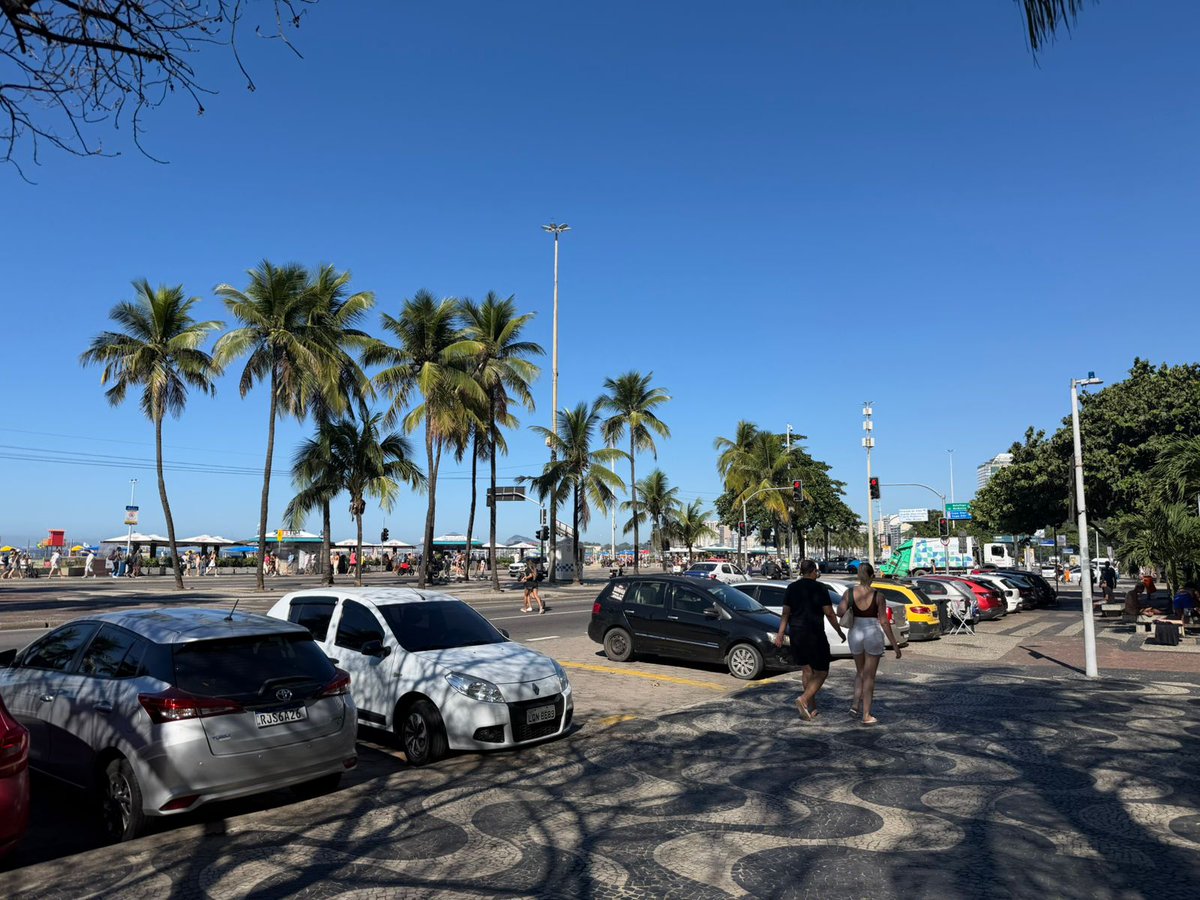
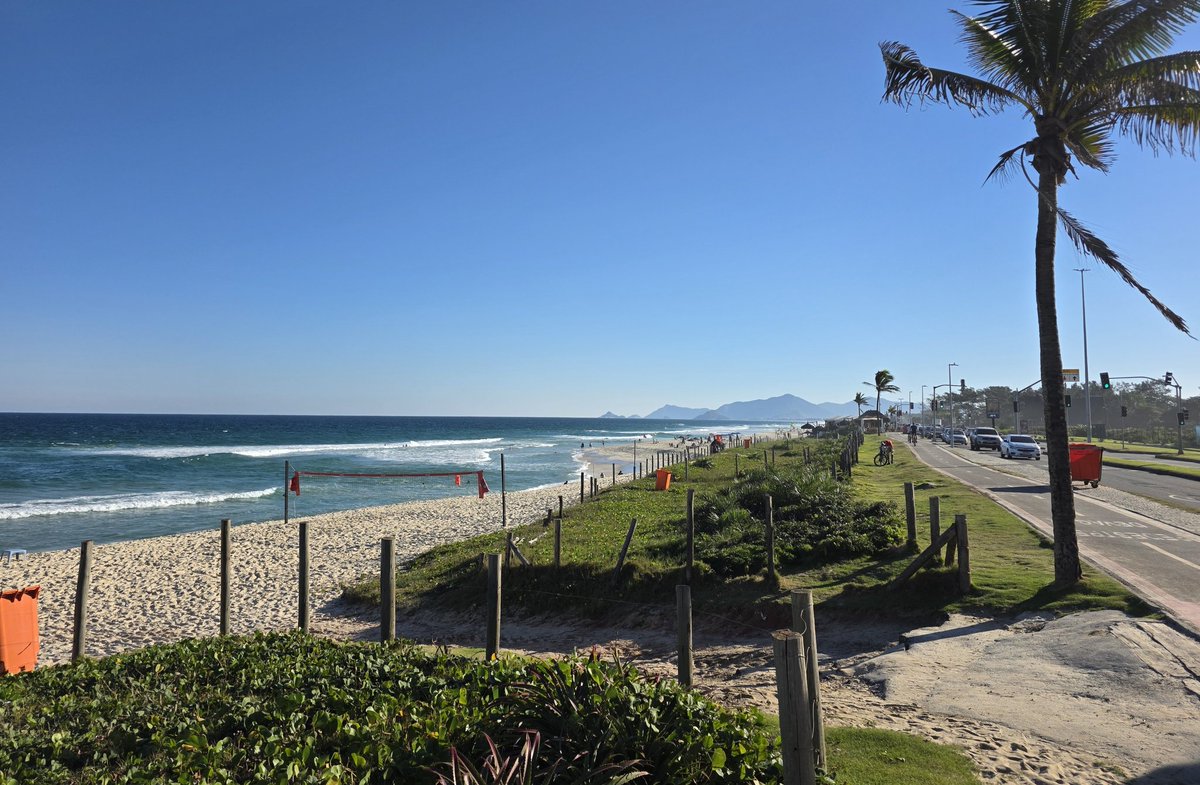
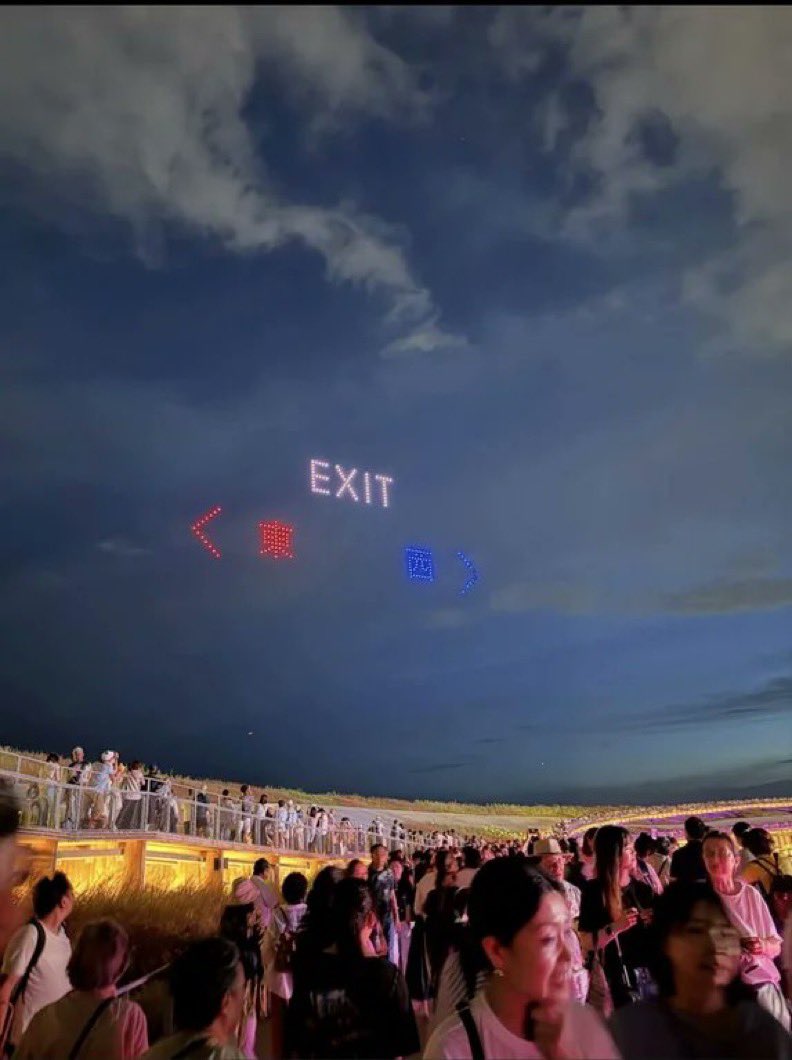
What was also amazing is the Rio full marathon (42km) took place earlier in the morning, maybe 2 or 3 hours prior, along these same roads. And not one piece of trash or thrown plastic water bottle (common in some other marathons) to be seen!
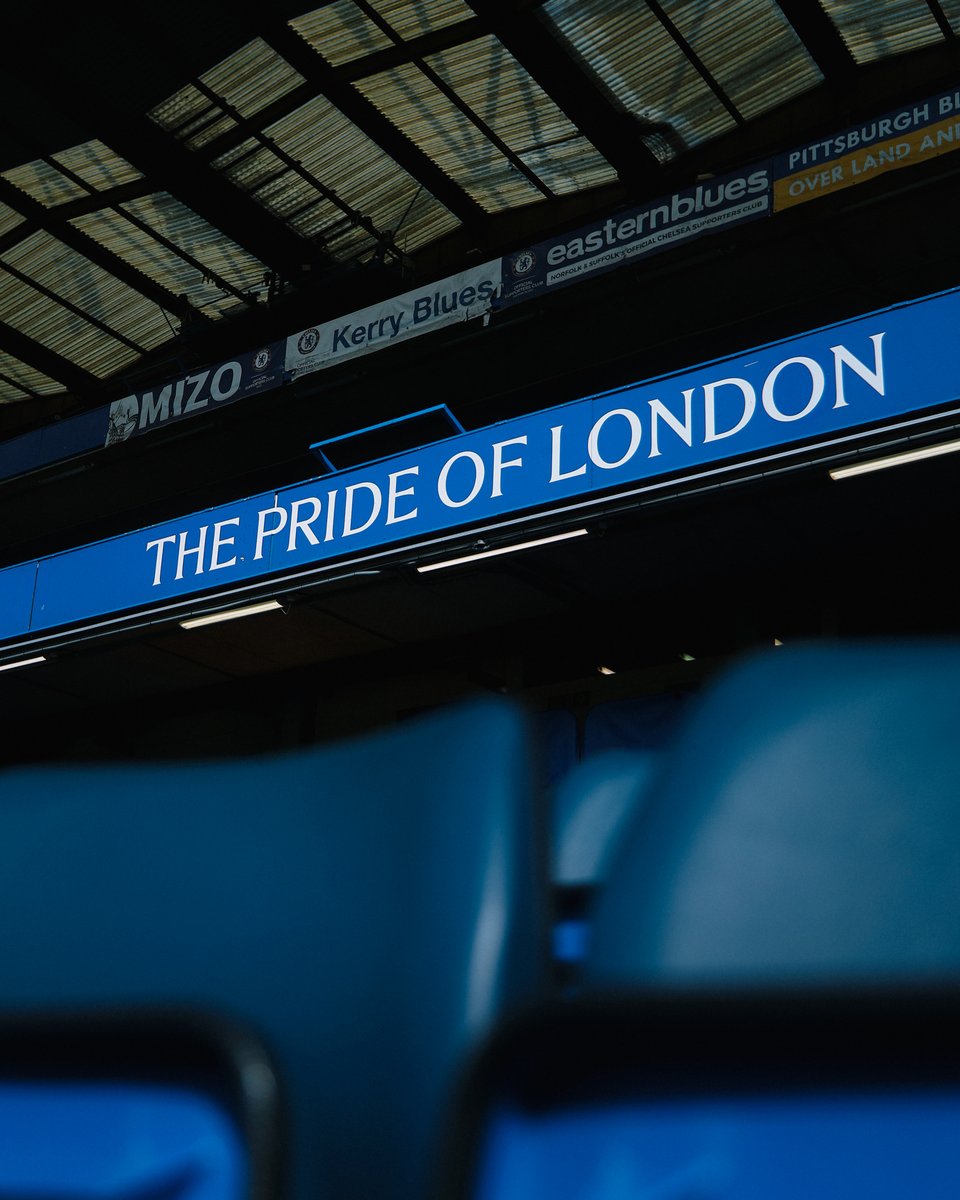
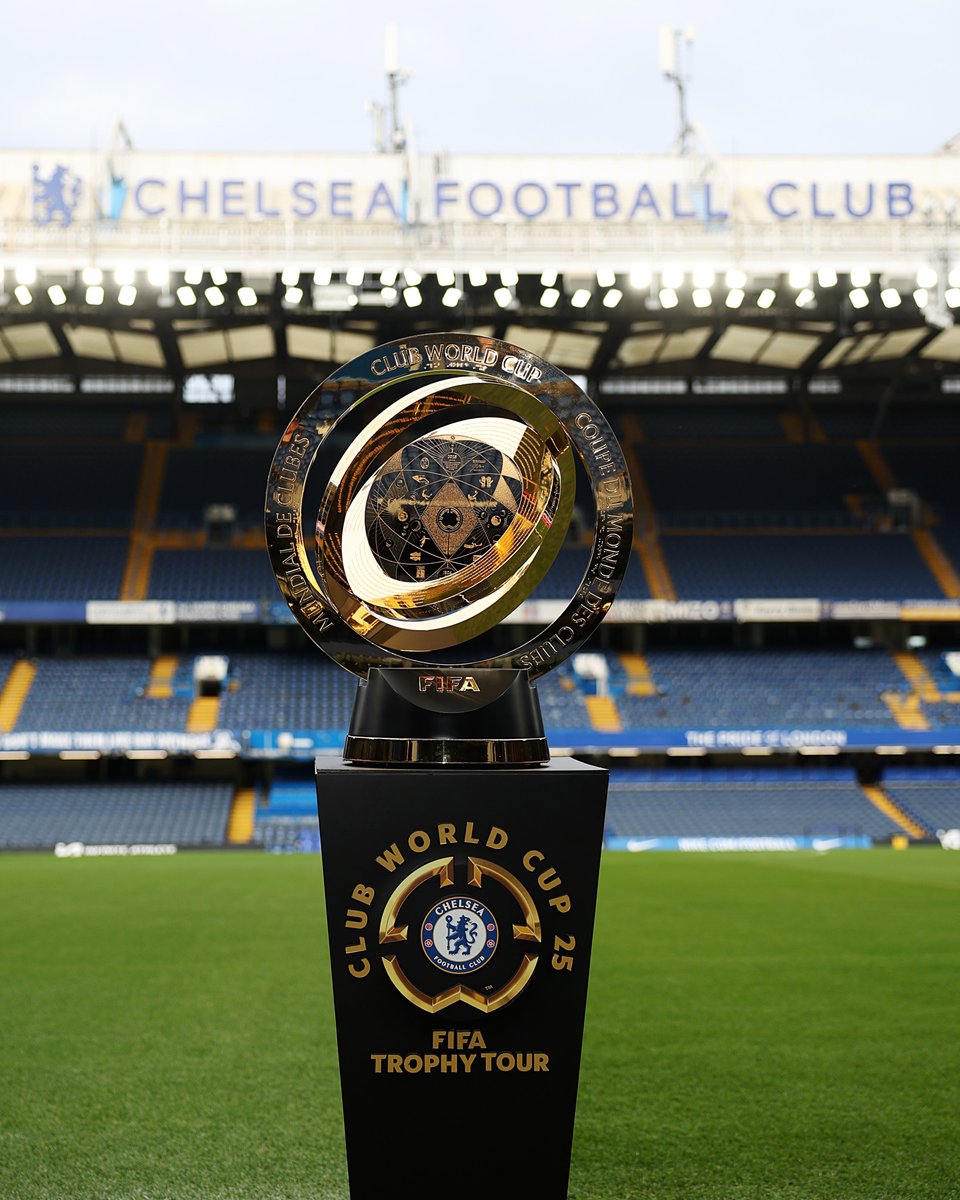
Come and visit London’s Home of Trophies. 🏆
Book your Stadium Tour at Stamford Bridge now. ⭐️⭐Come and visit London’s Home of Trophies. 🏆
Book your Stadium Tour at Stamford Bridge now. ⭐️⭐Come and visit London’s Home of Trophies. 🏆
Book your Stadium Tour at Stamford Bridge now. ⭐️⭐Come and visit London’s Home of Trophies. 🏆
Book your Stadium Tour at Stamford Bridge now. ⭐️⭐Come and visit London’s Home of Trophies. 🏆
Book your Stadium Tour at Stamford Bridge now. ⭐️⭐Come and visit London’s Home of Trophies. 🏆
Book your Stadium Tour at Stamford Bridge now. ⭐️⭐️
Three of the people who made this film died of the same cancer: the director, his wife, and one of the lead actors. All three had been on the same set.
Stalker was shot on a river in Estonia. Just upstream from the set, a working chemical plant was dumping poison straight into the water. That white foam you sometimes spot drifting past on screen is the actual pollution.
The first death came in 1982. Anatoly Solonitsyn, who plays the Writer in the film, died of lung cancer at age 47. Tarkovsky was next. He died of the same cancer in Paris in December 1986, age 54. His wife Larisa, who was also the film's assistant director, died of it in 1998. The sound designer Vladimir Sharun, who was on the same set and survived, has been saying since 2001 that the river killed them. No medical study has ever proved that. But three of the same lung cancer from one crew is hard to wave off as bad luck.
Tarkovsky shot the entire film once in 1977. Took him a whole year. When the Soviet lab developed the footage, it came back ruined. A year of work, gone. He had a heart attack. The Soviet film board wanted to shut the project down right there.
So he tried something. He told the board he was making a two-part film. They gave him more money. He fired his cameraman, brought in a new one, and reshot the entire film from June to November 1978.
Stalker is based on a novel by two brothers, Arkady and Boris Strugatsky. They had also written the script. Tarkovsky put them through nine rewrites of it. The original location was supposed to be in Tajikistan, but a 1976 earthquake destroyed the area and forced the whole production to move to Estonia.
Stalker came out in May 1979. In the film, the "Zone" is a contaminated wasteland around a fourth bunker, with a wish-granting room hidden somewhere inside. Seven years later, Reactor Four at Chernobyl exploded. The contaminated land around the real reactor became known as the Zone of Exclusion. Today, the people who illegally smuggle tourists into Chernobyl still call themselves stalkers, named after the film.
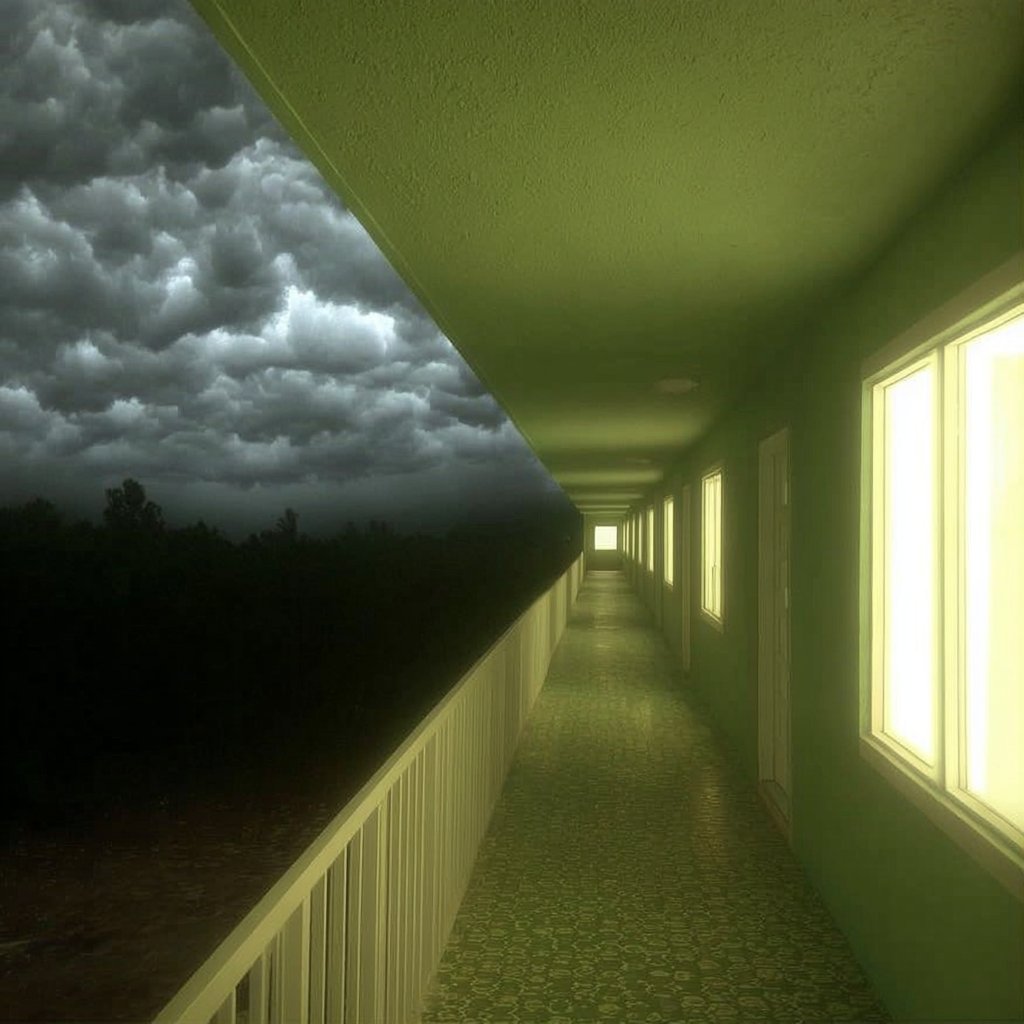
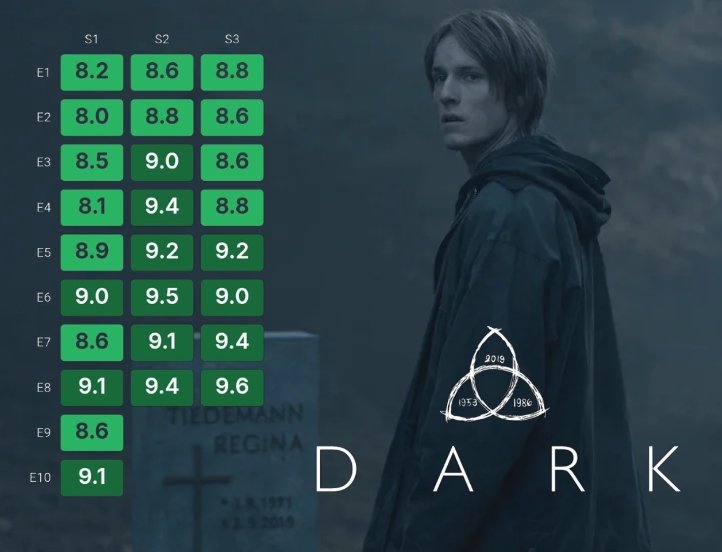
Stalker is now considered one of the greatest films ever. The shot you are looking at right now is from a movie that, according to the people who made it, took the lives of the director, his wife, and the actor who plays the Writer.
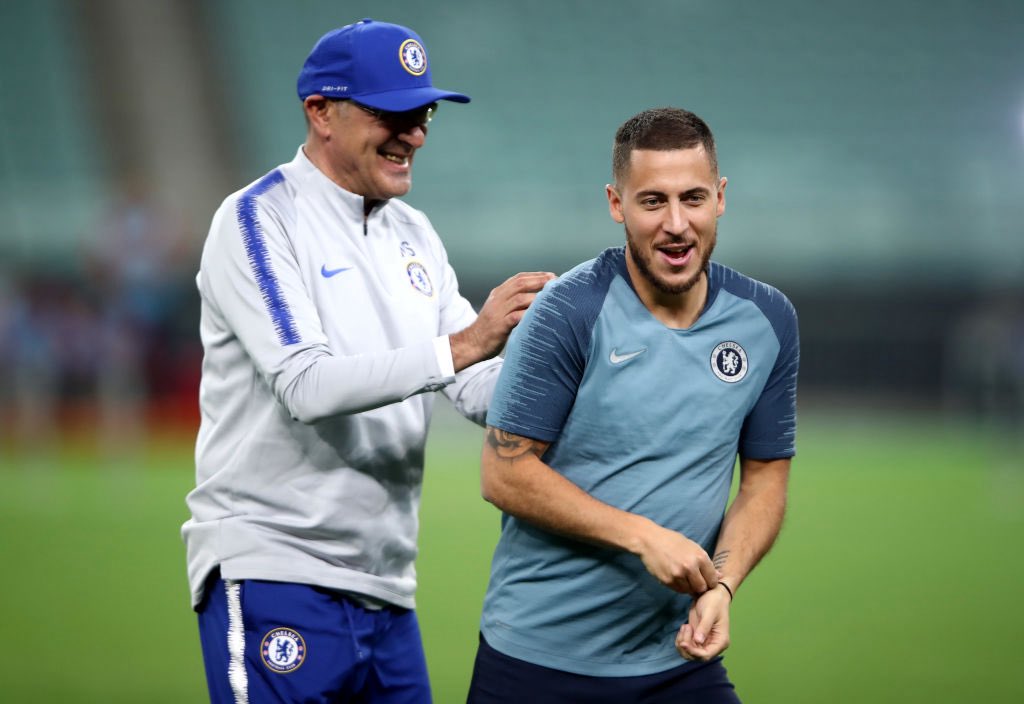
💙🏆 Atentos a estas palabras de Eden Hazard para con Maurizo Sarri en su etapa en Chelsea:
“Sarri es un entrenador increíble. Como equipo, como jugador, a menudo quieres jugar para tu entrenador. Y habíamos hecho una temporada maravillosa con algunos problemas aquí y allá.
Luego llegó la final de la Europa League, contra el Arsenal. Un derbi, en la final. Y todos queríamos ganar para nosotros en primer lugar. Luego para nuestras familias, para nuestros hijos. Para el personal, y para los muchos aficionados del Chelsea que habían viajado hasta Bakú.
Jugamos un partido increíble. Lo logramos e inmediatamente le dimos la copa a Sarri, estaba muy contento. Cuando vas a estos clubes aceptas la presión de tener que ganar trofeos. Sarri, el día antes del partido, estaba muy tenso.
Era su primera final europea, contra el Arsenal. No es fácil. Al final del partido, cuando ganamos la copa, lo vi observar con profundidad la medalla. Y de repente, estaba mucho más feliz por él que por mí... ¡también porque ya tenía una medalla! Fue una gran noche.”
'Writing isn't hard work, it's a nightmare. Coal mining is hard work. This is a nightmare ... There's a tremendous uncertainty that's built into the profession, a sustained level of doubt that supports you in some way. A good doctor isn't in a battle with his work. In most professions there's a beginning, a middle, and an end. With writing, it's always beginning again.'
Philip Roth
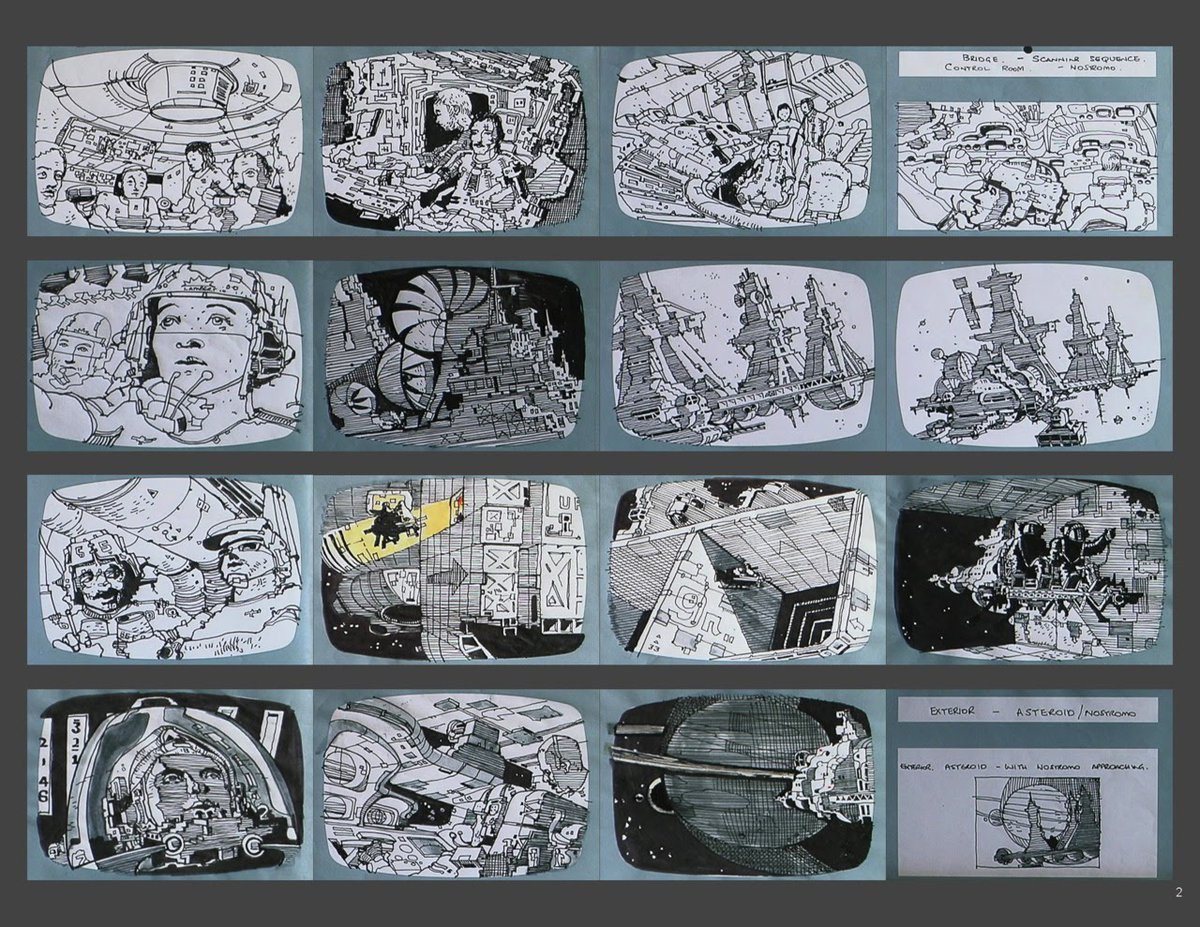
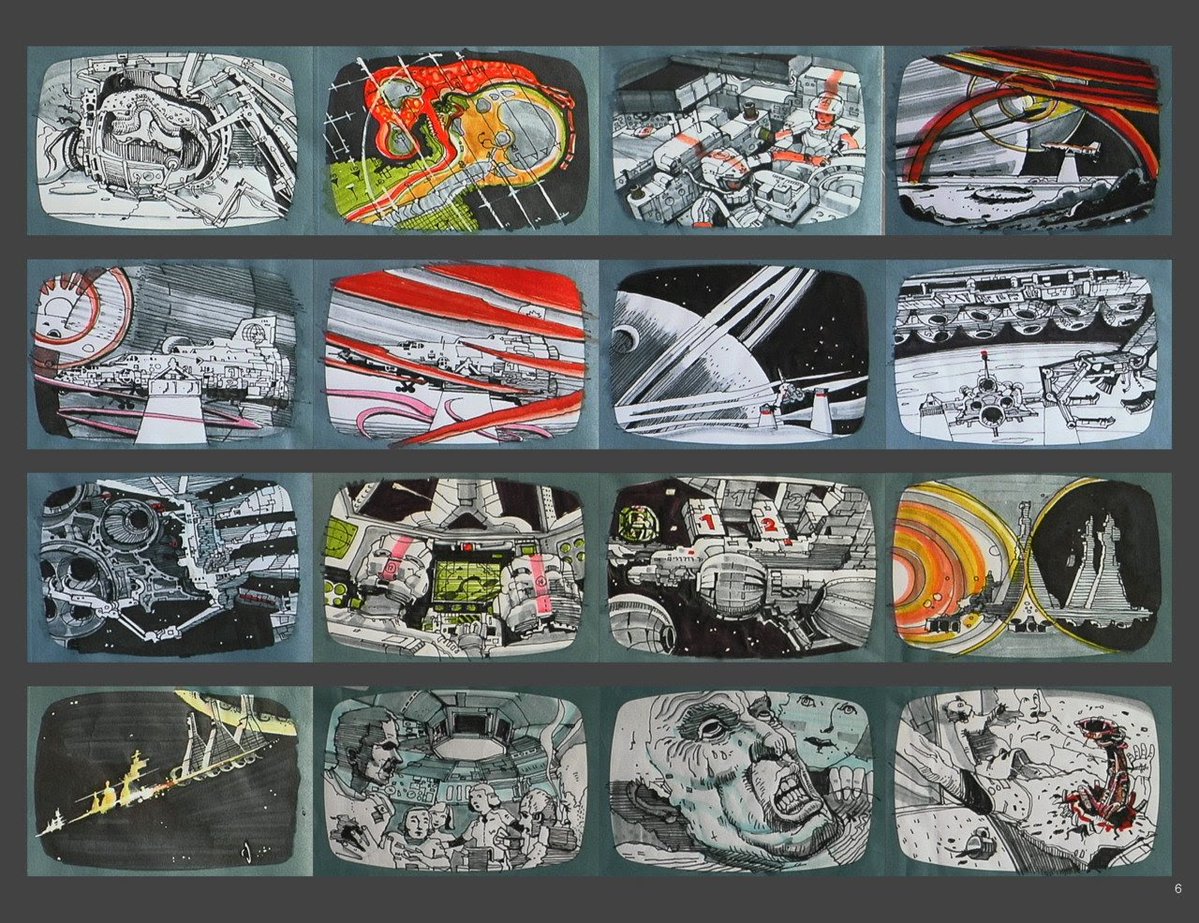
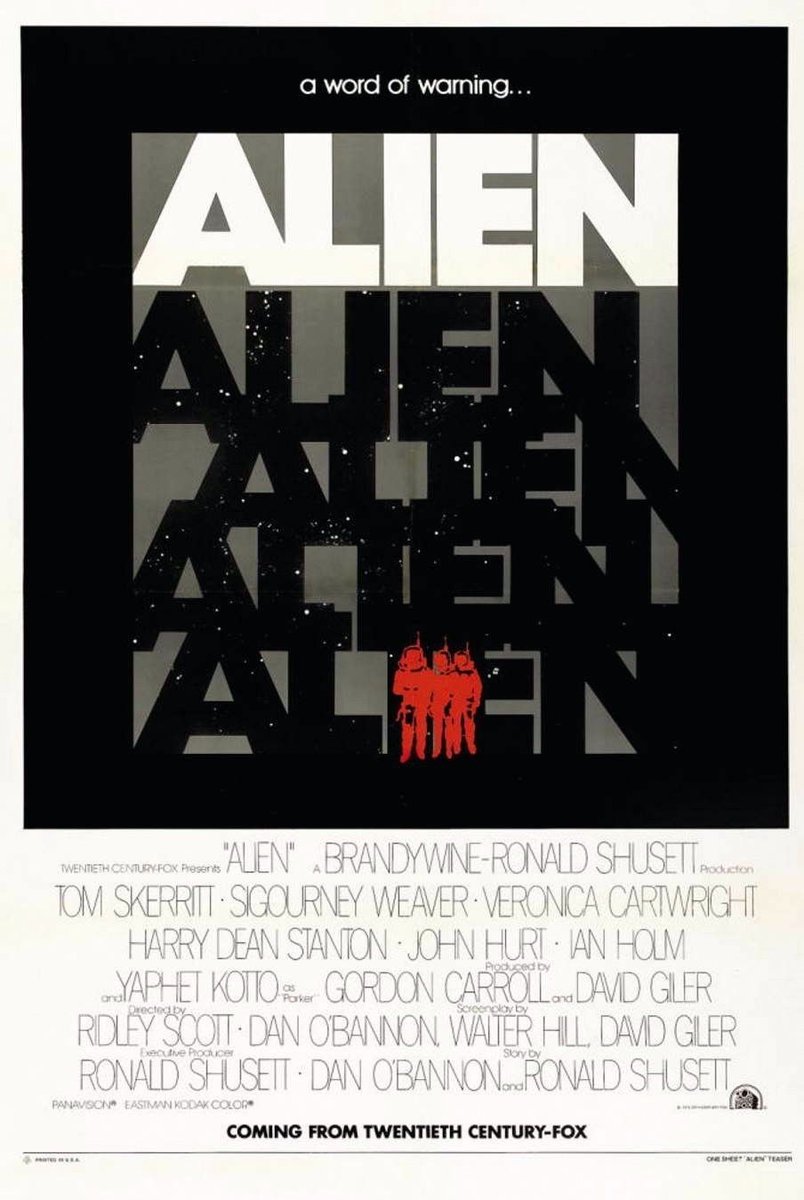
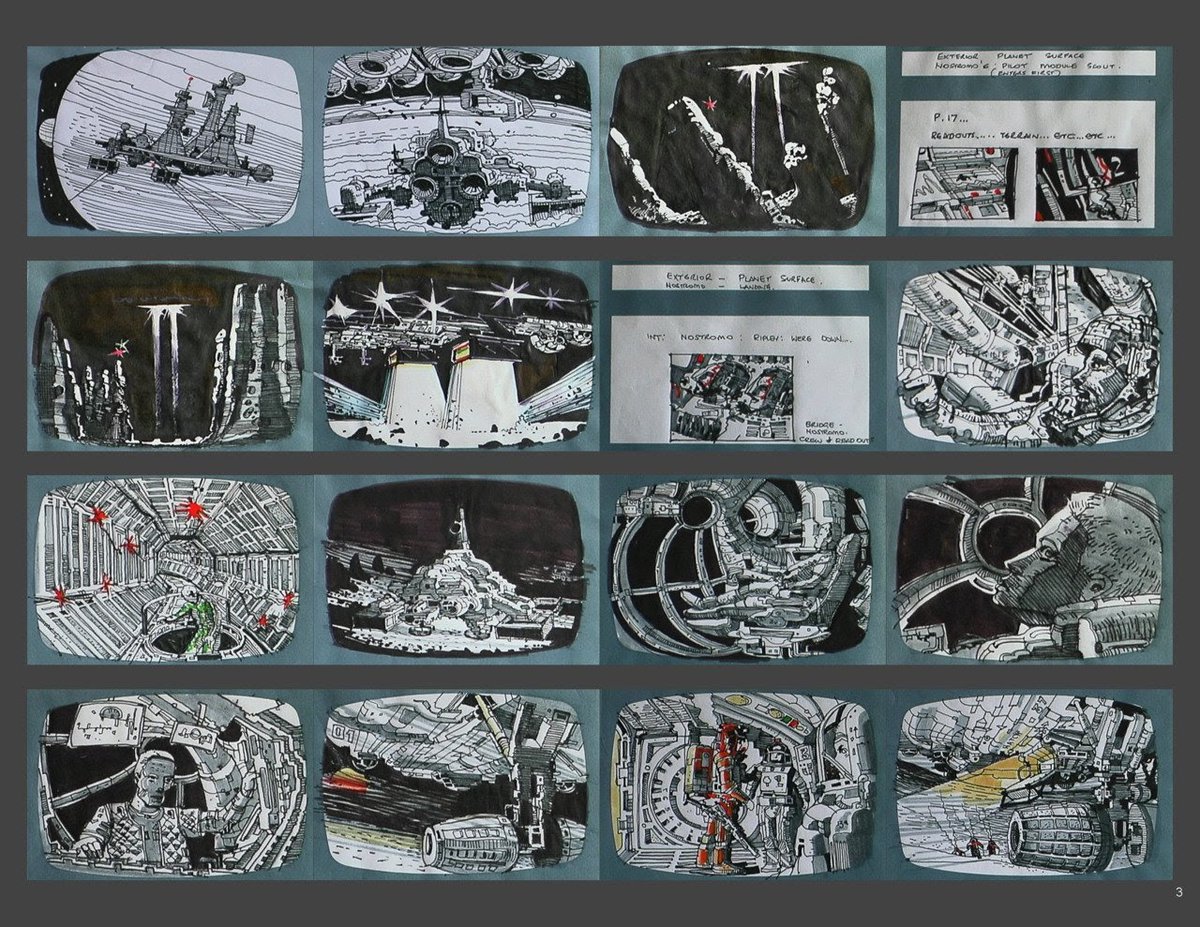
Ridley Scott's hand-drawn ALIEN storyboard presentation for 20th Century Fox. These helped him secure the director job and almost doubled the film's budget thanks to their clarity, vision and scope. They are also known as 'Ridleygrams".
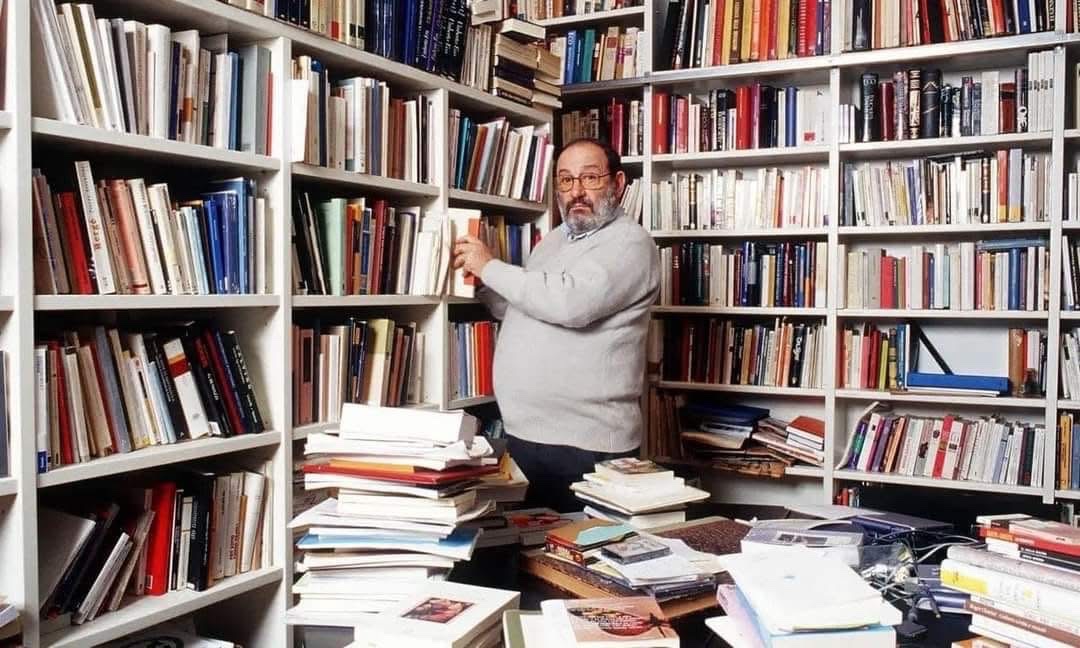
Umberto Eco, who owned 50,000 books, had this to say about home libraries:
“It is foolish to think that you have to read all the books you buy, as it is foolish to criticize those who buy more books than they will ever be able to read. It would be like saying that you should use all the cutlery or glasses or screwdrivers or drill bits you bought before buying new ones.
“There are things in life that we need to always have plenty of supplies, even if we will only use a small portion.
“If, for example, we consider books as medicine, we understand that it is good to have many at home rather than a few: when you want to feel better, then you go to the ‘medicine closet’ and choose a book. Not a random one, but the right book for that moment. That’s why you should always have a nutrition choice!
“Those who buy only one book, read only that one and then get rid of it. They simply apply the consumer mentality to books, that is, they consider them a consumer product, a good. Those who love books know that a book is anything but a commodity.”