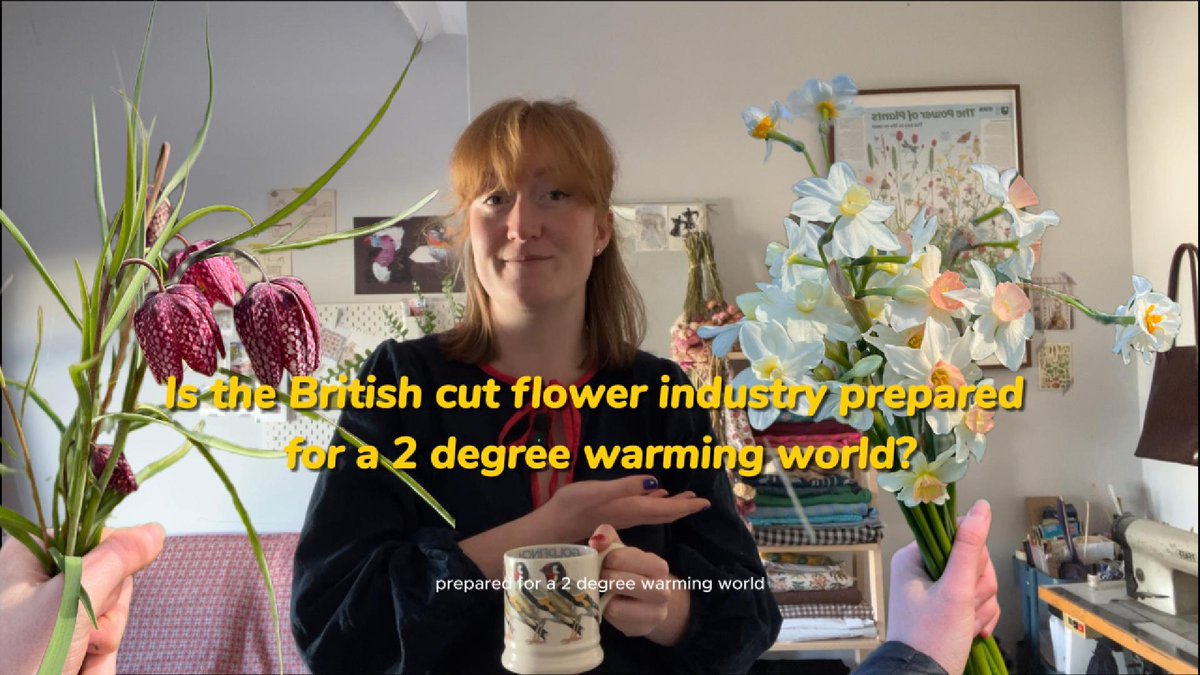
My Nuffield Scholarship research presentation is now live on YouTube from the conference last week! If you're interested in learning about resilience and the British cut flower sector (and what I'm up to next) then check it out!
https://t.co/8cPbRT9JKM
The water crowfoot along the Roding sparkling in the sunshine like a carpet of stars.
What’s even more surprising about this picture is that it’s just 50 metres from a motorway & a few hundred metres from a zone 4 tube station. We can have Eden-like nature, beauty & wonder woven into our cities if we choose.
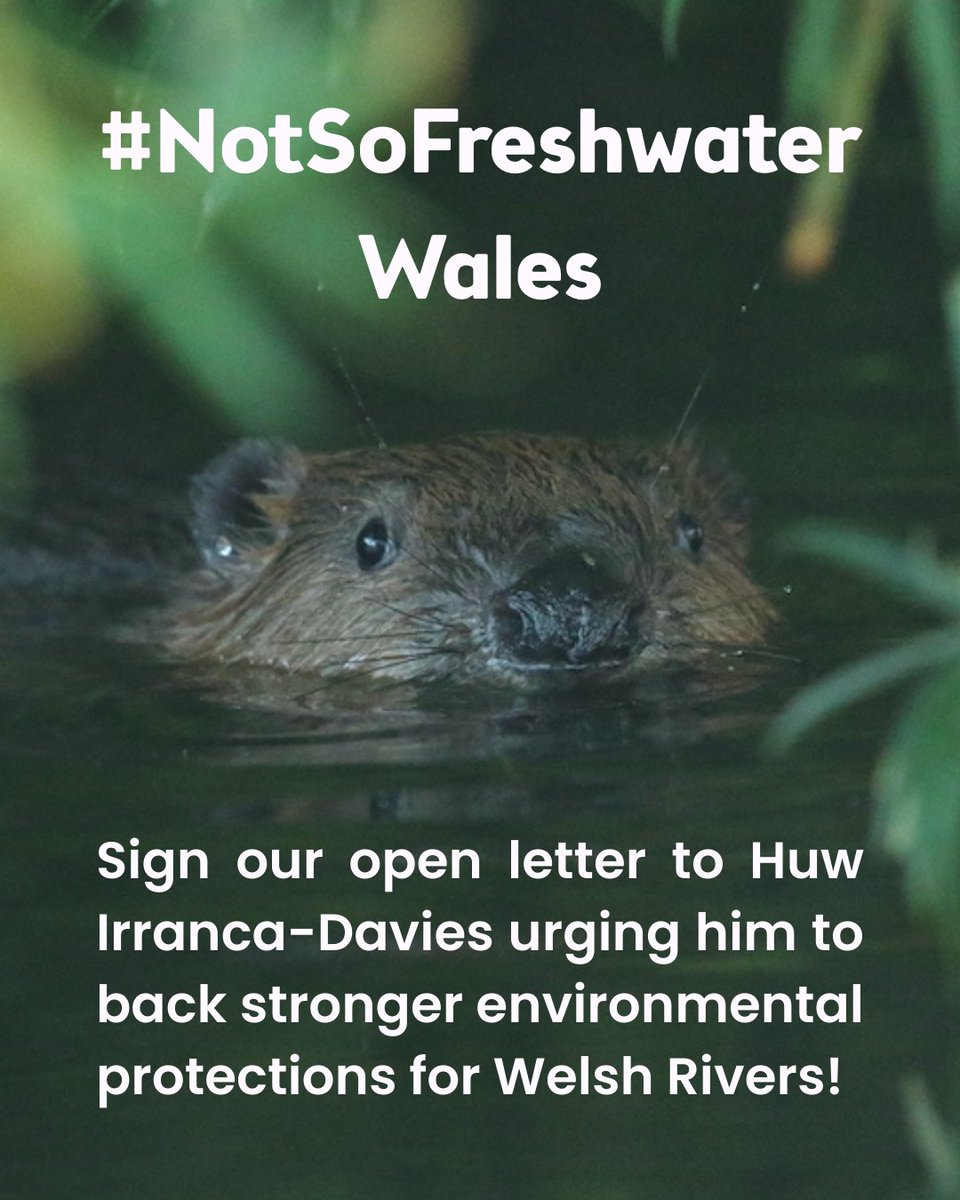
This week's beaver sightings on the #RiverDyfi show how important it is to protect Welsh rivers! Sign our open letter to @huw4ogmore, asking for a stronger Sustainable Farming Initiative to support farmers and nature:
https://t.co/s4Q6SGkpN1
photo @joshuaharriswildlife
🌿 NEW Community Spotlight Blog: Meet Ryan Eddowes - wildlife filmmaker and adventurer.
🦆 He brings his unique humour and energy to be a nature filmmaker & educator, and advocate for those living with clubfoot.
�� Check out Ryan’s blog: https://t.co/r7rmDRUvOj
📽️ #NuffieldFarming report video from flower farmer and campaigner Roisin Taylor ➡️ https://t.co/0VC3HFehfR
💐Read 'Revival and Survival: is the British cut flower industry prepared for a 2-degree warming world?' in full here ➡️ https://t.co/CSq8xoeZ47
Over 50 nature & farming groups have written to @RachelReevesMP: without investment in nature-friendly farming, any hopes of sustainable food production, climate change mitigation, nature recovery & a resilient economy will be lost.
@CLAtweets@NFUtweets
https://t.co/ZzX8moMLyl
📣New #NuffieldFarming report from flower farmer and campaigner @roisinbt 📣
💐'Revival and Survival: is the British cut flower industry prepared for a 2-degree warming world?', sponsored by the John Oldacre Foundation, is available to read here ➡️ https://t.co/CSq8xoeZ47
66% of Parisians voted today to create 500 additional pedestrian streets, replacing over 10,000 parking spots with green space and enhanced pedestrian infrastructure.
📍 Paris 🇫🇷
🤓 UKY4N Book Club is deciding what we should read in 2025.
📚️ Here's what we're looking at so far
👇️ What are we missing? Which have you particularly enjoyed? Let us know in the comments!
For 8 years I worked to protect nature on the Humber Estuary, oil spill response was part of my brief, and what has happened today was the stuff that my nightmares were made of. Thinking of all those affected and responding to protect lives and wildlife
https://t.co/Gu1slwX86E
Want to watch a short summary video of my research into the cut flower industry and climate adaptation? Give it a watch here!
Flower farms, climate change and resilience in the UK: Nuffield Farming ... https://t.co/dlH59h7O6H via @YouTube
It's me! Here I talk about growing up in the upland farming landscape, how it had a profound influence on me and my campaigning work now. I also talk about the power of inclusivity in farming, British cut flowers, climate disaster and how 'shy bairns get nowt' 😉
🎧 On the latest episode of 'Tales of a Nuffield Scholar' 2023 Scholar @roisinbt discusses her unconventional route into agriculture.
Roisin is a passionate advocate for both sustainable food systems and inclusivity. Listen now ➡️ https://t.co/puU5z5Uc7R
🌻 New Segment – Nature Positive News!
🦫 #BeaversOverBureaucracy – Czech officials spent years planning a dam, but land negotiations stalled it.
🐟️ So beavers built their own for free, creating a thriving #wetland and saving €1M. Sometimes, nature knows best.
🚨 UKY4N’s Ellen Bradley has bagged an interview with one of the UK’s foremost nature writers - Stephen Moss!
📅 Mon 24 Feb, 7-8PM
📍 Online (https://t.co/odyILpfmtJ)
📚 We’ll dive into his career and his advice for aspiring nature writers. Got a question? Comment below!
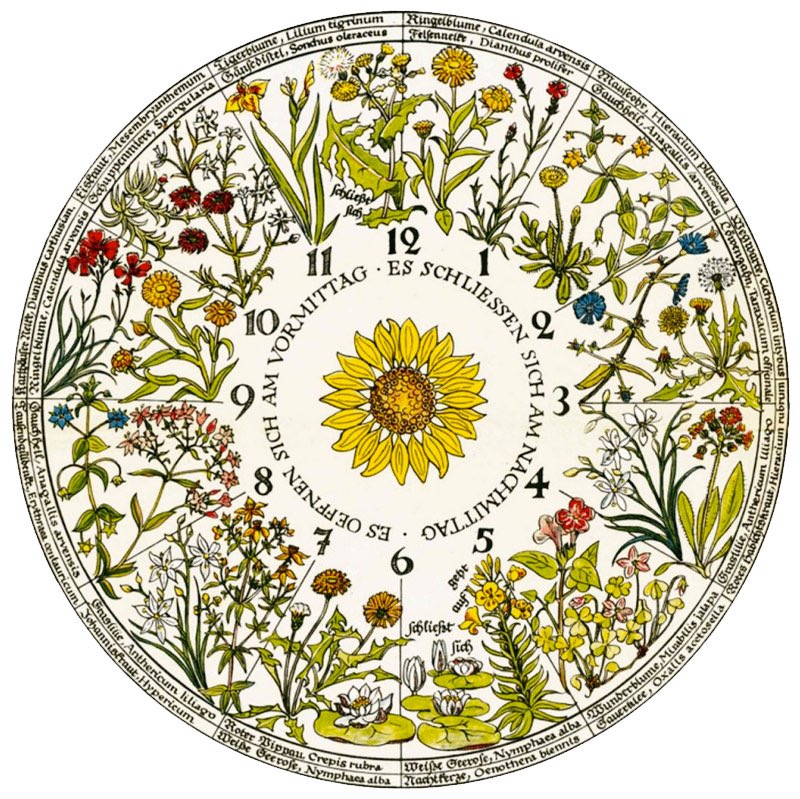
Linnaeus's flower clock is a fascinating and historical concept created by the Swedish botanist Carl Linnaeus in the 18th century.
In 1751, Linnaeus designed a flower clock as a way to show how different flowers bloom at specific times of the day, thus creating a living "clock" that could be used to tell time based on the opening and closing patterns of flowers.
For example:
•5:00 AM (early morning) – Crocus (known for opening at dawn)
•9:00 AM – Poppy (which opens late morning)
•12:00 PM (noon) – Lily (which blooms around noon)
•3:00 PM – Rose (usually opens fully in the afternoon)
•6:00 PM (evening) – Evening primrose (blooms in the evening)
•9:00 PM (night) – Night-blooming cereus (which opens at night)
Our new paper, based on data from 1,705 studies, shows that pesticides are toxic to organisms they are not intended to harm, including fungi, microbes, plants, insects, & vertebrates such as ourselves. Questions the wisdom of applying over 3 million tonnes of them every year...
I’m in this month’s @GdnsIllustrated in the Gardening Talent section which is a huge honour!
I’m talking all things gardening inspiration, climate change and the importance of going peat free for nature and climate 🌍🌱🌳🌸
🌿 The Natural History GCSE is at risk!
🍎 Labour’s Education Secretary Bridget Phillipson can decide its future.
🍏 Green MP Ellie Chowns is meeting her soon - let’s show our support NOW
📢 Add your name & urge Labour to back the #NaturalHistoryGCSE!
🔗https://t.co/PvAxEAm0ue