Am 14. September gibt es in Bochum eine Abendrevue zu Verschwörungserzählungen, die ich mit Pia LAmberty und Lote Pummerer gestalte unter Mitwirkung von Tobias Rothmund und Sekten-Info NRW. Tickets sind begrenzt und unter dem Link bestellbar.
Das NDR-Magazin ZAPP hat sich mit dem Fall Muhammad al Muhammad beschäftigt, einem syrischen Geflüchteten, der in einem Akt von Zivilcourage einen Messerangriff unterband -- und sich anschließend Diffamierungen und Verschwörungstheorien ausgesetzt sah.
https://t.co/88tlNodT58
🚨 New Preprint 🚨
"The Psychology of Conspiracy Mentality". In this overview chapter, accepted at Advances in Experimental Social Psychology, I review what we know about conspiracy mentality as an individual difference https://t.co/eGbpOY4fLk.
@_Hans_Alves_ The paper is 50-day #openaccess until Feb 18: https://t.co/pM3ijKBqTB Better save your pdf. After an 11-year odyssey (entirely on us and our priorities) this paper has finally found a home and we can finally give an answer to the question reviewers asked back then: Why ideology?
🚨 New Paper alert! 🚨 Koch, Dotsch, Imhoff, Unkelbach, & @_hans_alves_ (2025). Ideological beliefs as cues to exploitation-exploration behavior. @JExpSocPsy https://t.co/lhoTwPlTjM
This paper has a long story to it. Sorry, but I will not spare you.
@_Hans_Alves_ And indeed, manipulating the best strategy in an Iowa Gambling Task (in the paper) or a balloon pumping task (BART, not in the paper) changed who participants trusted more to delegate their decision to. In high-risk environments, they choose more conservative people.
Are conspiracy theorists “stupid”? 🧠 In this new paper, @rolandimhoff and @TBertlich show that… well, it depends. If the theory is implausible, then yes, people tend to have lower cognition abilities. Plausible theories do not show this association.
https://t.co/kbfIaohJC2
Do conspiracy beliefs result from a lack of cognitive sophistication to understand that they are bullshit? In a new comment, Tisa Bertlich and I argue that the available evidence is biased by an exclusive focus on factually wrong conspiracy theories.
https://t.co/X2g3jc2U3c
@lakens@nulliusverbapod You are not the only person happy with it. On the rare occassion of a car ride, this is much more of a happy listen than world news....
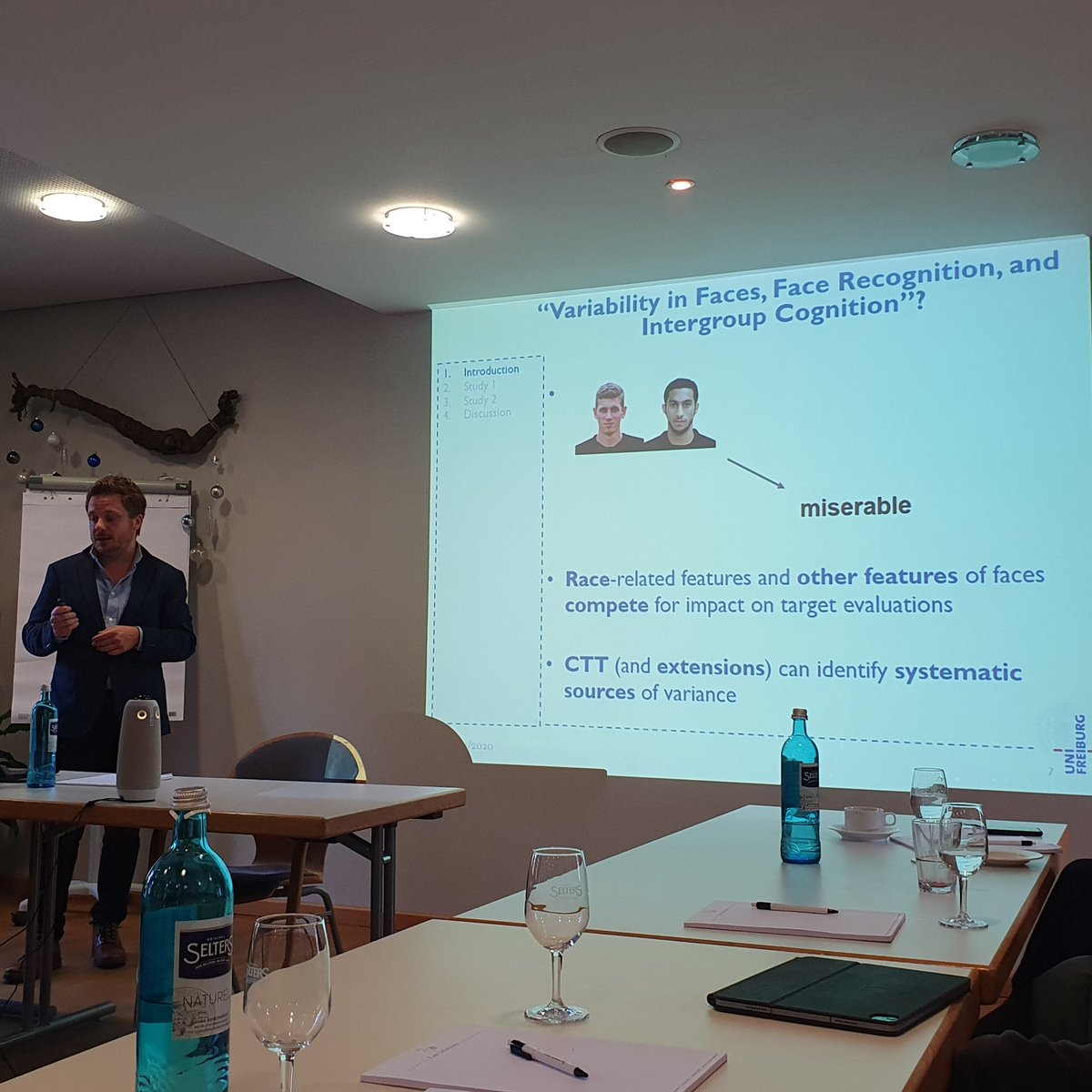
Evaluative priming tasks frequently assume that averaging across faces of a race will provide a good measure of race evaluation. Manuel Becker argues that faces have many more features that might play a role. Osthofen #facemeeting
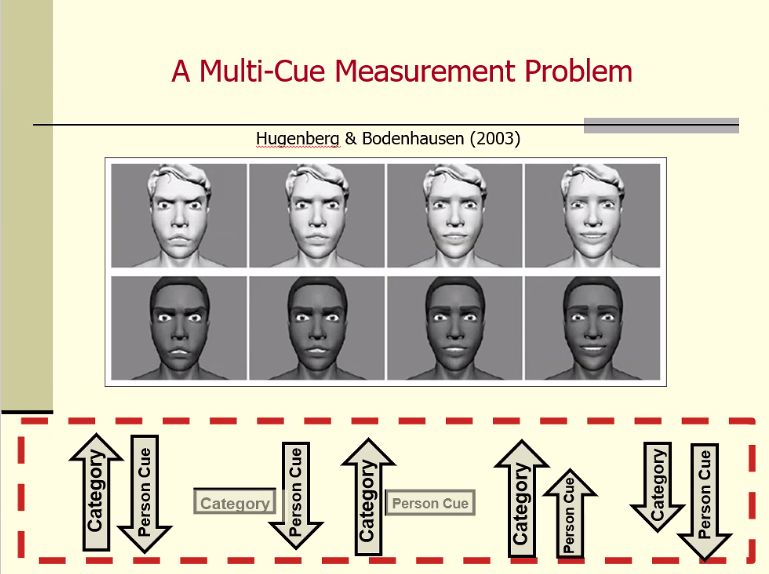
Jeff Sherman explains how application of category information is ambiguous as to whether category cue is used more, person cue is used less, both or a mix. Proposed multinomial processing trees as a formal solution. Osthofen #facemeeting
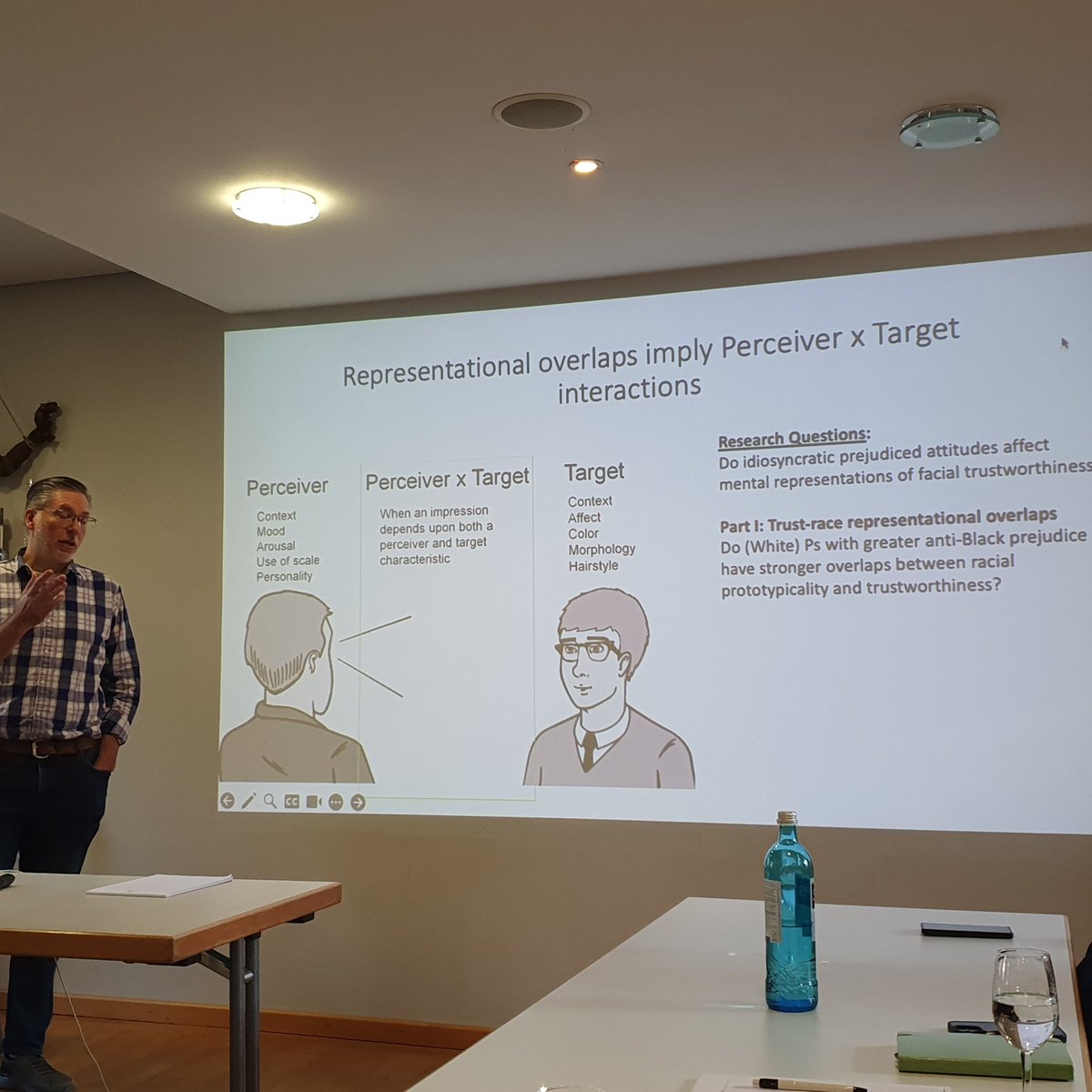
Kurt Hugenberg asks whether individual prejudice affects mental representations of facial trustworthiness... Gender and Race prototypicality might be baked in into how white people construe facial trustworthiness Day 3 of Osthofen #facemeeting
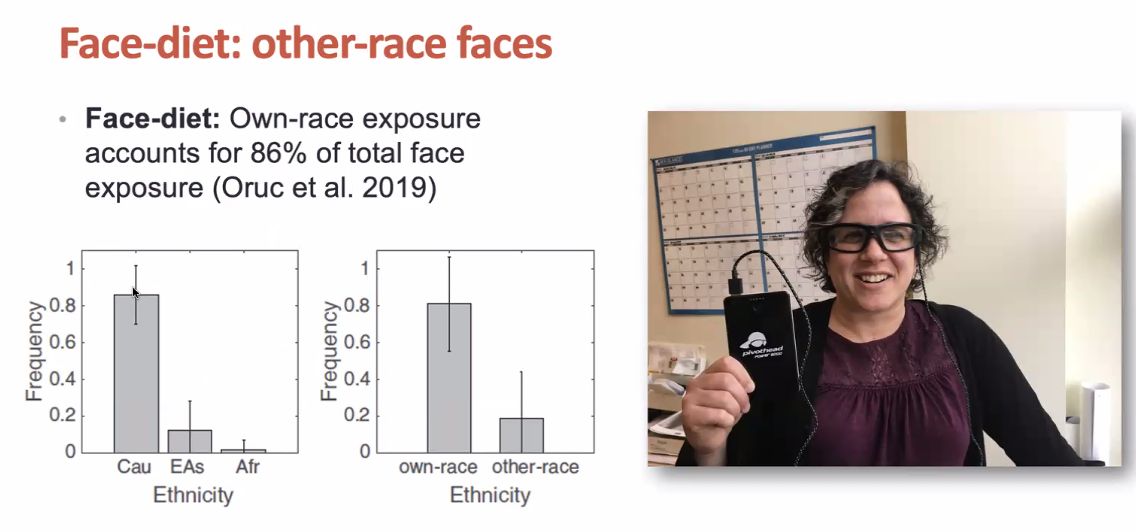
Ipek Oruc brings welcome vision science expertise to Osthofen #facemeeting. The "Face diet" method records all faces people encounter during their waking hours. People do see more own-race faces in their environment - limited other-race exposure is associated with increased ORE.