@UpdatingOnRome How many brothers fell victim to the siege?
Rest in peace young knights, there’s a Heaven for a Greek.
Be a lie if I said I never thought of death
My men, we the last ones left.
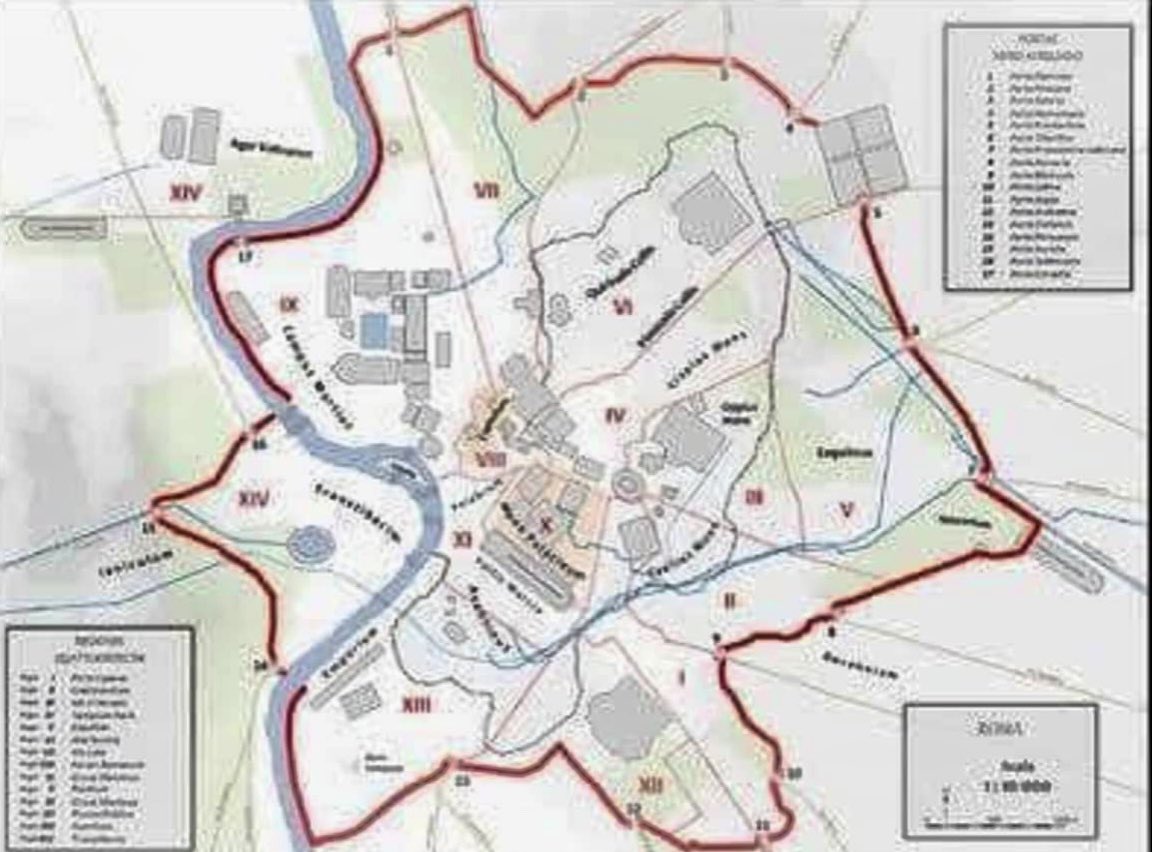
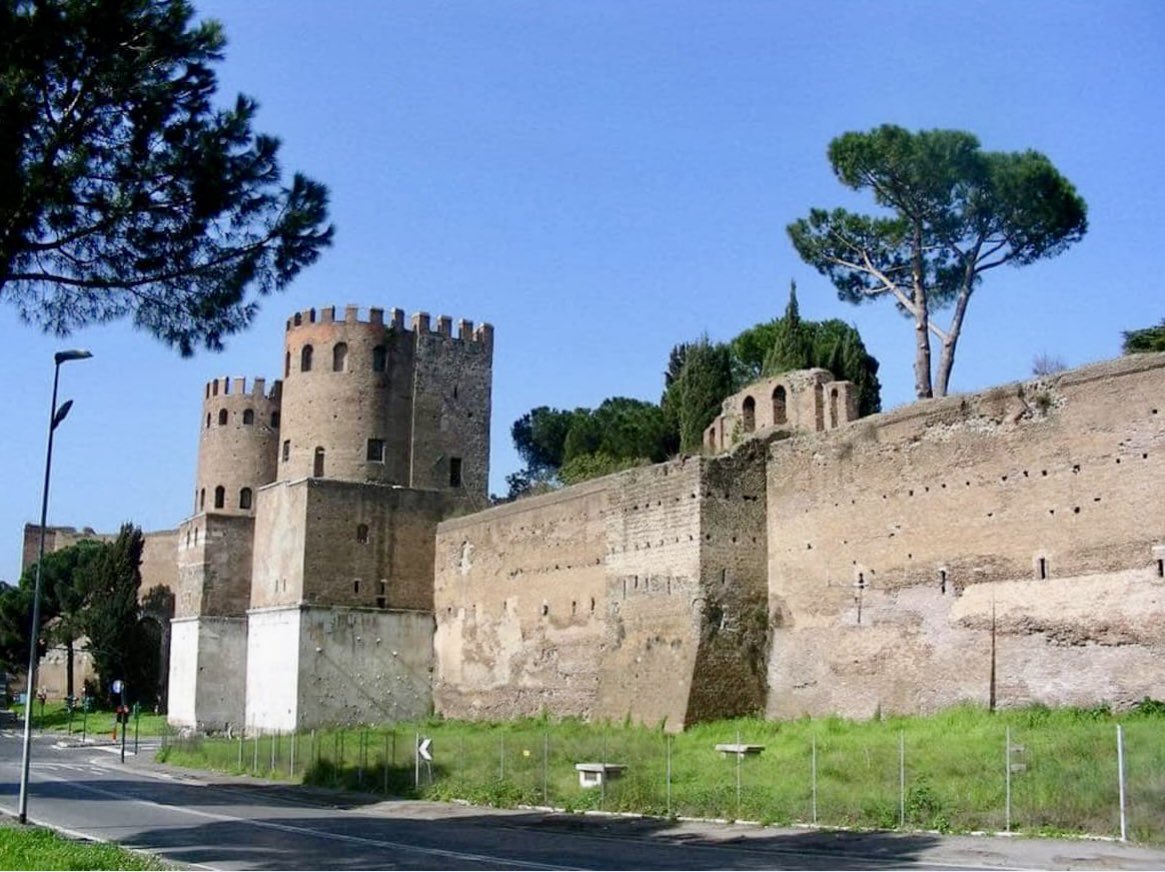
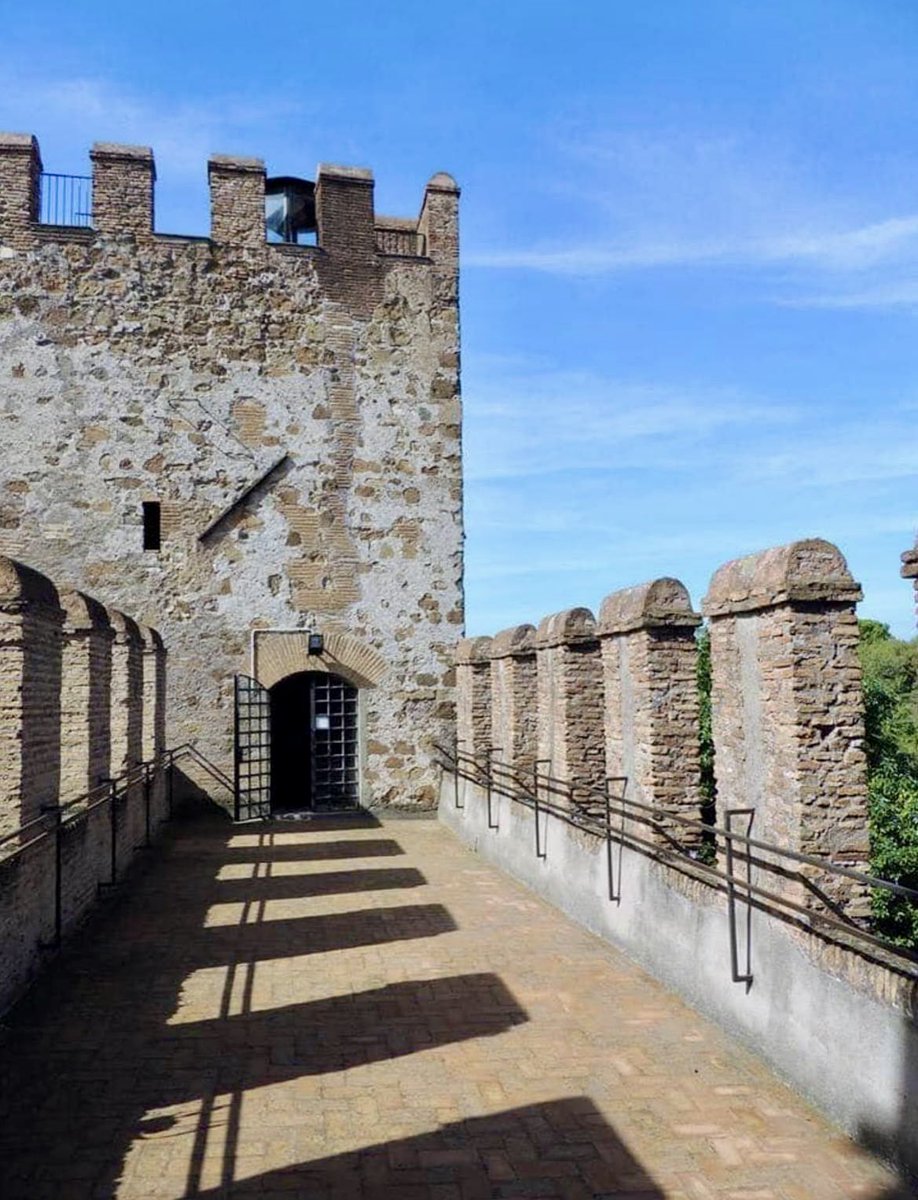
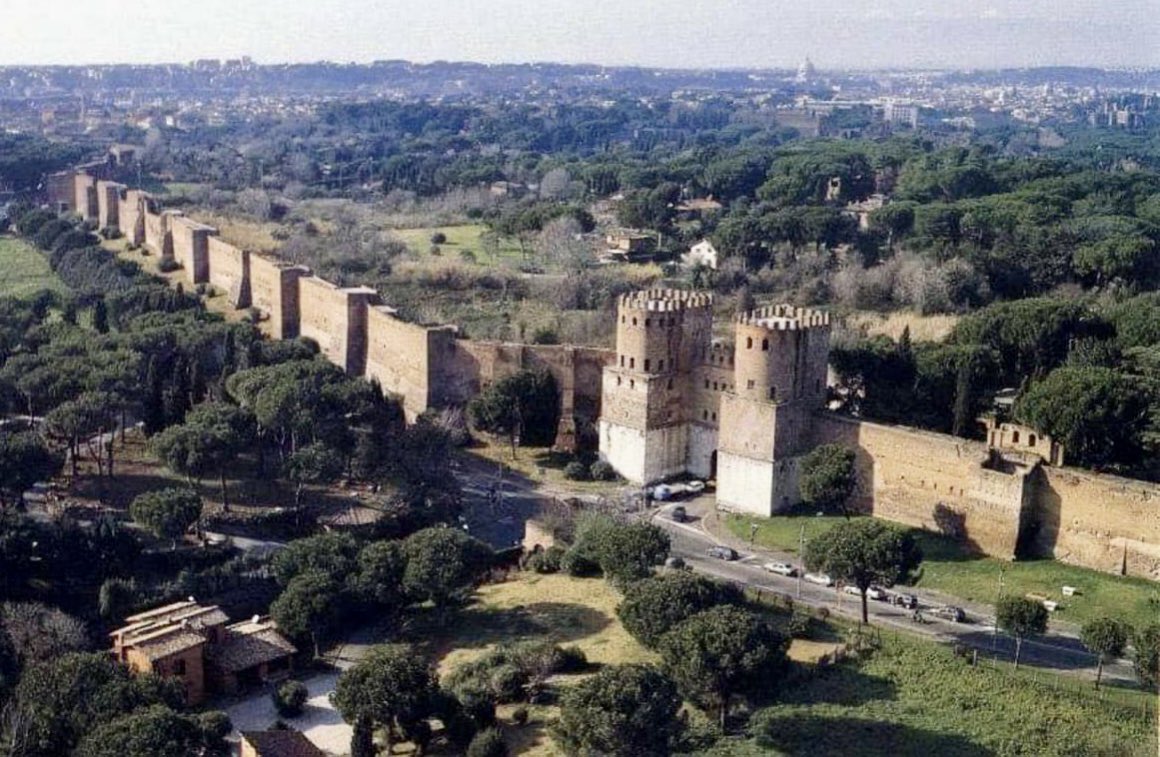
The Aurelian Walls, raised from AD 271-275, encircled Rome with a formidable 19 km (12 mi) barricade, enhancing and improving the older and smaller 4th century BC Servian defenses. These walls, constructed in brick-faced concrete, towered at 8 m (26 ft) and later doubled in height, defending an area of 13.7 km2 (5.3 sq mi). It was a monumental effort by Rome to protect the city, integrating existing structures for rapid completion. The walls stood as a bulwark, their 383 towers and 18 gates a symbol of Rome’s power resilience. #AncientRome 📷: Mario Aramburri, 2017
The ‘Ring Lady’ of Herculaneum was about 45 years old when Mount Vesuvius’s eruption in AD 79 sealed her fate. Found with her gold jewelry intact, she lies at the town’s ancient waterfront. Herculaneum, now part of modern day Ercolano, Italy, was once blanketed in deep ash which preserved its rich history, making it an equally important and fascinating counterpart to Pompeii, its famous neighbor.
@megbasham Not sure, but Rome had a God ordained role. Rome was the empire God chose to send Jesus to in order to carry out His life, teachings, and sacrifice.
@GPAtrides@nonregemesse Definitely check out Eagle in the Snow! Starts slower but builds to a powerful level. Pressfield wrote the intro which is what drew me to it.
@PatronTheophan@nonregemesse So good. I’m due for another read. Check out Eagle in the Snow too! It takes a while to get going then it’s full speed ahead. Pressfield wrote the intro for it.
Ten months ago, we launched the Vesuvius Challenge to solve the ancient problem of the Herculaneum Papyri, a library of scrolls that were flash-fried by the eruption of Mount Vesuvius in 79 AD.
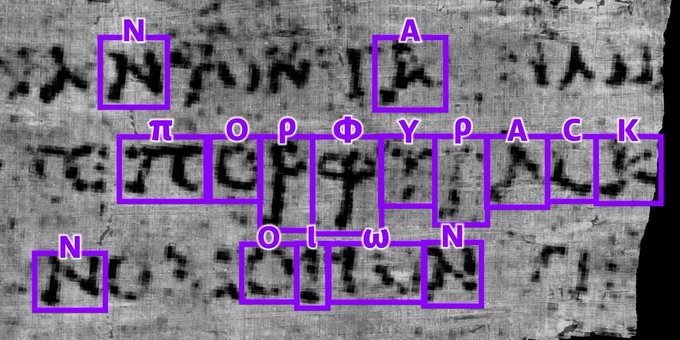
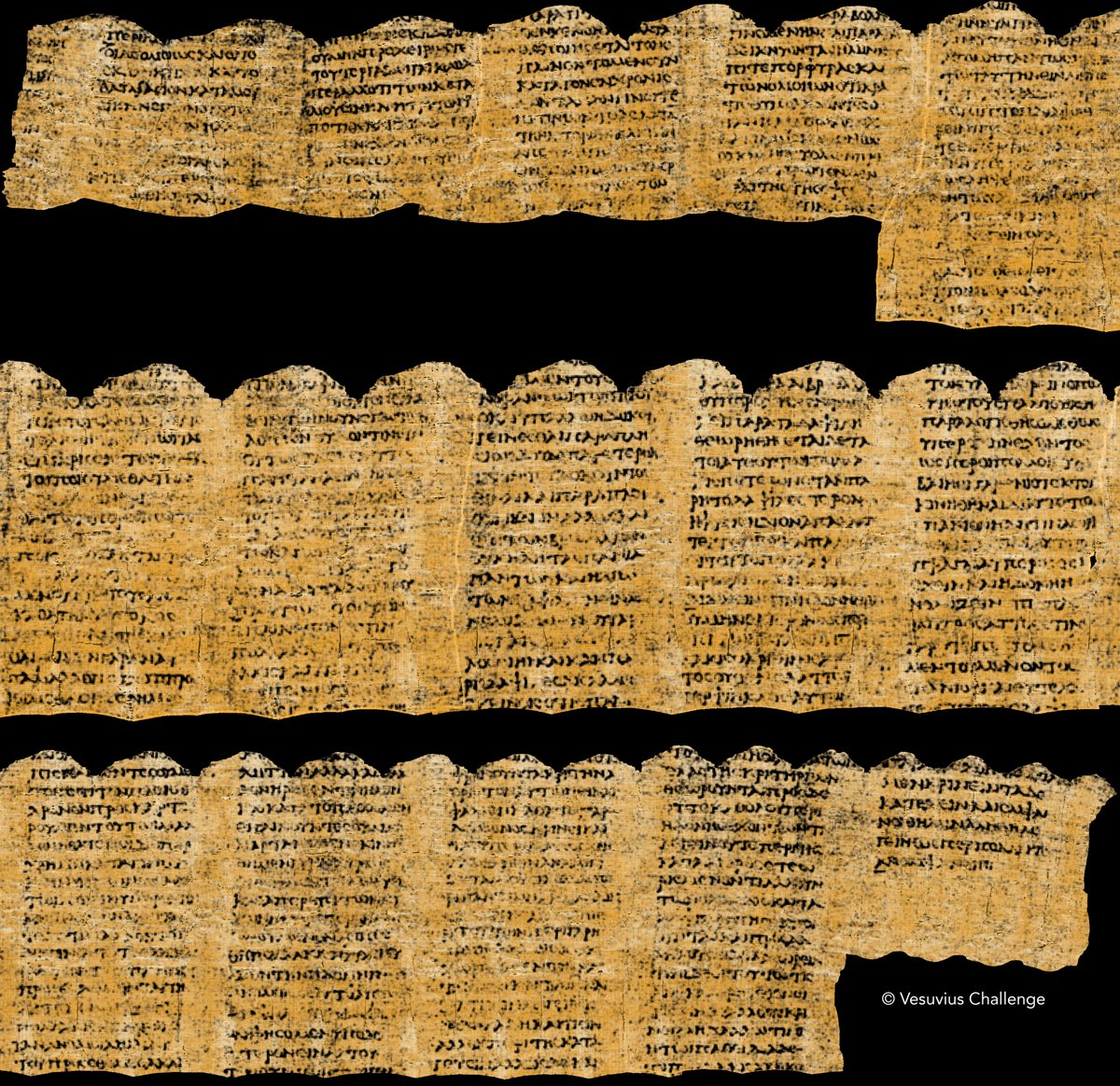
Today we are overjoyed to announce that our crazy project has succeeded. After 2000 years, we can finally read the scrolls:
This image was produced by @Youssef_M_Nader, @LukeFarritor, and @JuliSchillij, who have now won the Vesuvius Challenge Grand Prize of $700,000. Congratulations!!
These fifteen columns come from the very end of the first scroll we have been able to read and contain new text from the ancient world that has never been seen before. The author – probably Epicurean philosopher Philodemus – writes here about music, food, and how to enjoy life's pleasures. In the closing section, he throws shade at unnamed ideological adversaries – perhaps the stoics? – who "have nothing to say about pleasure, either in general or in particular."
This year, the Vesuvius Challenge continues. The text that we revealed so far represents just 5% of one scroll.
In 2024, our goal is to from reading a few passages of text to entire scrolls, and we're announcing a new $100,000 grand prize for the first team that is able to read at least 90% of all four scrolls that we have scanned.
The scrolls stored in Naples that remain to be read represent more than 16 megabytes of ancient text. But the villa where the scrolls were found was only partially excavated, and scholars tell us that there may be thousands more scrolls underground. Our hope is that the success of the Vesuvius Challenge catalyzes the excavation of the villa, that the main library is discovered, and that whatever we find there rewrites history and inspires all of us.
It's been a great joy to work on this strange and amazing project. Thanks to Brent Seales for laying the foundation for this work over so many years, thanks to the friends and Twitter users whose donations powered our effort, and thanks to the many contestants whose contributions have made the Vesuvius Challenge successful!
Read more in our announcement: https://t.co/rUlrdGXBMs