University of South Carolina Gamecock, computer software trainer, math teacher, military history trainer, golf lover, poker, & chess, Zen practitioner in ATL
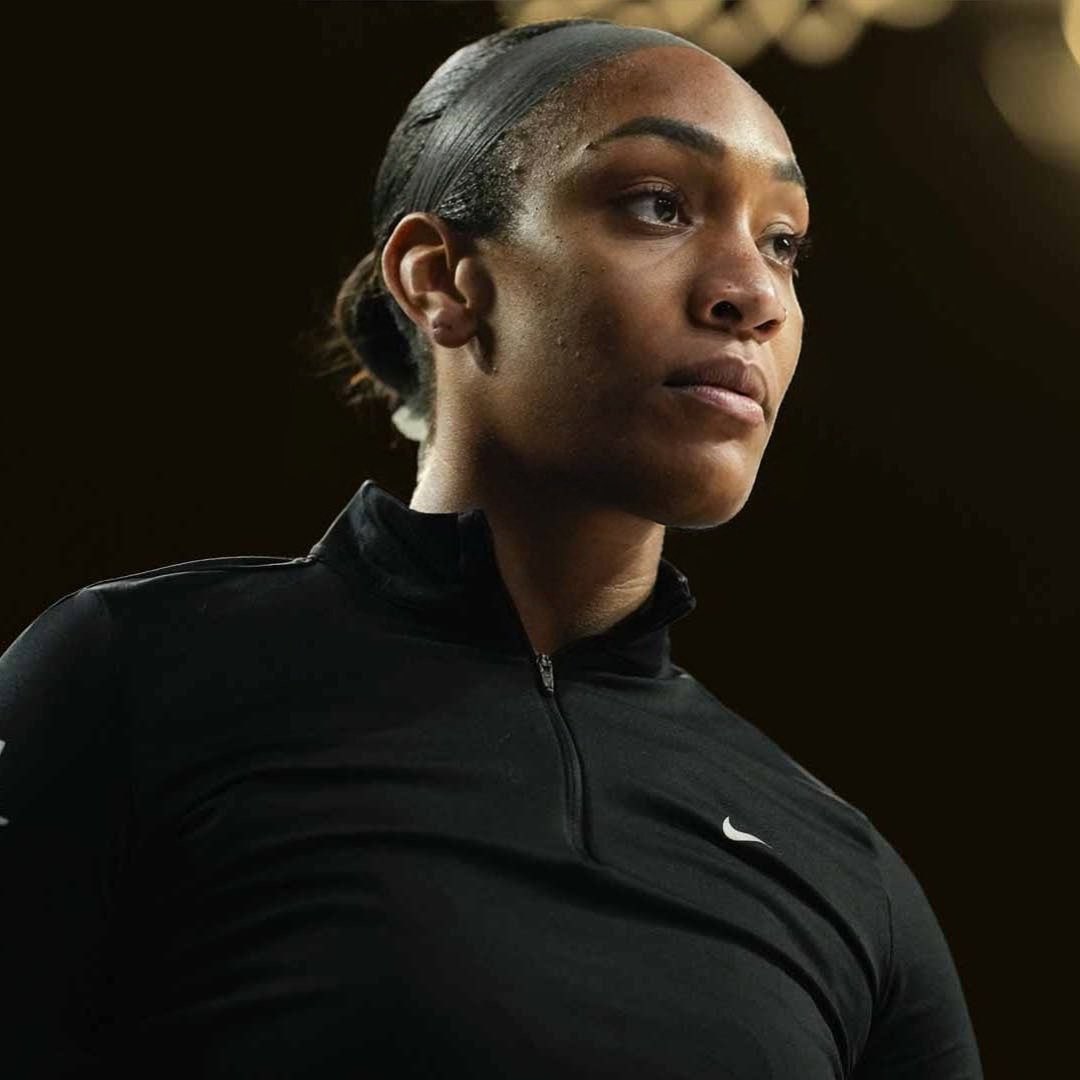
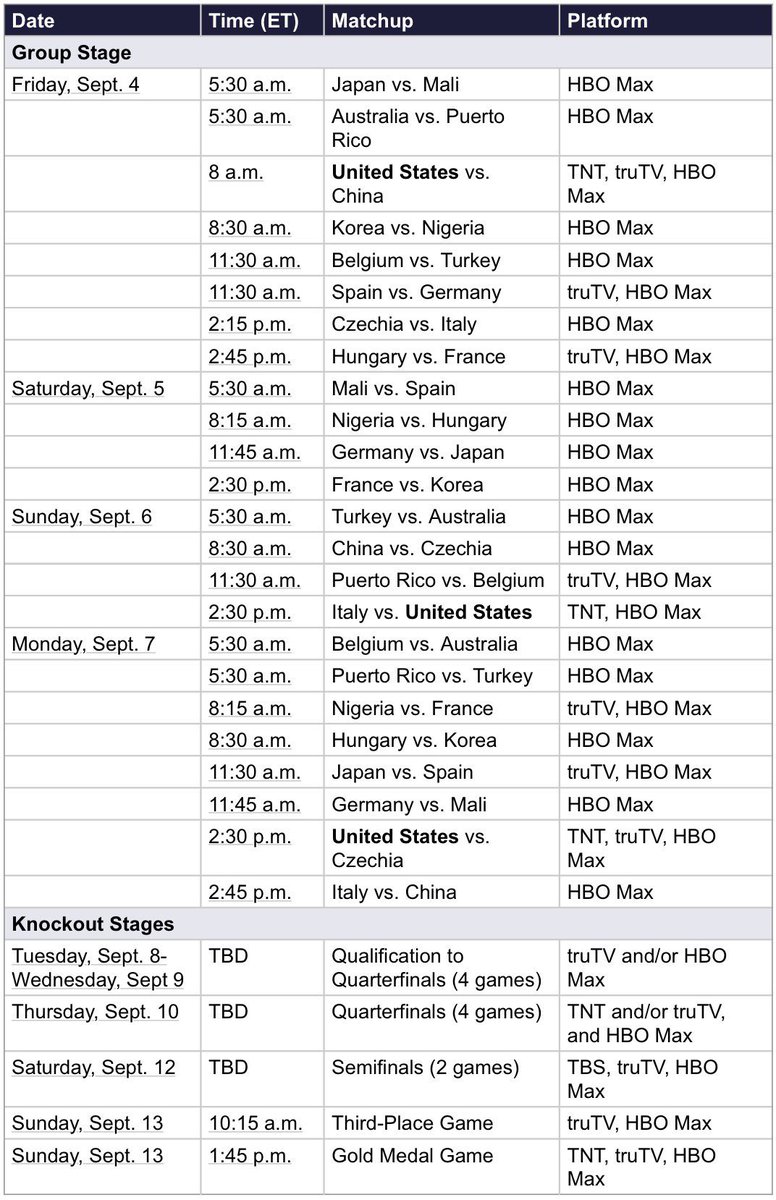
Longtime “SportsCenter” anchor Linda Cohn questioned whether A’ja Wilson has some level of insecurity toward Caitlin Clark and whether that could be a reason she isn’t playing in the FIBA World Cup.
And I guess the question we have is: What exactly would A’ja Wilson be insecure about?
Is it basketball-related? It can’t be. Caitlin Clark is a zero-time champion at the high school, collegiate and, currently, WNBA level. Wilson is a high school state champion, led South Carolina to its first national championship and helped build a dynasty with the Las Vegas Aces, where she has won three WNBA championships. Oh, and she’s the only player in league history with four MVPs.
So clearly, it isn’t about basketball accomplishments. Are we talking about off the court? That doesn’t make much sense either. Clark’s most notable appearances away from basketball have largely involved golf. Not exactly sure why that would be something Wilson is sitting around feeling insecure about.
So is it the fans and attention? When you look at the fans Clark has, who exactly would want that? And obviously Wilson isn’t going to receive the exact same type of attention Clark does. She has never been pushed and pumped by the media at the rate Clark has, nor has she ever found herself at the center of the type of racially charged rivalry that has followed Clark throughout her professional career.
It’s a disservice to Caitlin Clark when so much of the conversation surrounding her relies on tearing down other players.
And it’s incredibly disrespectful to players like Wilson when trusted sports-media figures throw around narratives like this about someone who has spent years building one of the greatest résumés in basketball. It only adds fuel to the baseless jealousy narrative and gives Clark’s fans more red meat to feed off of, reinforcing this idea that Clark is somehow a damsel in distress who needs to be defended from other players. That, in turn, creates even more hostility toward players who are portrayed as jealous, bitter or somehow threatened by her when there is no actual basis for those claims.
Eventually, you start to realize that there are far too many paid fans disguised as media members.
At some point, a line has to be drawn. Enough is enough.
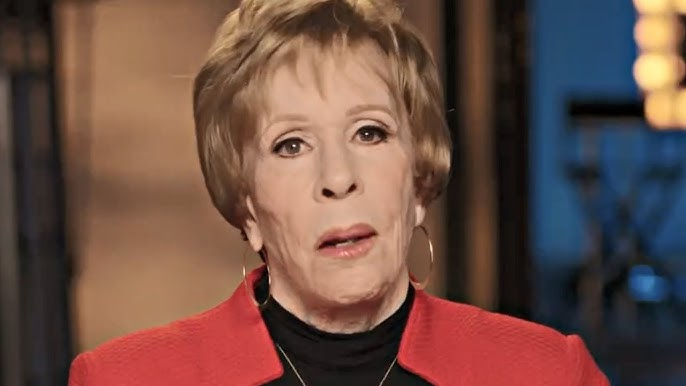
Carol Burnett rang a CBS vice president over the holidays in 1966 to say she wanted to use a clause in her contract. He asked her what clause she was talking about.
Four years earlier she had signed a ten-year deal with the network that guaranteed her one hour-long special a year and two guest spots on their sitcoms. It was steady, comfortable work.
Her agent had put in one more line. Within the first five years, if Burnett decided she wanted an hour-long comedy variety show, CBS had to put thirty of them on the air, pay or play, whether the network wanted to or not.
Nobody expected her to use it, including her. She had spent years on somebody else's variety programme and doubted she could carry one of her own, so the clause sat there unused while the deadline came closer.
In the final week of the fifth year she and her husband looked at each other and decided to make the call. She was 33.
The executive had to send lawyers to find the clause. He rang back the next day and told her that comedy variety was a man's game, then listed the men who owned it, from Sid Caesar and Jackie Gleason through Milton Berle to Dean Martin. Then he offered her the alternative the network had lined up, a sitcom called Here's Agnes.
She said she did not want to be Agnes. She wanted sketches, guest stars, a repertory company, a 28-piece orchestra and the costume changes that went with all of it.
The contract was the contract, so they put it on the air. The Carol Burnett Show ran eleven years, 279 episodes and 25 Emmys, and she got it by reading a contract back to a man who had forgotten he signed it.
https://t.co/BxPcWFbtwM
Keisha Lance Bottoms and Rick Jackson have both agreed to a live debate for Georgia governor on Oct. 6. Undecided Georgia voters will get to ask the candidates questions directly.
This warning from Malcolm X remains one of the most razor-sharp critiques of media control and public perception ever spoken. Addressing how mainstream news outlets shape narrative dynamics, he illuminated a tactic as relevant today as it was during the Civil Rights Movement: controlling the story means controlling who gets humanized and who gets vilified. By carefully framing protests, systemic struggles, and civil rights demonstrations through a lens of disruption rather than survival, mainstream coverage often flipped the roles of victim and aggressor to maintain the status quo.
This legendary moment made South Carolina the NATIONAL CHAMPIONS in 2010 🐔🤙
They would then follow up this national championship win the very next season with ANOTHER 😤🔥
BREAKING: After 30,000 pounds of beef were just recalled, Trump's Agriculture Secretary just admitted she has no idea where the beef came from. Every American needs to see how incompetent this Administration is.