Early morning views.
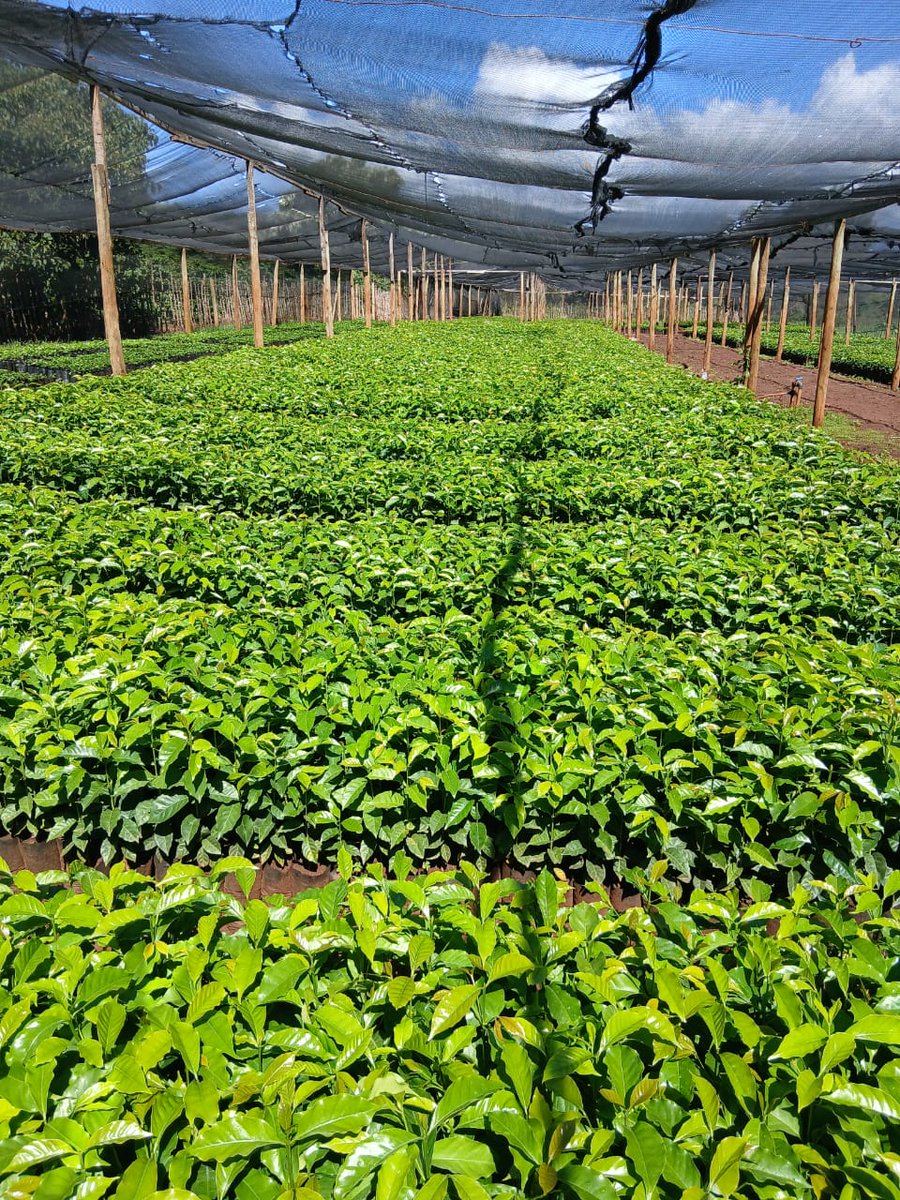
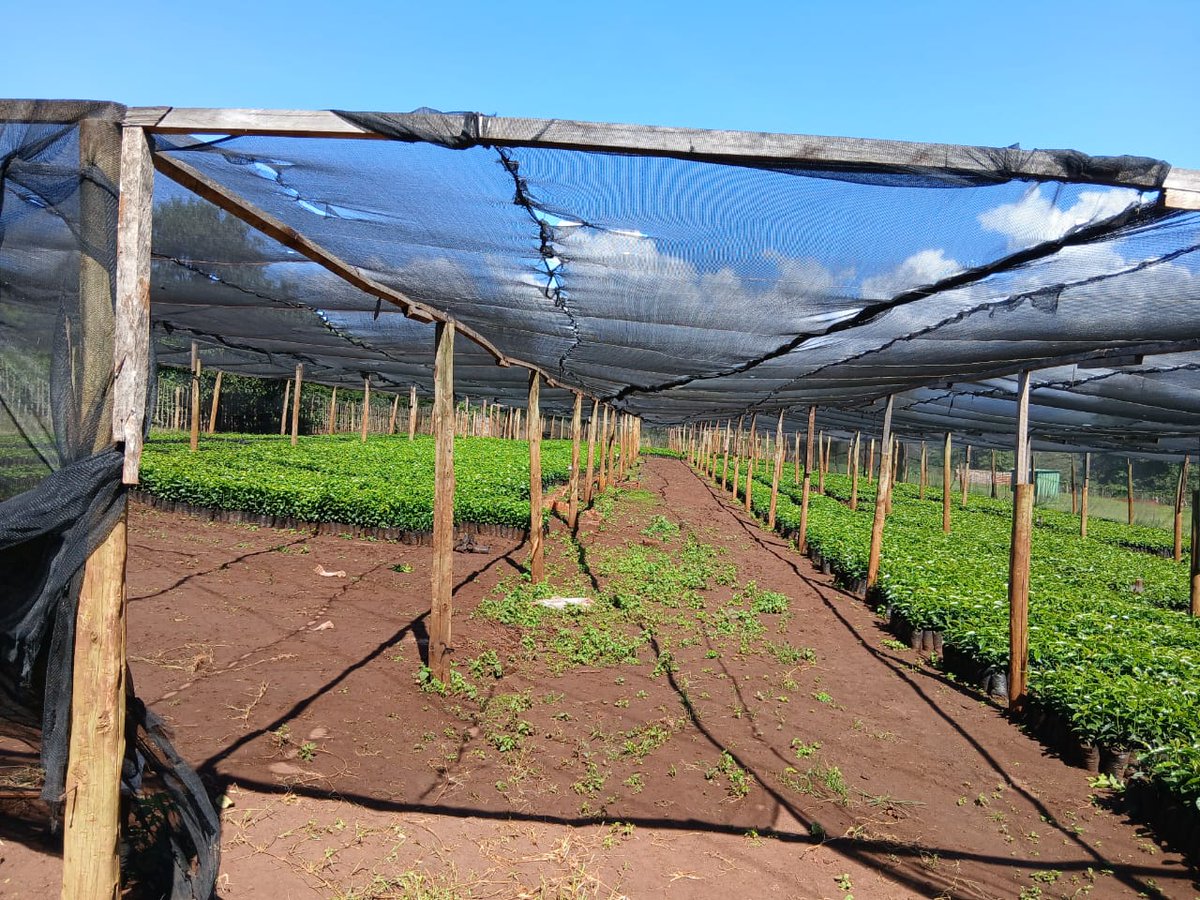
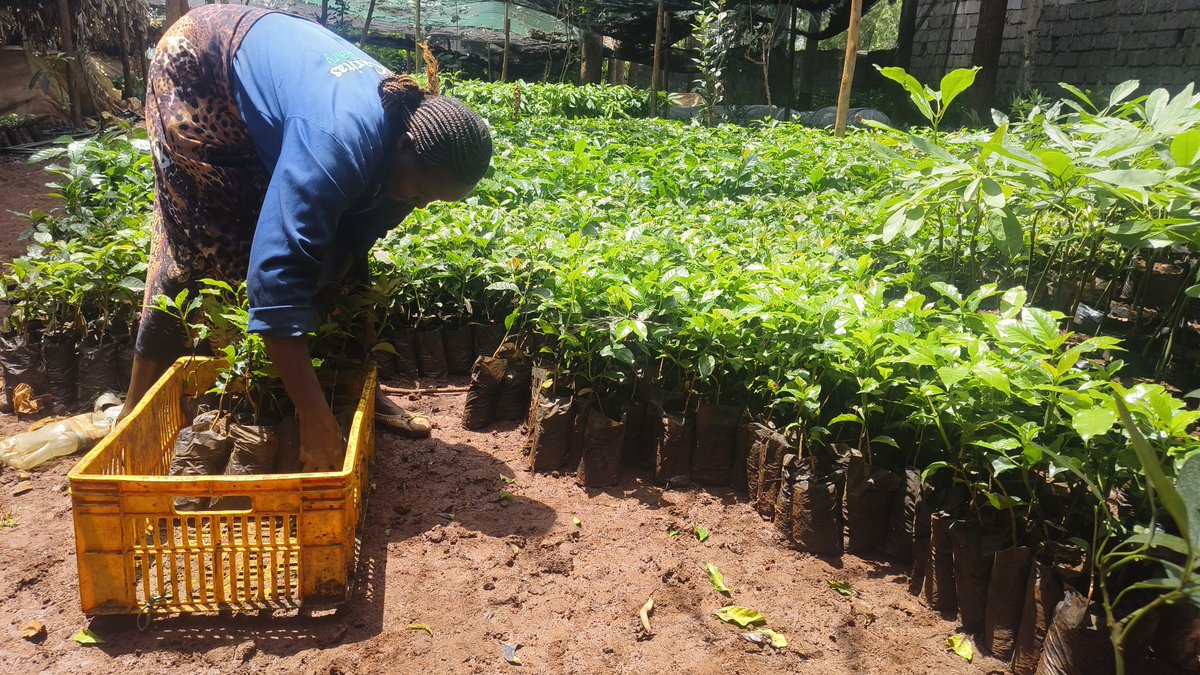
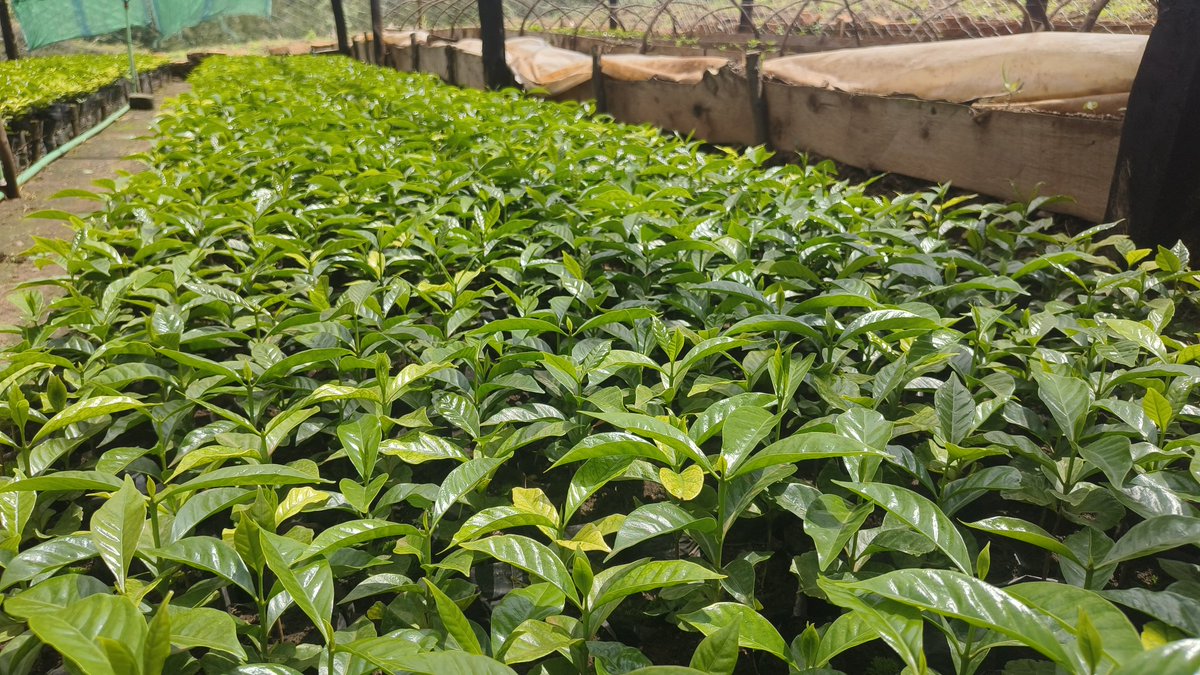
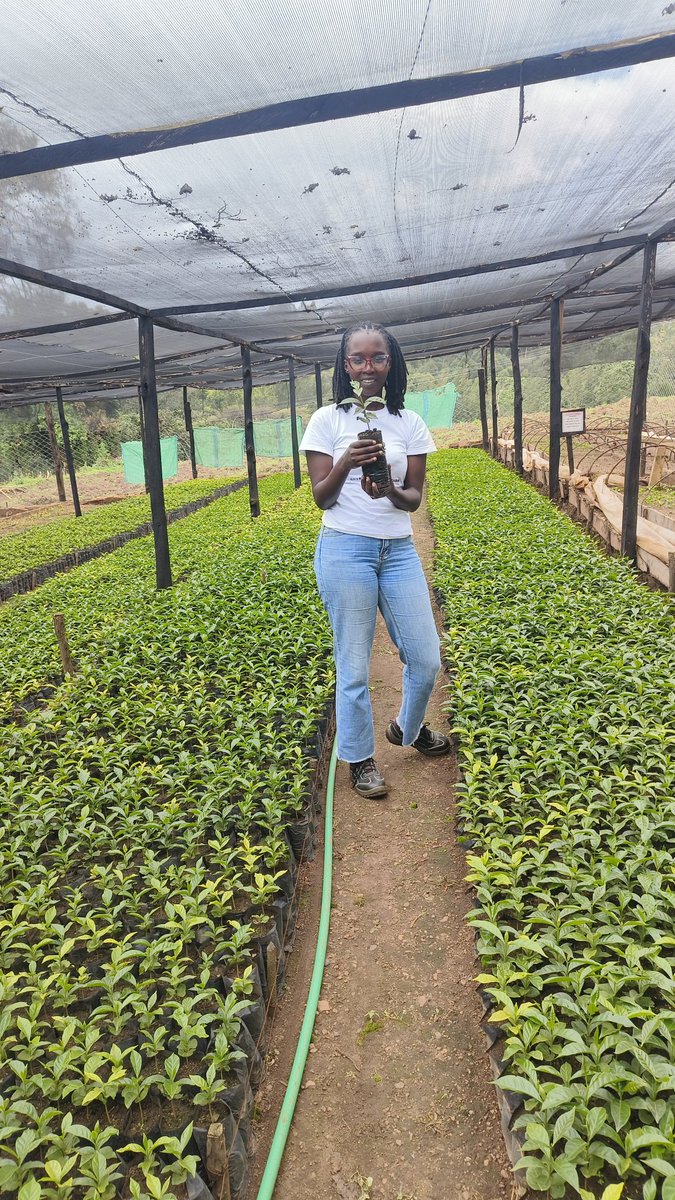
Shughuli za Seedling sourcing for our Client planting Grafted ruiru 11.
@ZurriCoffee we verify every nursery and deliver to your farm.
Quality Seedlings ensures sustainable Coffee Farming.
Brian Kimutai a graduate with a BSC Electrical and Electronics Engineering is looking for a internship/job. Retweet, his employer might be on your timeline. @briansnitch88
A simple query on @claudeai shows how Ruto’s argument collapses under basic economic scrutiny on multiple fronts.
The income classification sleight of hand
Kenya’s “middle-income” status refers to GDP per capita crossing a World Bank threshold, not to the purchasing power of ordinary citizens. Median Kenyan household income remains well below $5/day. The relevant comparison for fuel affordability is not national income classification but the fuel price-to-wage ratio, and by that measure, Kenyans pay far more relative to earnings than citizens of many so-called middle-income peers.
The real drivers are well-documented: heavy taxation through stacked levies including fuel levy, excise duty, VAT, and the road maintenance levy, compounded by the Petroleum Development Levy and chronic import infrastructure inefficiencies at Mombasa. These are policy choices, not the inevitable consequence of national income status.
The comparison is self-serving and selective
By his own logic, Kenya should have cheaper fuel than Tanzania, Uganda, and Ethiopia. It doesn’t. Those countries import fuel under similar logistics constraints, yet prices are lower. The “low-income neighbour” framing explains nothing about the price gap. Tax and levy policy does.
The middle-income peer comparison also fails him
South Africa, Namibia, Botswana are all middle-income countries with lower or comparable fuel prices, stronger refinery infrastructure, and more transparent pricing mechanisms.
The core intellectual dishonesty
He answered why Kenyans complain by reframing who they should compare to, without once addressing the actual question: why does the government collect so much in fuel levies while infrastructure remains poor? Look at the quality of roads @KeNHAKenya is busy building.
3 years ago, a young farmer reached out for our Coffee Farming Incentive.
Today, his coffee bushes are thriving and loaded with green cherries!
Youth + support = real growth in Kenyan coffee.
Proud to see this!
#KenyanCoffee#YouthInAgriculture#CoffeeFarming@kenkamuiru
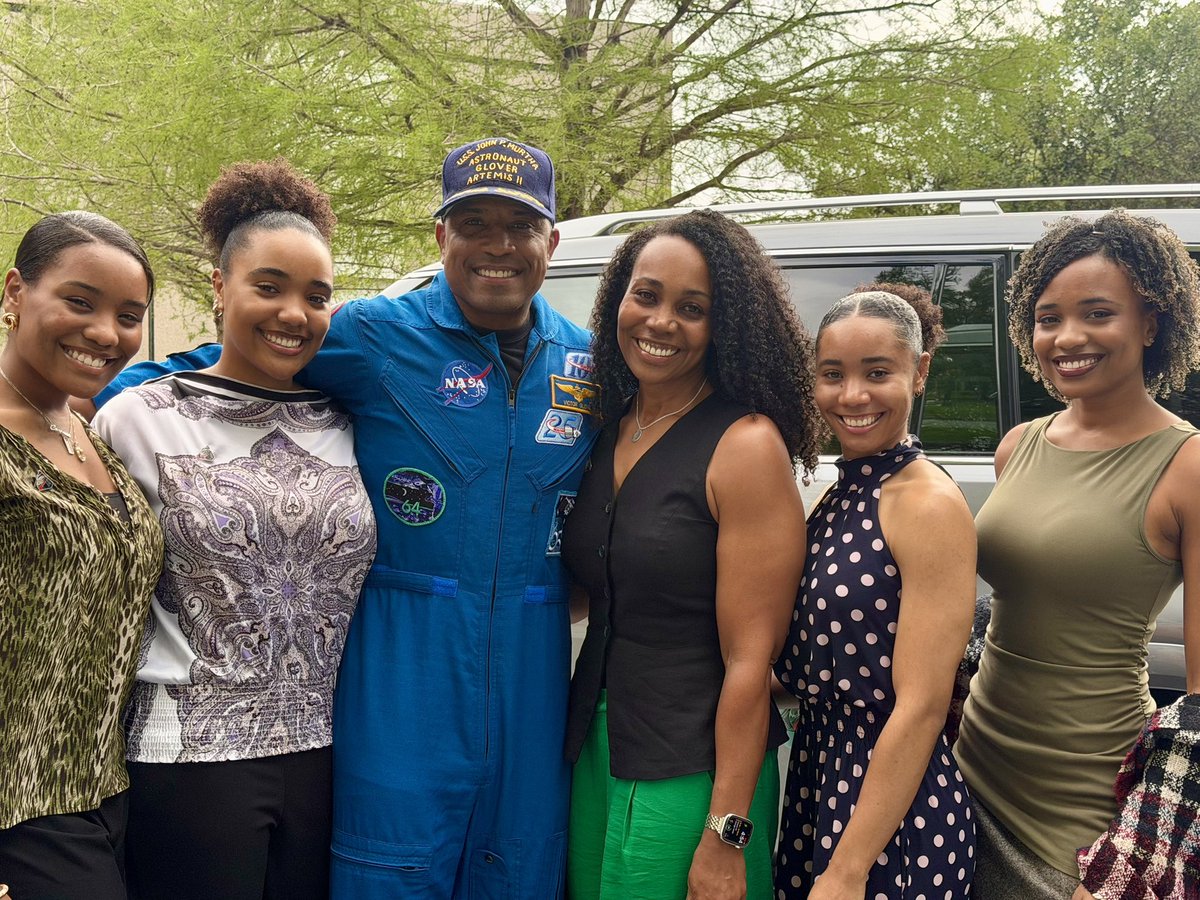
Home, again! Mission complete. I hope we glorified God, humanity, our families and our terrific teams a @NASA and @csa_asc. Time to share the good news!
Napendwa kwetu guys 😍
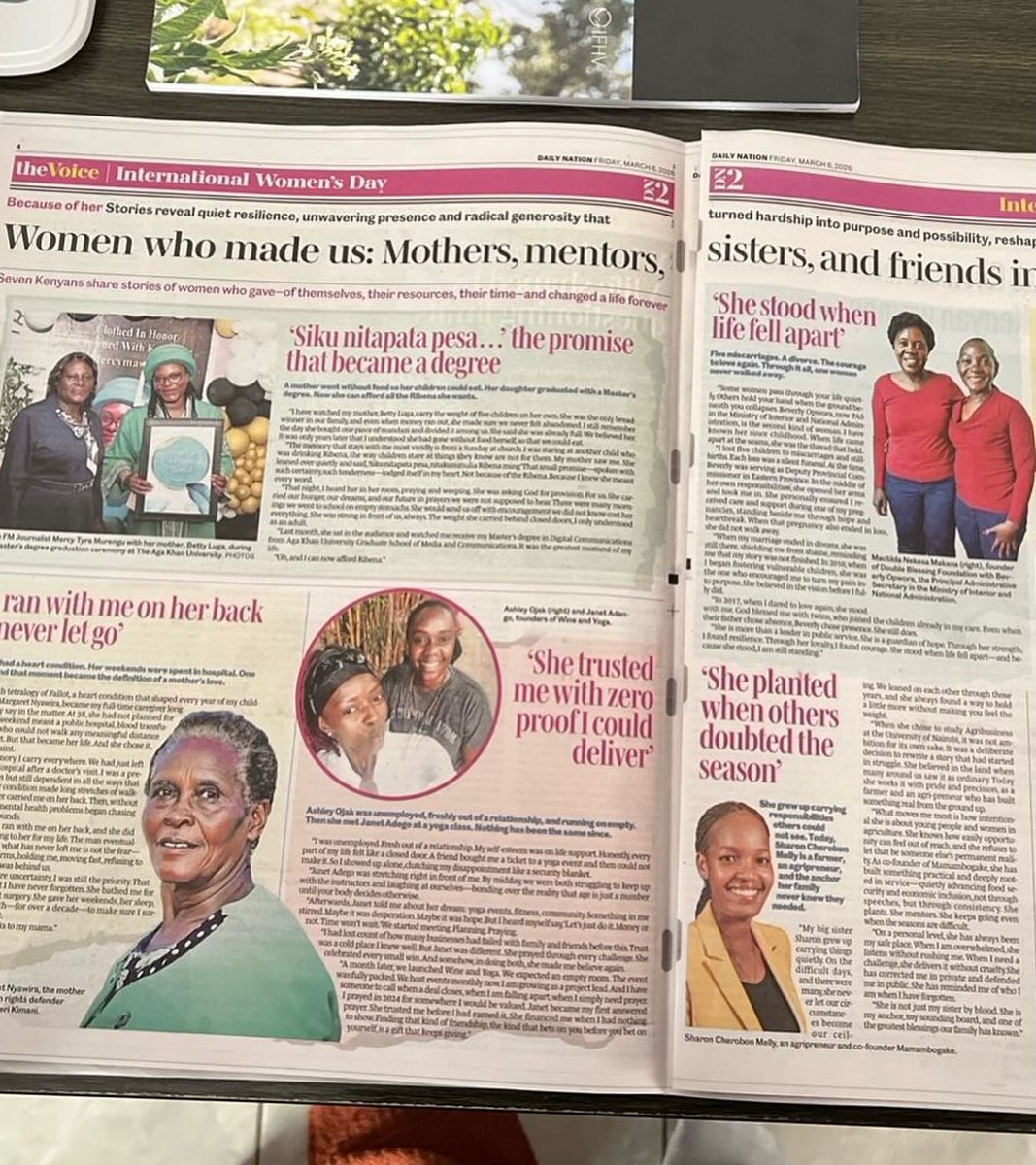
My brother wrote a beautiful piece about me, and got it published just to celebrate my efforts in Agriculture and Food Systems on this year’s #InternationalWomensDay
Ah, this is my family ❤️
@_AfricanFood @PierraNyaruai @MamaMbogaKe
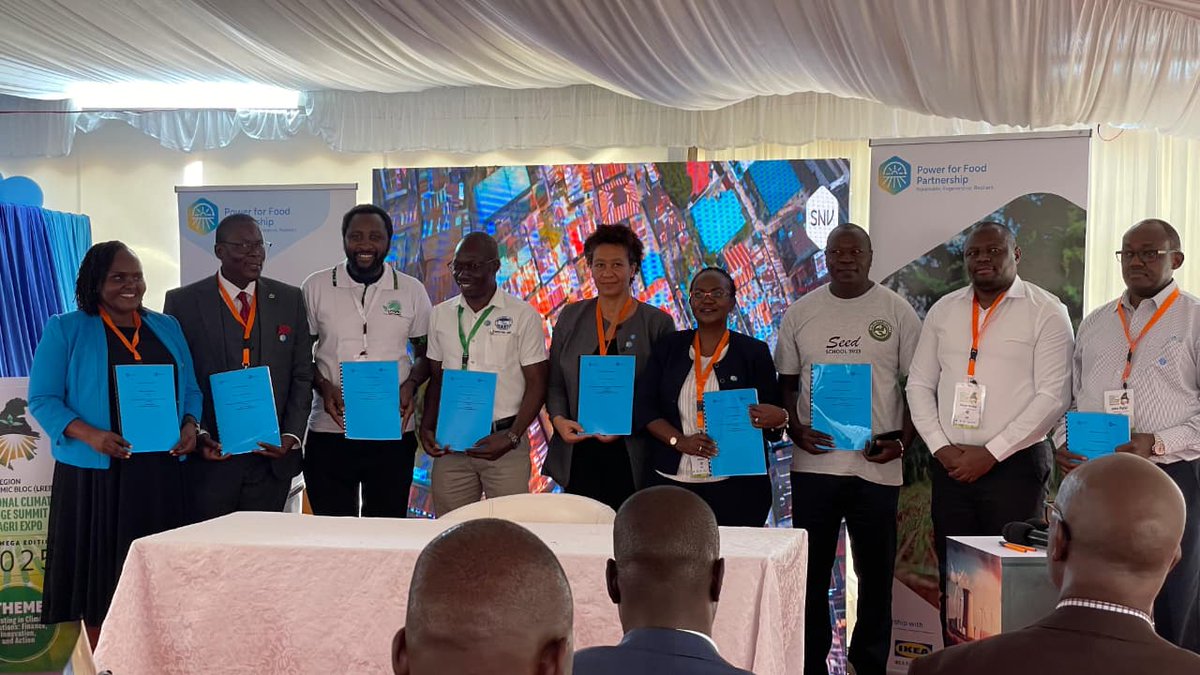
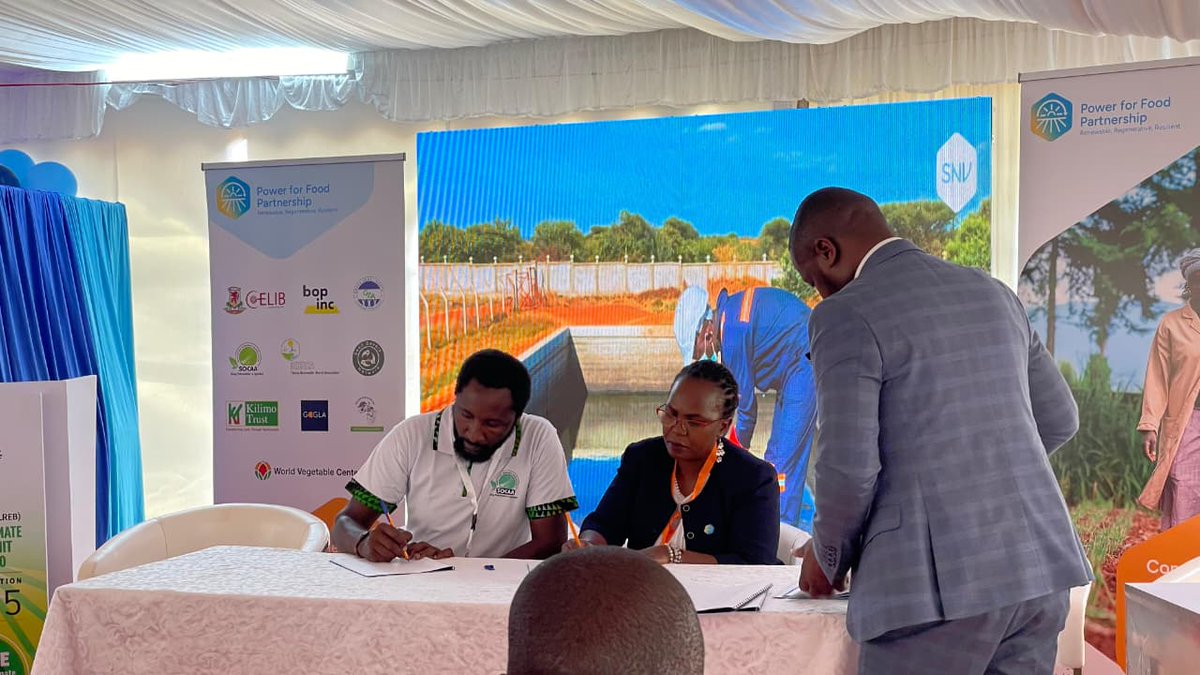
Absolutely, Nduta! 🌱 #IYBASEED is driving long-term system transformation by strengthening policies and partnerships that empower MSMEs and grow Kenya’s entrepreneurship ecosystem. 💡🤝 @MSEA_Kenya#AgriBusiness#MSME#CapacityBuilding
Important insights from the #RHIFA study! 📊 Droughts & floods in Kenya’s ASALs and beyond hit women & children hardest, disrupting food, water & energy access. Evidence like this is key to designing gender-responsive, climate-resilient agri-food systems. 🌱 #ClimateResilience
Business policy awareness is crucial for unlocking growth in Kenya’s agri-food sector. Kudos to #IYBASEED and @MSEA_Kenya for empowering MSMEs with the tools to thrive. Strong enterprises drive strong landscapes! At @SNV_Kenya we are committed to #impactthatmatters#MSME
We are approaching the Coffee planting season march-april.
Timely Sourcing for quality seedlings is good practice.
Quality seedlings ensures consistent and quality productivity.
#Coffeefarming#CoffeeLovers
🎙️ Side Podcast at #KeFFCIA1!
David Maina, Founder – Performeter (Dairy, Beef & Fodder Advisory) shares insights on boosting livestock & fodder investment.
Watch 👉 [https://t.co/A5fKKeolsv]
#KeFFA#FodderInvestment













![KeFFA_KE's tweet photo. 🎙️ Side Podcast at #KeFFCIA1!
David Maina, Founder – Performeter (Dairy, Beef & Fodder Advisory) shares insights on boosting livestock & fodder investment.
Watch 👉 [https://t.co/A5fKKeolsv]
#KeFFA #FodderInvestment https://t.co/YFDkhpcR10](https://pbs.twimg.com/media/Gzf9m5MWIAIEEl3.jpg)


