Neurocirujano, filántropo, pintor, tenista, pianista, activista por la preservación de la vaquita marina y emprendedor. Todo eso me hubiera gustado ser.
Si encontrara silencio en mi ruido mental
Dormiría diez días y un año
Si avistara la causa de mi tempestad
Me pondría a chillar como un gallo
Hoy, hasta las moscas me pasan de largo
¿Será que algo les huele mal?
El griterío de mis pensamientos
A toda velocidad
Acuerdo con la Atalanta para el traspaso de Ademola Lookman.
El internacional nigeriano ya se encuentra en Madrid. El acuerdo está pendiente del reconocimiento médico y la formalización de su contrato.
➡️ https://t.co/DcYOlpArSH
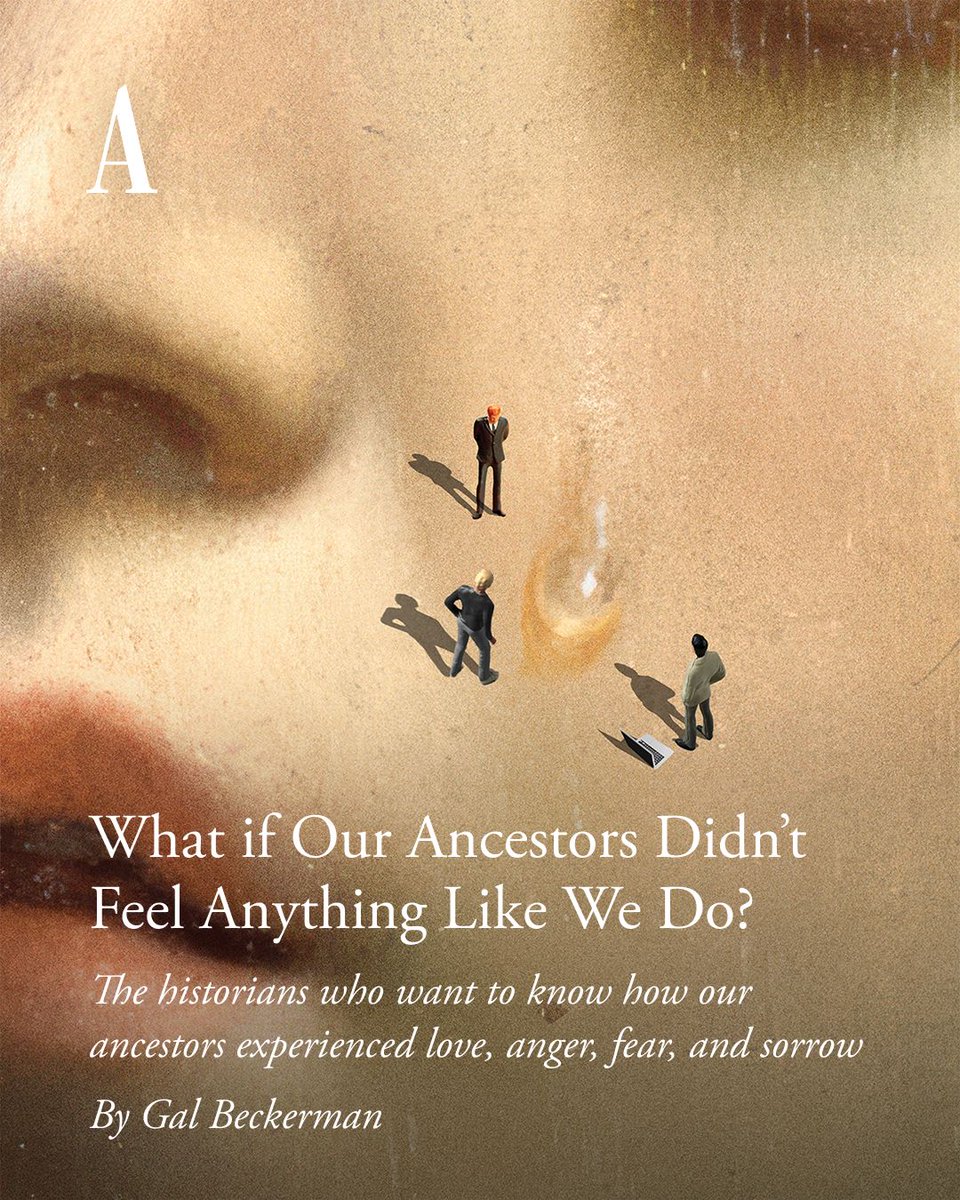
A common assumption is that throughout history, people have experienced the same basic range of emotions. A radical field of history now challenges this assumption, Gal Beckerman reports. https://t.co/eLFv144oU2
People tend to imagine that other people “have the exact same set of emotions that we have,” Beckerman writes. “We perform this projection on any number of human experiences: losing a child, falling ill, being bored at work. We assume that emotions in the past are accessible because we assume that at their core, people in the past were just like us, with slight tweaks for their choice of hats and of personal hygiene.”
Rob Boddice, a leader in the field of the history of emotions and senses, mistrusts this universalism, a philosophy that emerged during the Enlightenment, when European intellectuals began to assume that all people share a common nature. Many critics now understand that they were attempting to exert power and order over a world that had recently become bigger and stranger. “By the time we get to our current globalized culture, in which a Korean thriller can win Best Picture at the Oscars and Latin pop stars dominate the U.S. charts, the notion that our emotional registers are all essentially alike feels self-evident,” Beckerman continues.
“Boddice starts with the opposite premise, that we are not the same,” Beckerman writes. “Rather than being a constant—extending across space and time—human nature for Boddice is a variable and unstable category, one with infinite possible shades.”
Although his approach might seem “squishy and postmodern,” Beckerman writes, Boddice’s research layers his own thinking on top of the most recent advances in neuroscience.
At the link, read more about the field of study that is pushing historians to reconsider their assumptions about the people of the past.
🎨: Nicolás Ortega
OpenAI JUST released how people are using chatgpt
each bar in this chart is a billion-dollar wedge if you build the right verticalized, trust-rich AI startup:
1/ tutoring + teaching (10.2%) - people want on-demand teachers more than almost anything else. a personal ai tutor that explains things your way, remembers your progress, and nudges you daily.
2/ how-to advice (8.5%) - this is consumer SaaS for micro-niches: “how to fix my resume,” “how to meal prep,” “how to set up my Shopify store.” every “how-to” is a wedge into a vertical AI agent.
3/ personal writing + editing (18% combined) - 8% of traffic is people asking AI to write emails, 10.6% is editing or critiquing text. this is demand for AI copilots inside every workflow tool: sales, legal, HR, PR.
4/ health, fitness, beauty, self-care (5.7%) - validated consumer wedge. people already trust AI with their bodies. AI trainers, AI nutritionists, AI skin coaches — with a human layer for accountability.
note: btw if you like seeing ideas/trends like this, you'll like @ideabrowser (free/paid plans)
5/ purchasable products (2.1%)- tiny % but huge monetization. people literally asking AI what to buy. the Amazon affiliate model gets reborn here. whoever builds the “AI-powered shopping layer” owns the new SEO.
6/ translation (4.5%)still unsolved. what people want isn’t raw translation, it’s contextual translation: tone, culture, slang. AI that doesn’t just translate but localizes your intent.
7/ computer programming (4.2%) - we know this, but it’s worth underlining: devs want copilots. the non-obvious play is vertical code copilots... Shopify dev copilot, Unreal Engine copilot, etc.
TLDR;
every bar is a behavior that people are already paying for elsewhere. translate those behaviors into vertical ai agents and startups.
the data doesn't lie.
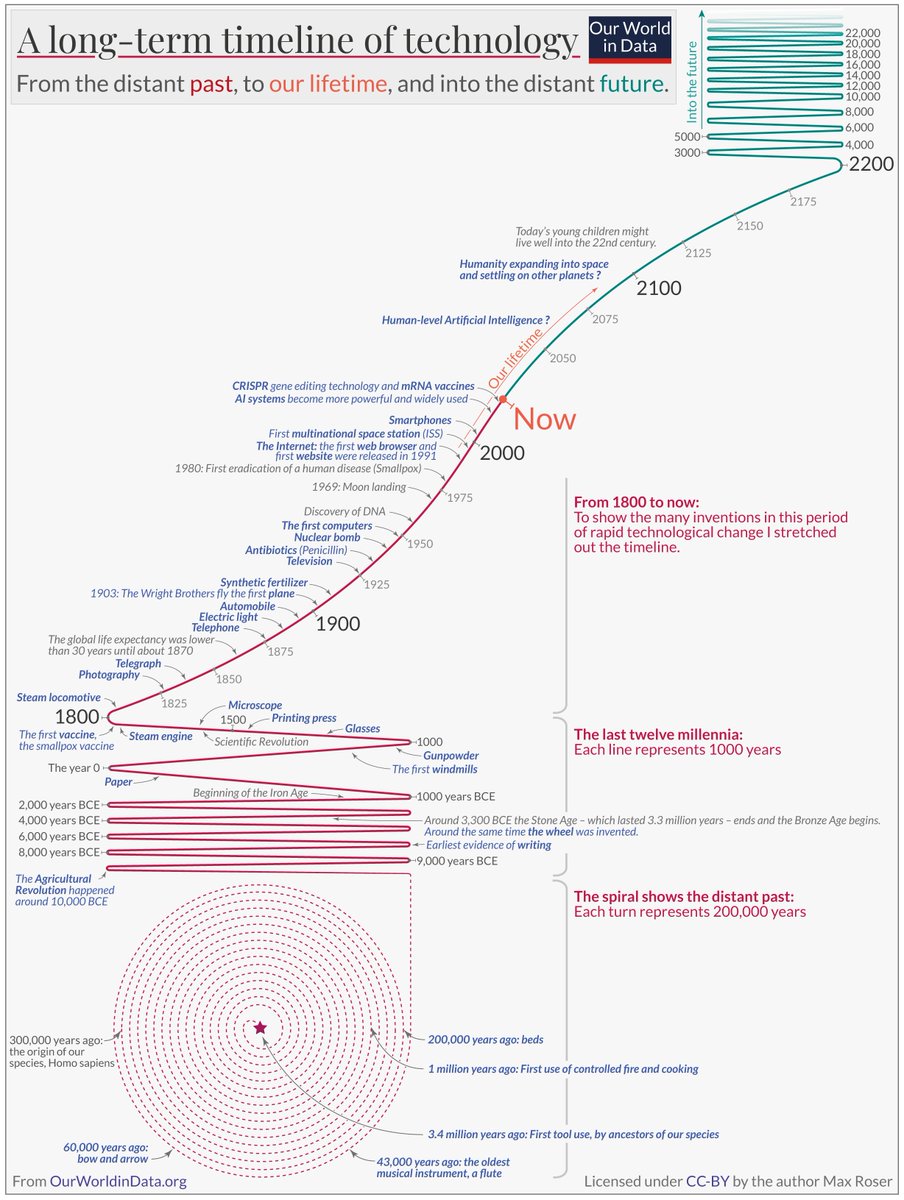
Technology can change the world in ways that are unimaginable until they happen.
Switching on an electric light would have been unimaginable for our medieval ancestors. In their childhood, our grandparents would have struggled to imagine a world connected by smartphones and the Internet.
Similarly, it is hard for us to imagine the arrival of all those technologies that will fundamentally change the world we are used to.
We can remind ourselves that our own future might look very different from the world today by looking back at how rapidly technology has changed our world in the past.
One insight to take away from this long-term perspective is how unusual our time is.
Technological change was extremely slow in the past — the technologies that our ancestors got used to in their childhood were still central to their lives in their old age.
In stark contrast to those days, we live in a time of extraordinarily fast technological change. For recent generations, it was common for technologies that were unimaginable in their youth to become common later in life.
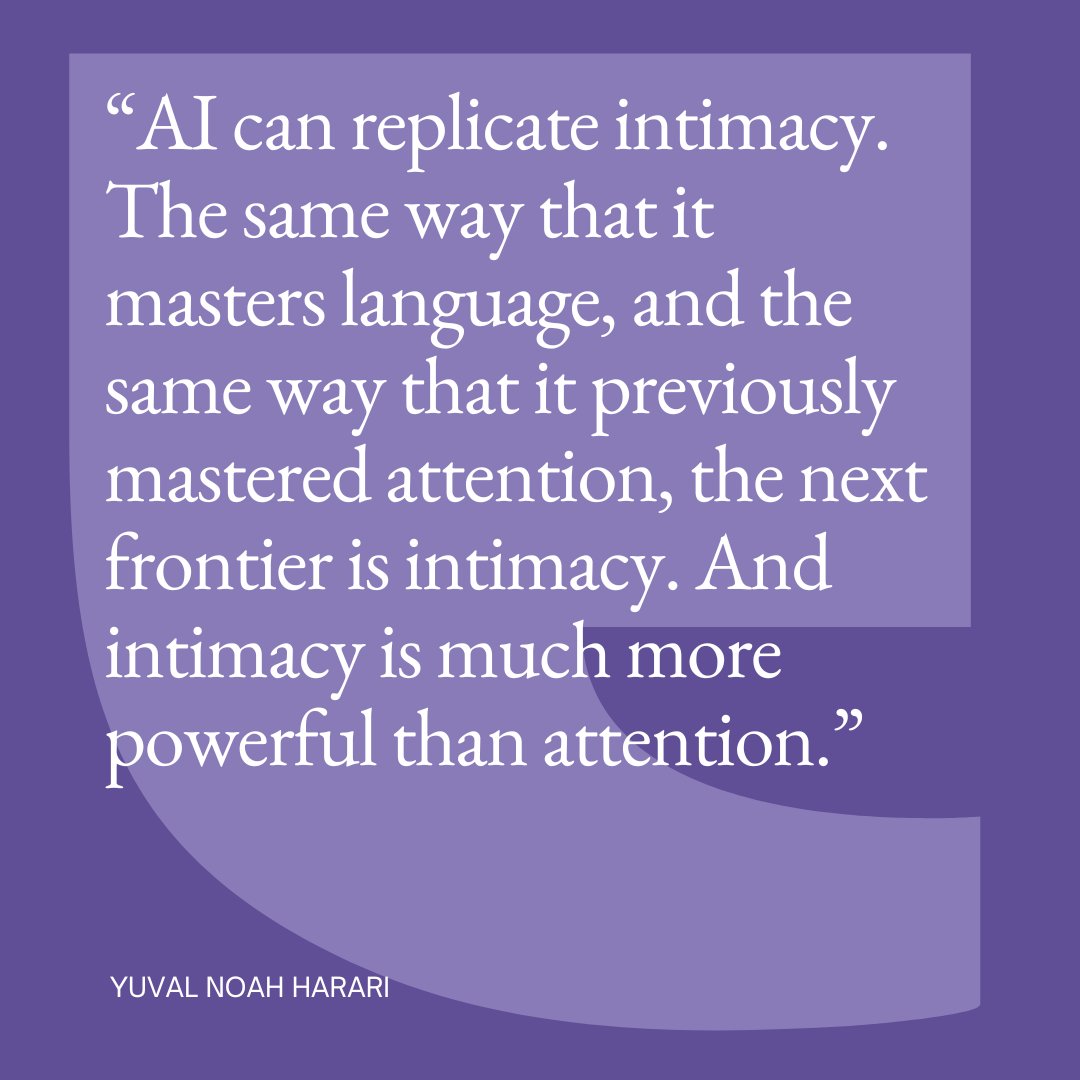
We are facing a world where a new generation grows up with intimate relationships with AI. There could be unknown benefits – but for now, the risks far outweigh them.
Huh. Looks like Plato was right.
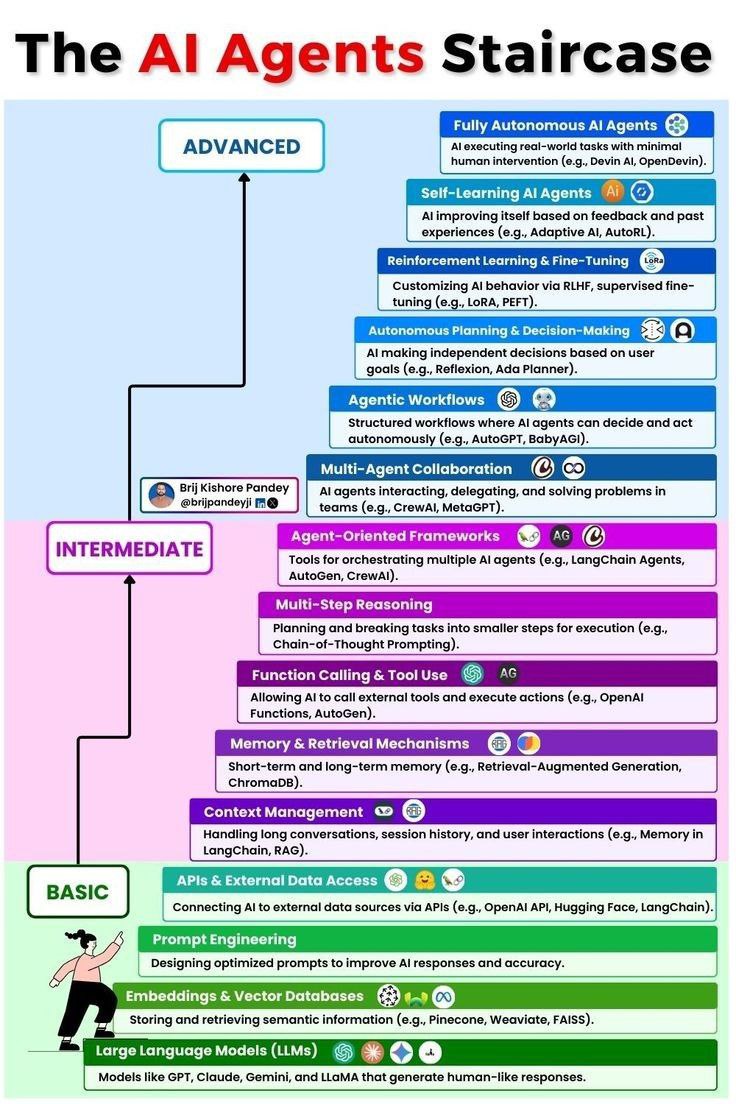
A new paper shows all language models converge on the same "universal geometry" of meaning. Researchers can translate between ANY model's embeddings without seeing the original text.
Implications for philosophy and vector databases alike.
it's interesting that 1.5 billion parameters is all you need to crush math competitions, but you need like 15 trillion to make the model be funny
maybe humor is the right measure of true intelligence