🍄 @rorochelley from the Lewis lab at @universityofga delves into polycomb-mediated gene silencing in Neurospora crassa. Unraveling the secrets of fungal genetics! 🧬 #ChromatinGRS2024
My heart goes out to all my colleagues @Columbia that, through no fault of their own, are suddenly facing a funding cliff where research will stop and people will be fired.
New OA Article: "Histone H3 lysine 4 methylation recruits DNA demethylases to enforce gene expression in Arabidopsis" https://t.co/NnH06h2HCT
targeting H3K4me3 via the H3K4 methyltransferase SDG2 activates gene expression & removes DNA methylation by recruiting DNA demethylases.
When NOT to use DESeq2 for RNA-seq analysis?
DESeq2 is the gold standard for bulk RNA-seq, but it has limitations. If you’re analyzing large datasets, beware of inflated false discovery rates (FDR). 🧵👇
🚨Apparently all NIH Study Sections have been suspended indefinitely.
For those who don’t know, this means there won’t be any review of grants submitted to NIH
Depending on how long this goes on for, this could lead to an interruption in billions in research funding.
Maybe this business school faculty member should do some self reflection on who can afford to do a PhD without a living wage and then reevaluate who really has the “privilege” here. What a horrendously bad take.
https://t.co/FBuS99PD5e
We’re pleased to share our substantially updated (more below on that…) version of our manuscript exploring the relationship between conservation in sequence/function for intrinsically disordered regions (IDRs) https://t.co/rDYOfsKmyT
APEX peroxidase is a versatile tool for proximity labeling and electron microscopy (EM) but its requirement for toxic H2O2 is a liability. We now report LaccID, a multicopper oxidase evolved from an ancestral fungal laccase that oxidizes aromatic substrates using non-toxic O2 instead of H2O2. We use LaccID for EM imaging of cultured cells and fly brains, and for proteomic mapping of the changing surface composition of T cells that engage with tumor cells via antigen-specific T cell receptors.
Congratulations to Ran Shi! She received the Dr. Juergen Wiegel Award for her excellent research in non-medical microbial diversity of C. neoformans. Fungal Group is so proud of you! 🍄🩷
Congrats to our newest Genetics PhD, Dr. Felicia Ebot-Ojong! Here Felicia is with her advisor Dr. Zack Lewis @UgaChromatinLab
Felicia will start a position at the Van Andel Institue @VAInstitute with Dr. Peter Laird @peterwlaird We are proud of you Dr. Ebot-Ojong!
It's time to start organizing the 2025 #DisabledInSTEM Mentorship Program! Feel free to reach out with any questions!
Mentee application: https://t.co/WvNyI3qEUA
Mentor application: https://t.co/accLa2j1SC
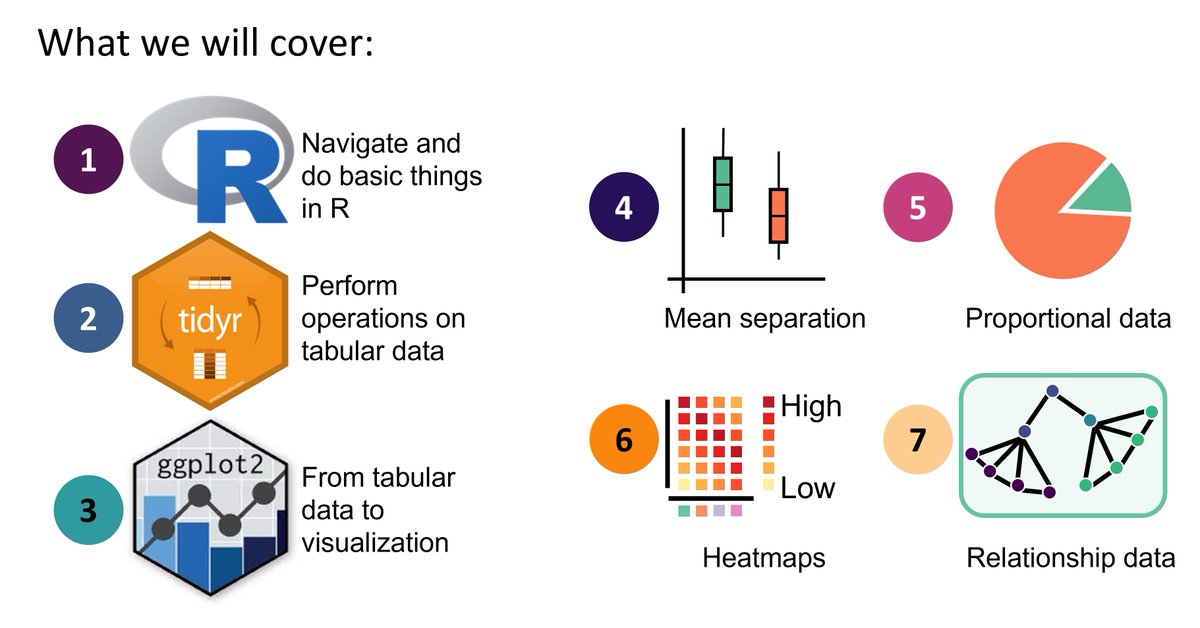
Hi all! "Quick data vis" now has its own designated repository and no longer listed under "Online R learning"! Please find the link to the new repo below, if we have used/starred Online_R_learning.
Quick data vis: https://t.co/87bQt5AJW7
Exciting news! 🎉 @HHMINEWS Gilliam Fellowship applications opened yesterday. If you're a 2nd or 3rd yr PhD student (& U.S. citizen) passionate about science & building an inclusive scientific community, check out my application guide! 🌐🔬 #HHMIGilliam
https://t.co/BSQ11pBpfW
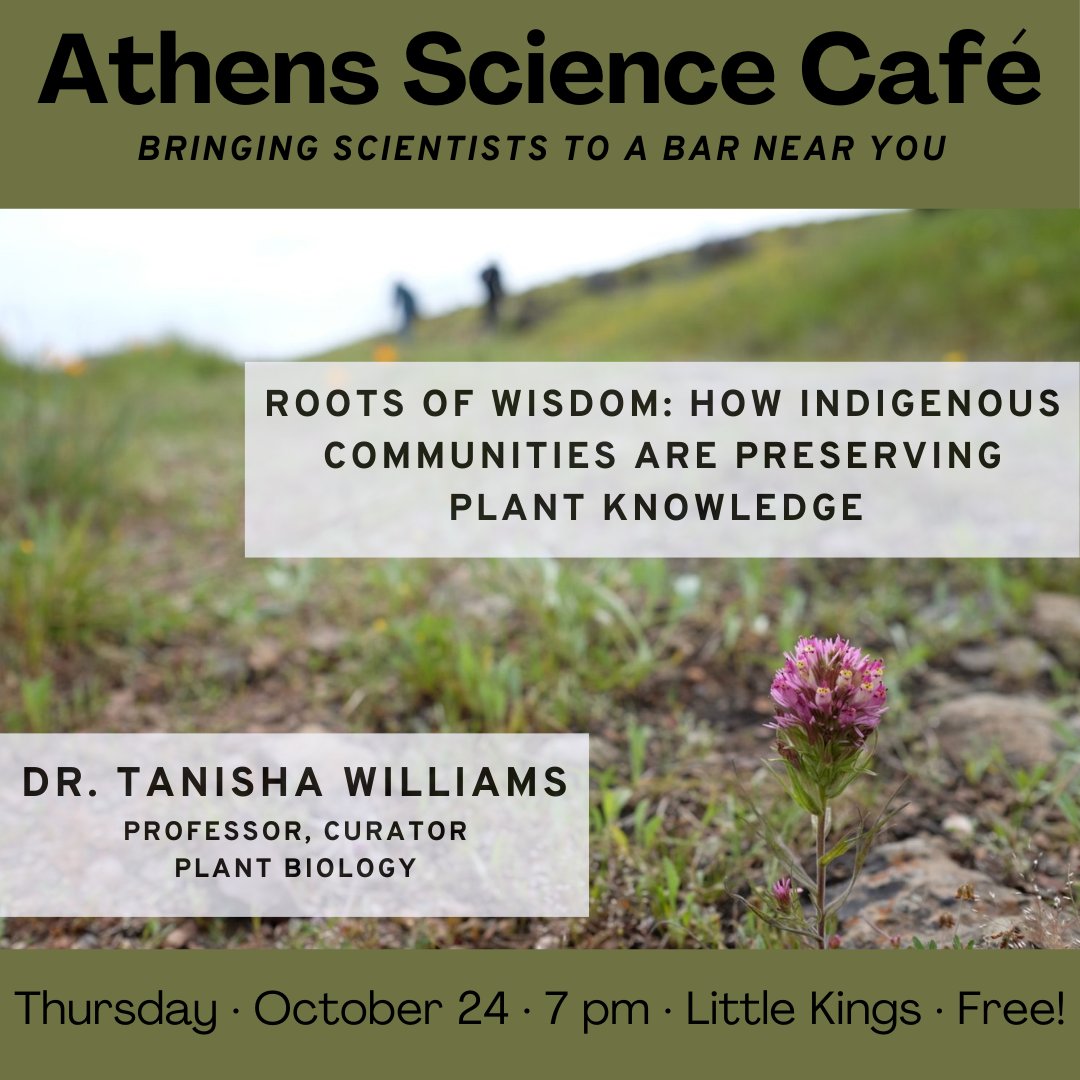
Our next scheduled Athens Science Cafe is this Thursday, October 24th at 7pm at Little Kings Shuffle Club. UGA's new Herbarium Curator, Dr. Tanisha Williams, is giving a talk titled "Roots of Wisdom: How Indigenous Communities Are Preserving Plant Knowledge."
As an alumni, I cannot recommend this programme highly enough!
If you are planning on doing a PhD in plant and/or microbial sciences, you need to consider applying for this! ✨