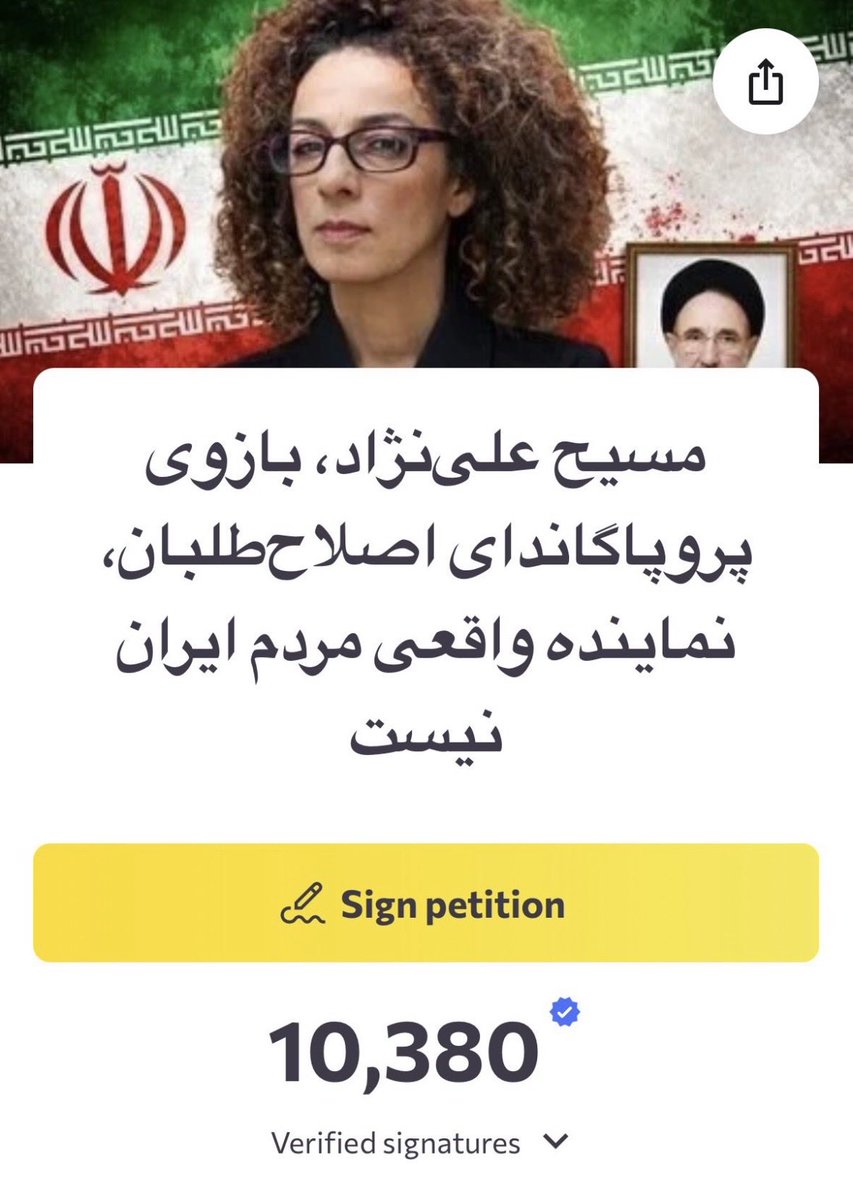
شما میتوانید با مسیح علینژاد، باورها و نوع کنشگری اون همسو نباشید (خودم هم نیستم) یا حتی با او کاملا مخالف باشید! اما اقدام به جمع کردن امضا علیه زنی که به هر شکل و برمبنای باورهای خود علیه ج.ا گفته و نوشته، نه تنها مورد تایید اپوزیسیون نیست که بهنظر باید ریشه آن را در بازوهای وابسته به رژیم در خارج کشور جستوجو کرد.
#Iran-US Talks Collapse: No Deal, No War – Yet
🔹After more than 20 hours of high-level negotiations in Islamabad, talks between the United States and Iran ended without even a preliminary understanding. However, this does not signal an immediate return to full-scale war.
🔹Both sides have blamed the other, but neither has closed the door to diplomacy. JD Vance and Mohammad Bagher Ghalibaf both avoided ruling out further engagement.
🔹This reflects the high stakes involved. While tensions remain unresolved, neither Tehran nor Washington currently appears eager to escalate into open conflict.
🔹At the same time, both sides continue to adhere to maximalist positions, each convinced it holds the upper hand and can dictate the terms of any eventual agreement.
🔹Three core issues appear to have blocked progress.
🔹First, Iran’s insistence on maintaining control over the Strait of Hormuz, which Tehran views not just as a bargaining chip, but as its most credible enforcement guarantee for any future agreement.
🔹Second, Washington’s continued insistence on its pre-war demands regarding Iran’s nuclear program, namely zero enrichment inside Iran and the transfer of its stockpile of highly enriched uranium abroad.
🔹Third, Iran’s insistence on linking any agreement to broader regional dynamics, particularly involving Lebanon, and rejecting any deal that is not comprehensive across all fronts.
🔹From Tehran’s perspective, the United States is attempting to achieve diplomatically what it failed to secure militarily.
🔹Iranian analysts argue that Washington was unable to eliminate Iran’s nuclear assets, failed to dismantle its regional network, and now faces a new structural challenge, i.e., persistent disruption in the Strait of Hormuz.
🔹This has reinforced a perception of relative strength in Tehran. As a result, Iran is unwilling to compromise on issues for which it has already paid significant costs.
🔹This is especially true of the Strait. Iranian officials increasingly view formal guarantees – such as non-aggression commitments – as insufficient, particularly under Donald Trump. Instead, they prioritize leverage that is materially enforceable.
🔹On the nuclear issue, Iran continues to reject zero enrichment as unacceptable.
🔹A possible compromise, as I have previously discussed, would involve a temporary suspension of enrichment, paired with recognition of Iran’s right to resume it later. But this doesn’t seem to have been accepted by Washington.
🔹Similarly, Tehran is unlikely to transfer its stockpile upfront. Any steps in that direction would be incremental and conditioned on reciprocal U.S. concessions.
🔹At its core, the dispute is about sequencing. Washington seeks immediate Iranian commitments while offering gradual relief. Tehran views this asymmetry as fundamentally unacceptable.
🔹In response to the collapse of talks, Donald Trump announced a naval blockade targeting Iran’s oil exports through the Strait of Hormuz.
🔹However, in Iran, this threat is widely seen as operationally challenging to implement. Enforcing a blockade would require U.S. forces to operate closer to Iranian shores, significantly increasing their exposure.
🔹Mine-clearing operations and maritime enforcement would face similar vulnerabilities, raising doubts about the feasibility of sustained interdiction.
🔹There is also a third-party dimension. Intercepting vessels linked to China, for example, would lead to major escalation risks, further undermining the credibility of the blockade.
🔹At the same time, Iranian officials are increasingly concerned about the risk of targeted strikes against senior leadership.
🔹There is a growing perception that Israel may seek to exploit the current moment to carry out decapitation operations once again, particularly given the visibility of senior figures during the Islamabad talks.
🔹From Tehran’s perspective, such a move would almost certainly trigger an immediate return to war.
🔹At the same time, in Tehran, skepticism toward negotiations remains visible, particularly among hardliners.
🔹Many interpret the talks as a delaying tactic by the United States and Israel, and an effort to buy time and prepare for a more decisive round of military action.
🔹In this context, a growing strand of analysis suggests that, if war resumes, Iran will/should abandon its previous strategy of attrition. Instead, it may pursue a more concentrated and escalatory approach aimed at forcing a rapid conclusion.
🔹This could include closing both the Strait of Hormuz and the Bab el-Mandeb Strait (through the Houthis), alongside expanding its missile target set against Israel.
🔹In this vein, some analysts argue that future operations should extend to a broader range of targets – including civilian targets in Israel – reflecting the belief that previous approach failed to establish sufficient deterrence.
🔹At the same time, many Iranian analysts assess that the likelihood of renewed conflict is now higher than the chances of the ceasefire holding.
🔹A key variable is Israel, which is widely seen in Tehran as likely to resume military operations following the collapse of talks.
🔹In such a scenario, Iran’s position is increasingly clear: it will not distinguish between the United States and Israel. In other words, any renewed conflict would likely trigger a broader response targeting both.
🔹Ultimately, the situation is being framed in Tehran in binary terms.
🔹Either a comprehensive ceasefire holds across all fronts, or any return to hostilities will escalate into a wider regional confrontation.
🔹For now, neither war nor diplomacy has prevailed. What has emerged instead is a fragile equilibrium, which may prove increasingly difficult to sustain.
I was thirty-something years old when Iranian students dragged me into a room and told me I wasn't going anywhere. Four hundred and forty-four days later, I walked out. I've spent the decades since trying to make sense of what happened — and what keeps happening — between our two countries.
So don't talk to me about Iran like it's an abstraction. I lived inside that confrontation. I felt it.
Which is why I'm not ready to write off this ceasefire, even though everything about it is maddening.
Negotiations in Pakistan may produce nothing. The talks could collapse before they get started. I've seen American diplomacy with Iran fail more times than I can count, and usually for the same reasons — too much pride, too little patience, and Israel holding a match in the corner of the room.
But here's what I know in my bones: another war won't break Iran. We just tried. It didn't work. Iran doesn't break — it absorbs, it adapts, and it waits. I watched that stubbornness up close for 444 days.
What bothers me most isn't that Iran is winning this moment — it's that we handed it to them. Tehran's framework is running these negotiations. Iran still controls the Strait of Hormuz. Still collecting tolls. Trump looked at their proposal and called it workable. I never thought I'd see the day, but here we are.
Iran wants everything on the table — sanctions, enrichment rights, American troops out, and a deal that covers what's happening in Lebanon and Gaza too. That's a lot to swallow. And Israel, which wasn't invited to this conversation, is already making clear it has no intention of being constrained by it.
That's the part that worries me the most. Because if Israel keeps bombing and Washington can't or won't stop it, none of this holds.
And yet — and I say this as someone who has every reason to distrust Tehran — I don't think we go back to all-out war. Not because anyone has suddenly gotten wise, but because the math doesn't work. A second round ends the same way. Iran still controls the Strait. The global economy still flinches when Tehran flexes.
What we're heading toward isn't peace. It's something smaller and more precarious — two countries silently agreeing not to destroy each other today, with no paperwork and no guarantees.
I know what it's like to survive on something that fragile. For 444 days, that's all I had.
معلومه مبارزه مدنی درسته. معلومه دستاورد داره. همیشه باید مبارزه مدنی کنیم حتی در ایران آزاد. ولی باید بپذیریم که خیلی بعیده با مبارزه مدنی در کوتاهمدت به دموکراسی برسیم. خیلی خوب کار کنیم شاید ۳۰ تا ۵۰ سال دیگه. این هزینه یه عمره. شاید برا بعضی مقبول باشه ولی برا خیلیا نیست
To destroy “a whole civilization” is what the Islamic Regime in #Iran has attempted for about half a century, yet it has not succeeded. Now, an American president is threatening to do so in a single night!
Trump claims he wants to help the people defeat the regime, but if he follows through on such threats, he helps the regime instead by turning against the people who inherited that civilization.
Let’s hope that rational actors in the United States can prevent this outcome.
#NowarCrimeslnIran
1 The Islamic Republic operates under a survival paradox: What makes the regime thrive makes the nation suffer, and what the nation needs to thrive threatens the regime’s survival. My @TheAtlantic essay on how Trump misreads his adversary. https://t.co/dl5NQ6xkAM
The inflammatory use of language like the “destruction of a civilization” even if mere rhetorical tactic is morally wrong, illegal and counterproductive..The Iranian regime’s sole goal is its own survival. The Iranian people are fighting to keep and revive their civilization.
It has been one month since missiles struck Shajareh Tayyebeh school, killing at least 171 people, most of them children. @stephglinski and Mohammad Mohsenifar report on a grieving city. https://t.co/baeoQEYWOu
اینکه گفته میشود «ما همه راهها را نرفتهایم»، واقعیت مسئله نیست؛ مشکل جای دیگریست: جامعه ما همه راهها را رفته، اما اغلب دیر و نابهنگام!
زمانی که باید در برابر اجباری شدن حجاب اعتراض میکرد، سکوت و حتی تأیید کرد.
زمانی که باید اعدام و کشتار دگراندیشان را محکوم میکرد، سکوت یا همراهی کرد.
زمانی که باید نافرمانی مدنی میکرد، بدفرمانی کرد تا نه سیخ بسوزد و نه کباب، اما در نهایت هر دو سوخت.
زمانی که جامعه نباید رأی میداد، رأی داد. زمانی تصمیم گرفت رأی ندهد که دیگر رأی ندادن برای رژیم اسلامی هزینه جدی نداشت.
زمانی که باید خیابانها تسخیر میشد، خیابانها خالی ماند، چون رهبران سیاسی از خیابان میترسیدند.
زمانی که باید عدم همکاری و بایکوت مراسمهای حکومتی انجام میشد، مراسمها رونق یافت.
زمانی که باید با جنگافروزی رژیم مخالفت میشد و «نه به جنگ» گفته میشد، امپریالیسمستیزی و اسرائیلستیزی در اولویت بود.
زمانی که باید از تحریم سپاه و مقامات رژیم اسلامی استقبال میشد، مخالفت با تحریم مد بود.
زمانی که باید در برابر جنگافروزی، خونریزی و ویرانی سرداران جنایتکار سپاه در سوریه موضعگیری میشد، از سلیمانی جلاد قهرمان ملی ساخته شد و درباره اینکه او با داعش میجنگد افسانهپردازی شد!
زمانی که باید شواهد و ارقام جدی گرفته میشد، گفتند اینها «آمار الکی» است.
زمانی که باید از شکلگیری شورای همبستگی و منشور مهسا حمایت میشد، نیروهای مختلف، از چپ و راست، به جان آن افتادند.
زمانی که چپ باید میپذیرفت پهلوی در ایران پایگاه دارد، واقعیت را انکار کرد و راست را تحقیر کرد.
زمانی که طرفداران پهلوی باید میپذیرفتند جامعه ایران متکثر و شامل چپ و فدرالیست و غیرپادشاهیخواه است، توهم پایگاه ۸۰ درصدی ایجاد شد؛ تصور کردند بهتنهایی میتوانند جامعه جهانی را با خود همراه کنند و به همین دلیل نیز جدی گرفته نشدند.
زمانی که باید نیرویی متشکل و منسجم از جمهوریخواهان شکل داده میشد، آنها مشغول درگیری با جریان پهلوی شدند.
زمانی که باید پایگاه ده درصدی طرفداران رادیکال حکومت جدی گرفته میشد، گفتند خامنهای فقط ۱۸۰ هزار نفر طرفدار دارد و حذف او کار رژیم را تمام میکند.
واقعیت این است که همه راهها رفته شد و بسیاری از واقعیتها عیان شد، اما همه با تأخیر و دیرهنگام. به همین دلیل، از هیچیک نتیجه گرفته نشد و به وضعیت امروز رسیدیم.
اگر امروز در میانه جنگی هستیم که اساساً اراده فردی و حتی جمعی ما نقش تعیینکنندهای در آن نداشته، باز هم بهجای یافتن راه درست امروز، به دنبال رفتن راههایی هستیم که زمانشان گذشته است یا از واقعیت بهدور است.
تا زمانی که واقعیتها را نپذیریم و بهجای آن با رؤیاپردازی درباره «آزمودن راهها» تصمیم بگیریم، هیچ راهی ما را به رهایی نمیرساند؛ نه به این دلیل که راهی را نرفتهایم، بلکه به این دلیل که هیچ راهی را در زمان درست خود نرفتهایم. راهی که نابهنگام پیموده شود، بیراهه است.
حالا نیز بهجای آنکه بر سر دوگانه «نه به جنگ» و «آری به مداخله نظامی» درگیر شویم، میتوانیم بر سر این توافق کنیم که در این جنگ، کدام اهداف مشروع و کدام اهداف نامشروعاند تا شاید حداقل صدای واحدی در محکوم کردن «نابودی ایران» و حمایت از «نابودی رژیم سرکوب» از جامعه شنیده شود. اما ترجیح ما همچنان درگیری بر سر دوگانههایی است که اساساً بلاموضوعاند؛ یعنی گام نهادن در بیراههای دیگر!
چند نکته برای کسانی که زدن زیرساختها را جدی نمیگیرند یا هزینه قابل قبول برای رفتن رژیم میدانند:
۱- اکثر این زیرساختها مایحتاج مردم ایران رو فراهم میکنند و تخریبشان در نهایت منجر به فقر و حتی مرگ افراد در سطح وسیع خواهد شد. اگر این رژیم بماند که فاجعه انسانی خواهد بود چون توانایی بازسازی را نخواهد داشت. اگر هم برود بازهم هزینهاش برای مردم کم نخواهد بود.
۲- اگر واقعا آمریکا و اسراییل برنامه دارند رژیم را در چند ماه آینده ساقط کنند، دیگر تخریب صنایعی مثل فولاد توجیحی ندارد. حکومت در شرایطی نیست که از این فولادها استفاده کند و موشک یا بقیه تجهیزات بسازد. اعم کارخانههای نظامی تخریب شدهاند. اتفاقا بهتر است که صنایع بنیادی برای حکومت بعدی حفظ بشوند که احتمال آشوب و ناآرامی ناشی از بیکاری کمتر شود.
۳- دوباره ساختن آسان نیست. همه فکر میکنند سازندگی همچون دهه شصت و هفتاد میلادی ساده خواهد بود، ولی متوجه این نیستند که بخاطر موقعیت ایران در مقابل شوروی، ایران آنزمان عزیز دُردانه آمریکا بود و آمریکا همه جوره به ایران کمک میکرد. شاه هم واقعا دورنمای سازندگی جدی داشت و نخبههایی همچون هویدا را در کنارش داشت. جمعیت ایران هم یک سوم الان بود و منابع آب و خاک مملکت در این حد تحت فشار نبودند. الان در آمد نفتی خیلی کمتر است و با تخریب زیرساختها، برای مدت طولانی ایران پولی برای ساخت و ساز عمده نخواهد داشت. سرمایهگذاری بینالمللی بجز در حوزه انرژی، در حوزههای دیگر اندک خواهد بود. نیروی کار در ایران ارزان نیست و جمعیت ایران درحال پیر شدن است. احتمال مشکلات امنیتی بعد از سقوط رژیم هم هست که میتواند بازسازی را به تاخیر بیاندازد.
در نهایت باید اینرا تکرار کرد که جمهوری اسلامی باعث این شده که کشور در چنین وضعیتی قرار بگیرد و هرگونه محکومیت تخریب زیرساختها، چیزی از مسئولیت ج.ا. در رساندن کشور به این نقطه کم نمیکند. همین الان هم اگر ج.ا. حکومت را تسلیم مردم ایران بکند، این جنگ را میشود در یکی دو هفته به پایان برد و کشور را در مسیر صحیحی قرار داد.
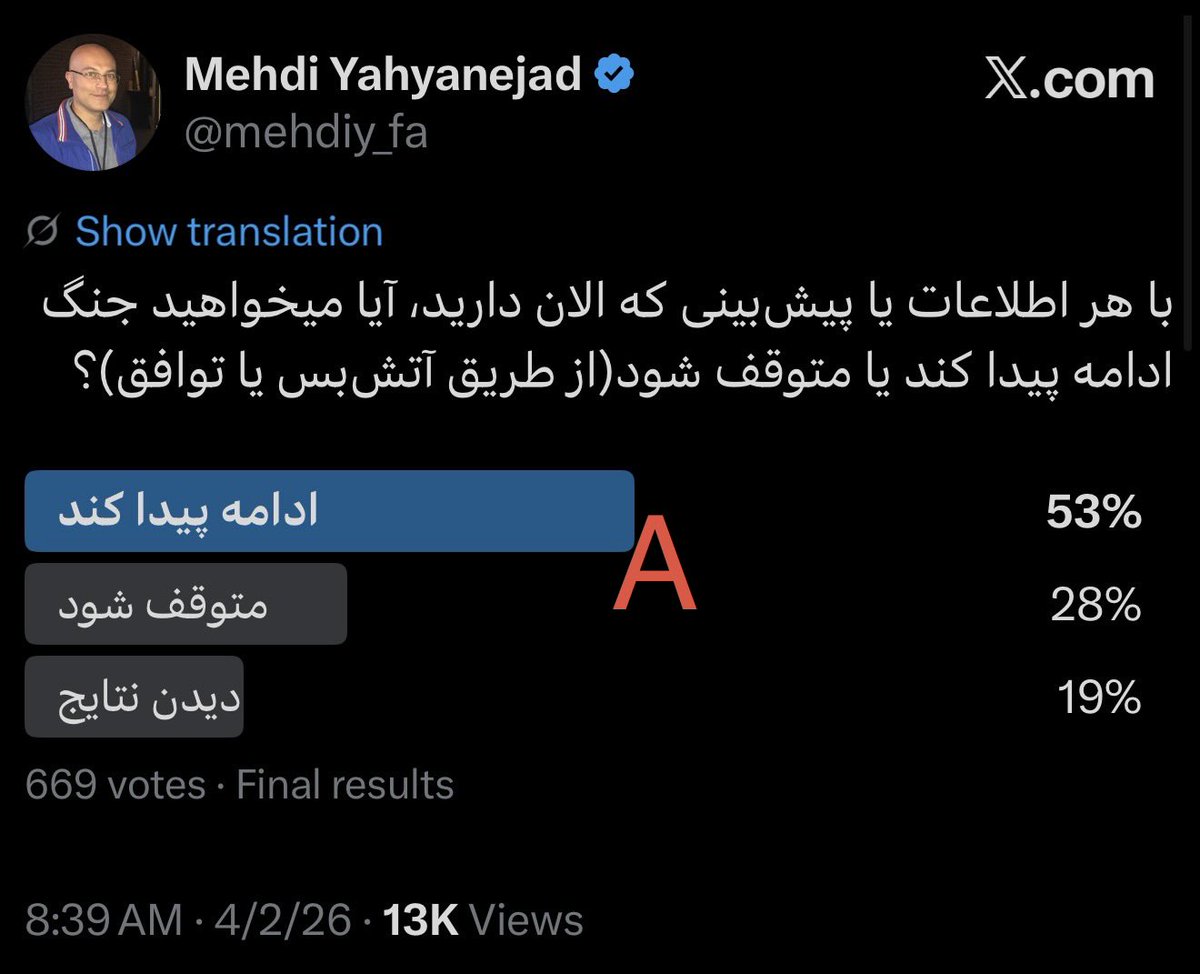
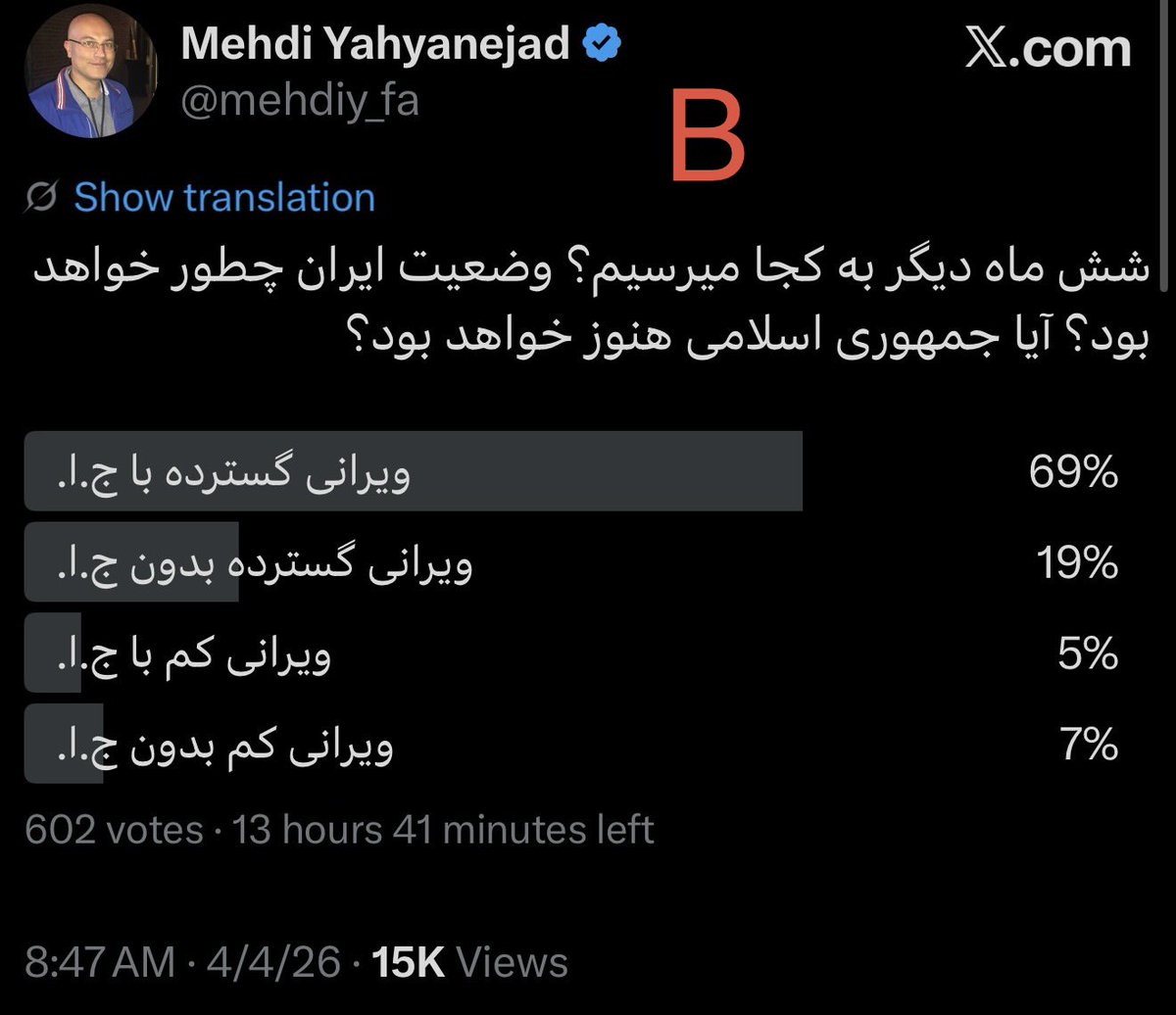
دوست دارم بدونم اونهایی که پیشبینی میکنن که «ویرانی گسترده میشه و ج.ا. باقی میونه» ولی با اینحال میگن «جنگ باید ادامه پیدا کنه»، منطقشون چیه؟
اگر فرض کنیم جامعه آماری این دو نظرسنجی یکی است، درصد گروه بالا شاید حدود ۲۵ درصد باشه.
خیلی وقتها موافقت یا مخالفت با جنگ صرفا یک موضع اخلاقی نیست، بلکه نتیجه تحلیل و پیشبینیست. کسی که فکر میکند جنگ میتواند به سقوط جمهوری اسلامی منجر شود، احتمالا با آن موافق است. کسی که فکر میکند جنگ به سقوط حکومت منجر نمیشود بلکه حقوق مردم را محدودتر و جامعه مدنی را عقبتر میبرد احتمالا مخالف آن خواهد بود. موضع متفاوت افراد درباره جنگ همیشه ناشی از ارزشهای اخلاقی متفاوت نیست، گاهی نتیجهی تحلیل متفاوت از آینده و پیامدهای آن است.
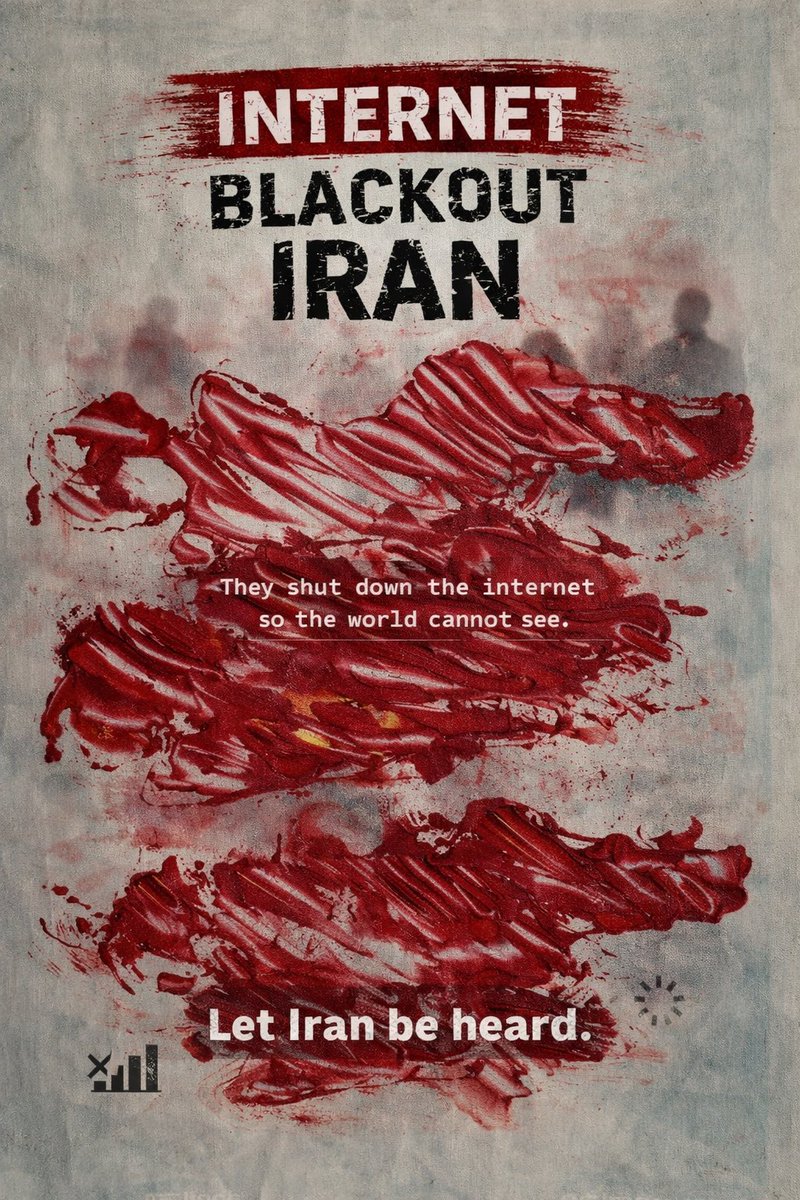
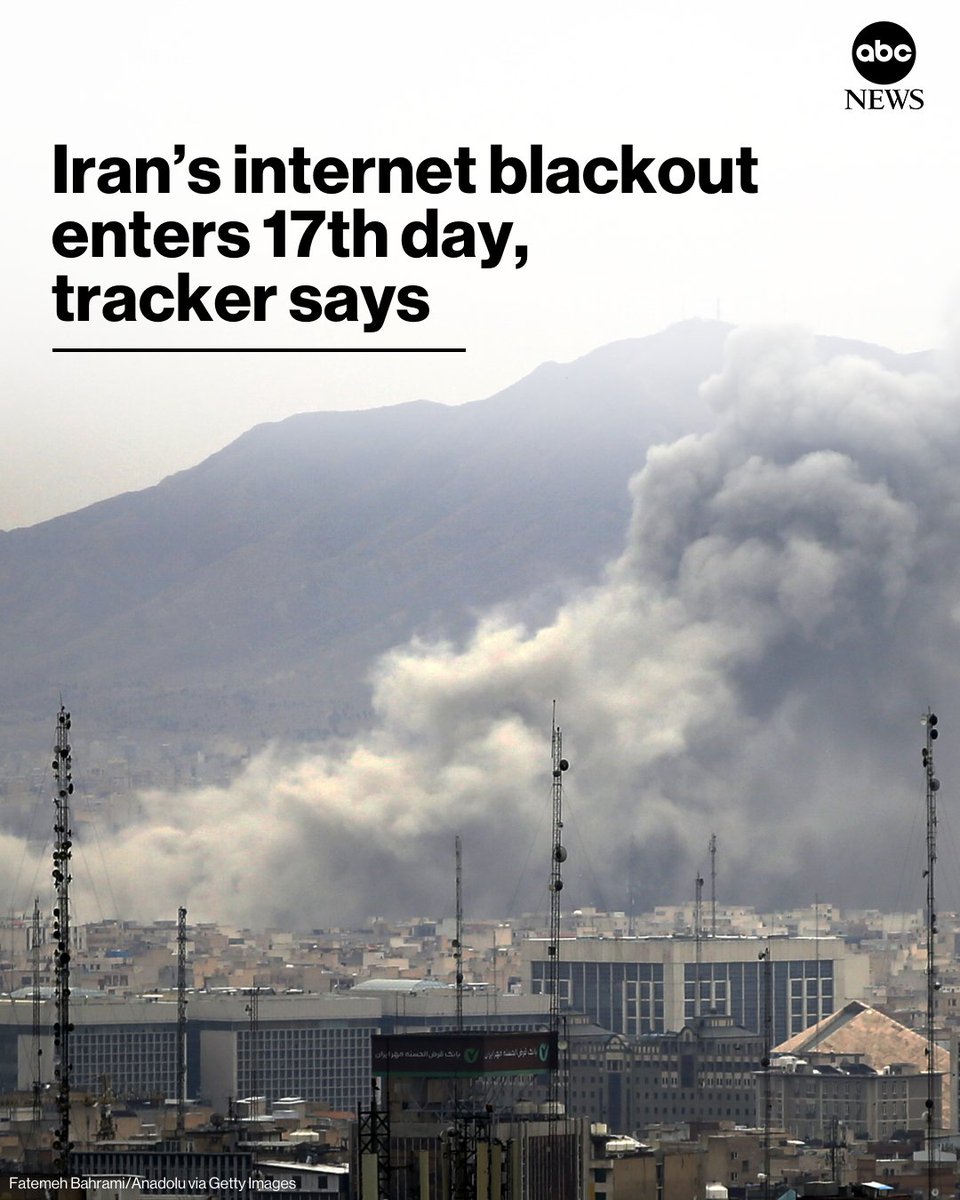
The near-total internet blackout in Iran entered its 17th day on Monday as it passed 384 hours, according to NetBlocks, a web monitoring organization.
Follow live updates: https://t.co/jji8ZCVXDj
اگر اینترنت در کشوری خارج از خاورمیانه برای ۱۴ روز قطع میشد، دنیا از این خبر بهم میریخت!
۱۴ روز عدم دسترسی به جهان!
واقعا یک فاجعهس ولی دنیا چشمشو به روش میبنده!
این یک جنایت بزرگ علیه بشریته!
#DigitalBlackOutIran
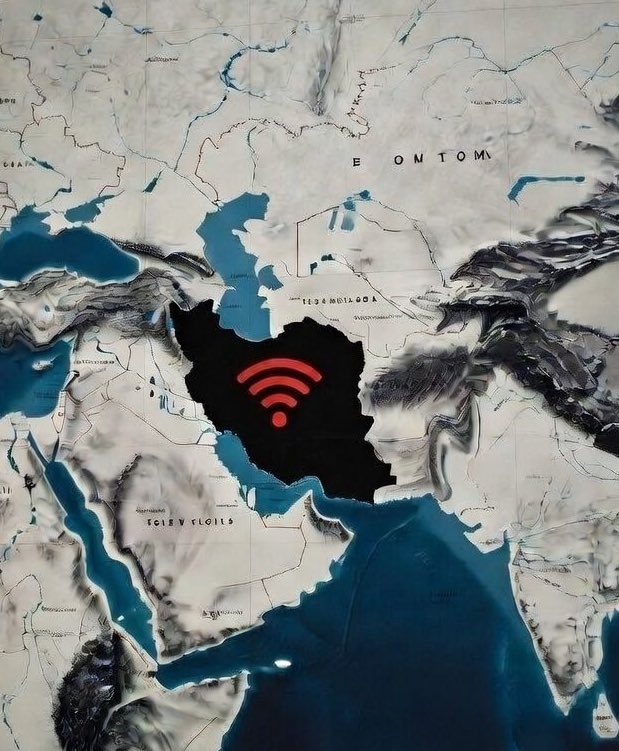
⚠️ Update: Two full weeks have now passed since #Iran fell into digital darkness amid a regime-imposed internet blackout.
The public remain isolated from the outside world with only a limited domestic intranet after 336 hours while state-approved accounts get whitelisted access.
We are 2 months and a half into 2026 and the people of Iran have been under internet shut down for more than half of the year.
Gaza lost internet for a few hours and the whole mainstream media went crazy.
Nobody’s talking about Iranian people not having any shelter, no sirens, no way for them to know where the attacks are going to take place and no internet in the middle of war.
The regime is spreading it’s own narrative and propaganda while the people’s voices have been silenced for more than 338 hours.
This is a war crime
Don’t let them be forgotten
#DigitalBlackOutIran
#KingRezaPahlaviForIran
Dear @Elon Musk
It has been 2 weeks that Iran has been under a nationwide internet blackout during wartime. People cannot receive evacuation notices or safety alerts, and many cannot contact their families.
Please help reconnect Iranians to the internet.
#DigitalBlackoutIran