New paper out! 🚨 We show that vampire bats use amino acids from a recent blood meal to fuel RUNNING - a rare mode of locomotion in bats ideal for stalking prey. I’d worry less about your neck and more about your ankles! 🧛🏻♂️ @WelchLab_UTSC@RSocPublishing
https://t.co/4H5dg7TsNK
Wondered how pollinator learning affects pollination for 🌺🌻🌼? More complex 🌺🌻🌼 require ⬆️learning, and learning ⬆️pollen collection, but has NO effect on pollen transfer! New @BehavEcol pub from #RussellLab grad & undergrads; collab w/ @dr_tialynn https://t.co/LExYqFOwfO
I absolutely love fresh water theme and aquatic invertebrates! I’ve just remade the previous “secret pond” piece to this vertical, more chibi style sticker sheet design. Beside the sticker sheet (which will be available later), art print will be available too & link in bio 💚💚
Our paper on #pollen co‐transport #networks led by @lied_carneiro is finally out! We are very excited to see this published in @JEcology Wiley Online Library https://t.co/SUkBImRzRG
Our paper on how biting helps during buzz pollination is free to read. Thanks to @UU_University for providing open access fees. Buzz-pollinating bees deliver thoracic vibrations to flowers through periodic biting: Current Biology https://t.co/pKZ202CG5J
🌟 Proud to share a new paper on the flash pattern variability of fireflies! Our work, led by @lepurplemartin & @nguyenchantal in collab with @ryanlayer’s lab, offers new insights into species identification through ML data analysis: https://t.co/3XIUQyllEi /1
Proud #NewPI moment, first conference presenting work from our group. @rossi_natacha represented us at @IUSSI_NAS +now @rossoni_sergio + I are at @neuroethology #ICNBerlin2024 presenting work on #bumblebee gustation (PS1.190) and pollen packing behaviour and physiology (PS2.107)
Out today in @RSocPublishing! We show that butterflies and moths accumulate so much static electricity that pollen is attracted onto them across air gaps, meaning they don't even need to make contact with the flower to pollinate it! 🦋🌻 https://t.co/UayKqSCOAc 🧵👇
This Buff-tailed bumblebee queen is brushing pollen grains out of her hair and collecting it in her pollen baskets. Can you spot the bright yellow bulges on her hind legs?💛
What spring flowers are your local bumblebees tucking into?🌷
🔊Sound up for a slowed-down skylark song.
Falling behind: postdocs in their thirties tire of putting life on hold.
Read the results of Nature’s second global survey of postdoctoral researchers https://t.co/jYxKuLT3B9
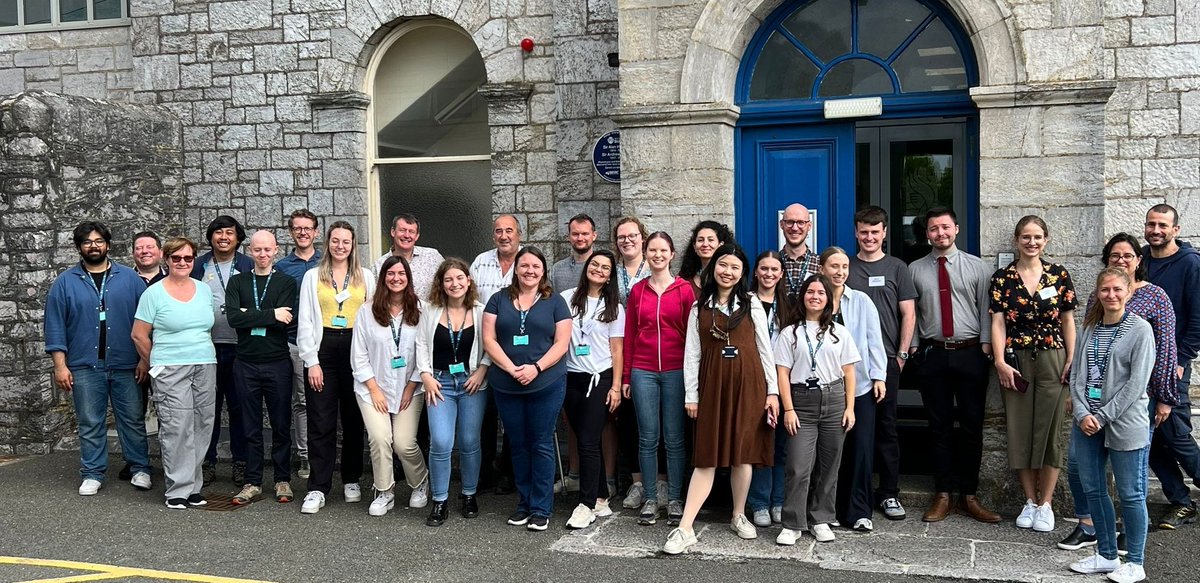
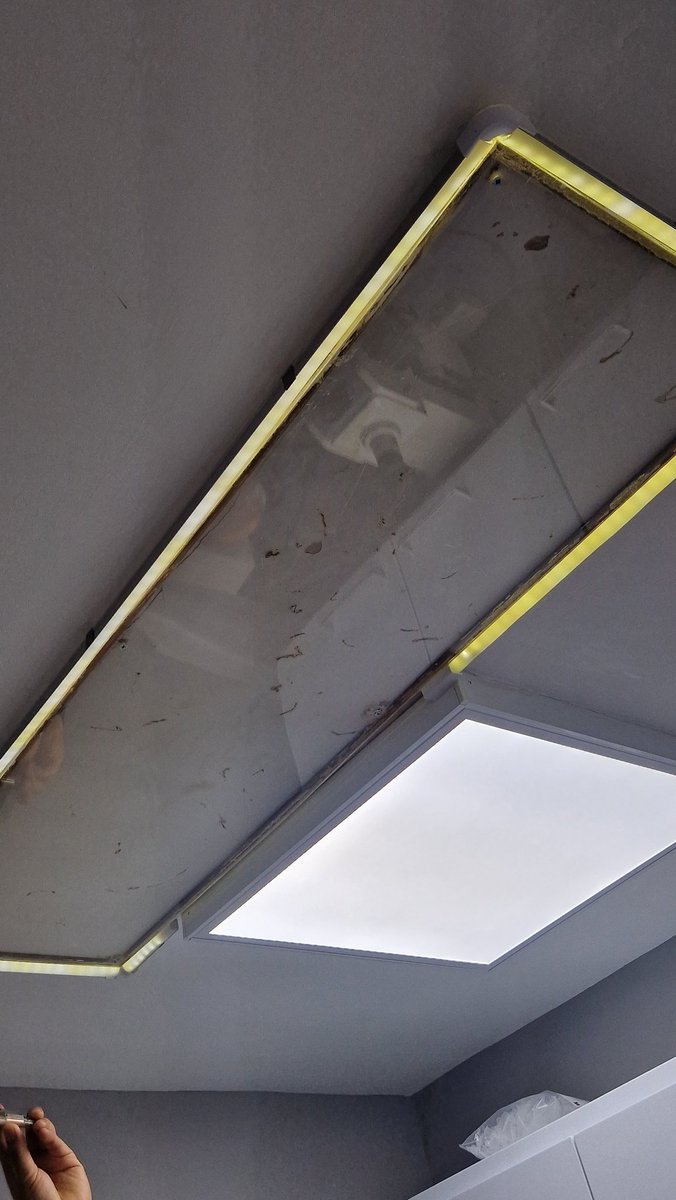
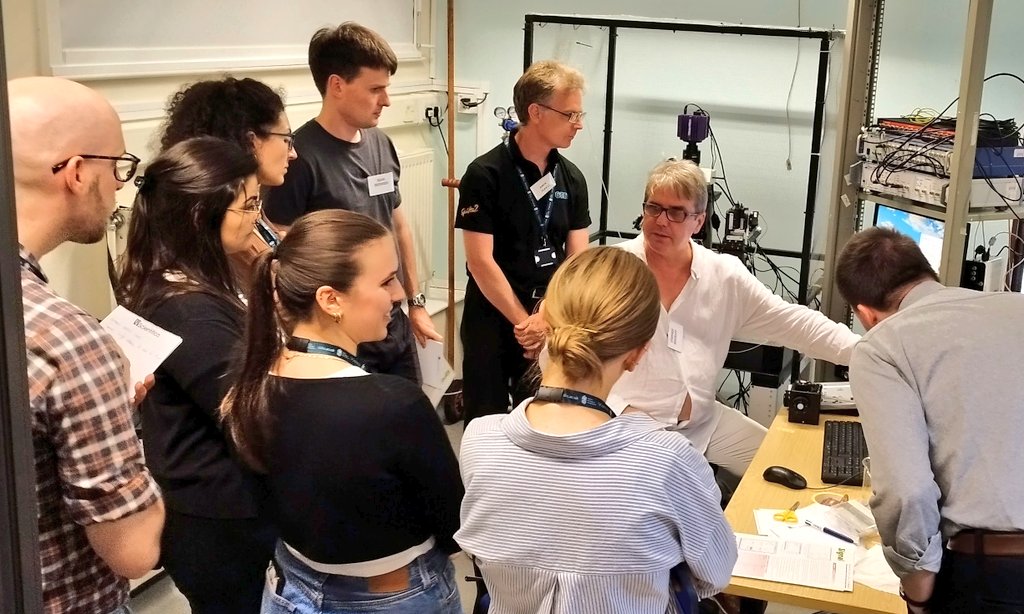
Had a great time at the 38th Plymouth Microelectrode Course! Met so many amazing, interesting people. Thank you to all the demonstrators for taking the time to teach us and for cheering us on at the rigs :) (peep the original squid axons stuck to the ceiling in the final pic)
We'll that's it, we've completed the 38th Cell Physiology Workshop. Cheerio to everyone @thembauk, thanks for looking after us. 🙂
Watch this space for news of future workshops. 🦑🐌🔬⚡ #cpw2023
Steve Brickley carrying out dynamic clamp simulations of virtual ion channel effects on neuronal function, using the Cambridge Electronic Design Signal software & POWER 1401-3A interface. #cpw2023