- 100% in Bitcoin
- Online cashflow
- Homeschooled kids
- Government treats you like a client
- Drinking margaritas without caring about whoever's gonna be elected next
Admiral Paparo: "Bitcoin shows incredible potential for national security, and proof of work imposes more cost than just the algorithmic securing of networks."
The Pentagon is framing Bitcoin as a cybersecurity tool and a form of power projection.
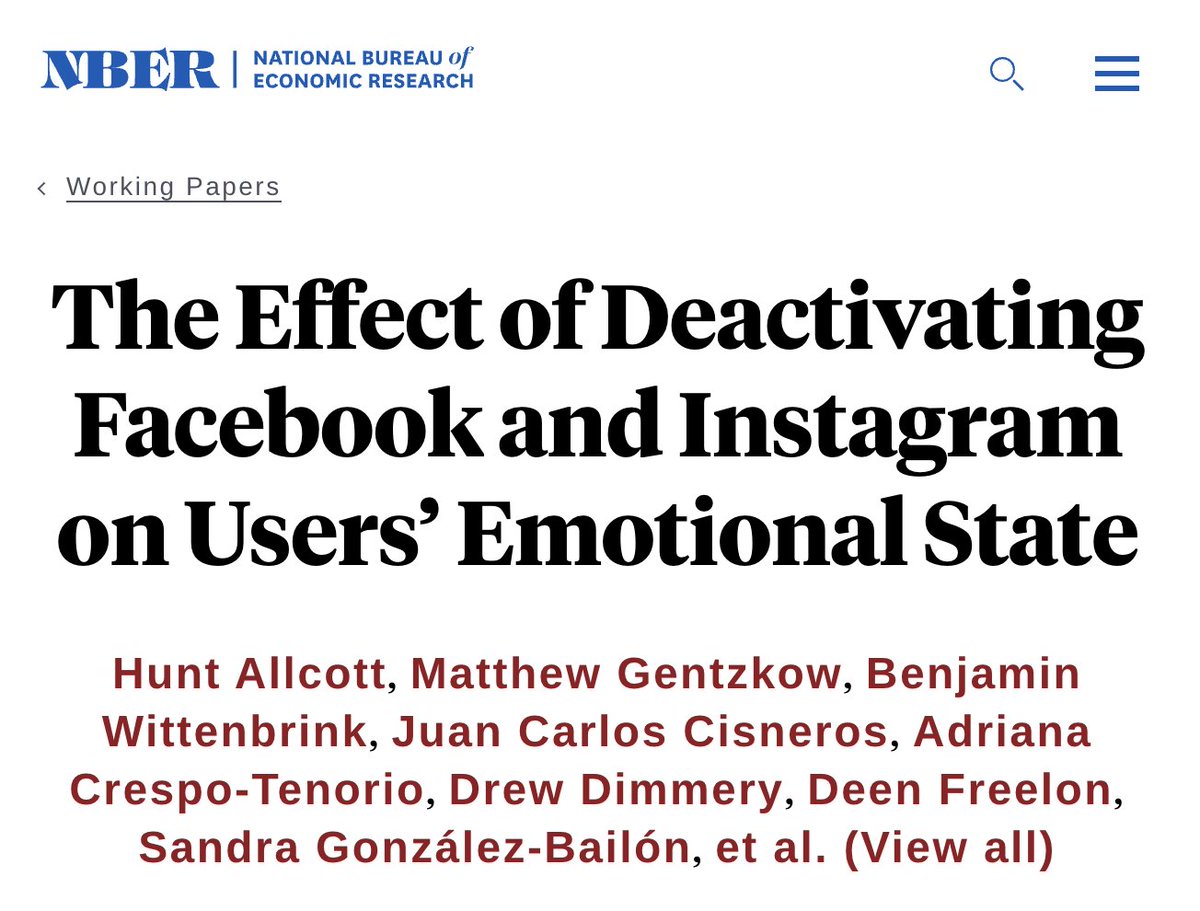
Stanford paid 35,000 people to quit Facebook and Instagram for 6 weeks
Depression dropped. Anxiety dropped. Happiness went up. Women under 25 on Instagram saw the biggest gains
That was 6 weeks. I'm going a full year.
⚠️They say no one can explain Bitcoin Mining in under 12 minutes.
Most overcomplicate it.
Most miss the point.
Challenge accepted.
Give me 11 minutes and you’ll finally get it.
The system... and the hidden idea that makes it all work.
💥THE EXIT MANUAL – EPISODE #34
I launched my first app! 🎉
Raise Your Vibe is a wisdom library with 400+ lessons from 18 traditions and thinkers like Stoicism, Vedic philosophy, Hermeticism, Plato & more.
Get a daily 5-minute read (or listen) that levels up your spirit ✨☯︎
🔗 https://t.co/cXNUs1n6Ga
@calebhodges@nickgraynews@calebhodges would love your help asap, sent you an email but trying to get a hold of you. Please DM back asap!!! One dad to another!! OpenClaw issues.
Change is guaranteed but it’s also guaranteed to be slow. Debasement trade is guaranteed but it’s slow. Get some Bitcoin, wait 5-10y and during the wait enjoy life, add value et voila happiness.
The Hidden Cost of Knowledge:
There's something no one tells you about waking up.
Nobody warns you what happens when you see too much, too fast.
Nobody explains that when you start viewing the world through a new lens, there are countless traps waiting—rabbit holes designed to mislead, paths that lead to disconnection.
When you first awaken, you lack discernment. You have no filters. Every idea hits you raw: the good, the bad, the deceptive.
For many, awakening isn't all love, light, sunshine, and rainbows; it can feel like something tearing you open from the inside—a rebirth you didn't ask for, one you aren't prepared for.
Why? Because once you peek behind the curtain, once the illusion crumbles, once that first crack appears, you can never unsee it—you can't crawl back into the person you once were.
You might have thought "ignorance is bliss" was just a saying, but you don't realise it's a stage you permanently leave behind.
It's a strange kind of grief: losing a world that never truly existed, yet still meant something to you.
So, what happens? What's the real cost of peeling back the curtain?
You pay for your new vision with the world you used to live in—a price that creeps up slowly, unexpectedly.
It often starts harmlessly: you start researching conspiracy theories, natural law, alchemy, hidden history, occult symbolism, mystery traditions... let's just say, topics you learn to keep quiet about around "normal" people.
And honestly, there's a rush to it—that thrill of uncovering the real script behind the world, truths that no one else seems to grasp.
But beneath that excitement, something darker takes root—something you don't recognise at the time.
It begins with curiosity: a drive to understand how things truly work, by any means necessary.
The unknown is seductive; once the seed of intrigue plants itself, escaping it feels impossible.
Questions start keeping you up at night, fuelled by a burning desire for answers:
Why does the world feel so off?
What is the real truth?
Why do people behave the way they do?
Why does so much of life seem wrong?
So, you dive in: reading, watching, listening. Late nights and early mornings spent absorbing information and different forms of knowledge—the hours you invest could earn you a doctorate from any university.
Endless rabbit holes—one idea leading into another, connections emerging, but never solid answers. Just more questions, more holes, more ideas.
At first, it feels incredible. Like you've been handed a secret map no one else knows exists. There's a genuine rush: you feel alert, "awake," switched on.
Dots connect everywhere; patterns replace randomness; synchronicities unfold. And subtly, a sense of being chosen creeps in—not arrogantly at first, but more like, "Why am I seeing this when no one else is?" It makes you feel special, somehow.
I'd find myself awake at 3 AM, listening to lectures, piecing things together, convinced the world was finally making sense.
Then, you step outside the next day... and feel completely disconnected from everyone around you.
That's when the shift begins.
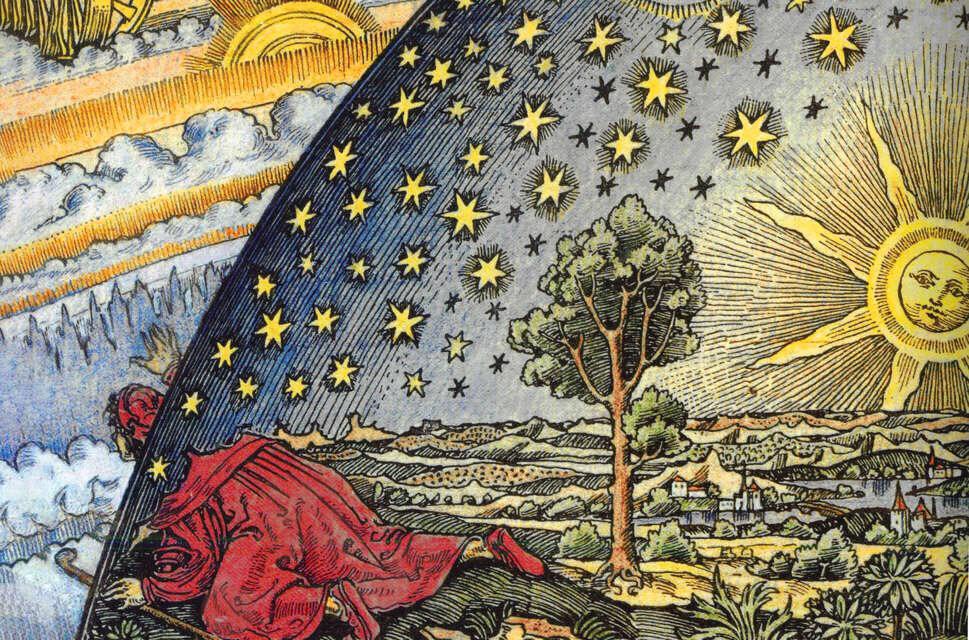
Gradually, insight turns into isolation—it's like stepping out of Plato's cave: When you leave your house, you stop seeing people and start seeing programming.
In conversations, you don't hear individuals—you hear scripts: recycled beliefs from parents, culture, politics, or social conditioning.
You mentally categorise people into archetypes, like they're a foreign species only you can decipher.
Once you spot the patterns, you can't unsee them. At first, it feels like clarity. But looking back, it's not clarity—it's distance.
You stop relating to people and start observing them.
Walking down the street, you feel surrounded by NPCs.
Instead of compassion, frustration builds, then irritation, then resentment.
Thoughts creep in:
"How can you not see through this?"
"How can you still care about this meaningless stuff?"
"How stupid are you?"
"How can you just go on like everything's normal?"
That's when you cross the line, often without realising it.
On the surface, pursuing knowledge looks like awakening. You gain hidden truths, equating it to spiritual growth. But in reality, it's the start of societal withdrawal.
You love humanity in the abstract, but struggle to love the human standing right in front of you.
You want to wake up the world, but have little patience for actual people.
That's how the poison seeps in: gradually, disguised as insight.
The more you learn, the more alone you feel.
The more you see, the less connected you become.
Nobody notices the danger because it all feels intellectually justified—you think things are getting clearer, but you're actually growing colder.
"He who increaseth knowledge increaseth sorrow." — Ecclesiastes 1:18
It's not the knowledge itself that poisons you—knowledge is neutral—it’s the state you're in when you receive it, without solid foundations to ground it.
If you're not ready, it splits you from the world—clarity becomes contempt.
Once you see the programming, it's easy to despise the programmed.
You think you're freeing yourself, but your heart is shrinking.
You start loving truth—the idea of truth—more than people.
Truth twists into elitism, insight into irritation, awakening into emotional superiority.
"If you stare into the abyss, the abyss stares back." — Nietzsche
This is what no one tells you when you start this path.
Worse still, once you see through institutions, structures, and hollow ideas, it's tempting to give up—after all, what's the point of participating?
This is why, when you wake up without a strong inner foundation, you don't float—you drown.
You might think you've reached a higher state of "nothing matters," but really, you've just lost the ability to care.
You swallow the red pill so aggressively that you lose the capacity to love anything human.
This is the Gnostic trap: demonising the physical world—I see so many people stuck here.
Information alone doesn't transform you. Embodiment does. Awareness without integration destabilises the soul.
You can fill your mind with every secret the ancients ever recorded and still remain exactly who you were yesterday—or worse, a diminished version of yourself.
But here's the hope: true awakening isn't about isolation; it's about integration.
Rebuild your foundations, ground your insights in compassion, and knowledge becomes a bridge, not a barrier.
The cost is real, but so is the potential for deeper connection—if you choose it.