Unfortunately no matter how judicious I am, no matter how much I review the code, it feels impossible to not let the slop slip in.
I feel like you can prevent it from overflowing, but without your hands getting dirty, you don't really know the state of the project.
Stashes taught me to hide my current chaos just to look functional for a moment
Life taught me, no matter how many times I reset, I can never undo the damage
//git reset --hard HEAD
History erased, but the scars remain ✌️
Branches taught me how easy it is for paths to completely diverge,
Merges taught me that combining two different worlds
results in conflict
Commits taught me, the mistakes you make are permanently written into history
i miss the old days coding on Atom.
github's own editor, way before microsoft bought them out and vs code took over.
it just had a different feel, hackable, like yours. RIP
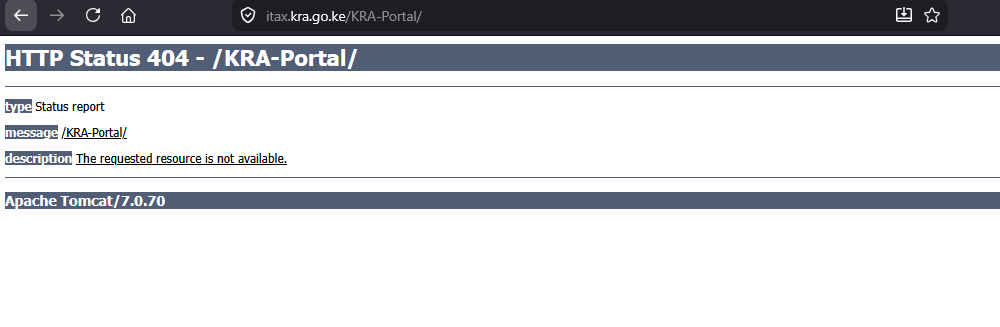
So apparently the itax system relies on Apache Tomcat 7.0.70 which is known to use a legacy Blocking I/O module.
This could be why under high concurrent traffic the site breaks. Which is always experienced during this last hours of filing returns.
Here's my update to the broader community about the ongoing incident investigation. I want to give you the rundown of the situation directly.
A Vercel employee got compromised via the breach of an AI platform customer called https://t.co/7PY6gGtzgI that he was using. The details are being fully investigated.
Through a series of maneuvers that escalated from our colleague’s compromised Vercel Google Workspace account, the attacker got further access to Vercel environments.
Vercel stores all customer environment variables fully encrypted at rest. We have numerous defense-in-depth mechanisms to protect core systems and customer data. We do have a capability however to designate environment variables as “non-sensitive”. Unfortunately, the attacker got further access through their enumeration.
We believe the attacking group to be highly sophisticated and, I strongly suspect, significantly accelerated by AI. They moved with surprising velocity and in-depth understanding of Vercel.
At the moment, we believe the number of customers with security impact to be quite limited. We’ve reached out with utmost priority to the ones we have concerns about. All of our focus right now is on investigation, communication to customers, enhancement of security measures, and sanitization of our environments. We’ve deployed extensive protection measures and monitoring. We’ve analyzed our supply chain, ensuring Next.js, Turbopack, and our many open source projects remain safe for our community.
The recommendation for all Vercel customers is to follow the Security Bulletin closely (https://t.co/BLVnic9fJC). My advice to everyone is to follow the best practices of security response: secret rotation, monitoring access to your Vercel environments and linked services, and ensuring the proper use of the sensitive env variables feature.
In response to this, and to aid in the improvement of all of our customers’ security postures, we’ve already rolled out new capabilities in the dashboard, including an overview page of environment variables, and a better user interface for sensitive env var creation and management. As always, I’m totally open to your feedback.
We’re working with elite cybersecurity firms, industry peers, and law enforcement. We’ve reached out to Context to assist in understanding the full scale of the incident, in an effort to protect other organizations and the broader internet. I also want to thank the Google Mandiant team for their active engagement and assistance.
It’s my mission to turn this attack into the most formidable security response imaginable. It’s always been a top priority for me. Vercel employs some of the most dedicated security researchers and security-minded engineers in the world. I commit to keeping you updated and rolling out extensive improvements and defenses so you, our customers and community, can have the peace of mind that Vercel always has your back.