La elección de la bandera rojigualda por parte del rey Carlos III para sus barcos de la Real Armada no pudo estar más acertada.
Ninguna otra bandera se ve con tanta claridad ni destaca tanto en el horizonte.
El navío Juan Sebastián Elcano en Nueva York.
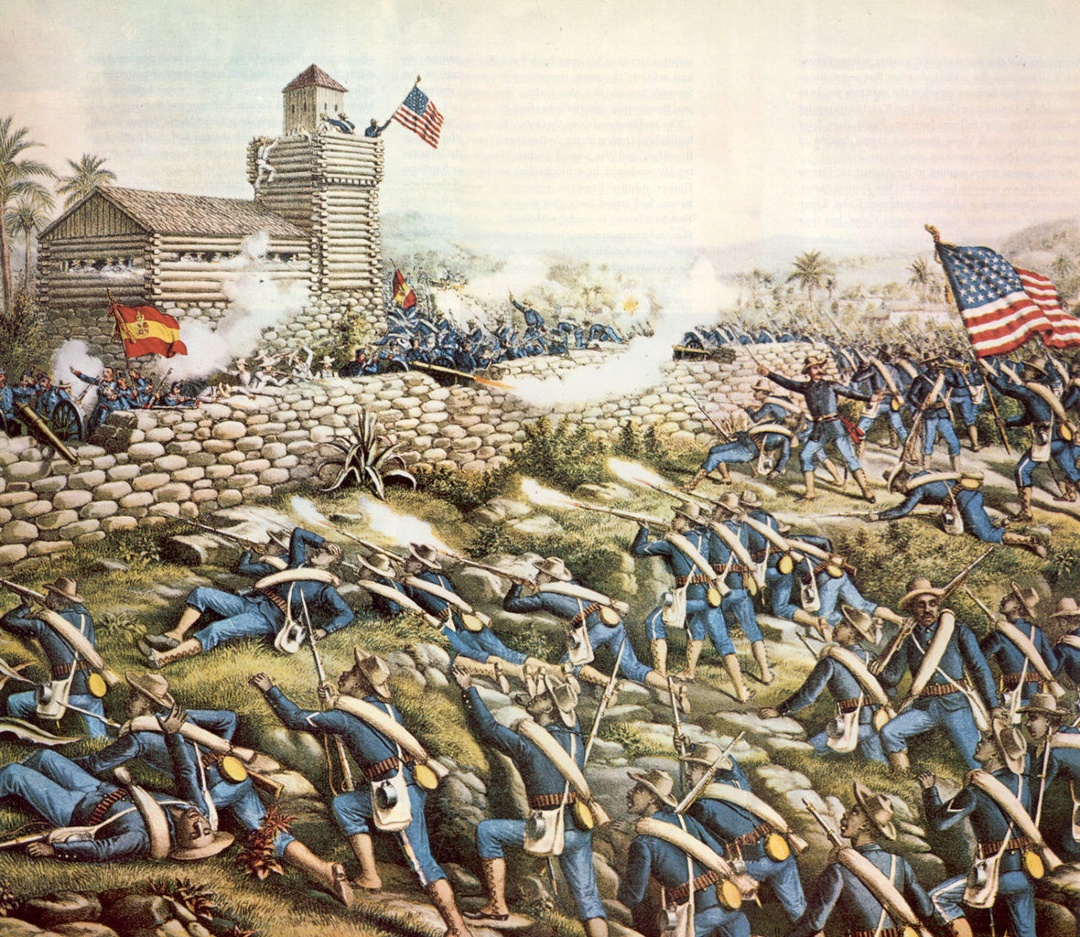
El 1 de julio de 1898 los españoles mostraron su valía en dos sitios a la vez: en Baler, Filipinas, al empezar el sitio que duraría cerca de un año; y en las Lomas de San Juan, Cuba, unos pocos cientos pusieron en jaque a miles de soldados estadounidenses durante todo el día.
Le saviez-vous ?
Anadabijou, chef innu de Tadoussac en 1603, déclara à Champlain lors de la conclusion de la Grande Alliance : «Vous êtes les bienvenus ici, vous pouvez peupler ces terres si vous le souhaitez, mais à une condition : vous allez combattre nos ennemis à nos côtés.»
26 de junio 1580: nace San Pedro Claver; sacerdote jesuita y misionero español antiesclavista que trabajó en el puerto de Cartagena de Indias.
Se apodó a sí mismo el «esclavo de los negros».
Fue canonizado en 1888 por el Papa León XIII.
25 juin 1673
Une expédition menée par le père Marquette arrive au pays des Illinois. Ils sont accueillis par le chef qui leur dit: «Que le soleil est beau, Français, quand tu viens nous visiter, tout notre bourg t’attend et tu entreras en paix dans toutes nos cabanes.»
En 1521 el conquistador Juan Ponce de León fundó en la isla de San Juan una ciudad que fue llamada Puerto Rico, la cual se convirtió en la capital de la ínsula.
Con el tiempo hubo un cambio de nombres y la isla pasó a ser conocida como Puerto Rico, y la localidad, San Juan.
La selección de Croacia es la única 100% europea.
Son católicos. Fueron a misa antes de viajar.
Modric tiene una imagen de la Sagrada Familia en sus canilleras.
El entrenador reza el rosario durante los partidos.
¿Qué tal si lo damos a conocer al mundo?
Necesitamos más de esto.
18 juin 1603
Champlain et Gravé Du Pont entreprennent l'exploration de la "Rivière de Canada"(le fleuve St-Laurent). Champlain nomme plusieurs lieux, remonte la rivière Richelieu jusqu'aux rapides St-Ours. Le 3 juillet ils font demi-tour devant le sault St-Louis (rapides Lachine)
10 juin 1791
L’Acte constitutionnel de 1791 reçoit la sanction royale. L’ancienne Nouv-France, est alors divisée en deux: Haut-Canada (10.000 hab) et Bas-Canada (160.000 hab). Une division rendue nécessaire en raison des immigrés loyalistes qui ne veulent pas des lois françaises.
Exclamaba San Francisco de Asís ante el misterio de la presencia real de Jesús en la Eucaristía:
«¡Que tiemble toda la humanidad, que tiemble todo el universo, y que el cielo se regocije, cuando en el altar, en la mano del sacerdote, se hace presente Cristo, el Hijo del Dios vivo! ¡Oh admirable altura y estupenda condescendencia! ¡Oh sublime humildad! ¡Oh humilde sublimidad, que el Señor del universo, Dios e Hijo de Dios, se humille hasta esconderse, por nuestra salvación, bajo la humilde apariencia del pan! ¡Contemplad, hermanos, la humildad de Dios, y abrid vuestros corazones ante él!».
- Y entonces, para ocultar su barbaridad y atrocidades, Inglaterra, Francia y los Países Bajos comenzaron a decir que los españoles fuimos genocidas de los nativos de América y les robamos todos su oro, que la Inquisición española quemó a miles de brujas, o que España estaba atrasada científicamente en el siglo XVIII. Y muchos españoles se lo creyeron.
LOS MENSAJES ENCRIPTADOS EN LA TOMA DE BREDA
Cuando se habla de CRIPTOGRAFÍA se suele pensar en la Segunda Guerra Mundial, sin embargo, fue una técnica habitual en la Edad Moderna. Su papel fue esencial en la GUERRA DE FLANDES, ven a conocer el caso de la famosa conquista de Breda. HILO. 🧵
17 mai 1642
Un groupe de prêtres, religieuses et colons de la Société Notre-Dame de Montréal menés par Maisonneuve fonde le village de Ville-Marie, qui deviendra Montréal. La ville prendra ce nom en raison du mont Royal (Mons realis), dénommé ainsi par Jacques Cartier en 1535.
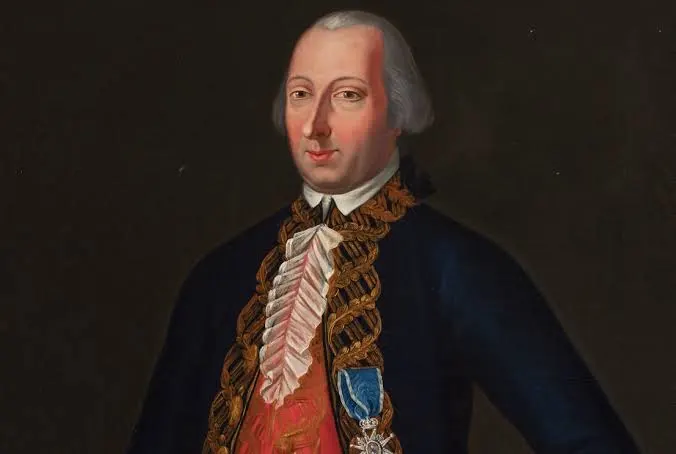
245 years ago today, a 35-year-old Spanish nobleman fired a single artillery shell that redrew the map of North America, broke British power in the Gulf of Mexico, and arguably saved the American Revolution. His name was Bernardo de Gálvez. He's not in your textbook. He should be.
When Spain entered the war against Britain in June 1779, the American cause was bleeding out. Washington's army was unpaid and shrinking. The Continental dollar was worth pennies. The British had taken Savannah and were preparing to take Charleston. France was helping, but France alone couldn't bankrupt the British Empire.
Spain could. And in New Orleans sat the man who would prove it.
Bernardo de Gálvez y Madrid was 33 years old, the governor of Spanish Louisiana, a battle-scarred career officer who had been wounded fighting Apaches in northern Mexico and Algerians in North Africa. The day he learned Spain had declared war, he didn't wait for orders from Madrid. He raised an army of Spanish regulars, Louisiana Creoles, free Black militia from New Orleans, Acadian refugees, German settlers, and Choctaw scouts, and he went on the attack.
In three months he took Manchac, Baton Rouge, and Natchez. The next year he took Mobile. The British presence on the Gulf shrank to one last fortress. Pensacola, the capital of British West Florida, defended by Major General John Campbell with 1,500 redcoats, the 3rd Waldeck Regiment of German mercenaries, loyalist battalions from Maryland and Pennsylvania, and a powerful alliance of Creek and Choctaw warriors led by the brilliant mixed-race chief Alexander McGillivray.
Gálvez arrived off Pensacola in March 1781 with 7,000 men and a fleet. The Spanish naval commander, Admiral Calbo de Irazábal, refused to enter Pensacola Bay. The entrance was narrow, raked by British guns at Fort Barrancas Coloradas, and treacherous with sandbars. So Gálvez did something insane. He boarded his own little brig, the Galveztown, hoisted his personal pennant, and sailed her into the bay alone, in full view of the British batteries, daring the Royal Navy to sink him. The British fired and missed. The Spanish fleet, shamed, followed him in. For this he was awarded the right to put the words "Yo Solo," meaning "I alone," on his coat of arms by the King of Spain.
The siege ground on for two months. Gálvez was shot in the abdomen and the finger directing artillery and refused to leave the field. The British defenses at the Queen's Redoubt, also called the Crescent, held against everything thrown at them. And then, on the morning of May 8, 1781, a Spanish howitzer crew lofted a shell over the parapet. It dropped, by pure luck or perfect skill, directly into the open powder magazine.
The explosion killed roughly 100 defenders in a single instant. Waldeck grenadiers, British regulars, loyalists, all gone. The blast tore the redoubt's wall open like paper. Spanish grenadiers and Louisiana militia poured through the breach within minutes and turned the captured British guns on the inner works. Campbell knew it was over.
The next morning, May 9, white flags went up. By May 10 the entire province of West Florida belonged to Spain. Over 1,100 British troops marched out as prisoners of war.
The strategic consequences were catastrophic for Britain. The Gulf Coast was lost. The Mississippi was a Spanish river from source to sea. Britain could no longer reinforce its southern armies by sea from the Caribbean, and the Royal Navy's Caribbean squadron had to be redeployed. Five months later, Cornwallis surrendered at Yorktown, in a siege funded in part by 500,000 silver pesos that Gálvez and the people of Havana raised in a matter of days to pay French Admiral de Grasse's fleet to come north.
Without that money, no French fleet. Without the French fleet, no Yorktown. Without Yorktown, no independence on those terms.
Gálvez was made Count of Gálvez and Viscount of Galveztown. The bay he charted in Texas still bears his name, Galveston. His portrait hangs in the United States Capitol by act of Congress. In 2014, he was made an honorary citizen of the United States, an honor given to only eight people in American history, including Lafayette, Churchill, and Mother Teresa.
He died of yellow fever in Mexico City at 40 years old, three years after the war ended.
Most Americans have never heard his name.
Vinieron sin que nadie los hubiera llamado. Conquistaron, masacraron, civilizaron, se llevaron el oro. Nos dieron un nombre (hispanos), dejaron calzadas, acueductos, templos, un idioma, el derecho, una religión, el aceite de oliva, el vidrio soplado, el calendario juliano, el hormigón, faros en los puertos...
A pesar de todo ello, y de que descendemos de ellos en gran medida, seguimos teniendo mucha manía a los romanos.
Meloni, guapa, devuélvenos el oro y pídenos perdón. #Roma #Hispania #Segovia
9 mai 1641
Deux navires partent de La Rochelle. Maisonneuve s'embarque dans l'un d'eux avec 25 colons et un prêtre séculier; dans l'autre navire, Jeanne Mance, le Jésuite Jacques de La Place et 12 hommes. Le 17 mai 1642, ils fonderont Ville-Marie (Montréal).
5 mai 1660
Mgr de Laval, premier évêque de la Nouvelle-France, défend, sous peine d’excommunication, de donner des boissons enivrantes aux autochtones.
#TalDíaComoHoy del año 589 se abría el III Concilio de Toledo.
Este sínodo, presidido por san Leandro, fue fundamental para la Historia de España porque en él, el rey Recaredo abjuró oficialmente del arrianismo y abrazó el catolicismo como religión oficial para todo el reino.