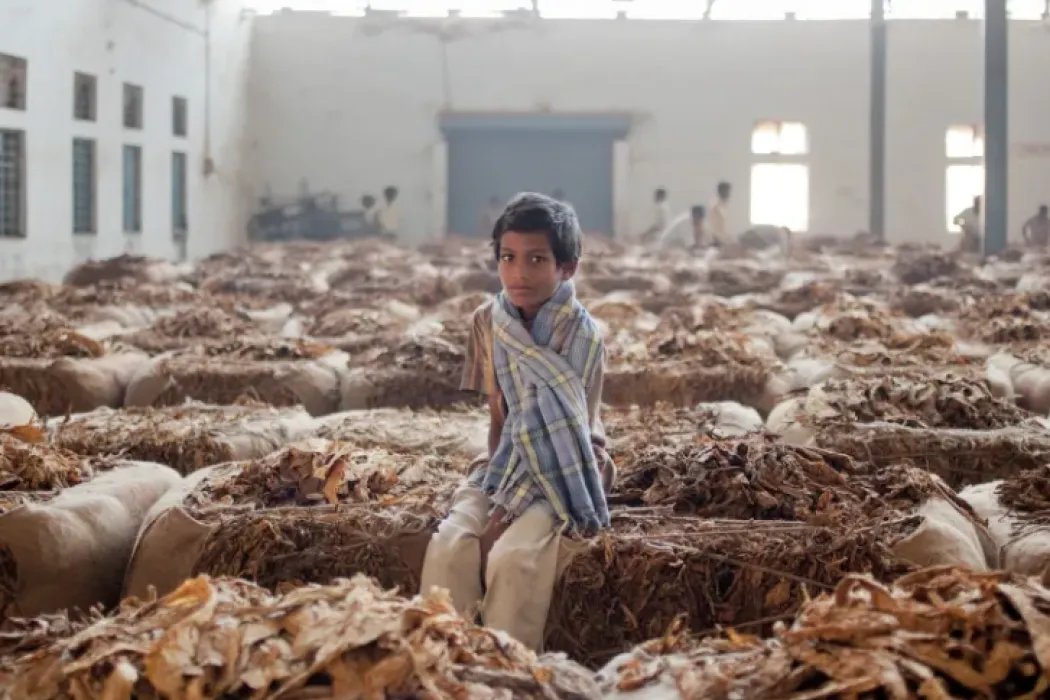
This week marks the 20th anniversary of the #who Framework Convention on Tobacco Control, a treaty that significantly reduced global tobacco use.
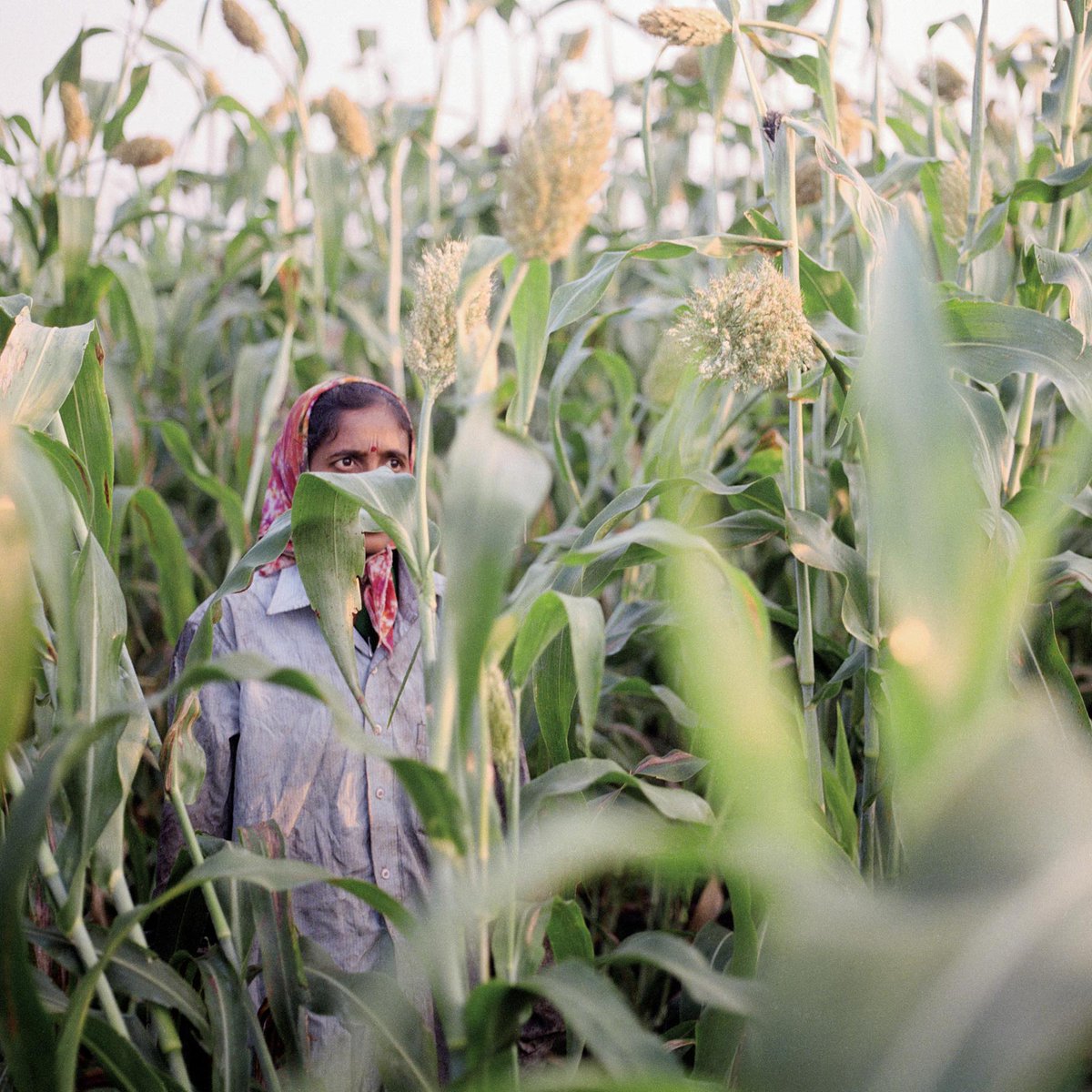
Special discount on my book, Bitter Leaves. Texts by Judith Mackay and support from @who and the @FundFIJ.
Climate activists near Migné-Auxances, engulfed in flames caused by tear gas launched by the police. On 19th July, 2024, around 3,000 officers were deployed to block the Soulèvements de la Terre march against water basins. Image is part of the work Silent Spring @MicheleBorzoni
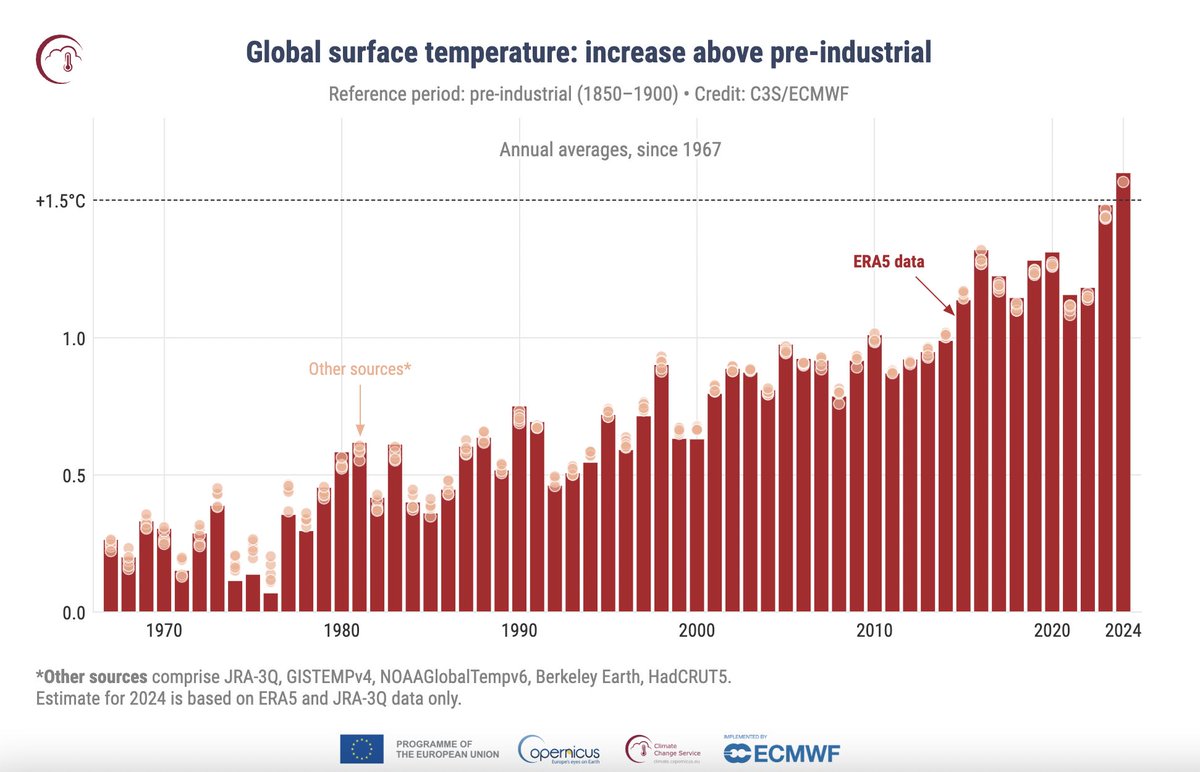
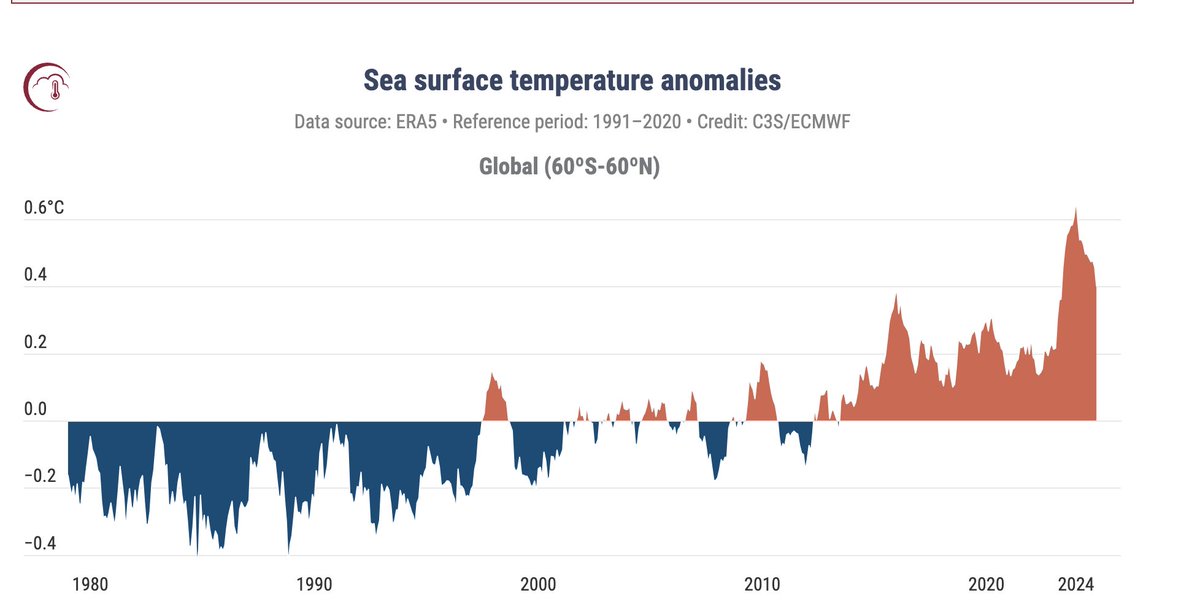
In questi giorni l'uomo più ricco del mondo continua a dire - nelle conversazioni con neonazisti che fa sul social che si è comprato - che ogni civiltà evoluta deve avere due pianeti, perché uno non basta. Ed è singolare che proprio oggi, mentre ascoltiamo le fantasie di civiltà multi-planetaria come se la vita fosse un franchising, e proprio mentre il luogo più pieno di immaginario della nostra civiltà è bruciato - proprio oggi, dicevo, siano usciti i dati su come sta andando la vita fisica e chimica su quello che a tutti gli effetti è l'unico pianeta che abbiamo, si chiama Terra, terzo del sistema solare, quello lì, dove siamo nati e dove moriremo. Sono i dati del servizio Copernicus: se fossimo una specie che sa badare a se stessa, oggi non ci sarebbe notizia più importante. Non sono dati sorprendenti, perché la termodinamica non è un viaggio dell'eroe pieno di svolte improvvise ma un processo stolido e inesorabile, ma sono importanti.
Il 2024 è ufficialmente il primo anno che abbiamo passato per intero sopra la soglia di 1.5°C di aumento di temperatura: i dataset dal 1850 a oggi dicono che non ha mai fatto così caldo, noi ovviamente non conosciamo nessuno che abbia vissuto prima del 1850 né nessuno che abbia conosciuto qualcuno che ci avesse vissuto, questa è l'estensione del danno intergenerazionale. Abbiamo reso la Terra fisicamente irriconoscibile. I dieci anni più caldi nella storia dell'umanità sono stati tutti negli ultimi dieci, in ordine un po' sparso (1. 2024, 2. 2023, 3. 2016 e così via). Ci sono state tre intere stagioni da record di temperatura: inverno boreale, primavera boreale, estate boreale. Il 22 luglio è stato il giorno con la temperatura media più alta mai registrata su questo nostro pianeta: 17.16°C.
Copernicus ha una nota in cui dice: no, non abbiamo superato i limiti dell'accordo di Parigi, non bastano un anno o due, ma sforare entro fine anni 30 è «altamente probabile». Non sono cattive notizie, possiamo attrezzarci, organizzarci, lottare, batterci, c'è molto lavoro da fare, c'è margine, c'è futuro, c'è ancora tutto, ci sta un solo pianeta su cui farlo, e questo è male, ma è il tuo, ci vivi, e questo è bene.
A climate activist in Vienne, France, July 19, 2024, following clashes with police during a march against the construction of water basins for industrial agriculture. This photo is part of "Silent Spring," a project with @MicheleBorzoni , to become a book.
#climate#activist
"Protecting children from tobacco industry interference" is the theme for @WHO@FCTCofficial#WorldNoTobaccoDay this year.
It's our duty.
We must protect them from the tobacco industry who targets them with addictive and harmful products.
https://t.co/1I35YeiBEP
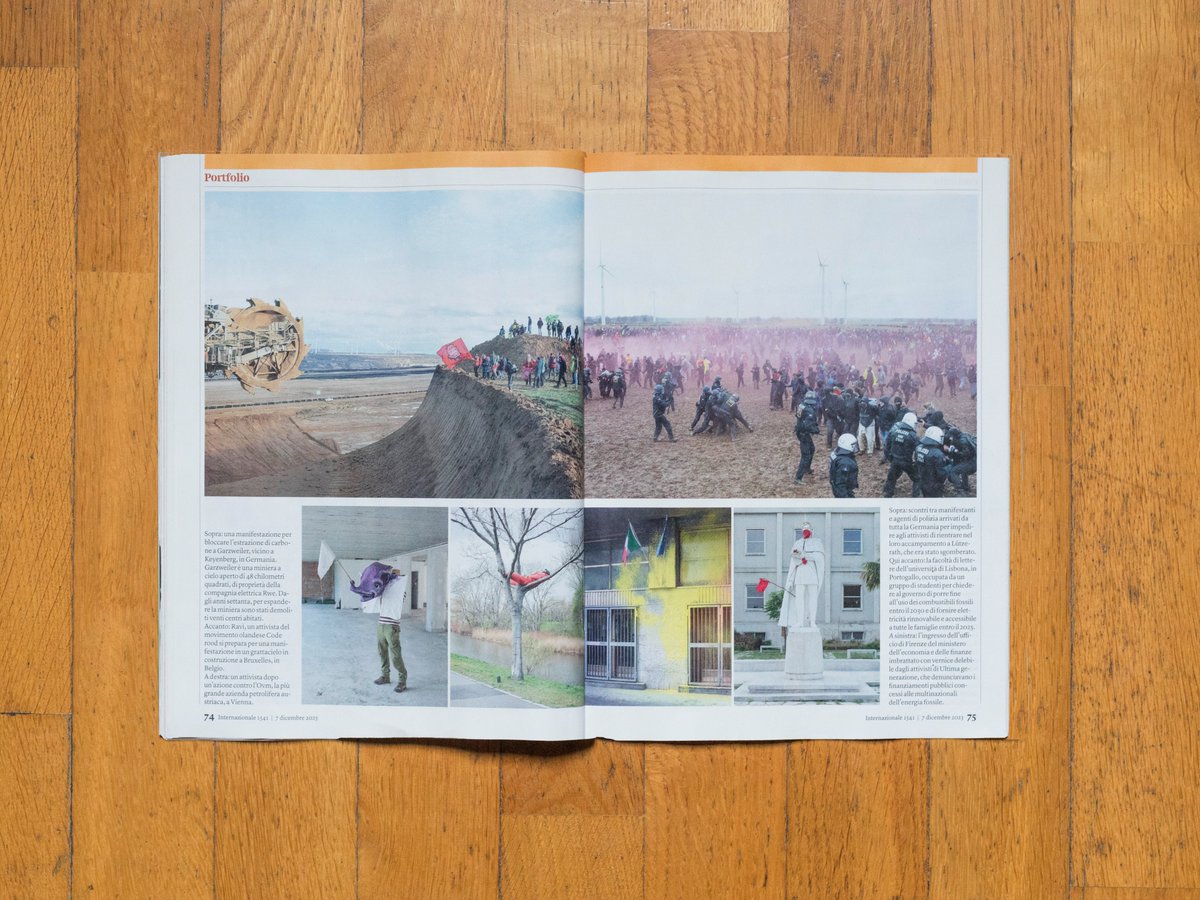
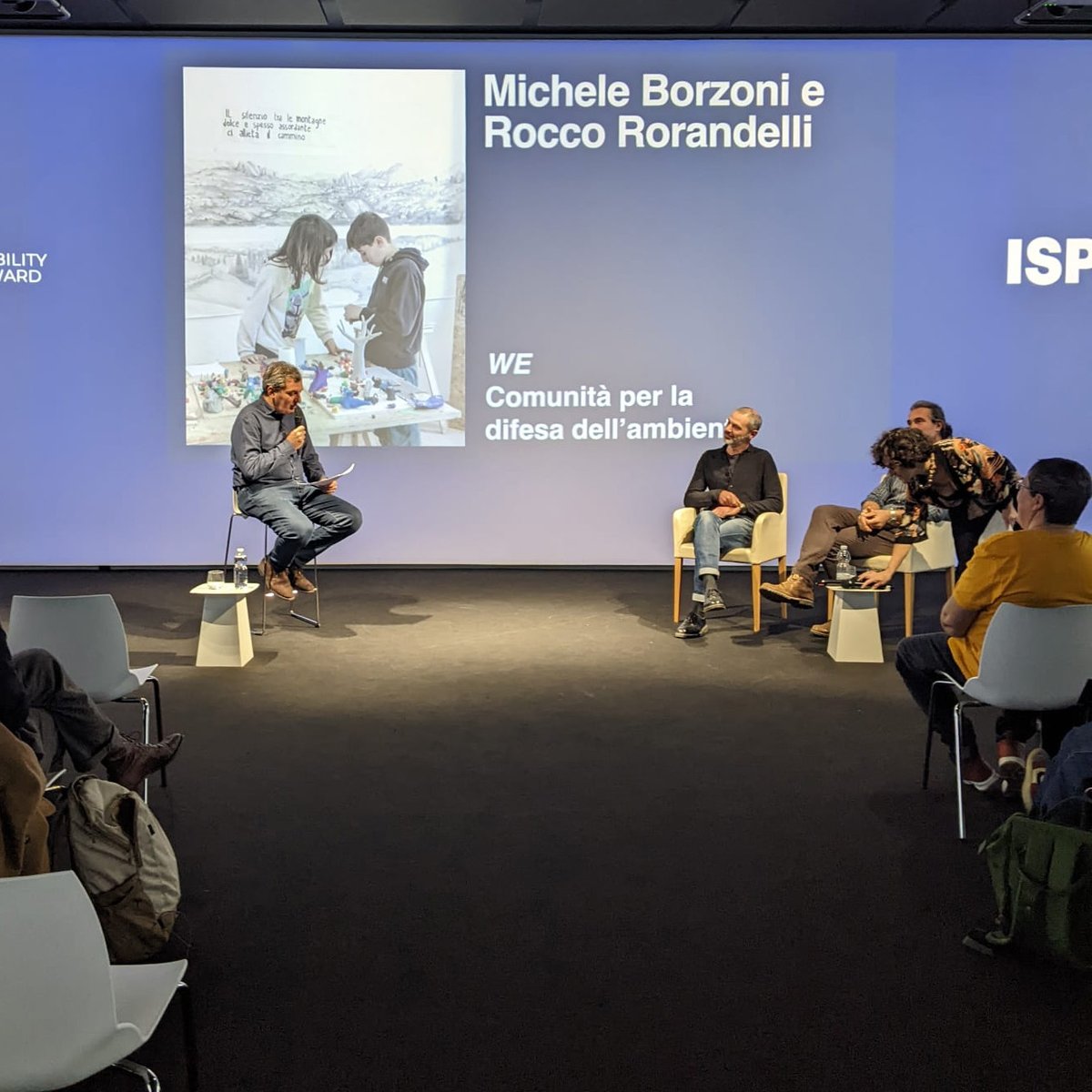
This week on @Internazionale magazine the project I am carrying on with @MicheleBorzoni on environmental activists in Europe. The project has so far taken us to Belgium, Germany, Portugal, Austria and Italy and will continue in the next months.
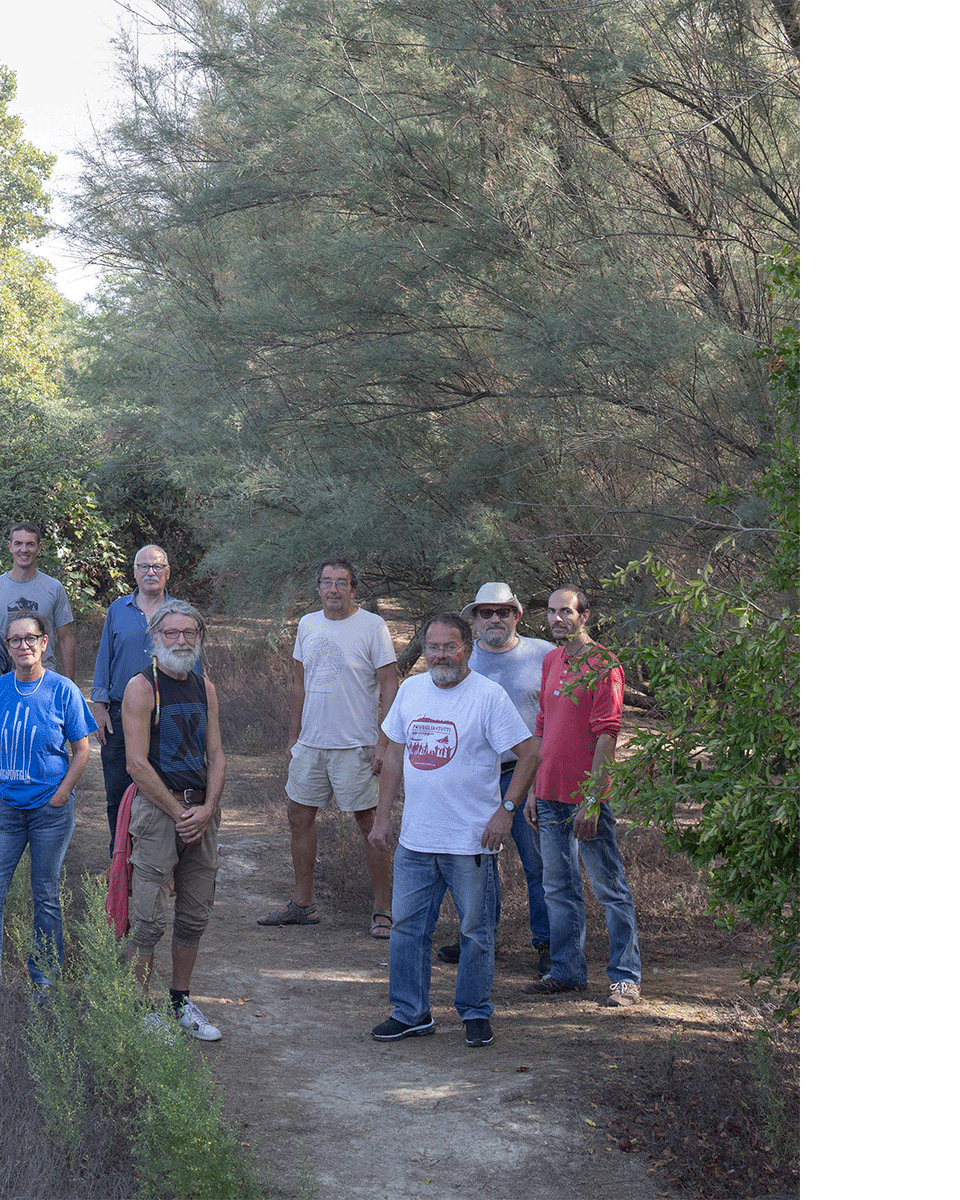
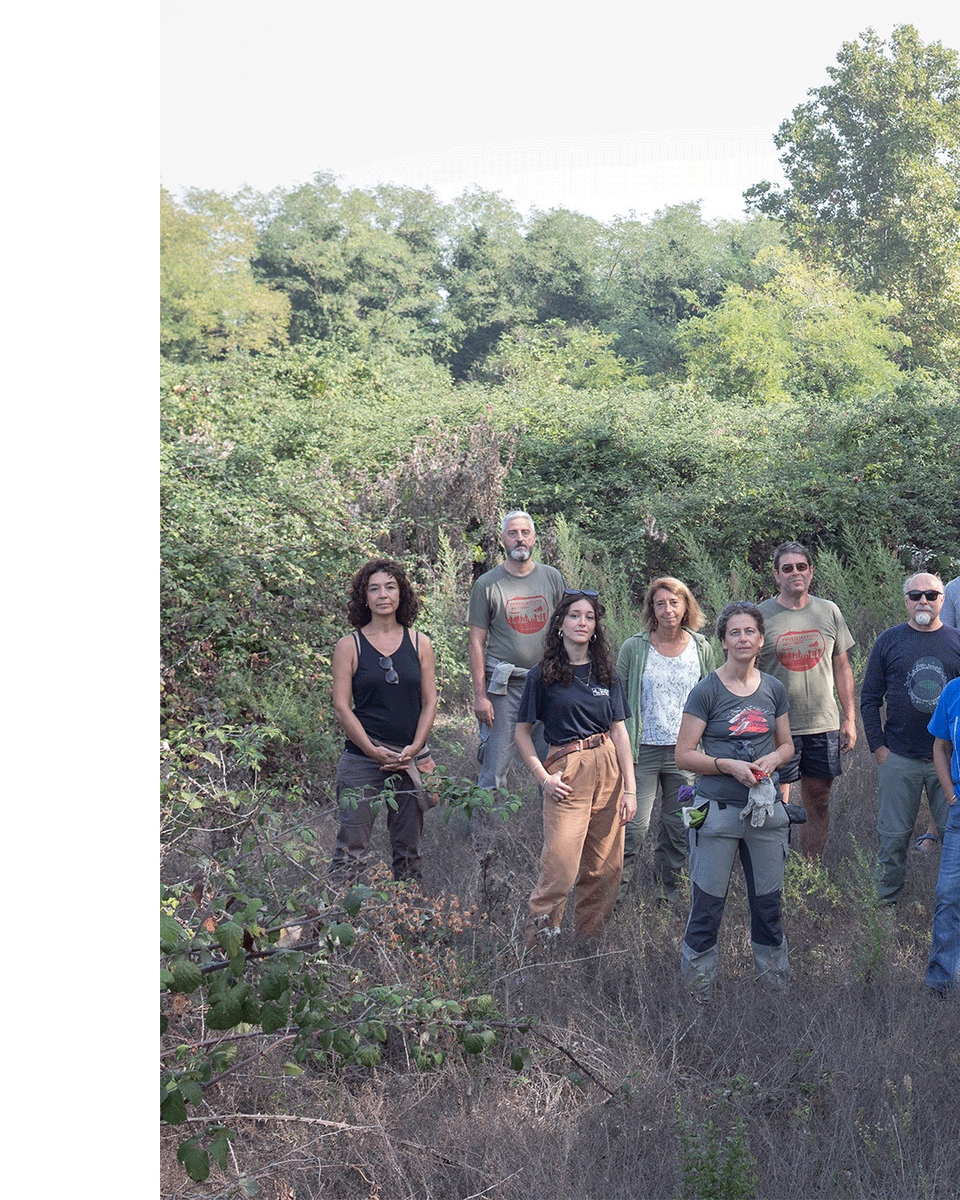
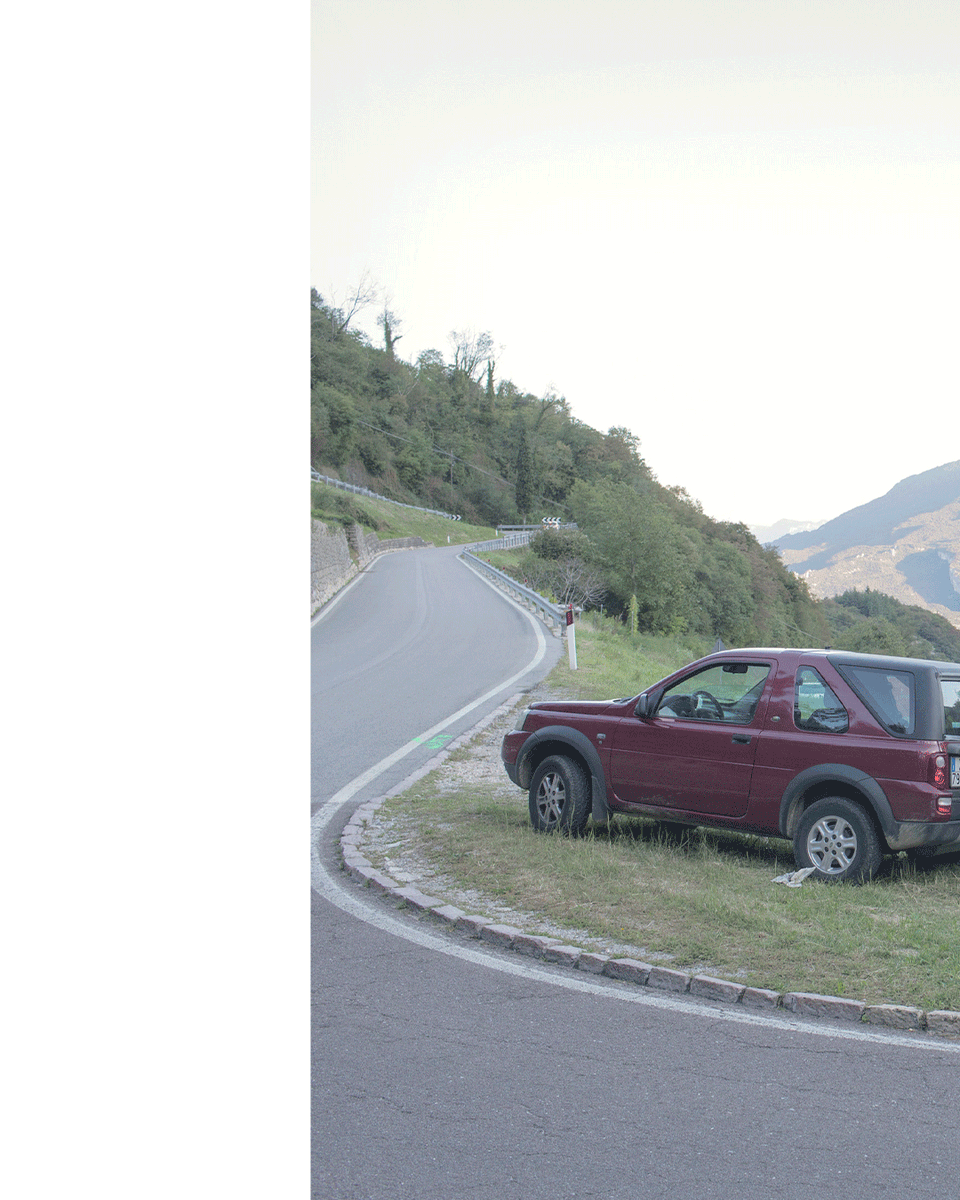
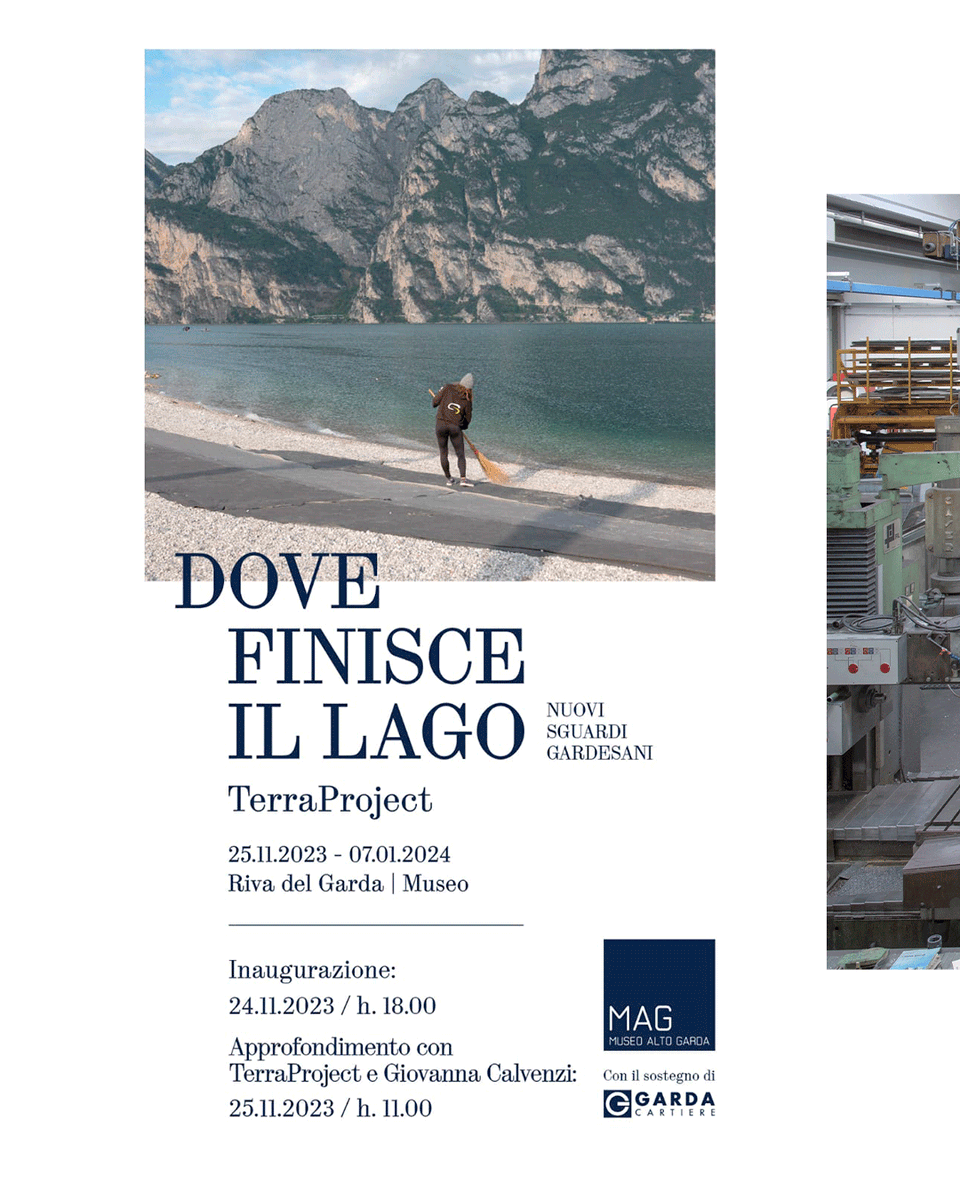
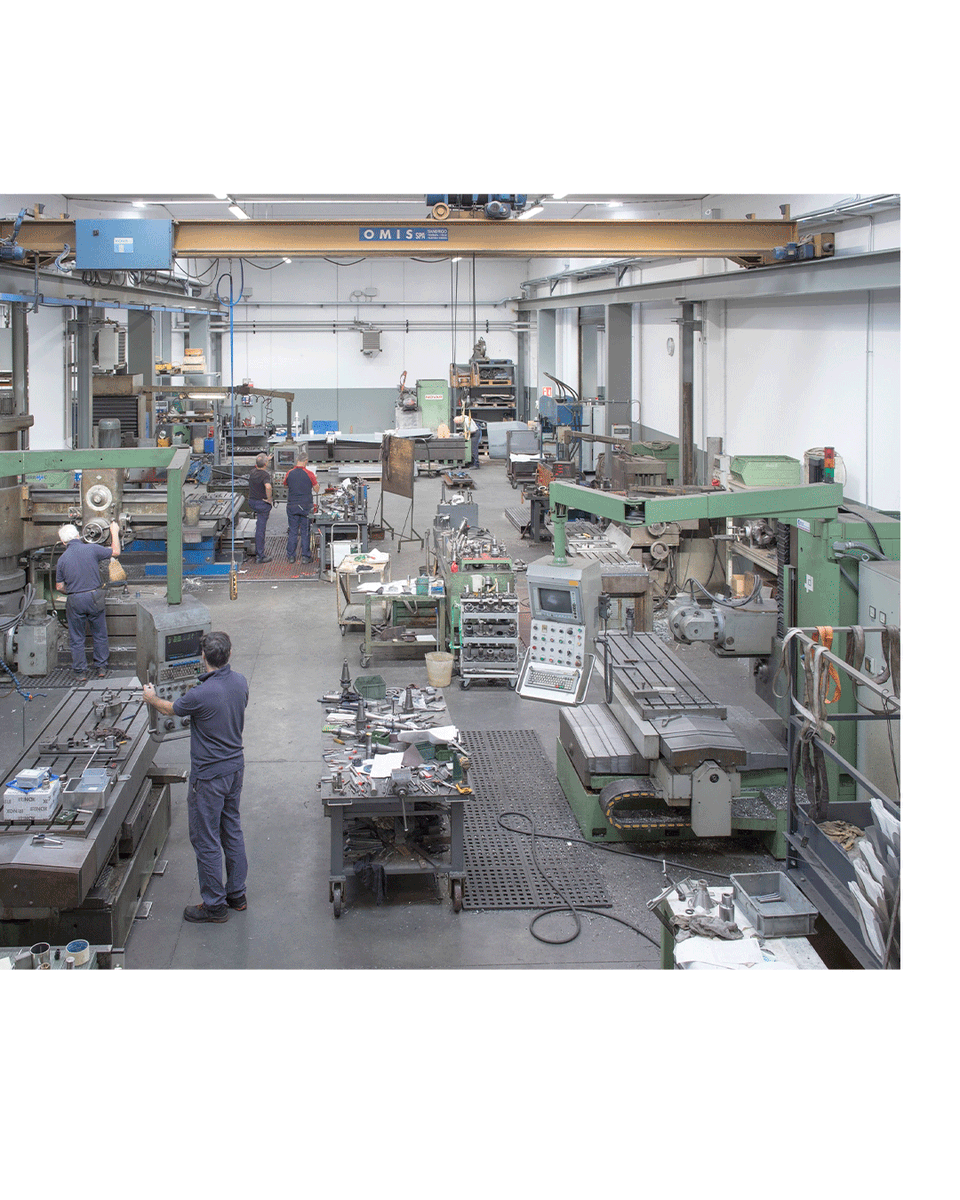
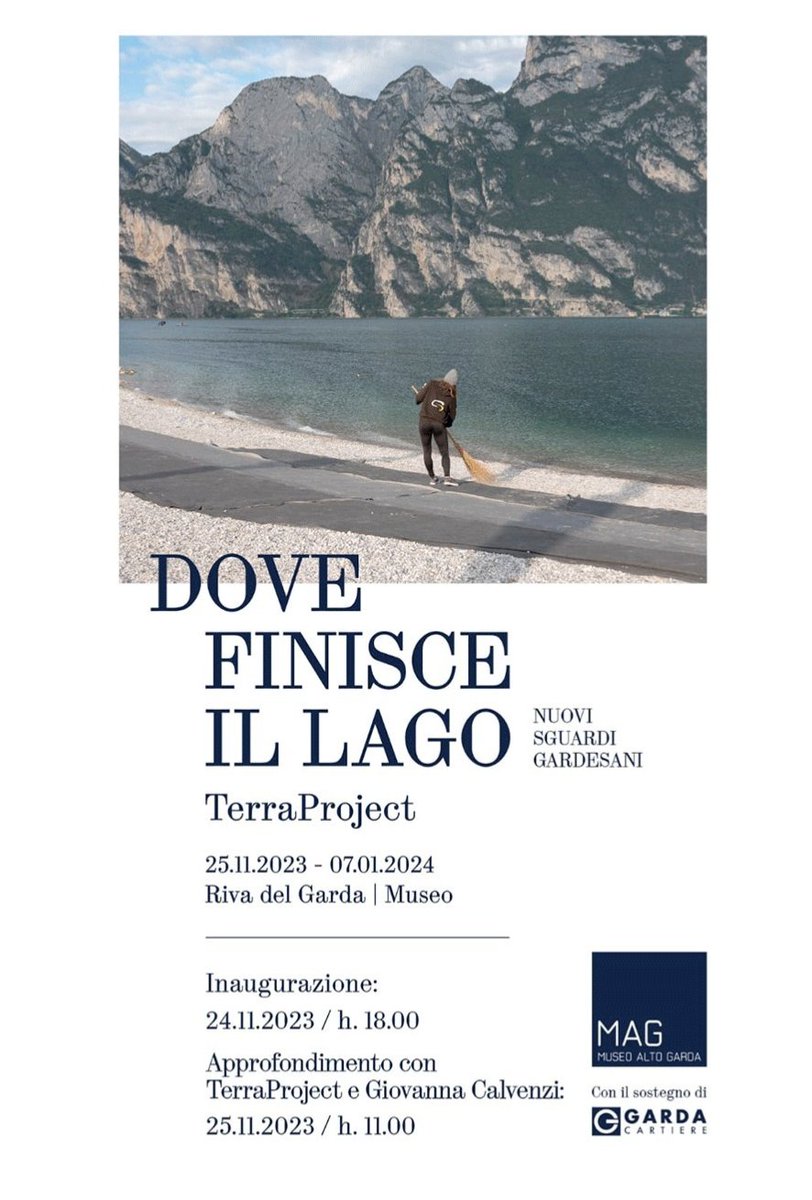
DOVE FINISCE IL LAGO - WHERE THE LAKE ENDS
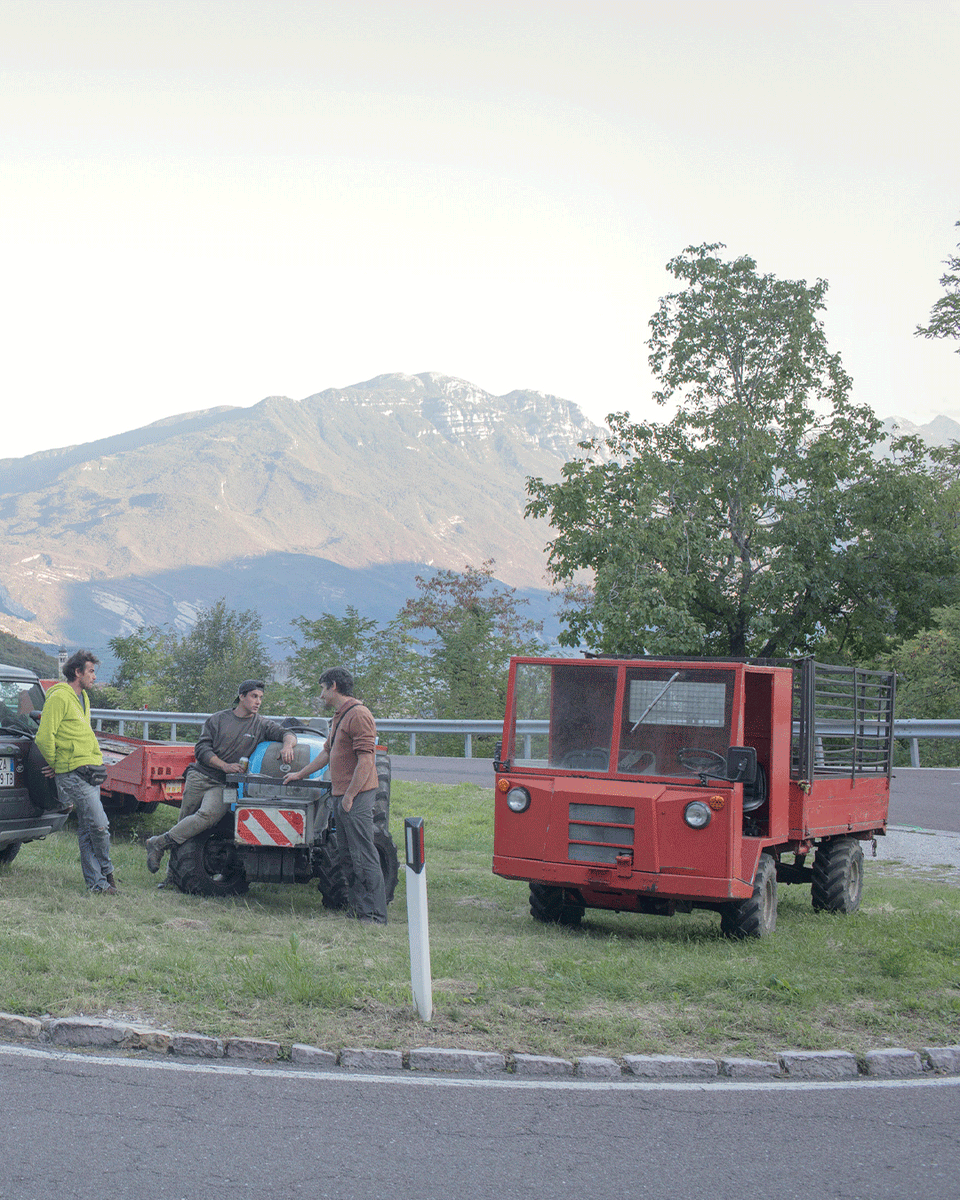
Our latest commission for @MAGMuseoGarda to document the geographical and social landscape around the Garda Lake. Curated by Giovanna Calvenzi @gcalvenzi1
Opening this Friday 24th at 6pm
Tobacco: the world's most deadly industry - comprehensive overview of the human & #environmental costs via @GeographicalMagazine “More than 30% of Indonesian #children start smoking before the age of 10, encouraged by aggressive marketing strategies...” https://t.co/lsUlpvxTJx