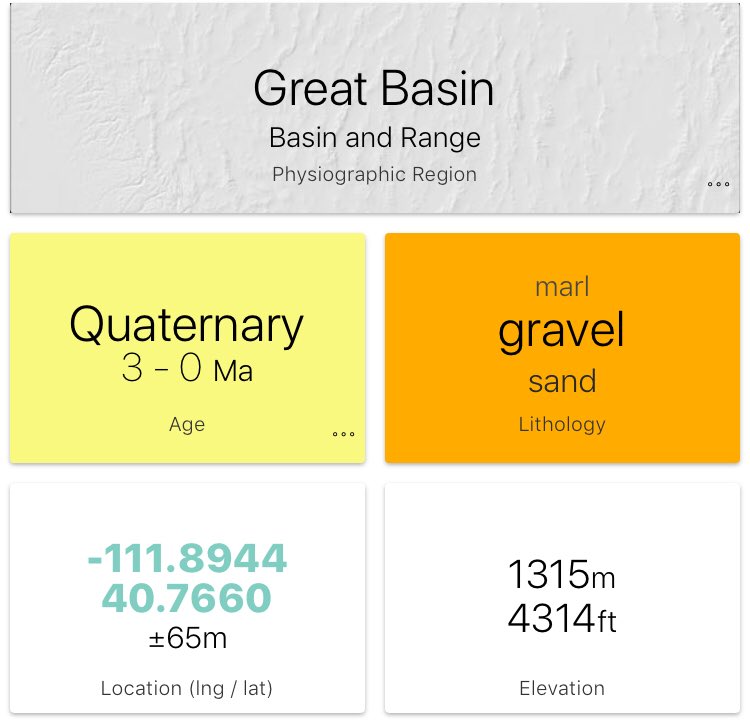
Want to know about the rock you are standing on? Learn the paleography? Take strike and dip? Find an outcrop? Check out #RockD app by @UWMacrostrat! Amazing for those interested in#geoscience.
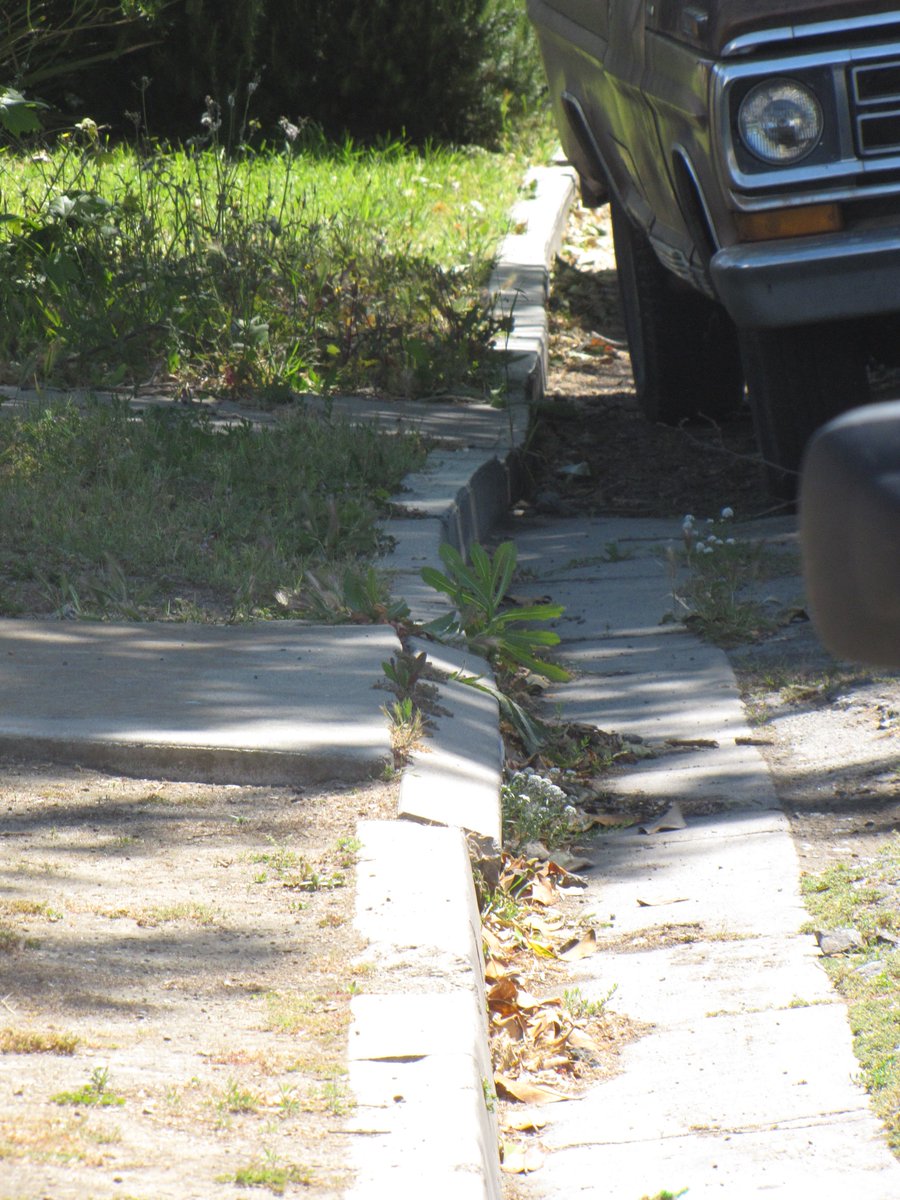
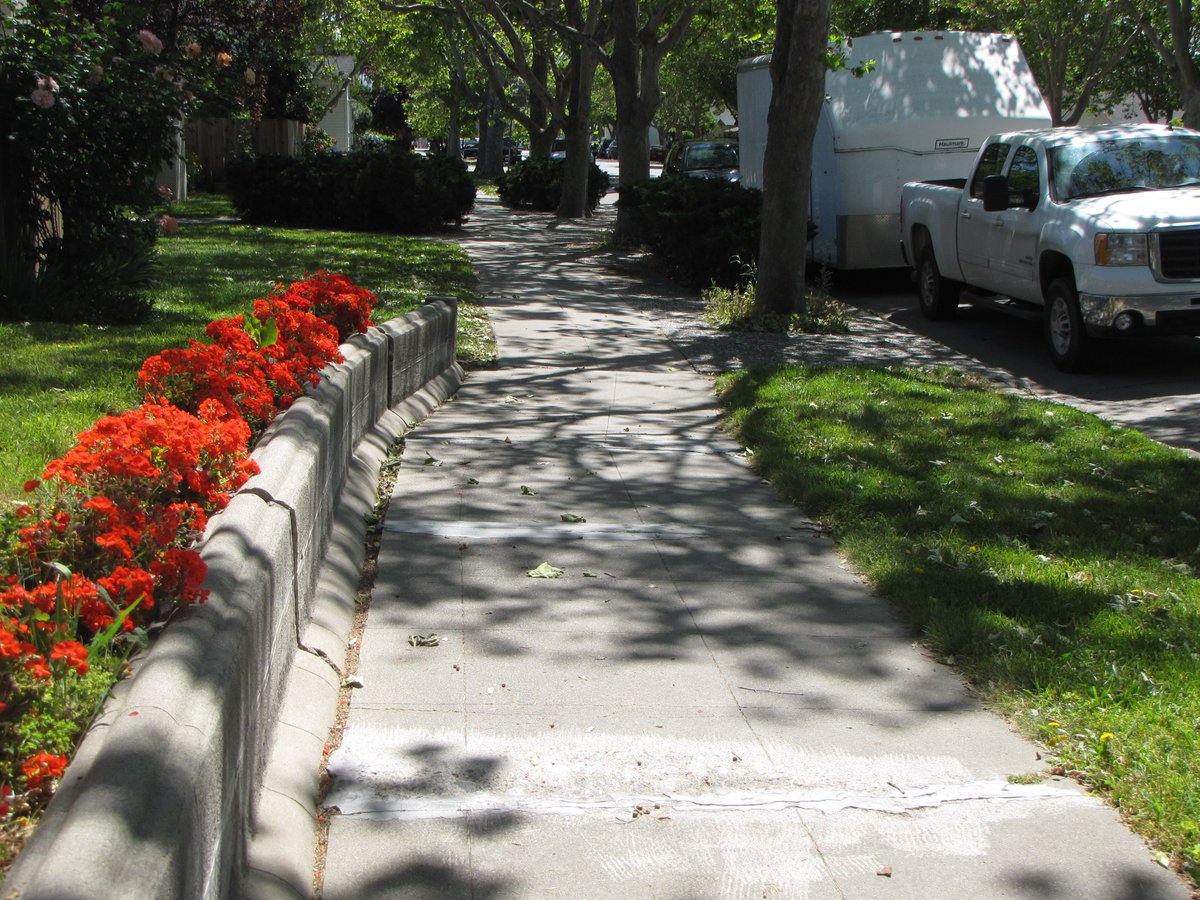
I had forgotten all about my visit to Hollister in 2010 to capture the fault creep in digital photos. Here are a few of those images. Attn: @tsherryUSA & @phaneritic
@sfoxx @eruptionsblog Aaaah - I see. In that case, I suppose that the fractional crystallization evolution would indeed be mechanically similar, but from a subtly different initial basalt comps (incompatible element enriched for the Mauna Kea series vs. MORB-like for Kilauea), thus difft end products.
@sfoxx @eruptionsblog I think hawaiite is thought to originate from small degrees of partial melting, rather than the fractional crystallization that's inferred for Kilauea's evolved compositions.
@phaneritic This is why I'm not a stickler for magma vs. lava as mutually exclusive. I use "magma" for any (partially or wholly) molten rock - exclusively when it's underground, and interchangeably with "lava" when its above ground. Magma clearly connotes molten; lava can be solid or liquid.