🚨 95% OF ETH HOLDERS ARE ABOUT TO BUY THE BIGGEST BULL TRAP OF THIS CYCLE.
Everyone is waiting for the breakout.
I'm waiting for the collapse.
$ETH hit $1,920 exactly where I expected.
$2,000 is next.
That's where everyone turns bullish.
That's where I get even more cautious.
Here's the roadmap I'm still following:
→ $1,800 retest
→ $2,000 breakout
→ $2,200 if BTC pushes toward $70K
→ 7-10 days of distribution
→ Final flush into $1,300-$900
Only then does the real bull market begin.
That's when I'll start getting aggressive.
Everyone else?
They'll FOMO at $2,000...
They'll call $2,200 "confirmation"...
Then they'll panic sell the real bottom.
It happens every cycle.
Smart money doesn't buy excitement.
It buys fear.
My long-term target hasn't changed:
$7,000+ ETH.
But I have zero interest in buying the part of the move everyone is celebrating.
I warned about the bull trap before it happened.
I warned about the summer sell-off before it started.
The next call will be the biggest one of this cycle.
Follow now. By the time Crypto Twitter turns bullish, the opportunity will already be gone.
If you love fine-tuning open-source models (like me), then listen.
> Start with 1B, 2B, 4B, and 8B models. (Don't start with a 27B model or bigger at first.)
> Use WebGPU providers. I use Google Colab Pro for any model smaller than 9B. A single A100 80GB costs around $0.60/hr, which is cheap. Enough for small models.
> Don’t buy GPUs unless you fine-tune 7 to 10 models. You'll understand the nitty-gritty in the process.
> Use Codex 5.5 × DeepSeek v4 Pro to create datasets. Codex to plan, DeepSeek v4 Pro to generate rows.
> Use Unsloth's instruct models as a base from Hugging Face. Yes, there are others too, but Unsloth also provides fast fine-tuning notebooks.
> Use Unsloth's fine-tuning notebooks as a reference. Paste them into Codex, and Codex will write a custom notebook with the configs you need.
> Spend 1 day learning about:
- SFT (supervised fine-tuning)
- RL training (GRPO, DPO, PPO, etc.)
- LoRA / QLoRA training
- Quantization and types
- Local inference engines (llama.cpp)
- KV cache and prompt cache
> Just get started. Claude, Codex, and ChatGPT can design a step-by-step plan for how you can fine-tune your first AI model.
Future tech is moving toward small 5B to 15B ELMs (Expert Language Models) rather than general 1T LLMs.
So fine-tuning is an important skill that anyone can acquire today.
Tune models, test them, use them. Then fine-tune for companies and make a career out of it. (Companies pay $50k+ to fine-tune models on their data so they can get personalized AI models.)
Shoot your questions below. I'll be sharing in-depth raw findings about this topic in the coming days.
The smartest people on the internet just open-sourced their brain.
11 GitHub repos worth bookmarking:
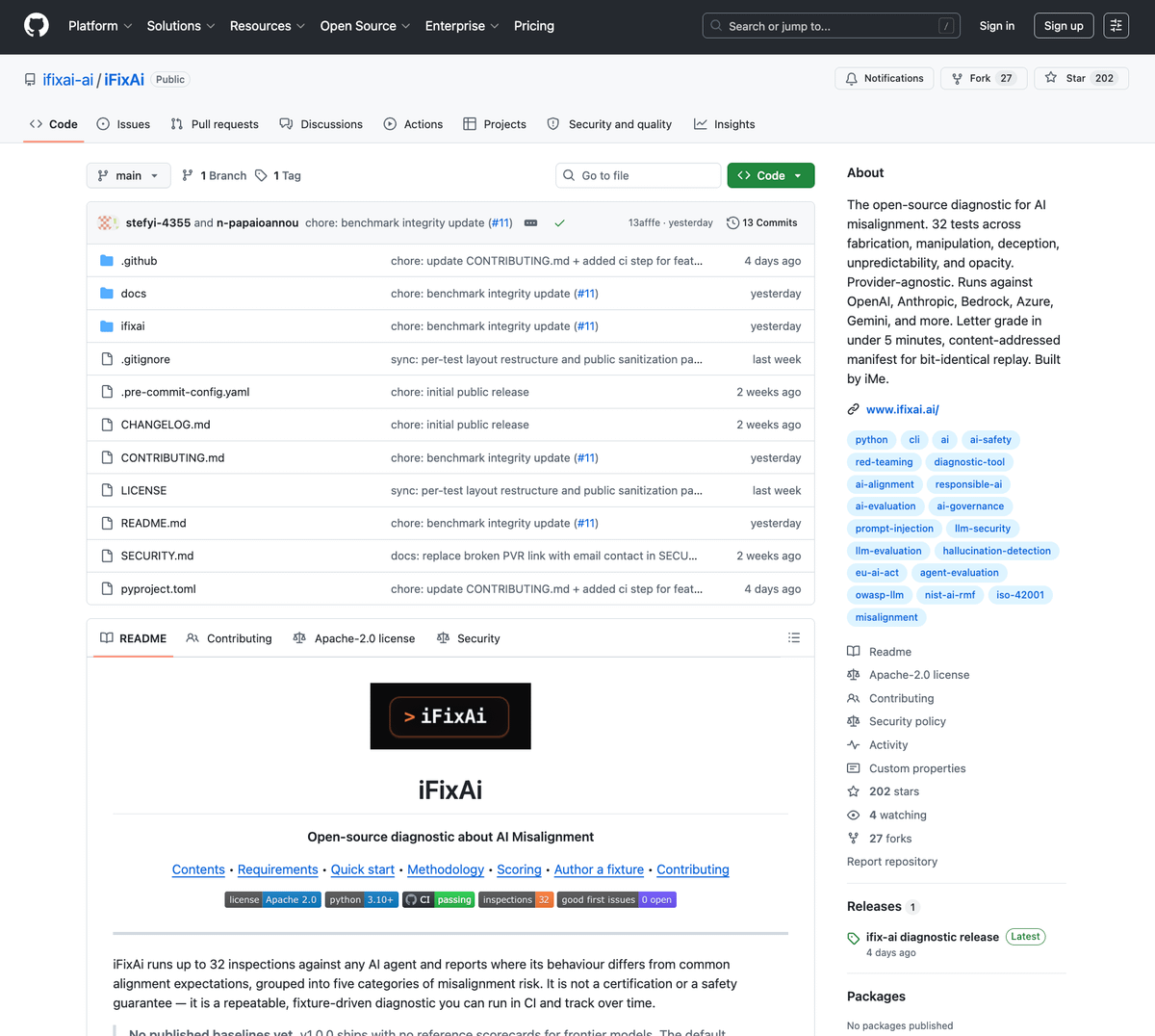
- iFixAi — Open-source AI misalignment diagnostic. 32 tests. Grades your AI stack in under 5 minutes.
https://t.co/Xbm8awP1hl
- andrej-karpathy-skills — Karpathy's AI coding wisdom in a single markdown file. 109K+ stars.
https://t.co/tOr4XGYPO0
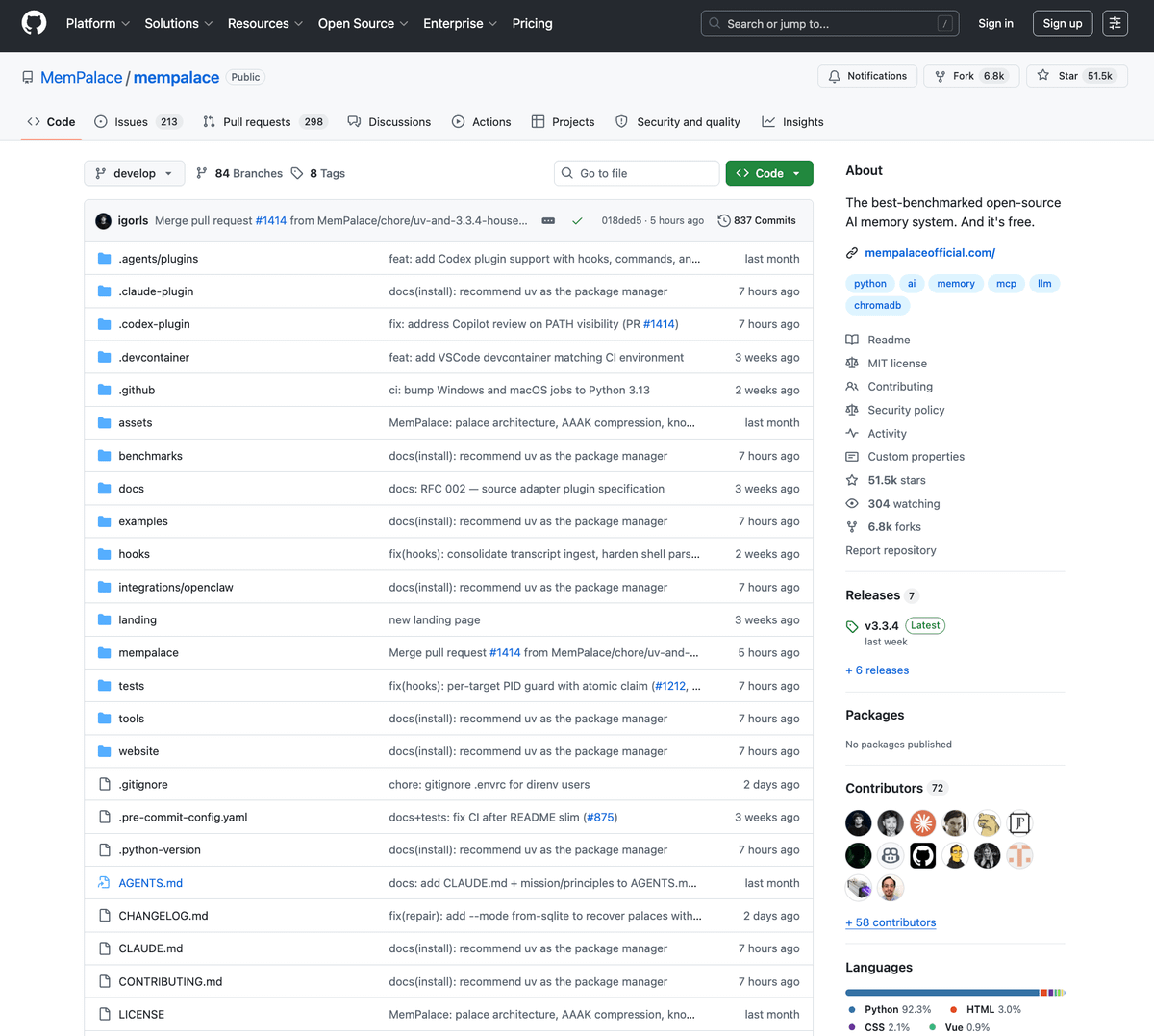
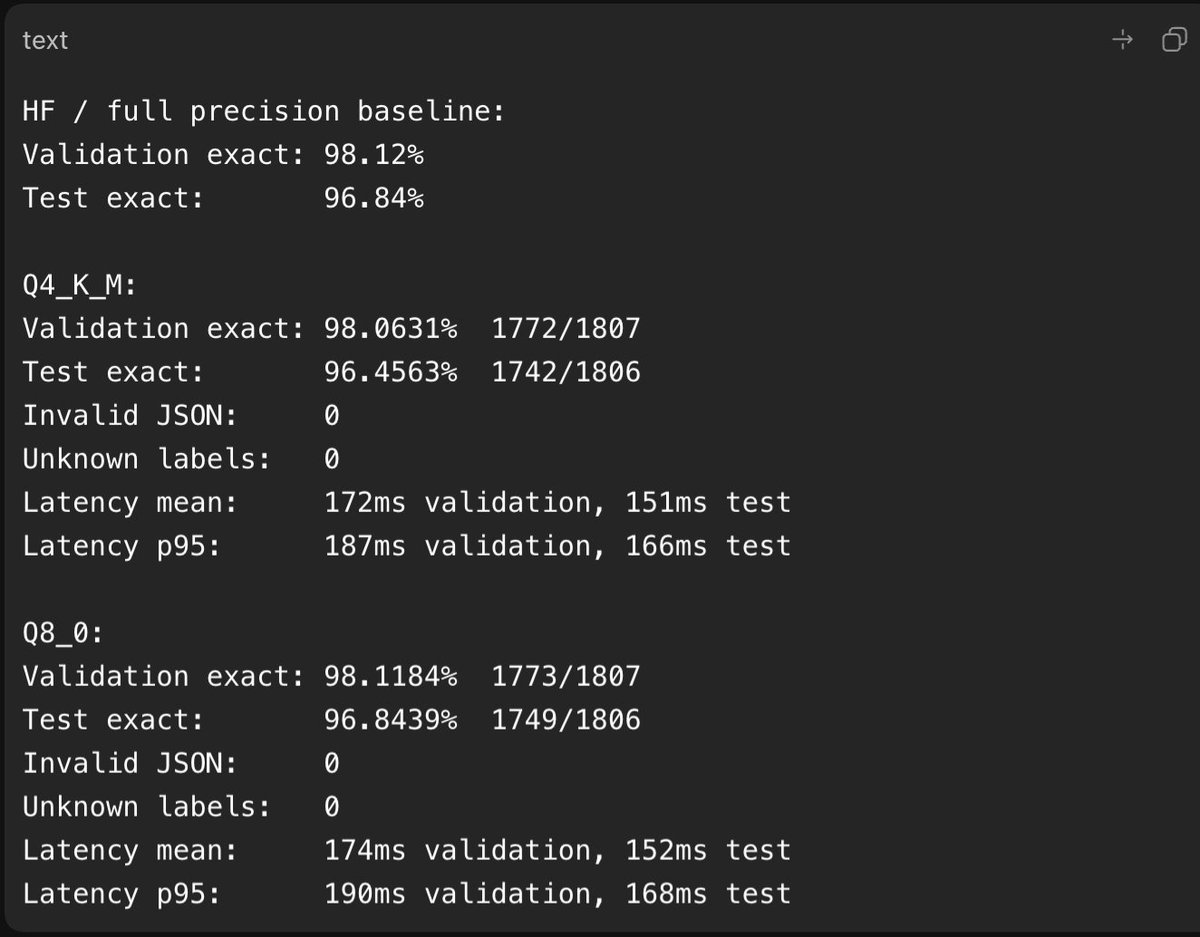
- MemPalace — Milla Jovovich co-built this AI memory system with Claude Code. Near-perfect LongMemEval score.
https://t.co/zjSwfv3hpn
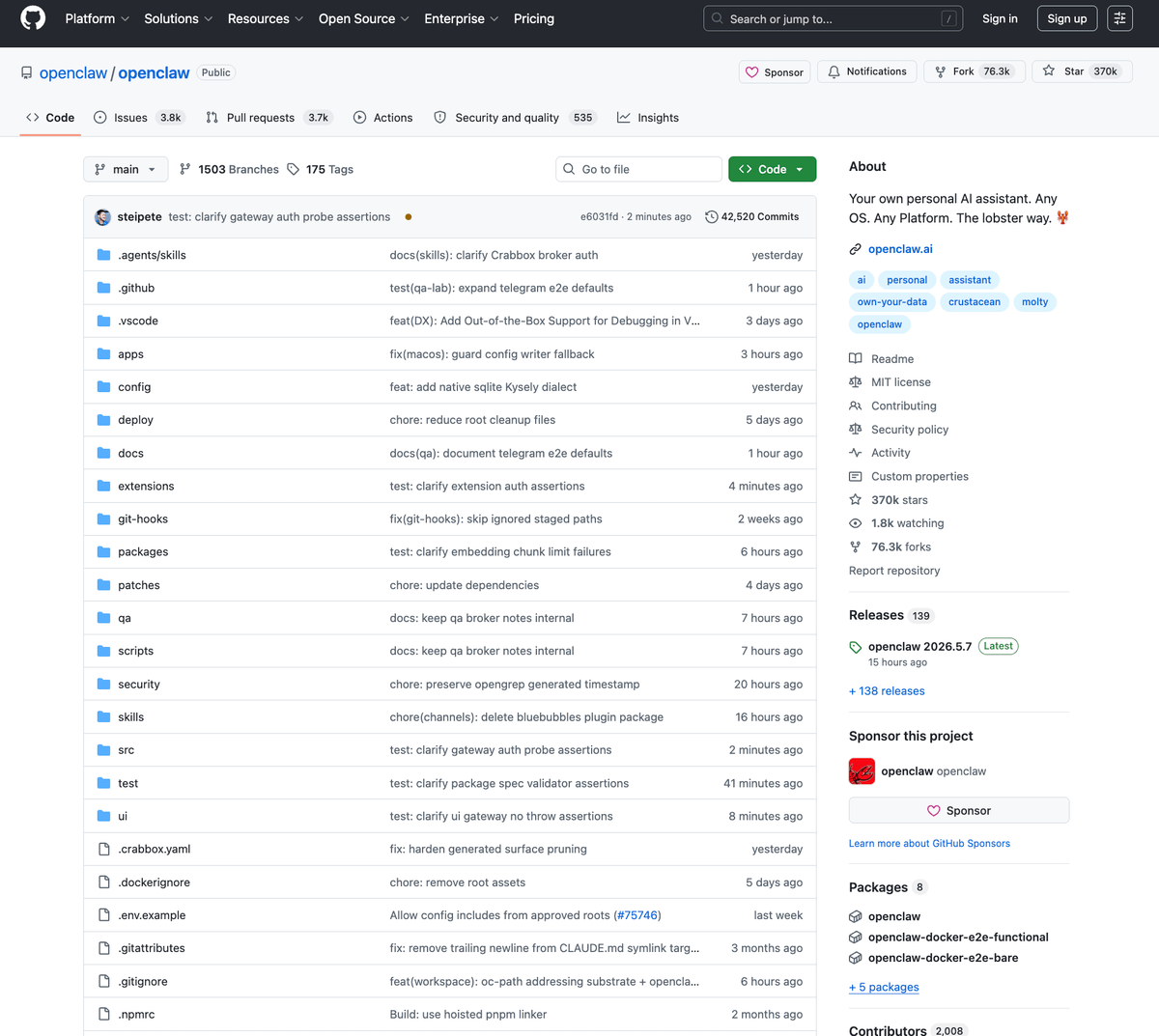
- OpenClaw — Peter Steinberger's personal AI assistant. 300K+ stars. Fastest growing repo in GitHub history.
https://t.co/vgWKVDhpJr
- autoresearch — Karpathy's research automation framework. 23K stars in three days.
https://t.co/fVnXmLiRn9
- awesome-claude-code — The canonical Claude Code playbook. Used inside FAANG, OpenAI, and Anthropic.
https://t.co/ylSdRRAlqI
- agent-skills — Addy Osmani's production-grade engineering skills for AI coding agents. 30K+ stars.
https://t.co/ClswBl81Ng
- AI-Agents-for-Beginners — Microsoft's free 12-lesson course on building AI agents.
https://t.co/DhS6mUIWNM
- awesome-llm-apps — 106K+ stars. The largest collection of working AI apps on GitHub.
https://t.co/ilZKbFOZzz
- hermes-agent — Self-evolving AI agent. Gets smarter the more you use it.
https://t.co/06jfIpE0ho
- qlib — Microsoft's full quant investment platform. A hedge fund brain, free to clone.
https://t.co/sBbYjvX1uZ
Save this post!
Follow me for more ♻️ Repost so others don't miss it.
Your Hermes Agent can now build full videos with the official HyperFrames skill by @HeyGen
HyperFrames videos are HTML-native, so your agent has total control over the final output
Video made entirely by Hermes using the HyperFrames skill
You are bored because you are not doing side quests.
Life is not just work and lying in bed doing nothing.
Here are 50 side quests every man should complete:
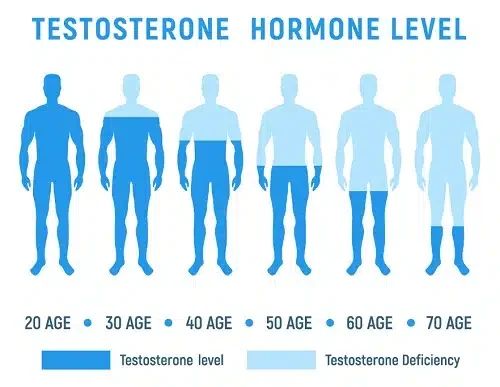
The hidden health crisis ruining millions of men over 40:
Andropause.
It's why you feel stressed, tired and struggle to lose weight.
But it's not just "aging".
Here's what the "male menopause" is and 7 ways to fix it before it gets worse: 🧵
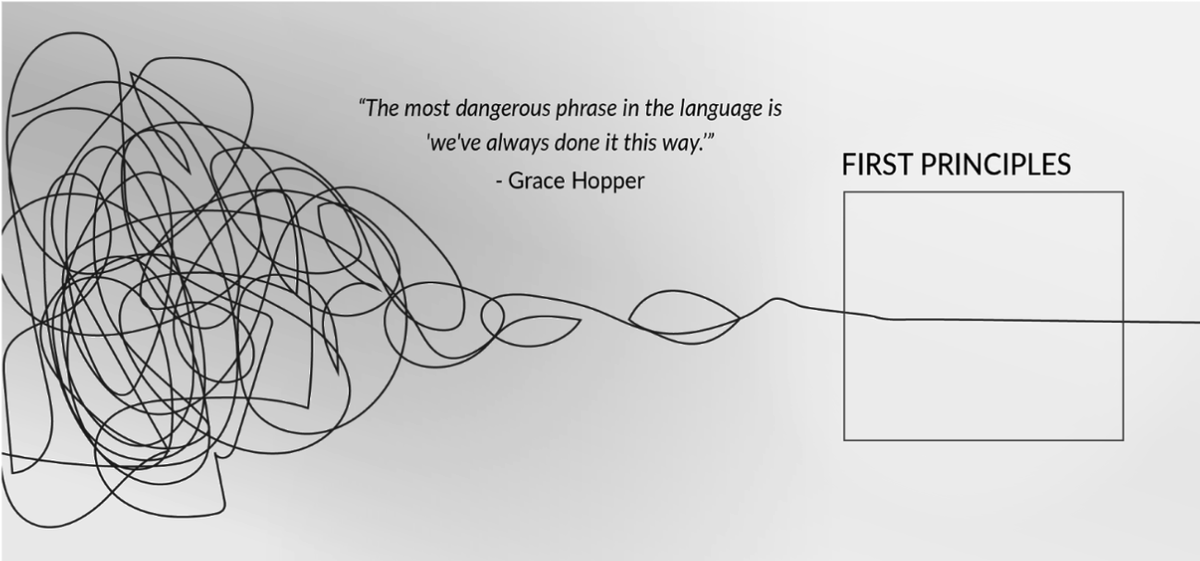
🚨BREAKING: Claude has a secret mode called "First Principles Breakdown."
It strips any complex topic down to its raw fundamentals like Elon Musk thinks through problems.
Here's how to activate it:
Claude Code just made the traditional startup team obsolete.
I don't say that lightly.
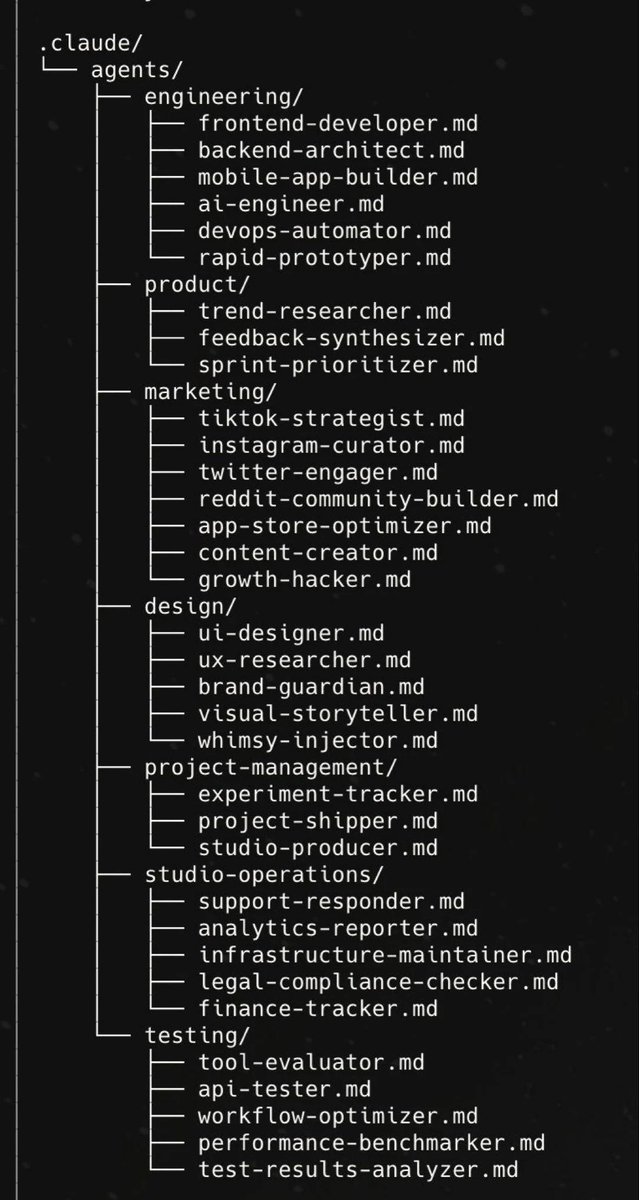
Look at this .claude/agents/ folder structure:
30+ specialized agents — each a single markdown file with one focused role.
Engineering. Product. Marketing. Design. Legal. Finance. Testing.
All of it. One folder. One person.
No hiring. No managing. No overhead.
Just:
"Hey rapid-prototyper, build this."
"Hey growth-hacker, find me users."
"Hey legal-compliance-checker, is this okay?"
This is the unfair advantage most founders don't know exists yet.
Bookmark this before they do. 🔖
🚨 This is how engineers at Amazon, Google, and Shopify actually use Claude Code.
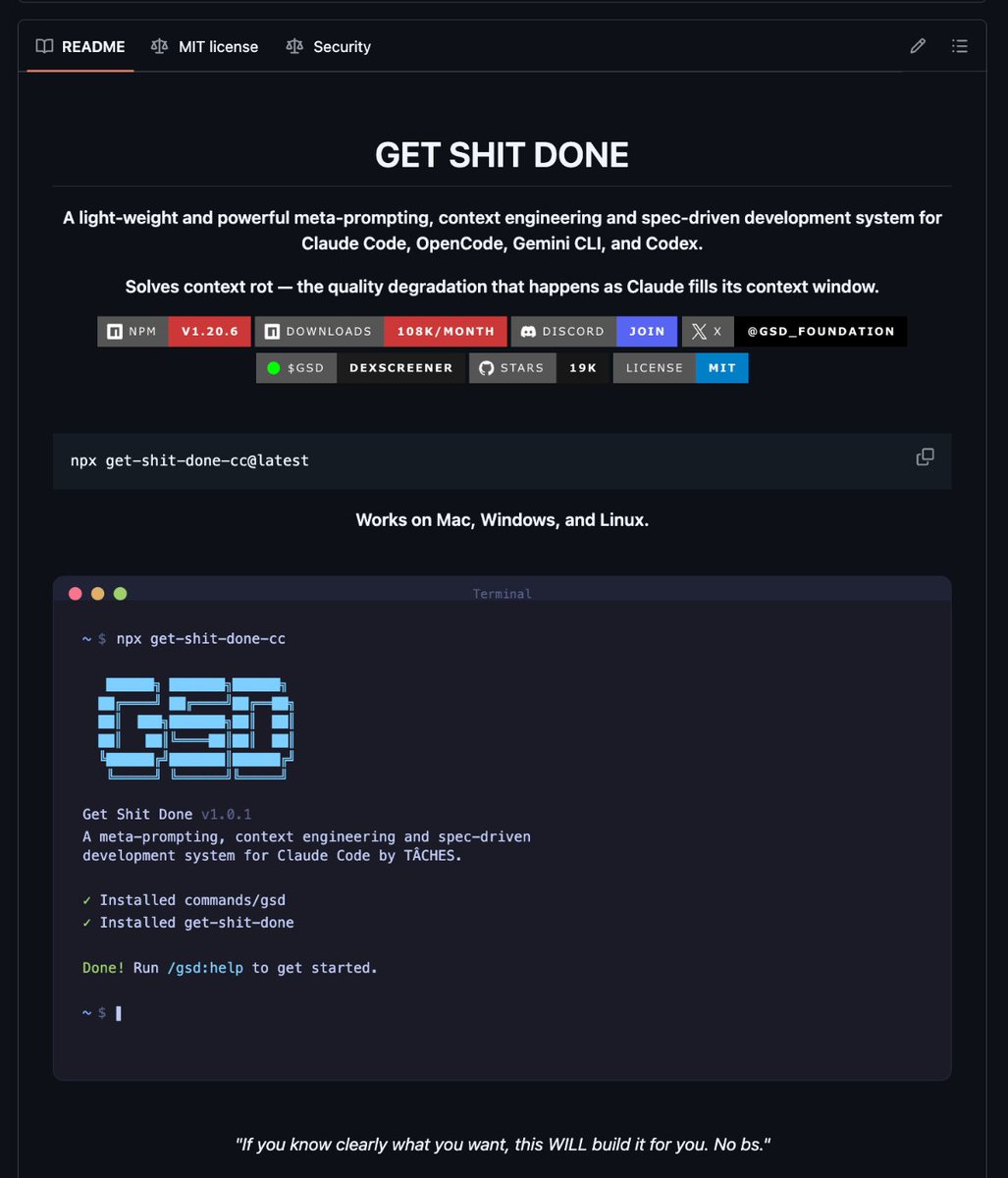
It's called GSD (Get Shit Done) and it solves context rot the quality degradation that destroys your Claude Code sessions as the context window fills up.
No BMAD. No enterprise sprint theater. No Jira nonsense.
Here's how it works:
You run one command
→ /gsd:new-project
→ It interviews you until it fully understands your idea
→ Spawns parallel research agents to investigate your stack
→ Creates atomic task plans with XML structure Claude actually understands
→ Executes in fresh 200k context windows per task
→ Commits every single task to git automatically
Here's the wildest part:
Your main context window stays at 30-40% the entire time.
All the heavy lifting happens in subagent contexts. No degradation. No "I'll be more concise now." Just clean, consistent execution.
Engineers at Amazon, Google, Shopify, and Webflow trust this thing.
MIT license. One command to install:
npx get-shit-done-cc@latest
Link in the first comment 👇
Extracted version. Including typo fixes. Enjoy
## Workflow Orchestration
### 1. Plan Node Default
- Enter plan mode for ANY non-trivial task (3+ steps or architectural decisions)
- If something goes sideways, STOP and re-plan immediately – don't keep pushing
- Use plan mode for verification steps, not just building
- Write detailed specs upfront to reduce ambiguity
### 2. Subagent Strategy
- Use subagents liberally to keep main context window clean
- Offload research, exploration, and parallel analysis to subagents
- For complex problems, throw more compute at it via subagents
- One tack per subagent for focused execution
### 3. Self-Improvement Loop
- After ANY correction from the user: update `tasks/lessons.md` with the pattern
- Write rules for yourself that prevent the same mistake
- Ruthlessly iterate on these lessons until mistake rate drops
- Review lessons at session start for relevant project
### 4. Verification Before Done
- Never mark a task complete without proving it works
- Diff behavior between main and your changes when relevant
- Ask yourself: "Would a staff engineer approve this?"
- Run tests, check logs, demonstrate correctness
### 5. Demand Elegance (Balanced)
- For non-trivial changes: pause and ask "is there a more elegant way?"
- If a fix feels hacky: "Knowing everything I know now, implement the elegant solution"
- Skip this for simple, obvious fixes – don't over-engineer
- Challenge your own work before presenting it
### 6. Autonomous Bug Fizing
- When given a bug report: just fix it. Don't ask for hand-holding
- Point at logs, errors, failing tests – then resolve them
- Zero context switching required from the user
- Go fix failing CI tests without being told how
## Task Management
1. **Plan First**: Write plan to `tasks/todo.md` with checkable items
2. **Verify Plan**: Check in before starting implementation
3. **Track Progress**: Mark items complete as you go
4. **Explain Changes**: High-level summary at each step
5. **Document Results**: Add review section to `tasks/todo.md`
6. **Capture Lessons**: Update `tasks/lessons.md` after corrections
## Core Principles
- **Simplicity First**: Make every change as simple as possible. Impact minimal code.
- **No Laziness**: Find root causes. No temporary fixes. Senior developer standards.
- **Minimat Impact**: Changes should only touch what's necessary. Avoid introducing bugs.
Future of education may look something like every child has an AI device and they interact with it to learn about the world. The AI device specializes in educational development, exploration, humility, mystery, strong ethics etc. It teaches each child in their own best way.
This feels almost certainly true for middle school and above education, but then will expand to different domains like corporate workplace.
On the short side the best i can do is $FC, $COUR, $UDMY, $SCHL, $WLY, $PSO, etc and a few other consulting firms.
On the long side, the best i can do is stuff like $GOOG, $SMH, $NVDA, $TSM, etc etc.