(1/5) I wanted to write up what happened this weekend in Exeter. It is a cathartic exercise as it’s the first time I have been approached and singled out for being disabled. My daughter and I were walking in Exeter, and she was pushing me in my wheelchair.
(4/5) In contrast, our next encounter was with another self-propelled wheelchair user who greeted us with a big, warm smile and wave. On a positive note, the accessibility at the Princesshay centre is great, and we really enjoyed walking around with my daughter, @Princesshay
@MarkWebb_ Wish they would call it like it is, we want to cut disability costs (though we broke the NHS) because we don't give a monkies and want to be reelected (even though PIP is a non-means tested benefit, that is not thousands of pounds a month whether you are working or not)
The work & pensions minister says the Personal Independence Payment (PIP) is "thousands of pounds a month"
If you qualify for the higher weekly rate & get the mobility part you get £184.30 per week, which works out at £798.63/month. So you don't get thousands of pounds a month
@MarkWebb_ The government takes the prejudiced approach that disabled folks have no economic value and are a drain on the able-bodied working community as an easy target to get votes. Frustrating and just wrong...
Parrots are intelligent enough to understand touch screen interfaces and they prefer watching videos of other parrots.
[📹 insta.beakk]
https://t.co/MIYOzKSG68
In October 1971, a physicist and an astronomer took 4 cesium-beam atomic clocks aboard commercial airliners. They flew twice around the world and when reunited, the sets of clocks were found to disagree according to the predictions of the relativity theory https://t.co/FTHpERUYpX
Drinking coffee in space has never been the same earth-like pleasure because astronauts have to sip it with a bag & a straw, so Don Pettit designed the Capillary Cup, which uses the principle of capillary channel flow
[read more: https://t.co/gMViItmazr]
https://t.co/07oL8mGOIn
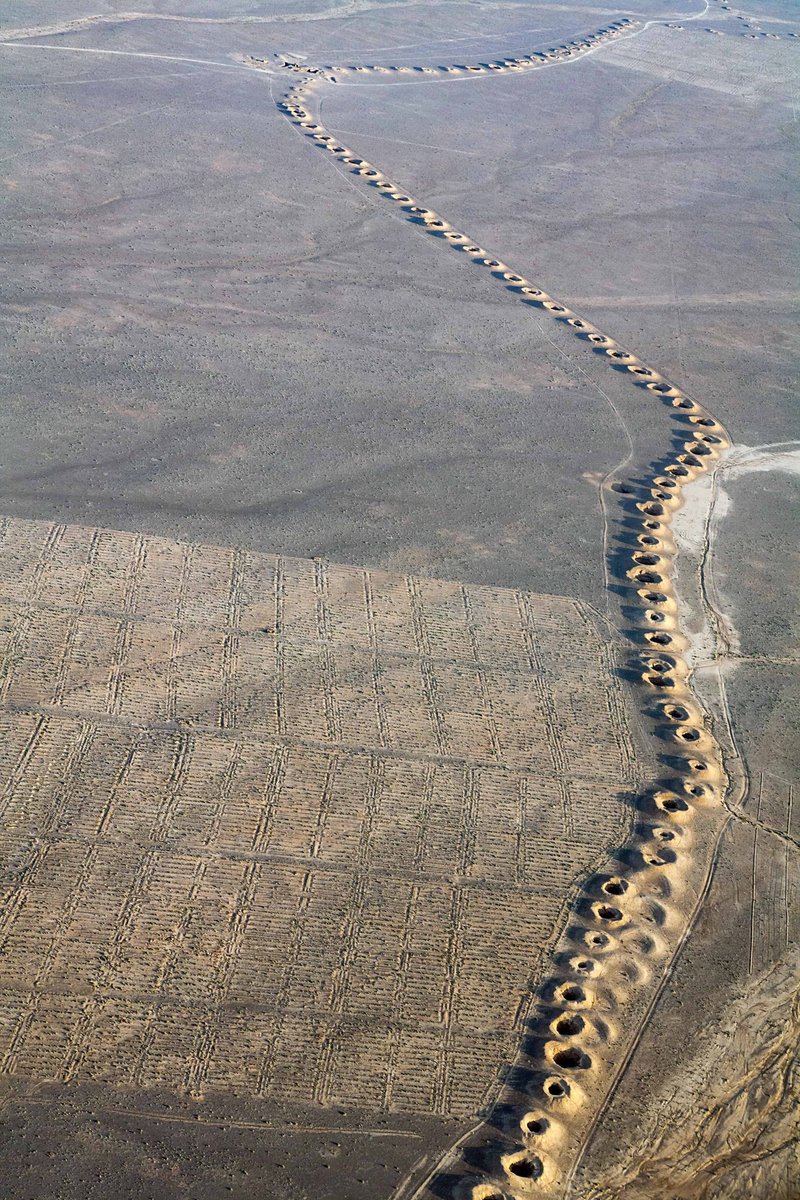
3000 BC in what is now Iran, a type of underground aqueduct called a qanat was engineered to transport water over long distances to farms and villages that couldn’t exist without it in the hot dry climates
The holes supplied oxygen to workers who dug the aqueduct by hand over many miles
📸Alireza Teimoury