🚨 BREAKING: PHP is warning admins to prepare for emergency security updates tomorrow to fix two critical vulnerabilities rated CVSS 9.2.
However, security researchers at @watchtowrcyber rate the flaws CVSS 10.0 and say they are RCE vulnerabilities affecting PHP 5 through 8.
Information about the vulnerabilities has reportedly leaked ahead of disclosure.
No known exploitation in the wild.
🔗 https://t.co/ZkCeLGaiAc
https://t.co/ZkCeLGaiAc
Super excited about this launch! @Karel_Origin and I have been working on this for years. We also presented at #VulnCon this year about our underlying attack-graph method to derive CVSS.
If your team is using the NVD API, then it's worth giving our drop-in replacement a try.
Still using the NVD API?
Coverage gaps, inconsistent CVSS scoring, missing CPEs, and enrichment delays can slow down triage and automation.
We just released our NVD-compatible API, designed as a drop-in replacement. Swap the base URL and try it free.
https://t.co/dPN4mkQmCq
@mersa_v6@Uber Congratulations! For what it's worth, the scope metric is practically always 'changed' for XSS, because you are impacting the browser as subsequent system. Unfortunately it stays within the medium severity. From a 5.4 to 6.1.
This bug was buried so deep. You had to use a mobile user agent to reach the code path. Then block the victim account. And then request one of their posts via the oEmbed endpoint. This would trigger a try catch condition where super user privileges were used to fetch the post.
1️⃣ How I Exposed Instagram's Private Posts by Blocking Users
@rub003 won 3rd place at BountyCon 2022 by chaining Instagram oEmbed endpoint quirks with mobile user agent detection to access private posts (earning him $14,500 in bounties).
https://t.co/xBlePPez87
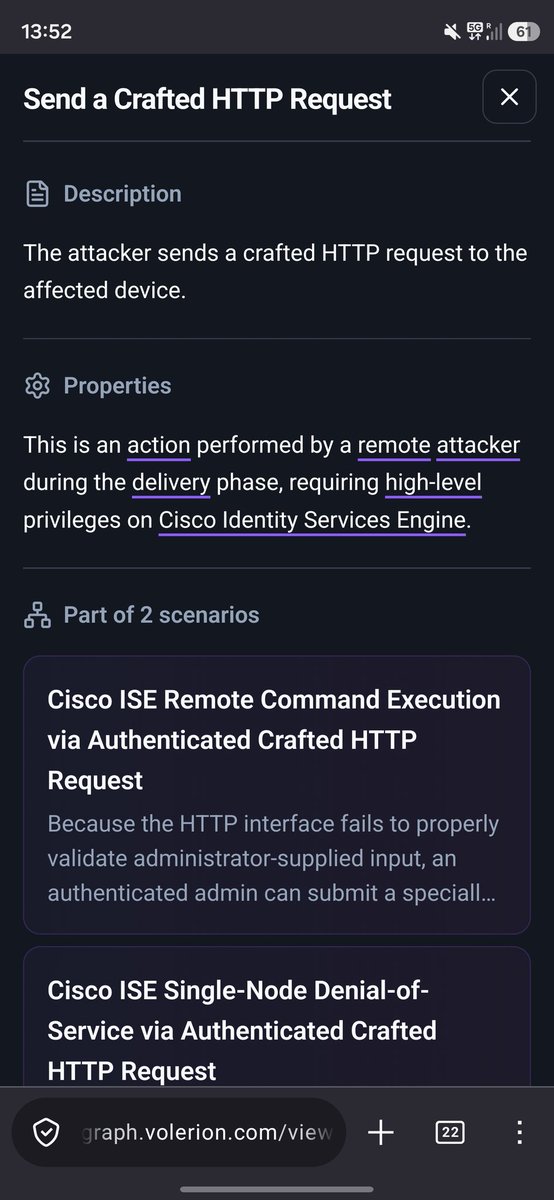
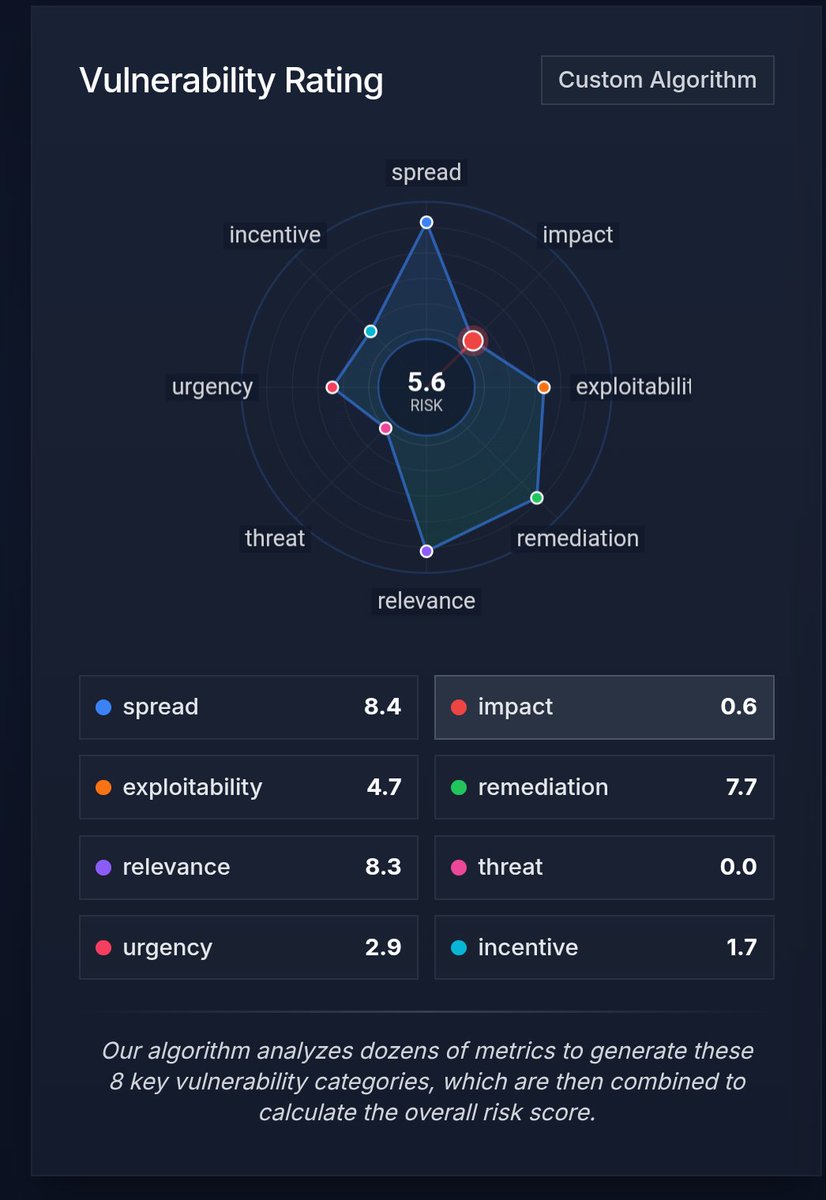
@FFmpeg@__noided@MITREcorp@MITREattack@VolerionSec We try to capture a more appropriate severity via our (@VolerionSec) risk scoring algorithm. We would love to have your input on what you think matters when it comes to vulnerability severity, so that we can give this CVE a more appropriate score than CVSS does.
@FFmpeg@__noided@MITREcorp@MITREattack@VolerionSec Completely agree. 6.9 (in CVSSv4) is way too high for this vulnerability. But the score is correct according to the CVSS specification. And thats what @VolerionSec is doing. Provide an auditable and reliable solution to CVE enrichment so every record gets timely & accurate data.
@zoomeye_team The vendor (Grafana) signals CVSS 10.0, however, my CVSS conclusion landed at a 6.5 (v3.1) / 8.5 (v4.0): https://t.co/xiTnXbWRe9. with PR:H, S:U (SCIM token needed, impact stays in Grafana). Curious to hear your opinion on their CVSS 10.0!
🦾💼 #DEFCON33 may feel like a “hacker holiday,” but the CVE conveyor belt never stops.
Out of the 249 newly published CVEs, the highest EPSS in the set is 0.09475 — CVE-2025-47188 — with a CRITICAL CVSS score.
Volerion gives it a contextual risk score of 3.6/10, factoring in real-world usage and internet exposure of the affected products.
The ecosystem doesn’t take time off — and neither does Volerion’s AI-driven analysis, turning raw CVEs into actionable, prioritized risk.
#DEFCON #CVE