Studies show that small new experiences, like a day trip, an unplanned hike, or walking a new street, increase dopamine and refresh your mood. You don't need a big vacation. You just need a break from routine.
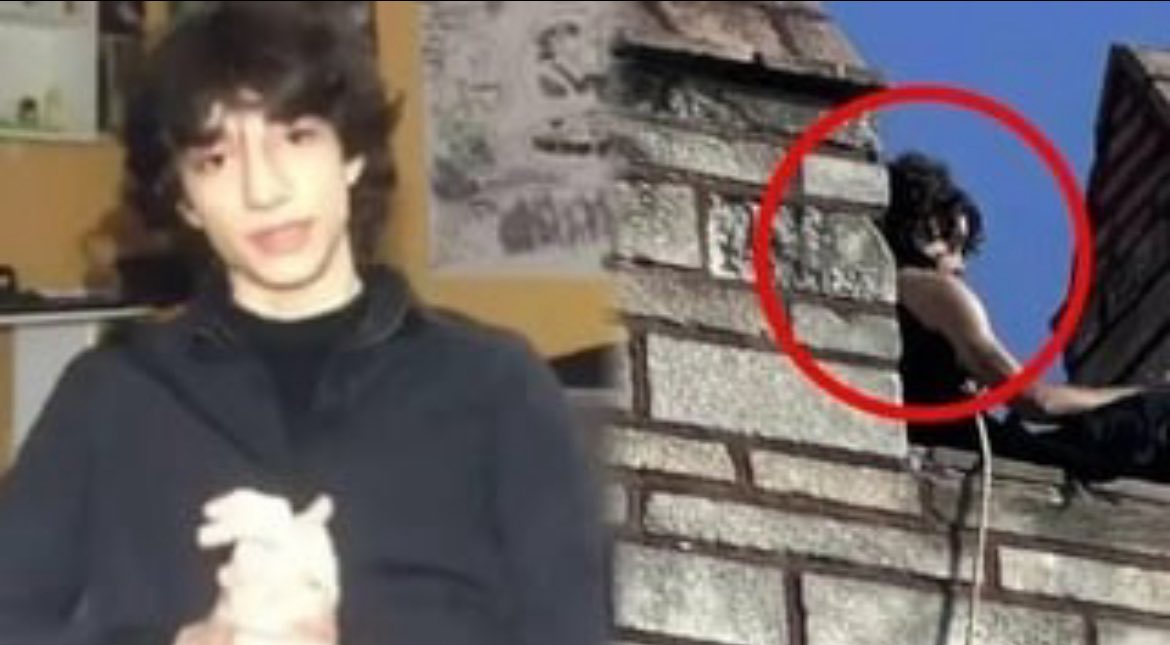
On the bright morning of October 4, 2024, nineteen-year-old Semih Çelik executed a meticulously planned nightmare in the heart of Istanbul. Waiting until his parents had left his Eyüpsultan home, Çelik invited his girlfriend, Ayşenur Halil, over for a quiet morning visit. Minutes after reassuring his mother over a video call that everything was fine, Çelik brutally ended Ayşenur's life inside the apartment. He then closed the door on the horrific scene, stepped into the autumn air, and boarded a taxi heading toward the ancient, towering city walls of Edirnekapı.
Awaiting him at the historic fortress was İkbal Uzuner, a young woman he had obsessively stalked, threatened, and terrorized across several years. High atop the twenty-five-meter stone ramparts overlooking the bustling metropolis, Çelik attacked İkbal with a knife, taking her life and dismembering her body.
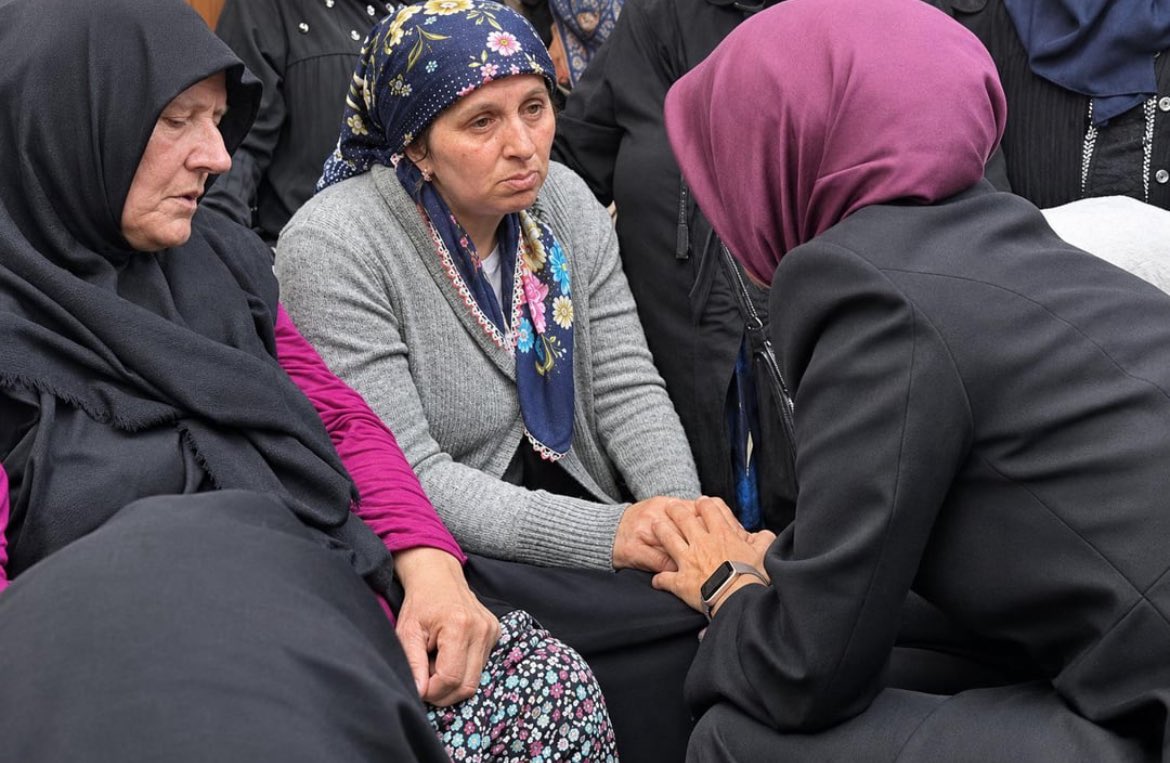
Below, as panicked bystanders dialed emergency services and her frantic parents arrived searching for their daughter, Çelik threw her remains over the edge, plunging the crowd into unimaginable shock and grief. Sitting nonchalantly on the stone ledge as police officers rushed the wall's steps, Çelik tied a rope around his neck and leaped into the abyss. The double murder shattered the country, igniting massive nationwide protests as thousands took to the streets to mourn the lost young women and demand an end to the culture of femicide.
Shocking moment ‘drunk Brit tourist’ carries stolen Jesus statue before smashing it
The idol was taken from the Shrine of Divine Mercy church in the Old Town of Vilnius, Lithuania’s capital. Police launched a probe into the appalling ordeal.
Lyndon B. Johnson regards and hears Eartha Kitt at the White house lunch. Soon after, Eartha made a speech about the Vietnam war, that got her blacklisted in the US for over a decade. Washington D.C. 18 of January 1968
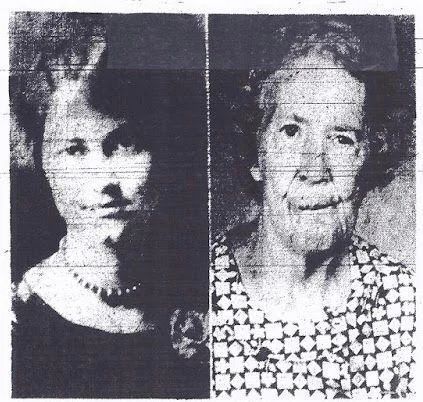
In 1978, a reporter was assigned what should have been a routine obituary for a woman named Mary Doefour, someone who had lived and died without a documented past and without anyone to claim her.
Instead of closing the file, he kept digging. Hospital records, transfers, and missing years began to form a disturbing pattern that pushed the story decades backward, far beyond what the obituary ever required.
Over time, he built a case that Mary was actually Anna Myrle Sizer, a schoolteacher who vanished in the 1920s and was never officially found.
When he brought the evidence to her brother, it wasn’t the facts that stopped him. Accepting the truth would have meant admitting the family had unknowingly left her in institutions for the criminally insane for 50 years.
Eerie historical photos: https://t.co/0WklG7bVfh
Nov 14, 1965: About 450 soldiers of the 7th Cavalry, the regiment Custer once led, were dropped by helicopter into a clearing in Vietnam's Ia Drang Valley. They landed almost on top of a North Vietnamese army.
It was the first major battle between the US Army and regular troops of the North Vietnamese Army. The 1st Battalion, 7th Cavalry, was part of the new 1st Cavalry Division, which used helicopters to fly troops into battle. Its commander, Lt. Col. Hal Moore, had promised his men he would be the first one on the ground and the last one off.
The landing zone, called X-Ray, sat at the base of a mountain near the Cambodian border. Hidden in and around that mountain were somewhere around 2,000 North Vietnamese soldiers. Within hours, they attacked from all sides.
One American platoon chased enemy soldiers into the brush and got cut off. Its lieutenant was killed. A sergeant took over and held the survivors together all night, surrounded.
At one point the Americans were in such danger of being overrun that they called in every available aircraft, a code meaning an American unit was about to be wiped out. Helicopter pilots Bruce Crandall and Ed Freeman flew their unarmed Hueys into the landing zone again and again under heavy fire, bringing in ammunition and carrying out wounded when medical helicopters wouldn't go in. Both were later awarded the Medal of Honor.
After three days, the battalion held. Days later, a sister battalion of the 7th Cavalry walking to another landing zone, called Albany, was ambushed and badly mauled.
Around 230 Americans were killed in the Ia Drang. Moore and reporter Joe Galloway, who was there, later wrote about it in the book We Were Soldiers Once and Young.
A Hindu man committed a hate crime against this Somali uncle because he didn't like the name Mohamed, leaving him in a coma in the hospital fighting for his life. Smh..
Katt Williams shares how he and Kevin Hart settled their longtime beef—revealing that Kevin checked every single box on his mental list for a sincere apology:
“I had realized I didn’t like him. But when he contacted me, there was a list in my head of 15 things he had to say for us to be on sight, for us to be good. And to his credit—or to him and Netflix—he said everything I needed to hear. He gave an apology worthy to be forgiven.”
(🎥 Listen And Laugh/ YouTube)
During the filming of Gladiator, Oliver Reed (Proximo) died in a bar after challenging a group of sailors to a drinking contest.
Reed consumed 8 pints of beer, 12 shots of rum, half a bottle of whisky, and shots of cognac This photo of him was taken shortly before he died.
🔴Woman accused of kidnapping, murdering missing 5-year-old asked police if they ‘found him yet’ while they searched her home
🔺white women are just as murderous as their men
https://t.co/UYAiT4OssD
“Nearly all of our faults are more forgivable than the means we use to hide them.”
- François de La Rochefoucauld
François de La Rochefoucauld’s Maxim 86—“Nearly all of our faults are more forgivable than the means we use to hide them”—reveals a profound truth about human nature: our imperfections are often far less damaging than the lies, pride, and deception we use to conceal them. His observation suggests that the desperate effort to appear flawless can compromise our character more deeply than the original mistake.
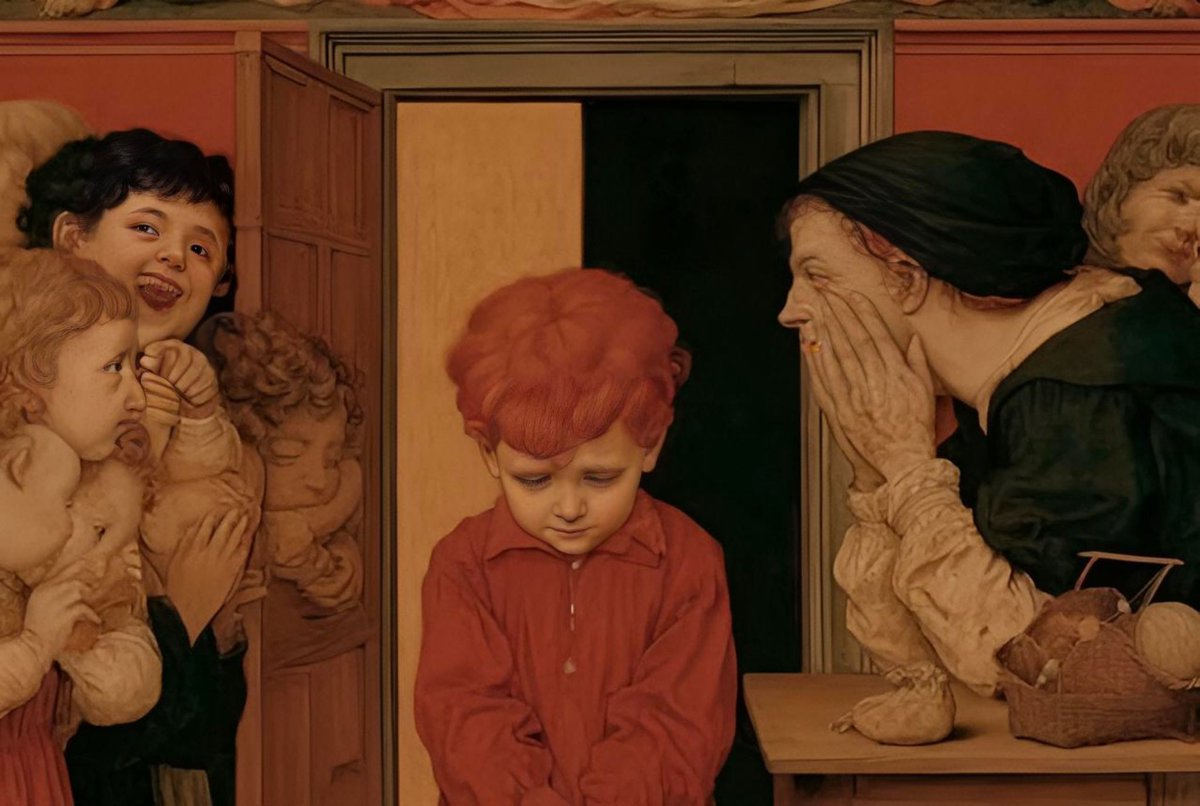
This idea finds a striking visual parallel in Nicolaes Maes’s 1655 painting The Naughty Boy, also known as The Scolding. The Dutch Golden Age work depicts a young child standing with his head lowered in shame as others respond to his misbehavior. What began as an ordinary act of childhood mischief becomes a moment of embarrassment and judgment. Together, the painting and La Rochefoucauld’s words highlight humanity’s discomfort with admitting fault and the emotional burden of trying to protect ourselves from exposure.