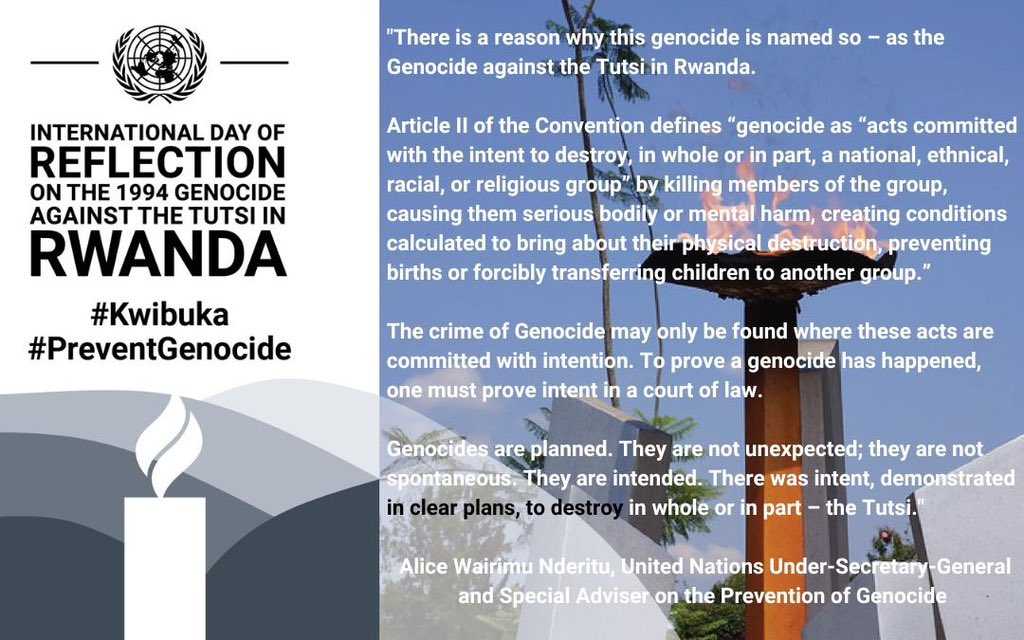
One should never lose sight that for people who experienced genocide, the warning signs were there.
Genocide is a process. It requires preparation and capacities to carry it out.
The genocide against the Tutsi in Rwanda, in which Hutu and others who opposed it were killed, was made possible because of decades of stigmatization, marginalization, and discrimination aggravated by hate speech against the Tutsi.
The Tutsi were dehumanized called “Inyenzi” - cockroaches, to ensure that when the call to kill and exterminate went out it, it was taken up. This call fed by dehumanization made it possible for tailors, cobblers, farmers, teachers, priests, ordinary people to kill unarmed men, women, old people, and children, people whose only crime was the identity they held.
In understanding genocide ideology, we must remember that to kill a million people as happened in Rwanda in 1994, many perpetrators are required. Since then, many too have come forward to take up the broken pieces and rebuild and for this Rwanda has given the world hope.
Others have descended on the path of denying the genocide happened. Denial or distorting the facts of the genocide against the Tutsi in Rwanda, coming in the form of hate speech or not, constitutes an indicator of risk for the commission of genocide.
Despite the International Criminal Tribunal for Rwanda having proved repeatedly, conclusively in lengthy legal processes and applying international fair trial standards and the standard of proof beyond reasonable doubt that the genocide against the Tutsi in Rwanda happened, revisionists and genocide deniers continue to ignore judicial decisions.
The role of education is indeed central as those who are 30 years old today were not even born when the genocide against the Tutsi happened.
These threats are particularly worrisome as we are marking the 30th commemoration of the genocide against the Tutsi in Rwanda. We shall spend this time honoring and commemorating victims, remembering, and learning from the past. We are cognizant that we must face head on the challenge of addressing denial and distortion of these tragedies.
Hate speech which played such a key role in dehumanizing the Tutsi targeted for extinction in 1994 is once again especially on social media helping to spread and amplify denial at alarming rates.
Genocide denial impacts directly on victims who are traumatized and faced with the burden of having to justify and explain the crimes they endured despite the courts having conclusively determined that the crimes occurred.
Denial has a serious detrimental impact on healing and reconciliation. I have seen this too often. Victims understand very well that genocide denial refers to the past, but that its impact is felt in the present and will be felt in the future. They do not want the young generations to experience what they have experienced.
The story of Rwanda in the past 30 years is a story of deep learning and drawing of lessons from the past to ensure that future generations do not experience the same horror.
Those whose lives and futures were taken must be remembered. Always there is an everlasting pain in remembering, but there is also strength.
There must be determination in ensuring that these lessons learned from Rwanda are truly learned, risk factors mitigated early, and populations protected from another genocide. This determination and efforts remain essential.
This is why Kwibuka30 is especially important today to remind us of our obligation to learn to prevent to act for those whose lives were taken away in the genocide against the Tutsi in Rwanda and for all those at risk across the world today. - @WairimuANderitu
Ever heard of U=U? 🤔 Curious how an HIV-positive person and an HIV-negative person can be married or live together without transmitting HIV? Share your thoughts or questions! #UequalsU#HIVawareness
On this remarkable Heroes Day in Rwanda. AHC joins all Rwandans to honor the courage, bravery and sacrifice of our heroes. Their resilience inspires us all to strive for a positive change. #HeroesDay#Ubutwari30#Ubutwari2024
Abachou, hobeee y’Ubunani cyane!! Ariko ubwo muribaza mukumva ko imyaka 30 ishize koko tukaba twinjiye mu mwaka w’amateka #2024 tunawiteguranye ubushishozi n’ishimwe!! Mperutse kunyarukira iwacu mpasanga ibyiza bitarabaho!! Muzagire une année exceptionnelle rero, mbifurije plein de bonheur, de santé et de sérénité, amata n’ubuki n’ibindi byose biryoshye, naho ibindi ni problèmes gérables pee!
Rwanda joins the rest of the world in commemorating World AIDS Day #WAD2023 for the 35th time at the national level. This year's theme is "Every voice matters."
“From Curiosity to Enjoyment, From Enjoyment to Craving, From Craving to Dependency, From Dependency to Addiction…..Let’s Talk About Alcohol.” - First Lady Mrs Jeannette Kagame
Read the full Op-ed here: https://t.co/DFOM5S52aO
#TunyweLess
This week, AHC/ RDF welcomed DHAPP country managers from Eswatini & Ghana. The team had enriching visits at the Muhanga & Rusizi Brigade Clinic, they learnt about HIV prevention and treatment services at RDF facilities. This was a great opportunity to broaden horizons. #DHAPP
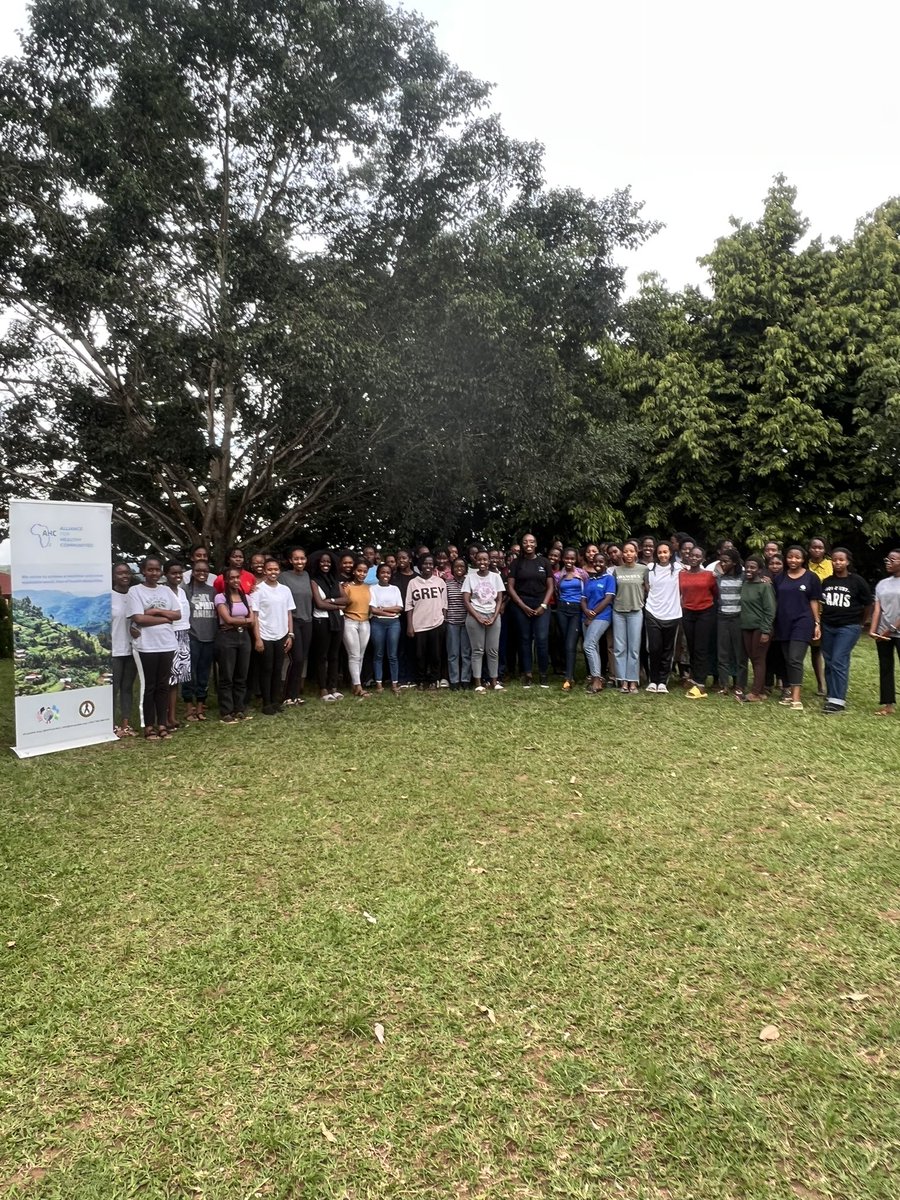
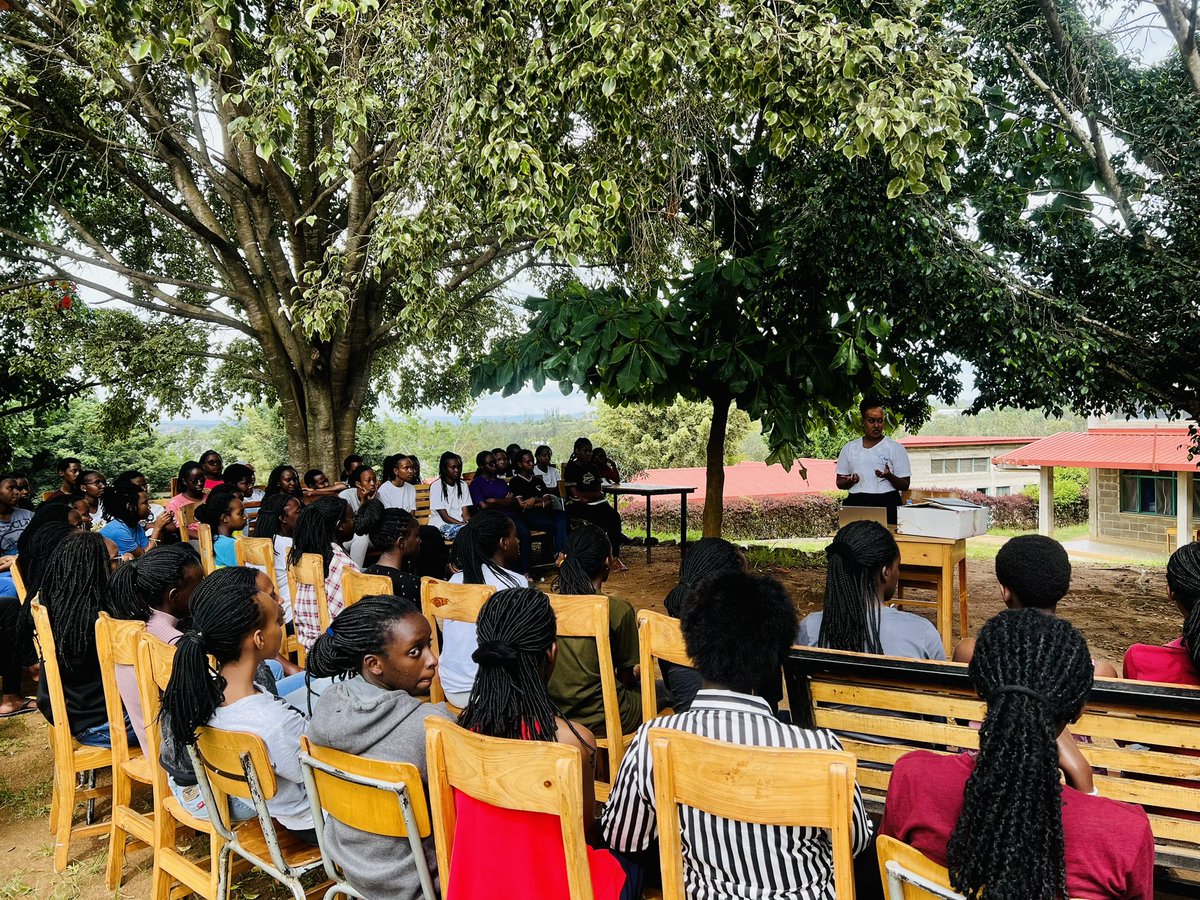
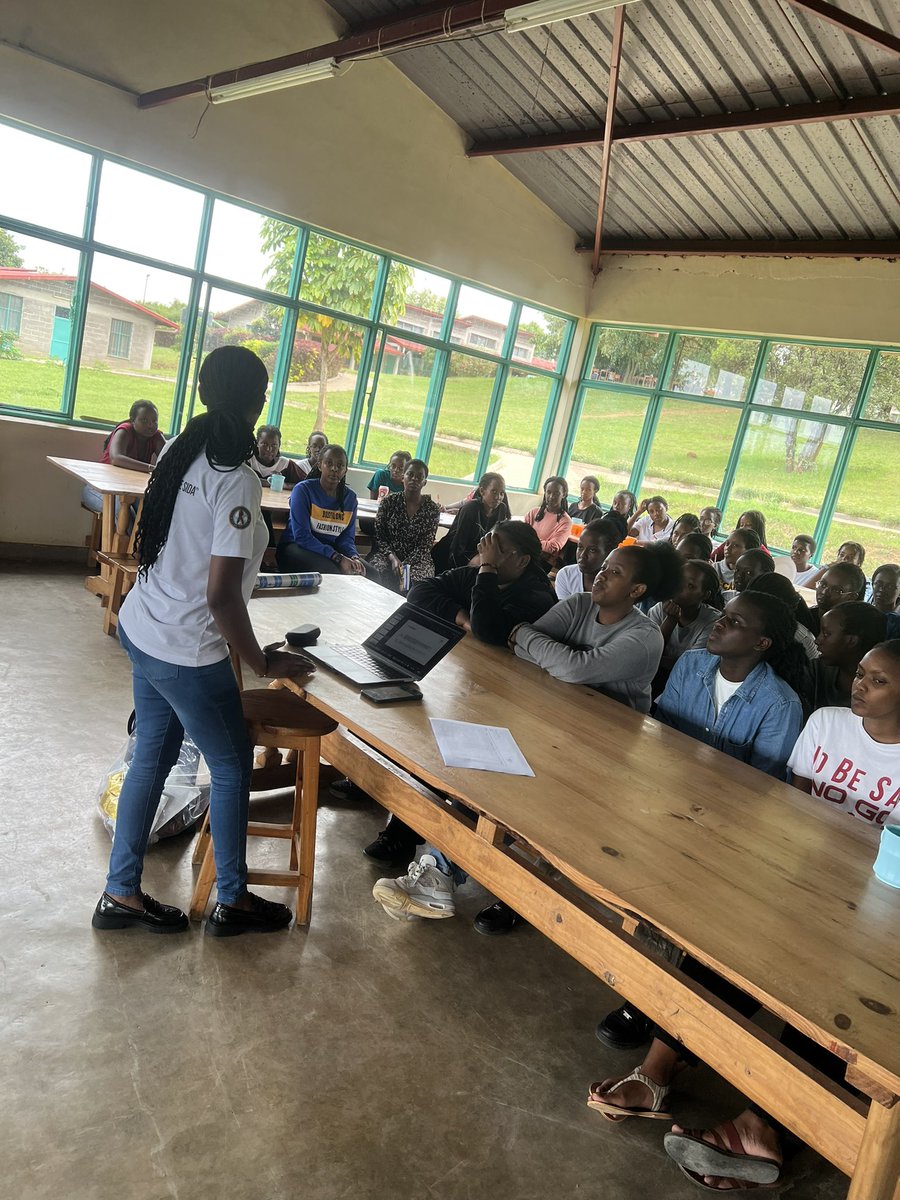
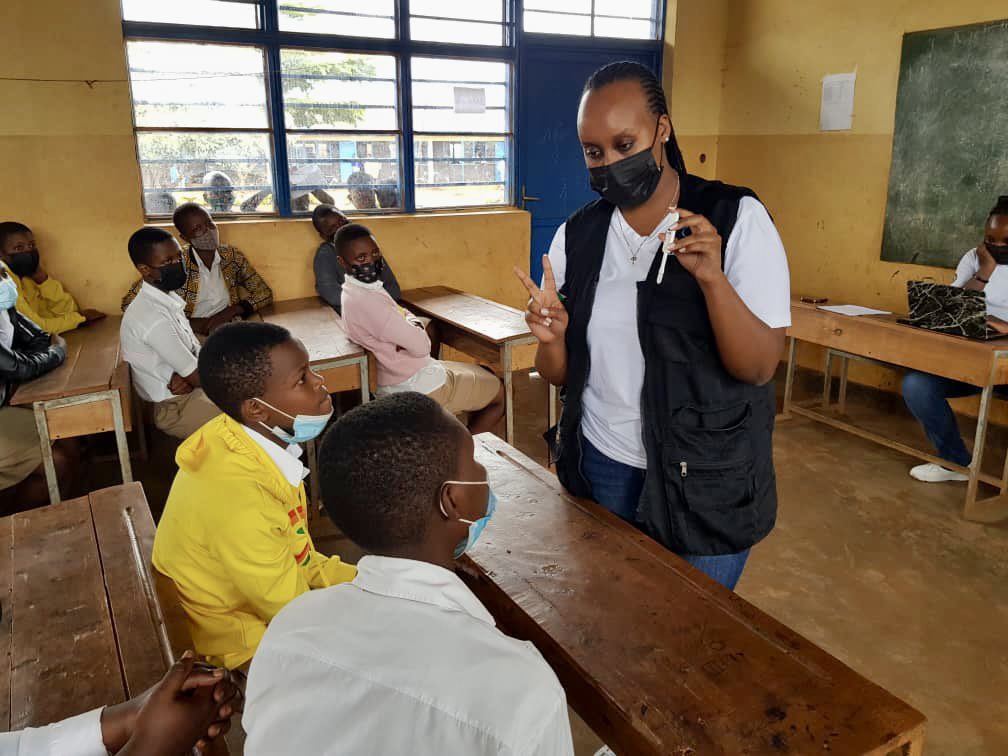
AHC had enriching discussions with @GashoraGirls@rwandagirls and TVET Kageyo about HIV treatment and prevention, STIs education, menstrual health and these discussions emphasized on the role of the youth in making informed sexual and reproductive health decisions.
This year's national theme is "Youth, let's be at the forefront in HIV/AIDS Response”. We call on the youth to learn more about HIV/AIDS and be part of the movement to end #AIDS.
#RwOT#Health#Rwanda#AIDS2022
Watch this this video and learn more about #HIV#AIDS:
Celebrating 28 years of Liberation, as we reflect on the development journey and success of our beautiful country.
Umunsi mwiza wo Kwibohora Rwanda 🇷🇼.
#Kwibohora28
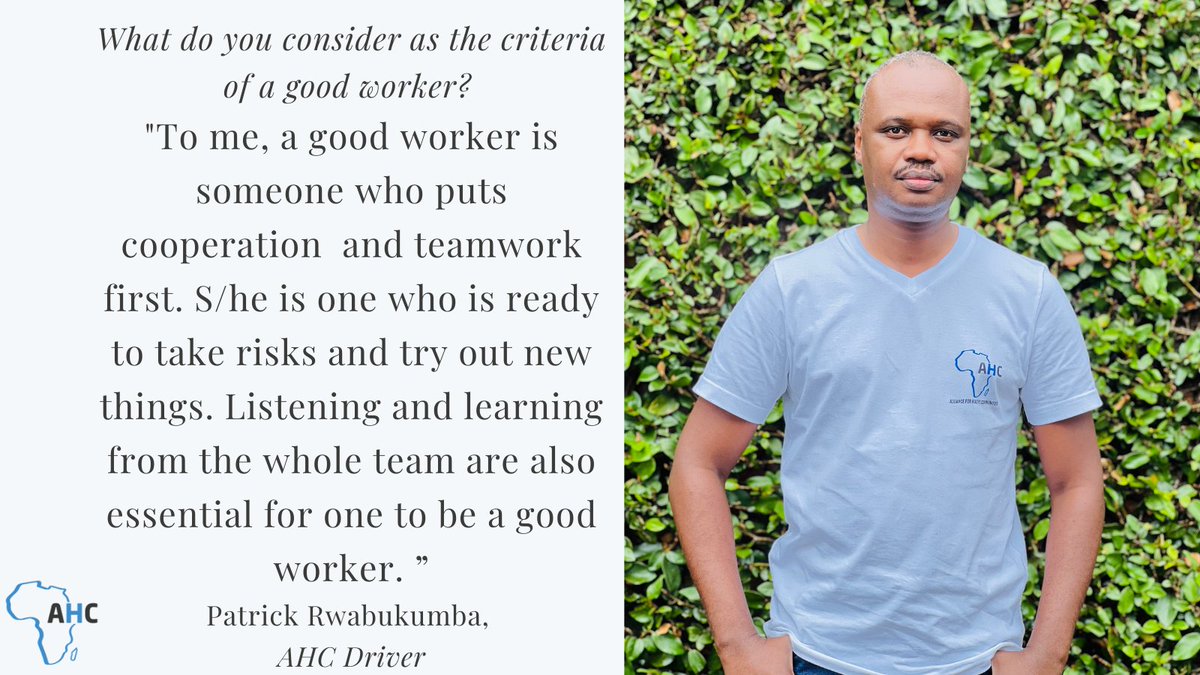
AHC Team joined the world to celebrate the International Labour Day, below are the reflections of some of the team members on their accomplishments, and contributions to the community, especially in public health.
1/2
#LabourDay2022#Health#publichealth
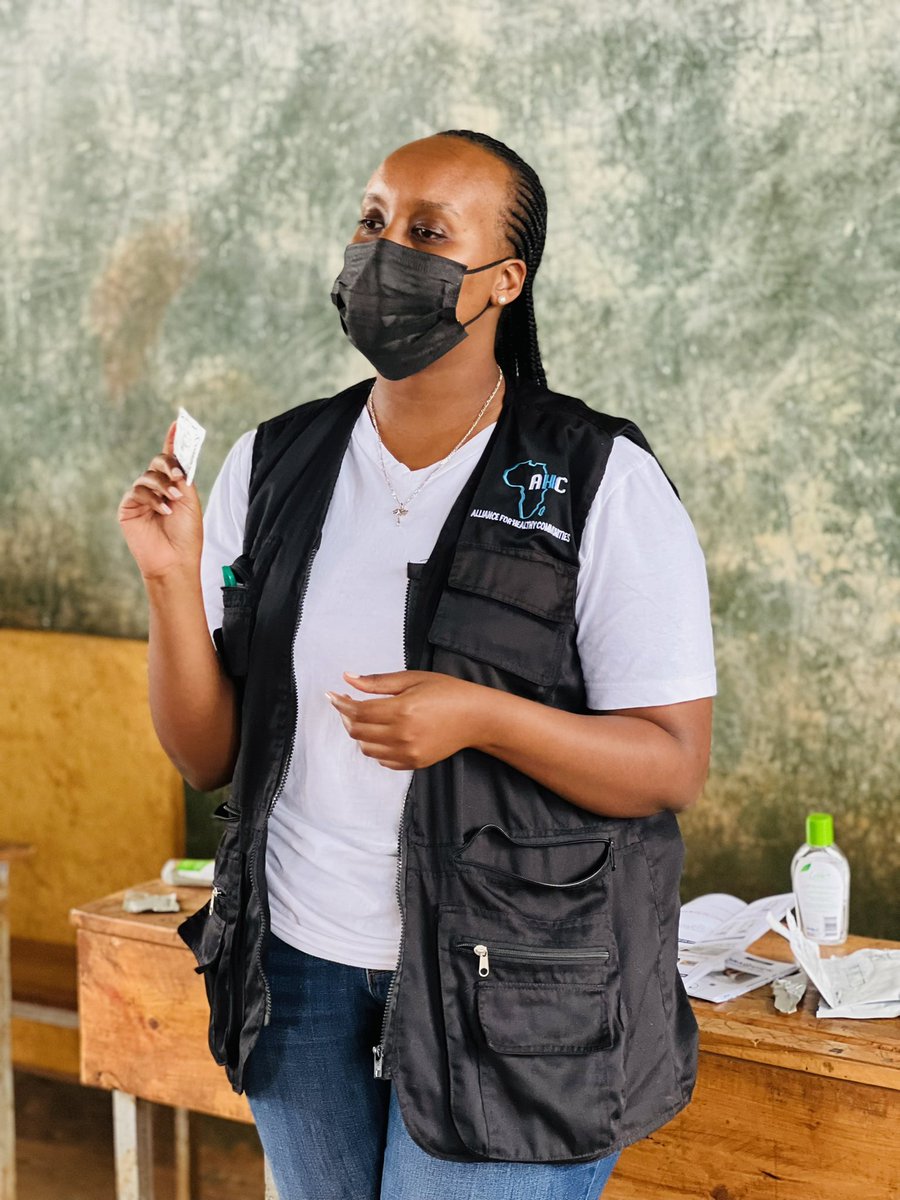
This week, AHC’s team is conducting educational sessions on HIV Prevention, Treatment and Testing as well as Sexual and Reproductive Health for Adolescent Girls and Young Women in Kayonza District. Thanking great partnerships with @yegokayonza & @KayonzaDistrict.