A compelling write-up by Laurie Kaiser of our recent findings about the evolution of 💧💧#SALIVA 💧💧. Proud of @PetarPajic93 who led the investigation with help from @luanelandau. Grateful to Ömer @GokcumenLab, a master of evolutionary genetics.
https://t.co/hKUbfAvSLq
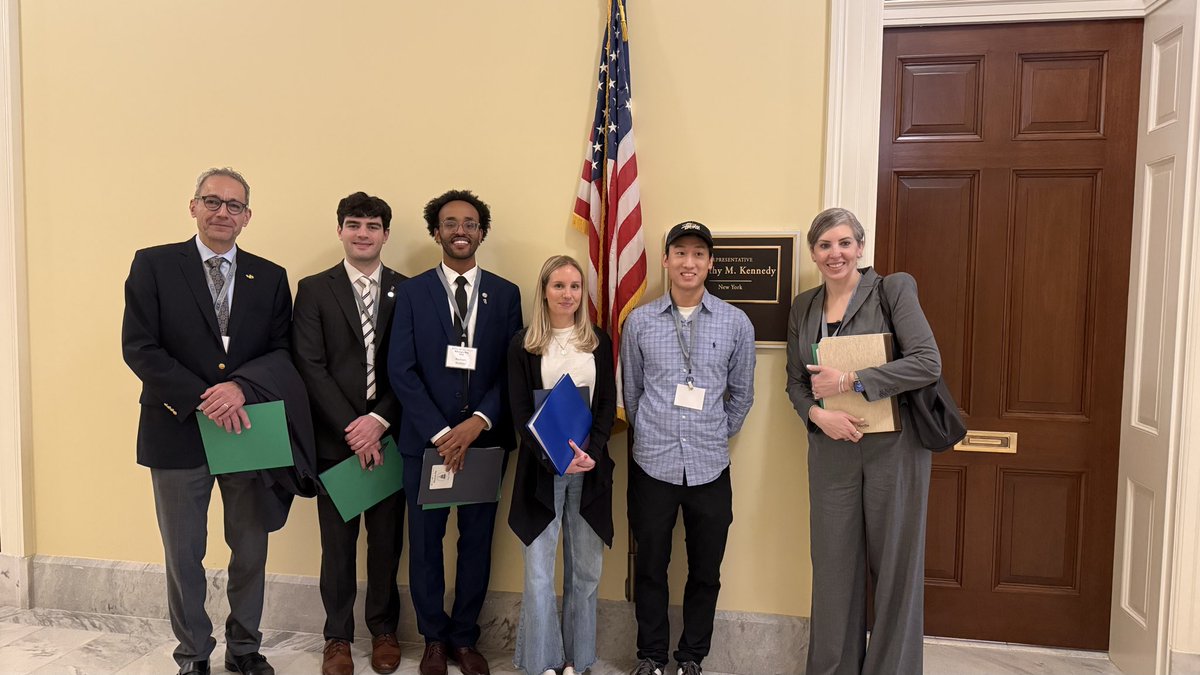
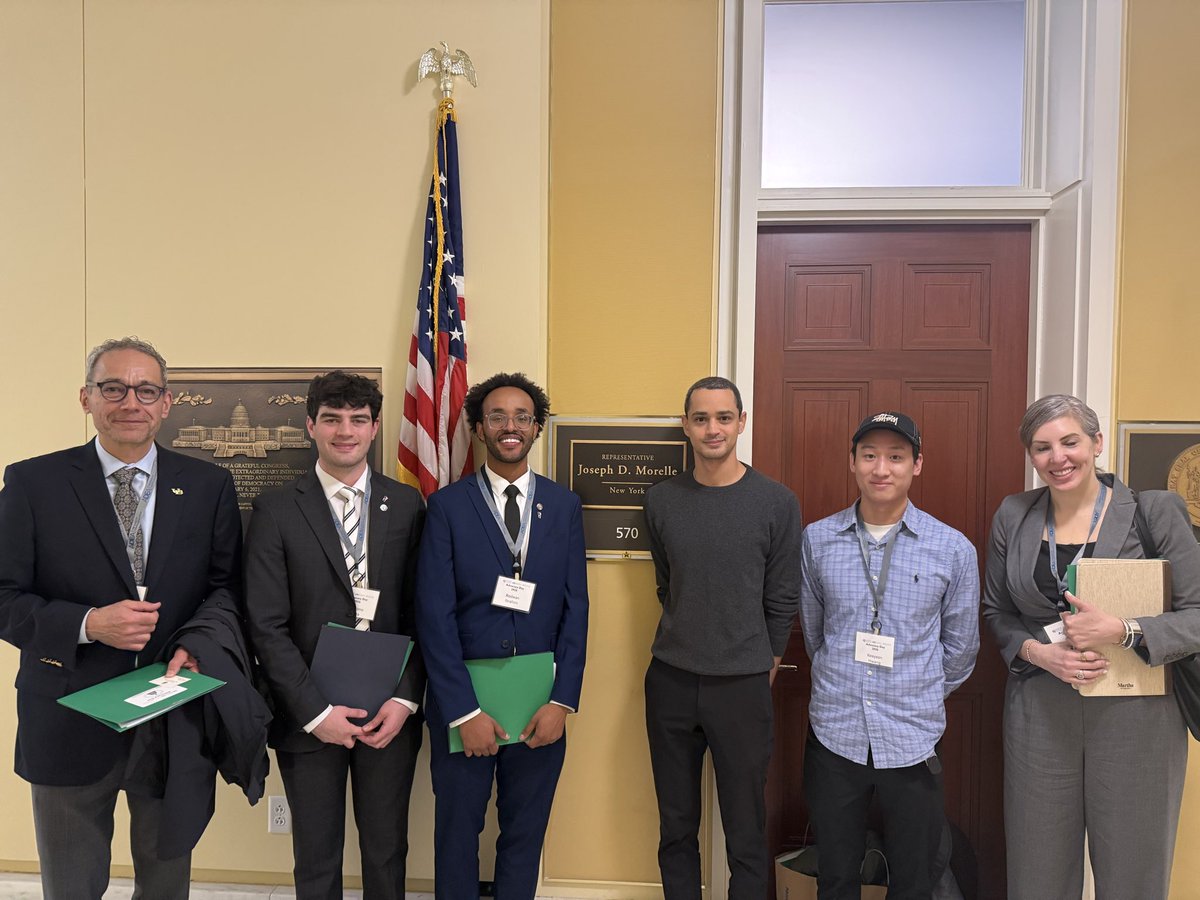
This year we went in with a strong team from University at Buffalo School of Dental Medicine @UBSDM@UB and @UofR advocating on Capitol Hill for Oral Science @NIDCR at NIH @AADOCR#FundOralHealth
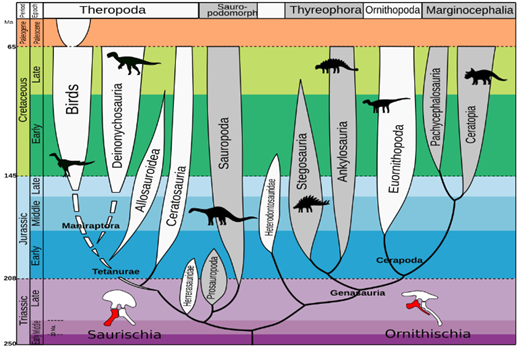
From shredders to slicers, from mower to spears… Dinosaur dental diversity mirrored their diets and niches; this adaptability in feeding strategies was likely a major key to their 200 million years of evolutionary success.
Credit Image: https://t.co/UUzTi9jMOO
The Spotted Ratfish, Hydrolagus colliei, is one of a group of fishes called chimaeras whose males sport a unique facial feature: the tenaculum, a club-shaped, cartilaginous appendage covered in teeth. A study investigates these extraoral teeth. In PNAS: https://t.co/icVyakSozU
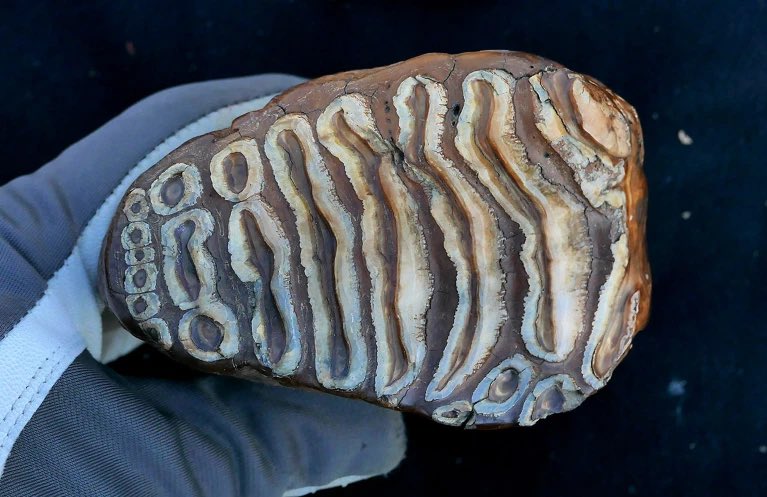
Genetic-sequencing techniques have uncovered the oldest host-associated microbial DNA ever recorded — inside samples of teeth and bones from woolly and steppe mammoths.
https://t.co/AuDuziYD0g
Ever wondered how #sharks produce an unlimited supply of teeth? Our new preprint uncovers the genes within the dental stem cell niche driving lifelong tooth development. "Shark tooth regeneration: RNAseq reveals genes for unlimited dental renewal" 🦈🦷
https://t.co/oHQT7Jy6fJ
Another gift from Neanderthals and Denisovans: DNA from ancient bones reveals how Indigenous Americans got their mucus | Science | AAAS https://t.co/4fxZ2hyYlY
Published this week was one of the best evolutionary stories I’ve seen in a while. In a game of “genetic telephone” a 72-kb chunk of Denisovan DNA introgressed to Neanderthals, then slid into modern humans. And it makes mucus.
https://t.co/G2DM3IVmMr
Dear Friends, Colleagues, and Followers,
I have reached a stage where I decided to take a break from the Twitter/X media platform. I will reconsider my decision after an extended period of time, but if I don't miss anything by then, I will cancel my account. // Stefan
Our Cell Genomics preview “Double or Nothing – Ancient Duplications in the Amylase Locus Drove Human Adaptation” covering Yilmaz F. (@feyza__yilmaz) et al., Science 2024 and Bolognini D. (@davidebolo93) et al., Nature 2024 is now out.
https://t.co/VC2RMaJLMN
@johnhawks Could it have come from some adornment held ox fixated between the teeth that was wiggling back and forth during movements of the body? I am sure you must have thought of all these possibilities. I think a lot of repetitive friction must have caused these grooves.
The most substantial skeleton attributed to Homo habilis, extremely fragmented, is OH 62—around 1.8 million years old from the FLK site at Olduvai Gorge. Two teeth have grooves reflecting the individual's habitual use of toothpicks, among the oldest known.
#FossilFriday