Husband to my dear wife to 50years, Father 4, Grandfather 13, Physician FamilyMed, Teach Biblical Counseling, Runs25 mi/week4 52years. Author Good Mood Bad Mood
Does biblical counseling blame victims for their suffering?
No. The Bible repeatedly teaches that a person can experience suffering that is unrelated to their own sin. Joseph was a victim of lies, mistreatment, and human trafficking even though he was innocent. “For I was indeed stolen out of the land of the Hebrews, and here also I have done nothing that they should put me into the pit.” (Genesis 40:15)
Jesus made it abundantly clear in John 9:1-4 that the blind man was born with his birth defect in order to glorify God, and it was not a result of his sin or the sin of his parents.
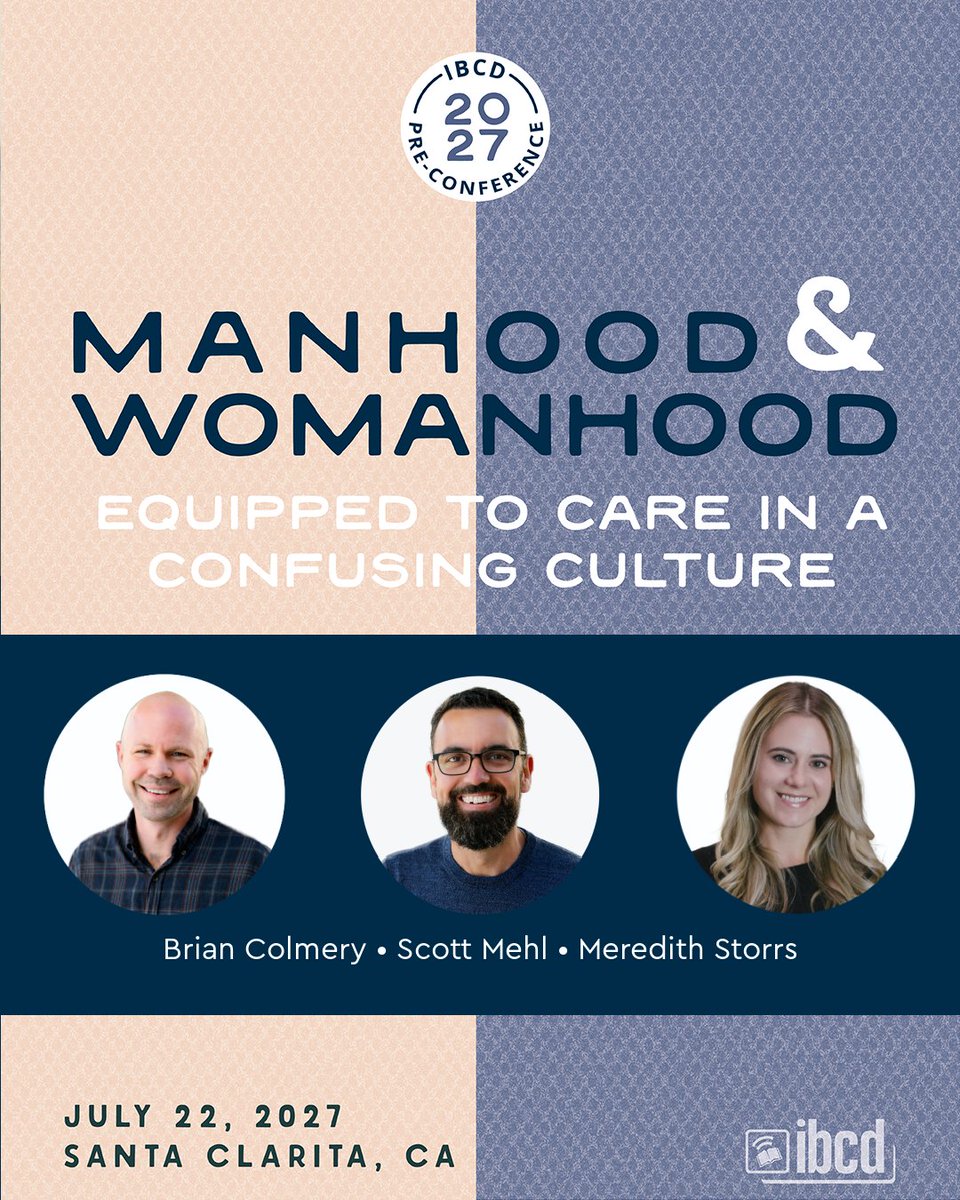
Meet our 2027 IBCD Pre-Conference speakers! Brian Colmery, Scott Mehl, and Meredith Storrs will explore Manhood & Womanhood: Equipped to Care in a Confusing Culture on July 22.
Intro Rate pricing ends October 31. Register today!
https://t.co/jcoTJXhTO8
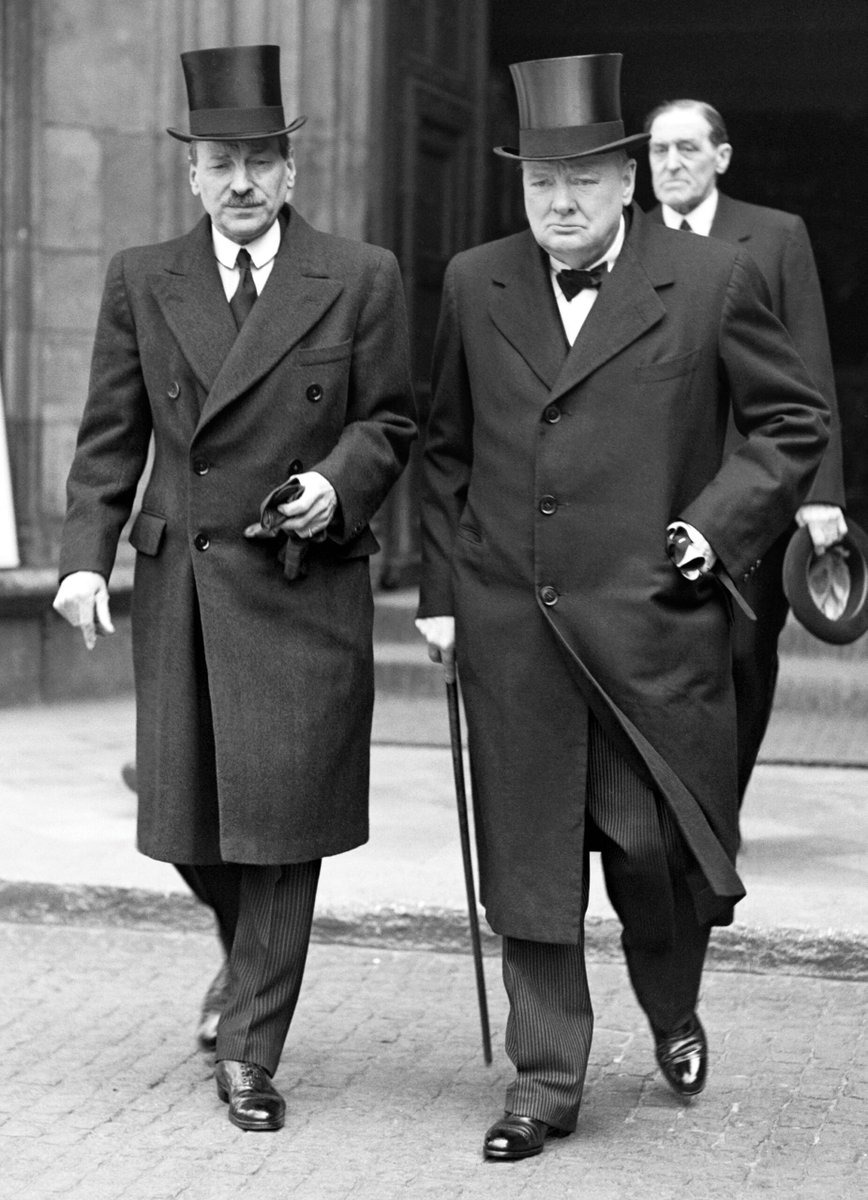
Eulogizing Winston Churchill in the House of Lords on January 25, 1965, British prime Minister Clement Attlee recalled Winston Churchill crying in the hallways of the House of Commons in the 1930s:
"I remember the tears pouring down his cheeks one day before the war in the House of Commons, when he was telling me what was being done to the Jews in Germany—not to individual Jewish friends of his, but to the Jews as a group...His greatest virtue, his compassion, has never properly been appreciated."
There is a reason everyone from Tucker Carlson to the free Palestine movement vandalizing his memorials, are waging a war against the legacy of Winston Churchill.
As a Jew and as a Zionist I am forever committed to making sure his legacy will be preserved, it is the least we can do.
Scripture doesn’t treat spiritual warfare as a rare experience reserved for a peculiar few, but as an ordinary, everyday reality for every Christian.
Read Dr. Keith Evans’ full article on the reality of spiritual warfare for believers: https://t.co/CluYKA5qKu
“Pastors cannot build God’s kingdom, then, without His tools. God forbade the Israelites from lifting a tool on His altar so they would not pollute it with human workmanship (Ex. 20:25). As soon as men bring their man-made ideas into ministry, they have polluted the work of God. Only God can build His kingdom. If man builds it, then the kingdom is man’s and not God’s. Not only are pastors helpless without the Holy Spirit, but the Holy Spirit’s strength is necessary for a pastor to persevere amid the difficulties of ministry. In particular, a pastor needs the Spirit’s indwelling, influence, and empowerment.”
Thriving in Lifelong Ministry:
Cultivating Spiritual and Pastoral Vitality for the Long Haul by Joel R. Beeke
This may come as a shock to many:
“Dr. Charles Hodges @runningdoc , a physician and biblical counselor, warns, "Not every study will have a good design or be well conducted, and the researcher's biases can sometimes influence the interpretation of data."”
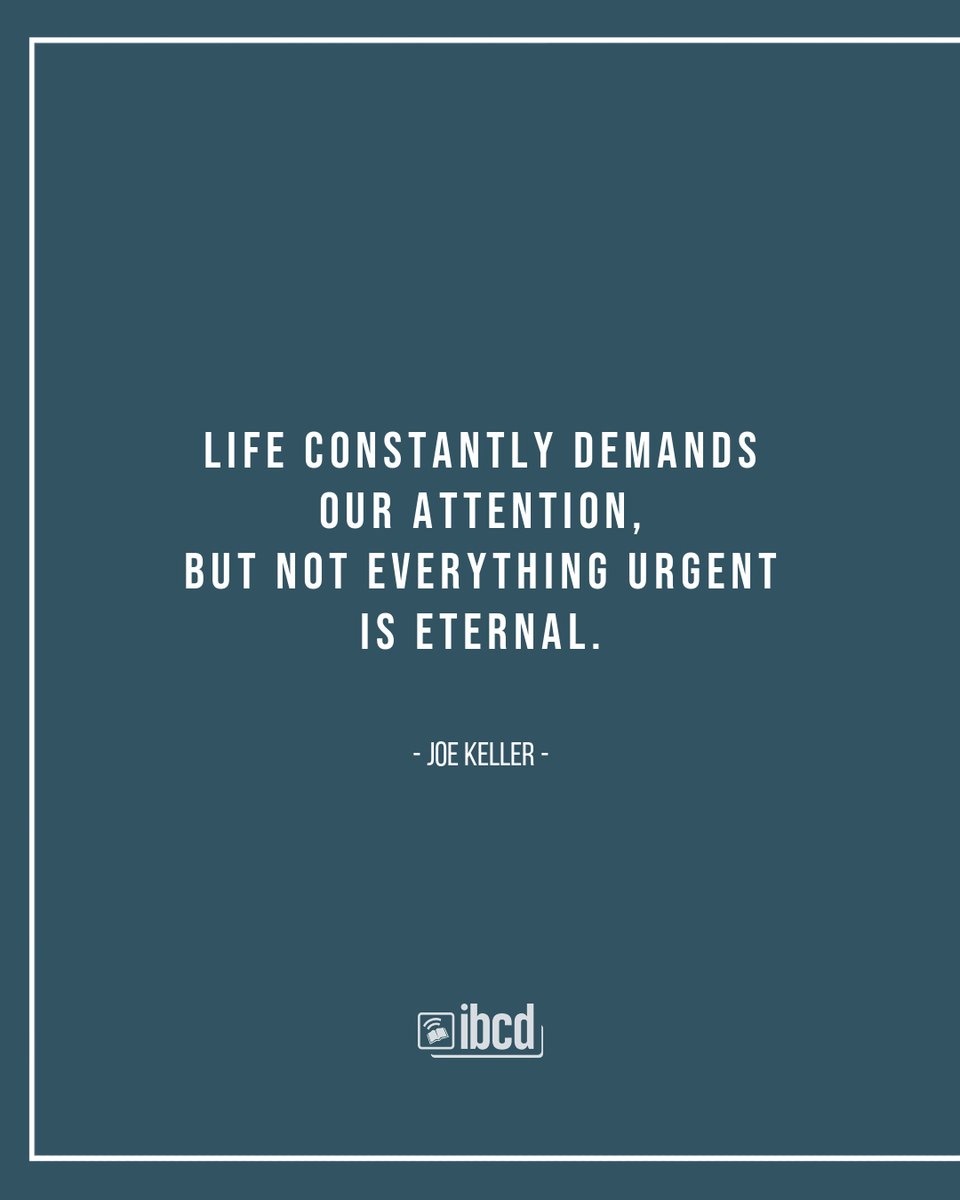
When life's demands leave us weary, how can we discern what matters most?
In this article, Joe Keller offers three Scripture-centered reminders to help us navigate weariness with wisdom, faithfulness, and an eternal perspective.
Read the article: https://t.co/igAIUlkG0u
Really very interesting article about the reduction of schizophrenic episodes for those who have diabetes and are treated with GLP1s vs other current diabetic medication. Objective evidence and I suspect more to come.
GLP-1s associated with reduced need for acute psychiatric care for people with schizophrenia and type 2 diabetes, study of US data suggests.
Find out more in The Lancet Psychiatry: https://t.co/mEGyKlKgyL
To be clear, Van Til’s doctrine of common grace allows that unbelievers may discover much that is true and useful. But this is not the same as granting that unbelieving disciplines may supply the church with governing categories or methods for ministerial care—frameworks and methods which are never philosophically neutral. — @DrKeithAEvans
"What we are witnessing in the field of biblical counseling today is not a true Reformation but, as Van Til perhaps would have seen it, a counter-reformation. It is presented as if it were the consistent outworking
of Reformed theology, but in reality it is of a different order. This modern reformation risks drifting toward epistemological instincts more reminiscent of Trent or Kant than of a consistently Calvinian epistemology. It is presented as a reformation, a move “forward,” yet it returns toward an epistemology of autonomous human reason." — @DrKeithAEvans
By studying King David’s fall and restoration, Jim Newheiser offers crucial insights into how a godly man can fail in midlife and the heart problems behind it.
Read the full article: https://t.co/Oglmp2yYNu
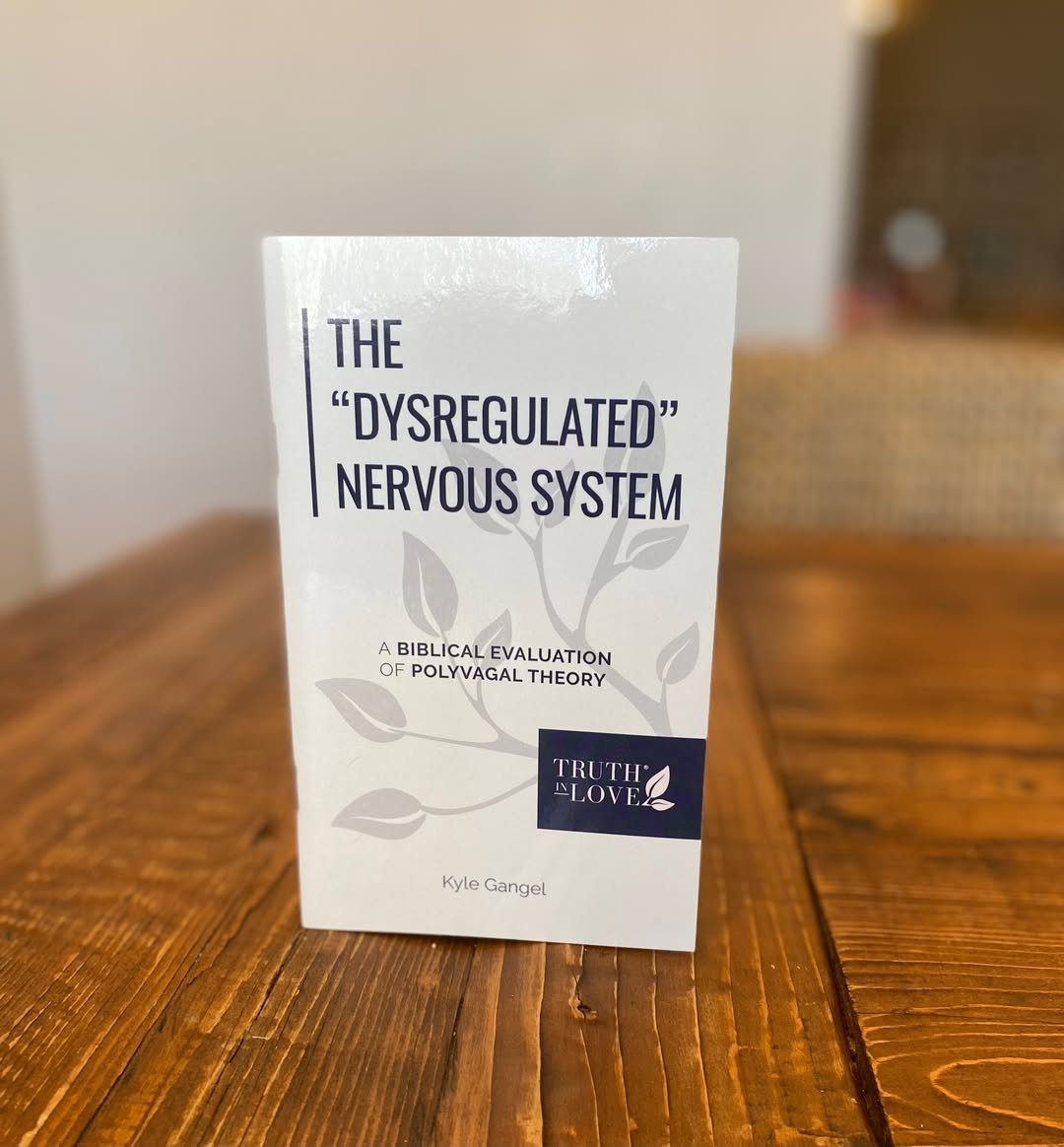
Interesting watching the "trauma-informed" retreat from their previous dogmatic positions. The move from "The Body Keeps The Score" to "The Body Keeps the Score sort of"
While I commend the retreat from lies, the inconsistency requires further reformation. Take for example the attached article.
This article wants to say two things at once:
1. VDK was directionally helpful with his framework.
2. But VDK's framework was materially false at key points.
In point 1:
Claes says VDK helped people see that trauma affects the body. (Sadly, we know that is not what VDK was claiming to do, nor what people believe now about trauma).
In point 2: She rightly points out the Frontiers article that the body does not store trauma. But then moves to include "body work" as a help to counseling trauma.
These blaring errors in addition to the continued category mistakes show that much work is still to be done in undoing VDK's errors.
The clearest inconsistency in the TGC article is here: Claes says the new study “overturns” Van der Kolk’s conclusions by putting active cognitive and interpretive processes at the center of trauma response. But then she still concludes that body-based care remains important and “entirely consistent” with spiritual formation. That could be true in a modest sense: bodies matter, calming practices can help, sleep matters, breath matters, exercise matters. But if “body work” means therapies built on the assumption that trauma is stored in the body and must be released from the body, then the evidential basis just collapsed.