@POlorenshaw@FplShakenbake have the same exact bench but skipping BB for now. I feel BB GW7 would be a better option after WC5/6. Specially because we can spread out Bruno and Mbeumo's cashpile
Remote code vulnerability found in Unitree robots and the scary part is that the exploit is wormable. That means one compromised robot could infect other vulnerable robots nearby, turning a single breach into a wide compromise. Could attackers then take control of entire fleets of humanoid robots? https://t.co/kyKMKKG9lE
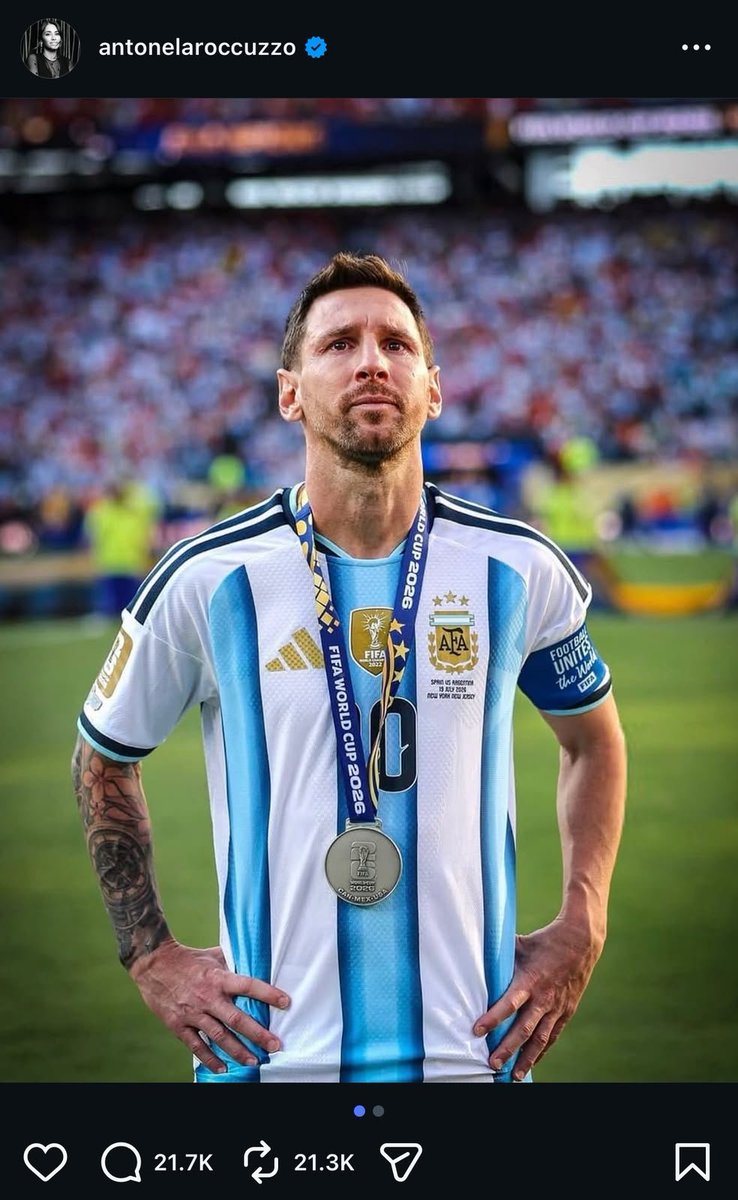
Leo Messi dropped historical World Cup at the age of 39, while knowing his father was living his final days.
No one would have blamed him for walking away to be by his father’s side. Instead, for two months, he kept fighting to bring one more joy to us.
It makes what he did even more extraordinary.
Rest in peace, Jorge Messi and all the strength to Messi family ❤️
Messi delivered that World Cup campaign while his father was living his final days and a massive hate campaign was raging against him. Yet, he never said a single bad word about anyone. He carried his pain in silence and still chose kindness🥲
@TheFatGoalie@MartianMike@CharlieVantFPL didn't understand, you are okay using WC but not FT? there's a long international break after GW5. why would you want to risk using WC before that international break?
I’m going to take my time with this one. If you’re busy, save this post and read it later. Don’t miss this trust me.
I just want to put one final point on Messi’s story: football has never truly been an individual sport—except when it came to him.
Football is a team game. No matter how great you are, you still need the players around you to compete, even if the entire system is built to maximize your strengths.
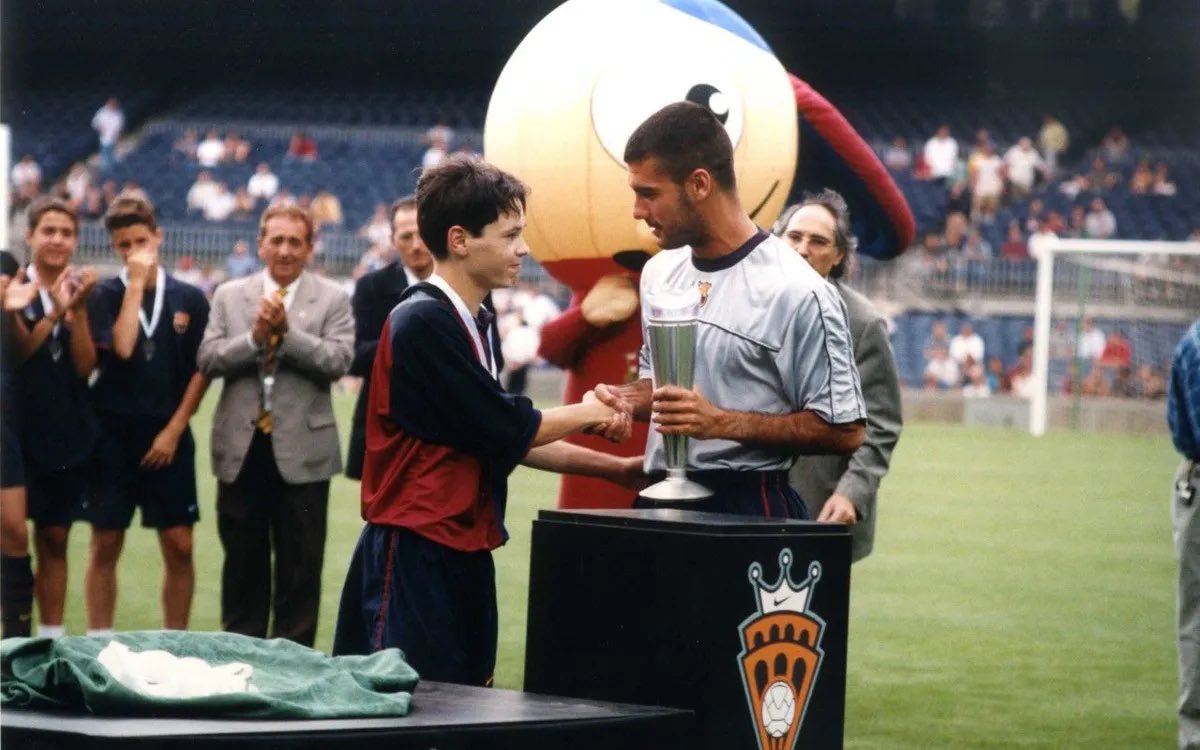
Yet even with Messi, people kept repeating the same old narrative about Xavi, Iniesta, and Guardiola. The reality is that Messi only spent about four years playing with that historic generation, and even that team looked lost before Guardiola arrived. Messi contributed just as much to their greatness as they did to his.
When that generation left, Barcelona became almost entirely dependent on Messi for two years. Then Luis Enrique arrived, along with Suárez and Neymar, not to carry Messi, but to help share the burden.
After Neymar left, and with Suárez well past his best, Messi was once again carrying Barcelona almost entirely by himself, surrounded by average players. He was one game away from another historic treble, and once again, he was the team’s standout player.
Many people forget that in 2014, after Messi became La Liga’s all-time leading scorer with a hat-trick against Sevilla, Barcelona fans were handed flyers asking: “What if you woke up tomorrow and Messi was no longer at Barcelona?” Even then, some people still couldn’t bring themselves to give him the credit he deserved.
Messi even wanted to leave in 2020, and the situation nearly ended up in court. But he stayed because he didn’t want to fight the club he loved. In the end, he was still forced out in one of the saddest exits in football history.
Argentina was no different.
For years, Messi carried one of the worst-run national teams in modern football. In 2010, Maradona played Germany with four attackers because he believed more forwards meant more goals. Argentina lost 4–0.
Yet Messi was the one blamed.
He was called a failure, a choker, and a coward by people who ignored the reality that, without him, Argentina might not even have qualified for the 2014 World Cup. Every Copa América final they reached was because Messi got them there in the first place.
The difference was enormous: with Messi, Argentina reached finals; without him, they struggled even against much weaker opponents.
The 2022 World Cup wasn’t just about a great team—it was also about Messi bringing confidence, leadership, and belief to a group of players who followed him. He carried the responsibility while everyone else played their role.
Even in the latest World Cup, at 39 years old, Messi was covering huge areas of the pitch, playing 120 minutes repeatedly, and constantly finding new ways to win games almost by himself.
Most people will never care about these details or this context. Future generations will only look at trophies and short tournaments.
In the end, every argument people used against Messi eventually disappeared. They said he had no World Cup—he won it. They said he had no Copa América—he won it too.
To me, Messi is the most unfairly judged player in football history. No player has been blamed for more things beyond his control or had more false narratives attached to his name.
That’s Messi’s story—through logic, reality, and everything he had to endure.