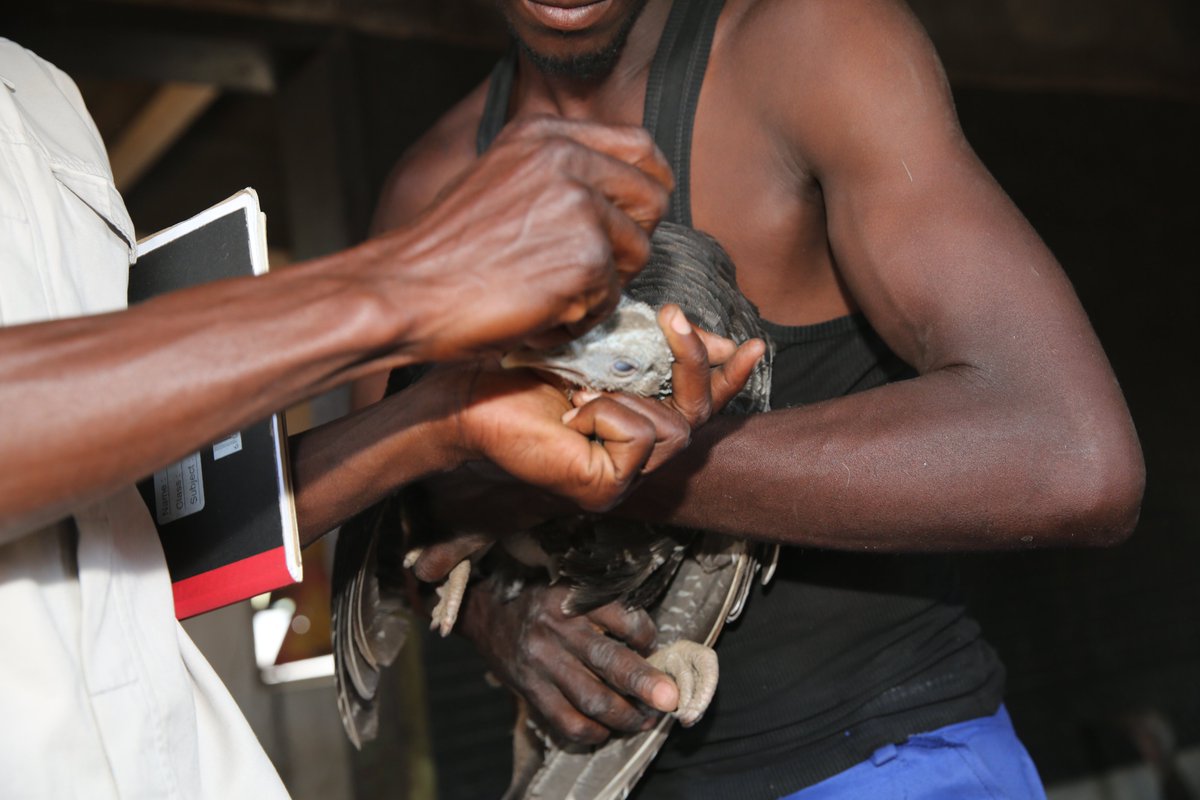
Chickens are a key source of nutrition for rural Zimbabwean communities. To help farmers affected by Cyclone Idai raise sustainable chicken flocks as a consistent food source, FAO under the @ZIRP_Zimbabwe project vaccinated 2.1 million birds against New Castle Disease. @WorldBank
To support farmers affected by Cylone Idai restore their food production & improve their socio-economic position. FAO in Zimbabwe is promoting black soldier fly rearing, a cheaper & environmentally clean way of producing much-needed protein for livestock. @ZIRP_Zimbabwe
@faosfsafrica@ZIRP_Zimbabwe Tick borne diseases remain a major constraint to cattle production and productivity in the communal areas.
Thanks to generous funding from @WorldBankAfrica. FAO is revitalising livelihoods, and food security in 🇿🇼 by reducing cattle mortality 👏@ZIRP_Zimbabwe@CooperZimbabwe
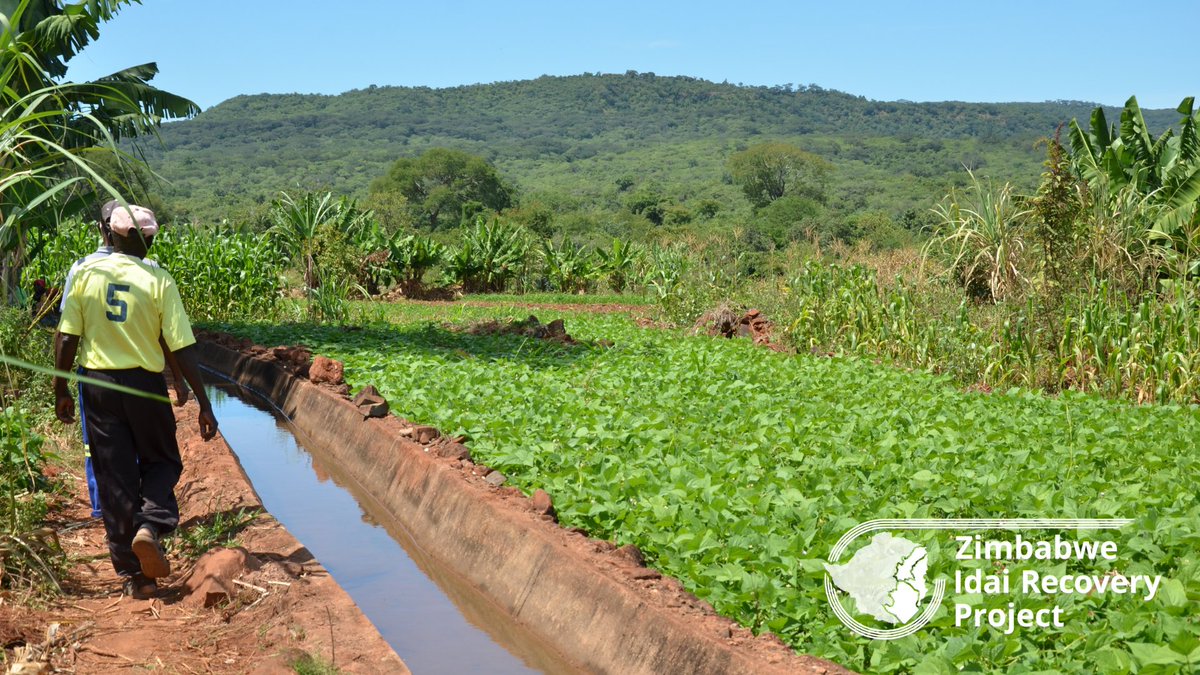
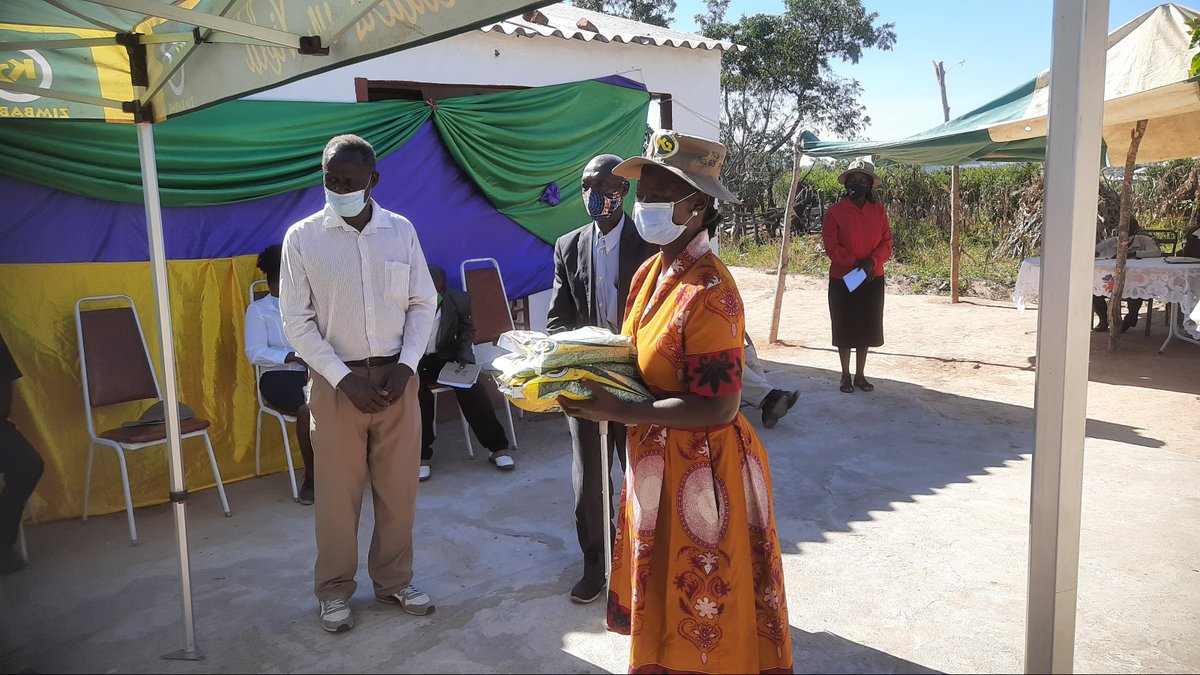
Utilizing medium-term recovery strategies to spur change with @WFP_Zimbabwe’s Food Assistance for Assets programme under ZIRP.
We render food assistance and support rehabilitation of agricultural assets leading to long term food security returns in Chimanimani and Chipinge.
In Zimbabwe, @FAO has helped farmers and livestock-owners to recover from the damage caused by #CycloneIdai. Read more on how FAO through @ZIRP_Zimbabwe project supported communities to prepare, mitigate, respond to and recover from such hazards...➡️https://t.co/MDAeXAs5r8