I recommend this thread, and the nuanced view of trade and global finance forward by Stephen Miran.
There are more options available to a determined Administration to influence the dollar than those in a standard macro text book.
But ...
1/
1/2
Hudson Bay Capital: "The root of the economic imbalances lies in persistent dollar overvaluation that prevents the balancing of international trade, and this overvaluation is driven by inelastic demand for reserve assets."
https://t.co/8LWbl4g5nR
A USER'S GUIDE TO RESTRUCTURING THE GLOBAL TRADING SYSTEM
As markets look forward to a second Trump Admin, there are lots of bad predictions that tariffs will cause horrible inflation, or the President can't affect the dollar. Both are false. /1 https://t.co/onUC3CVsPL
I can understand why large banks are opposed to cryptocurrencies – the technology has the potential to disrupt much of the traditional banking model. This is not a fight for DC to pick sides on. We need to regulate with a light touch that doesn’t kill innovation in the US.
Listen to the latest episode of “The Foreign Affairs Interview,” featuring @AdamPosen, @ZongyuanZoeLiu, and @michaelxpettis on the factors driving Beijing’s economic woes—and how the United States can adapt its China policy accordingly.
https://t.co/GERquDEicM
One idea I’ve been contemplating is that Bitcoin may be the key to extending western civilization.
The natural trend of whichever country has the reserve currency is to inflate the money supply and increase deficit spending until it loses that advantage. The U.S. is somewhere on this journey, which many have discussed including Dalio in The Changing World Order.
The Yuan and Euro have their own issues and aren’t viable alternatives currently, so the assumption is the U.S. can continue to inflate, but what I think many haven’t considered is that people have an alternative now with crypto. They may start moving fiat into crypto, as an antidote to inflation.
Contrary to what some may assume, I don’t think this be a threat to the dollar and the U.S., I think it will be a natural check and balance that will complement the dollar, and be the best defender of long term American interests (and western civilization more broadly). It’s better to move from dollars to crypto than to another country or region’s fiat. I also think both fiat and crypto will co-exist for a long time. They are more complements than substitutes. And dollar backed stable coins like USDC, or flat coins, will play a major role in unifying these worlds.
Still thinking this through. What other good takes are there on this?
Excellent (and provocative) new paper from Subramanian, Kessler, and Properzi
https://t.co/SB6087TjnZ
It makes three points about globalization that are clearly in the data yet often over looked.
1/
First, net FDI flows (counting both inflows and outflows) are now sharply negative, and it is the Chinese liabilities (the investment by foreigners into China, that is driving the swing)
- $66bn now
vs
+$100bn in Q1 2022
MASSIVE swing
Central Bank Digital Currencies should never be designed, developed, or established.
It’s like building the Death Star and saying you won’t turn it on.
Today I offered an amendment to stop the creation of #CBDCs.
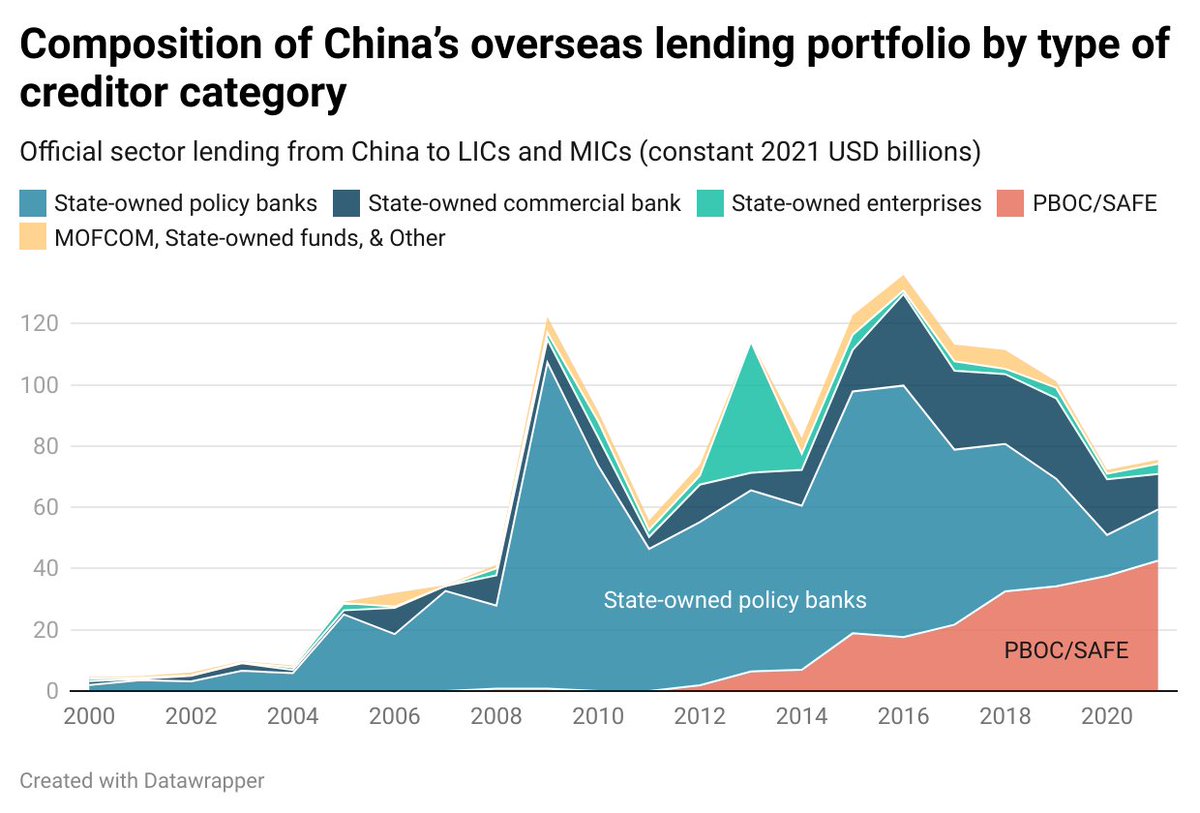
There is no better source of data about China's overseas lending (The Belt and Road) than @AidData -- their latest report is a case in point.
Great charts too.
https://t.co/8D8FrVjJui
so just to recap
- WSJ journalists (Angus Berwick & Ian Talley) write a flurry of articles citing Elliptic data claiming that PIJ (Hamas affiliate) raised $93m in crypto (and cites BitOK claiming Hamas raised $41m) [1]
- Sen Warren uses this article to claim that Hamas raised "over $130m" in crypto. This article is her SOLE citation in her letter. The entire letter depends on the WSJ article [2]
- Over 100 member of Congress sign the letter, which asks for the Biden admin to further crack down on crypto
- Chainalysis comes out with an article disputing the WSJ claims, saying that instead of $82m of terror financing, the real figure is around $450k. It's unclear which wallets they are referring to. Either way, it looks like the WSJ analysis is vastly overstated [3]
- WSJ refuses to follow up or retract, instead writing more articles relying on their claims
[1] https://t.co/5wStI7hhyK
[2] https://t.co/cDycaLtA7E
[3] https://t.co/QDHiS5ShmJ
This is crazy - an inaccurate WSJ article (citing evidence from Elliptic) caused 20% of congress to sign a letter. Elliptic has now refuted the evidence in the WSJ article.
@WSJ will you issue a retraction/correction?
Last Thursday, the CFTC announced settlements against 3 DEXs: Opyn, ZeroEx & Deridex.
Aggressive enforcement sends a clear signal to DeFi: The CFTC is staking its claim to regulate crypto.
What should DeFi founders do? Summary and key takeaways 🧵👇
Zongyuan Zoe Liu and I separately respond to and disagree with Adam Posen's August piece in Foreign Affairs, "The End of China’s Economic Miracle", after which he responds to us. I don't think this disagreement has been resolved.
https://t.co/PJlAmac226 via @ForeignAffairs
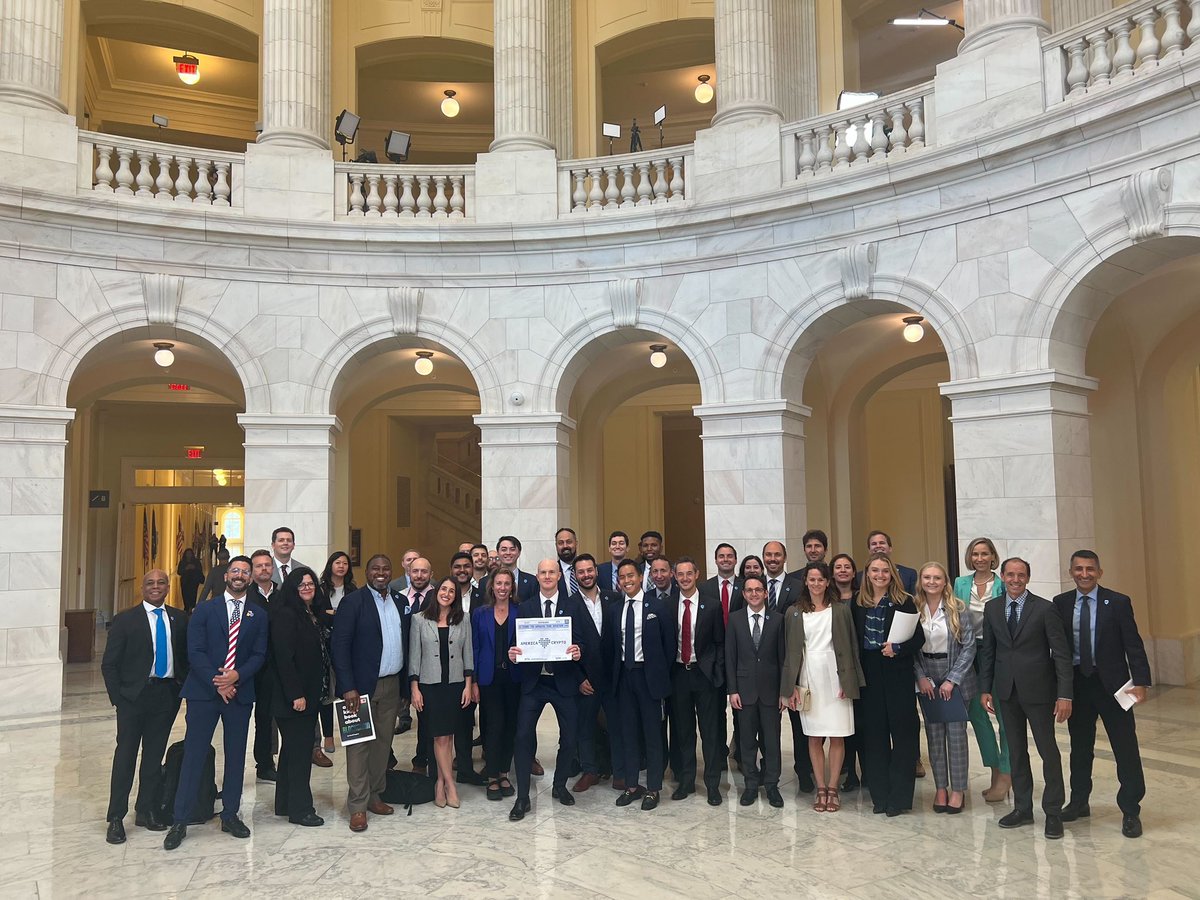
❤️ Was great to have so many members of congress meeting crypto entrepreneurs from their own districts, creating jobs and innovating in America. It put a face to the name, and reset their view of what the industry is. Can’t let a few bad apples (both in our industry and in our government) set the narrative.
The SEC is essentially executing Operation Choke Point 2.0. This time, the targeted industry is the cryptocurrency industry, & it’s creating tremendous uncertainty.
Superb summary of China's current policy predicament from @Lingling_Wei and @yifanxie --
Captures both the current moment, and set of decisions over the last twenty years that created today's unbalanced Chinese economy.
1/
https://t.co/3iTABMRVk8