Excited to share some of my PhD work out today in @NatureCancer! Integrating bulk and single-nucleus genomic approaches, we identify distinct determinants of survival and acquired resistance to ICB versus standard chemoradiation in glioblastoma. https://t.co/EqeJLUvbou
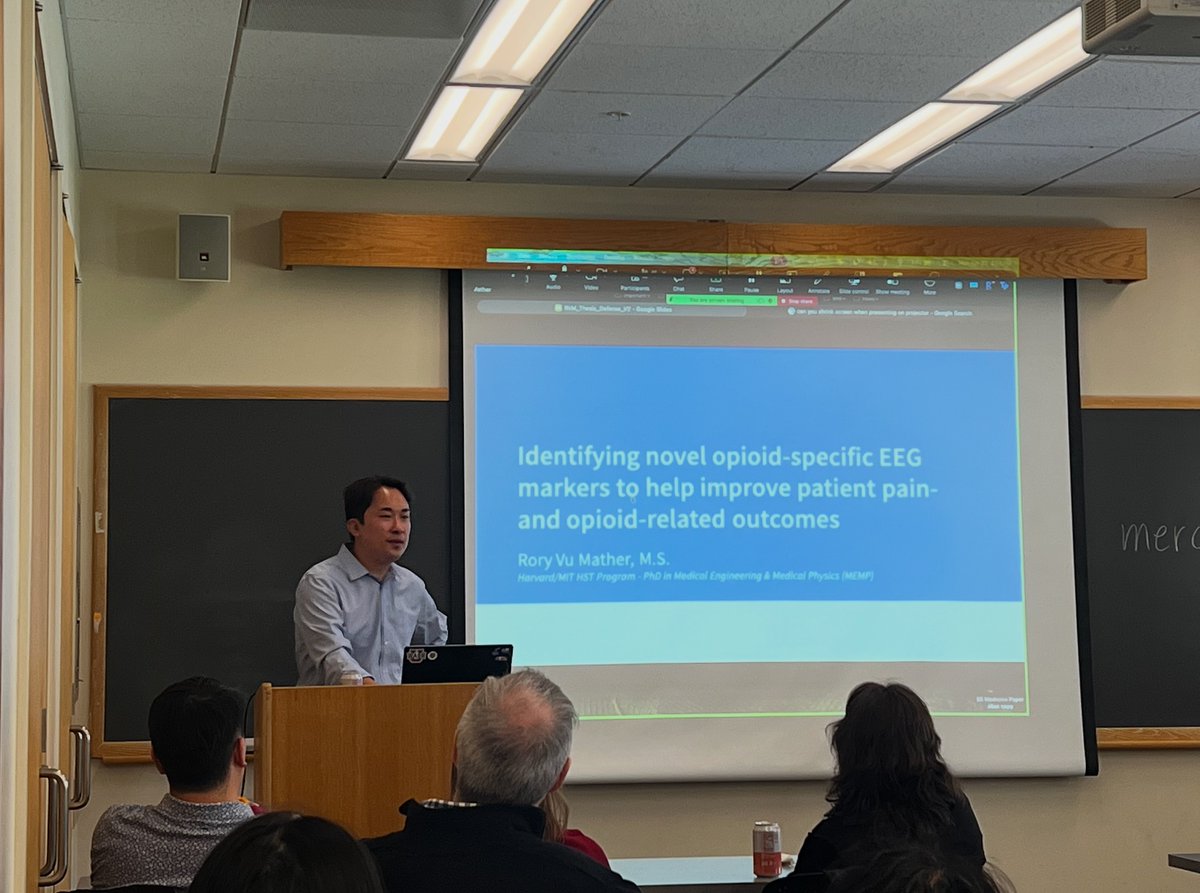
After 4 years of traveling between Harvard/MIT and Stanford and 200 pages of utter despair aka my thesis, I have officially defended my PhD in Medical Engineering and Medical Physics through the Harvard/MIT Health Sciences and Technology Program!
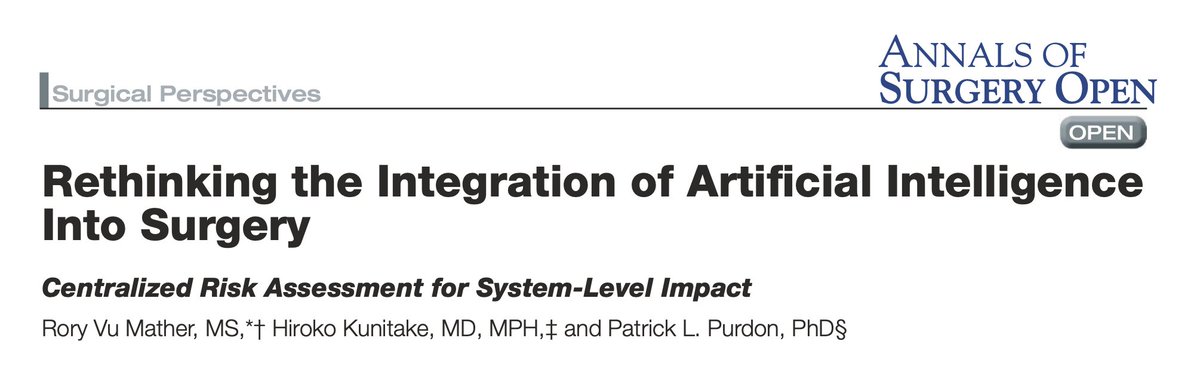
Excited to share a new perspectives piece on AI in surgery! Instead of making every surgeon an AI expert, we centralized risk assessment to a small team & screened 2200+ GI patients, moving AI from proof-of-concept to real clinical workflows. Read it here: https://t.co/06eloBCd2g
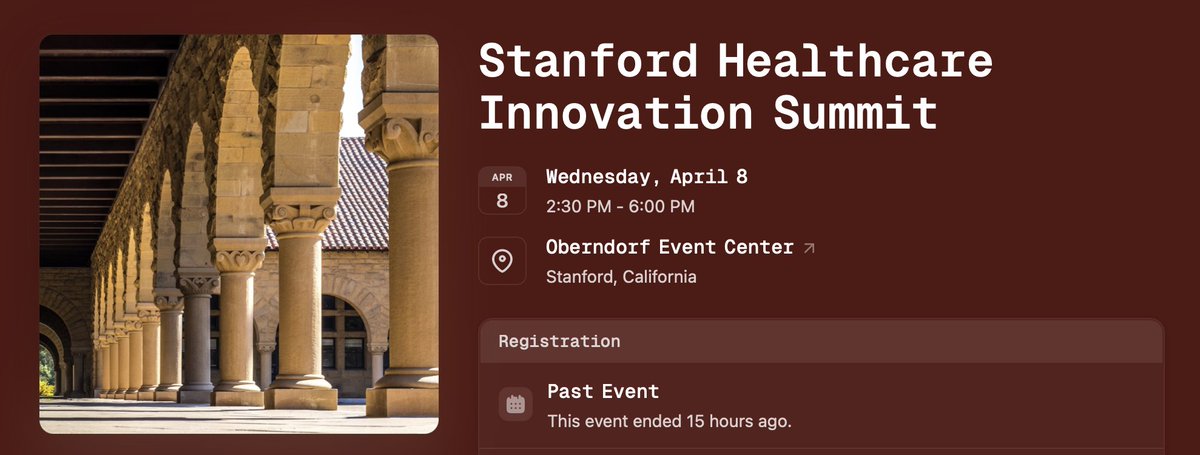
Overall, it was an awesome experience to hear from leaders of healthcare and biotech companies talk about their experience integrating innovations such as AI into their workflows. Thanks to everyone at the Stanford GSB Healthcare Club for hosting such an invigorating summit.
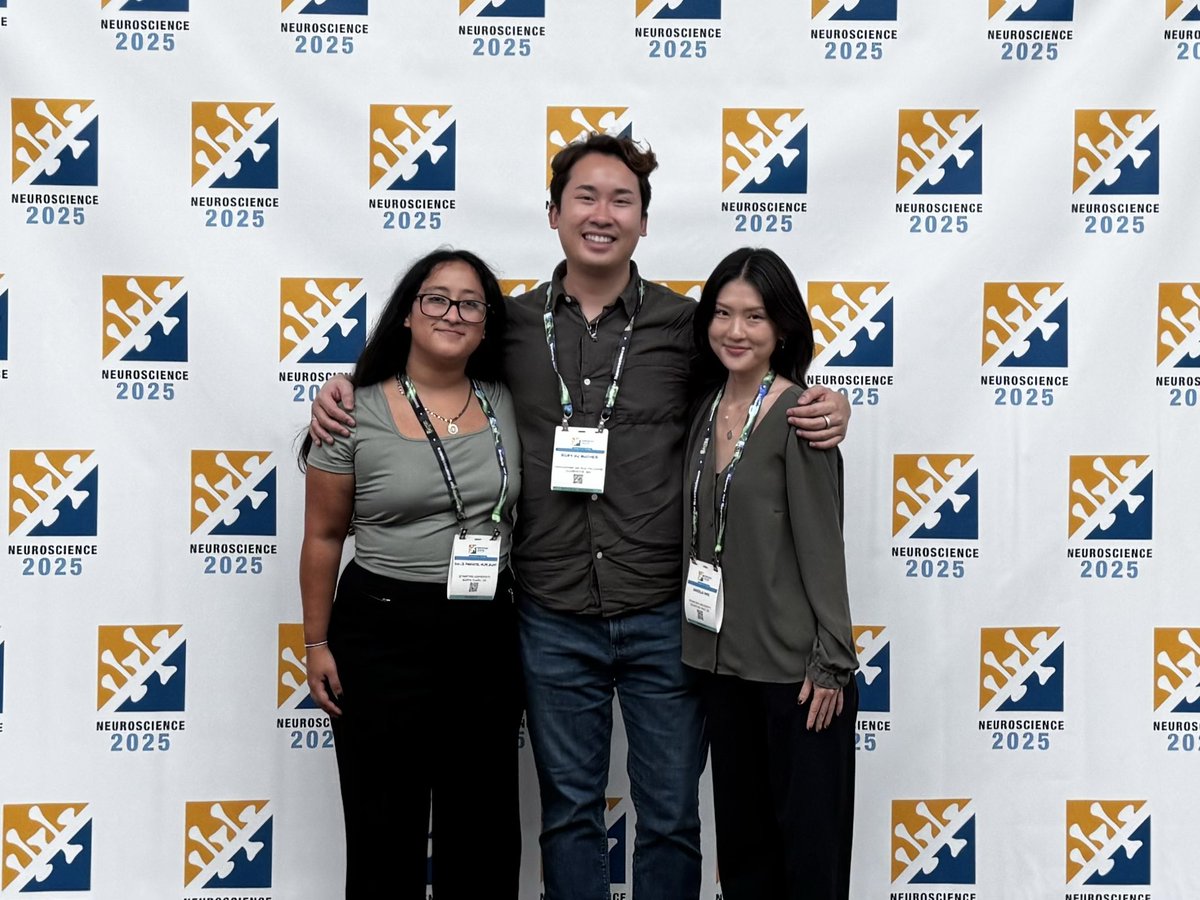
Yesterday I got an opportunity to compete in a pitch competition at the Stanford Healthcare Innovation Summit hosted at the Stanford Graduate School of Business @StanfordGSB
Our team, Blue River Bio, won 1st place for our work developing non-addictive pain therapeutics!
6 teams competed, and the entire room filled with leaders of major healthcare and biotech companies, Stanford professors across medicine and business, and students were able to vote for the pitch they would fund. Our team came away with almost double the votes of any other team.
As of today all of MGH GI Surgery is using this tool, and we're expanding to cover other surgical specialties across all of Mass General Brigham! We're hopeful this work can act as a framework for how we can realistically use AI to focus resources to our sickest patients.
Our team just published a paper describing our work integrating our AI-based preoperative risk prediction tool to automatically flag highest risk surgical patients and refer to preoperative optimization clinics across Massachusetts General Hospital!
https://t.co/ixgKlAPzJn
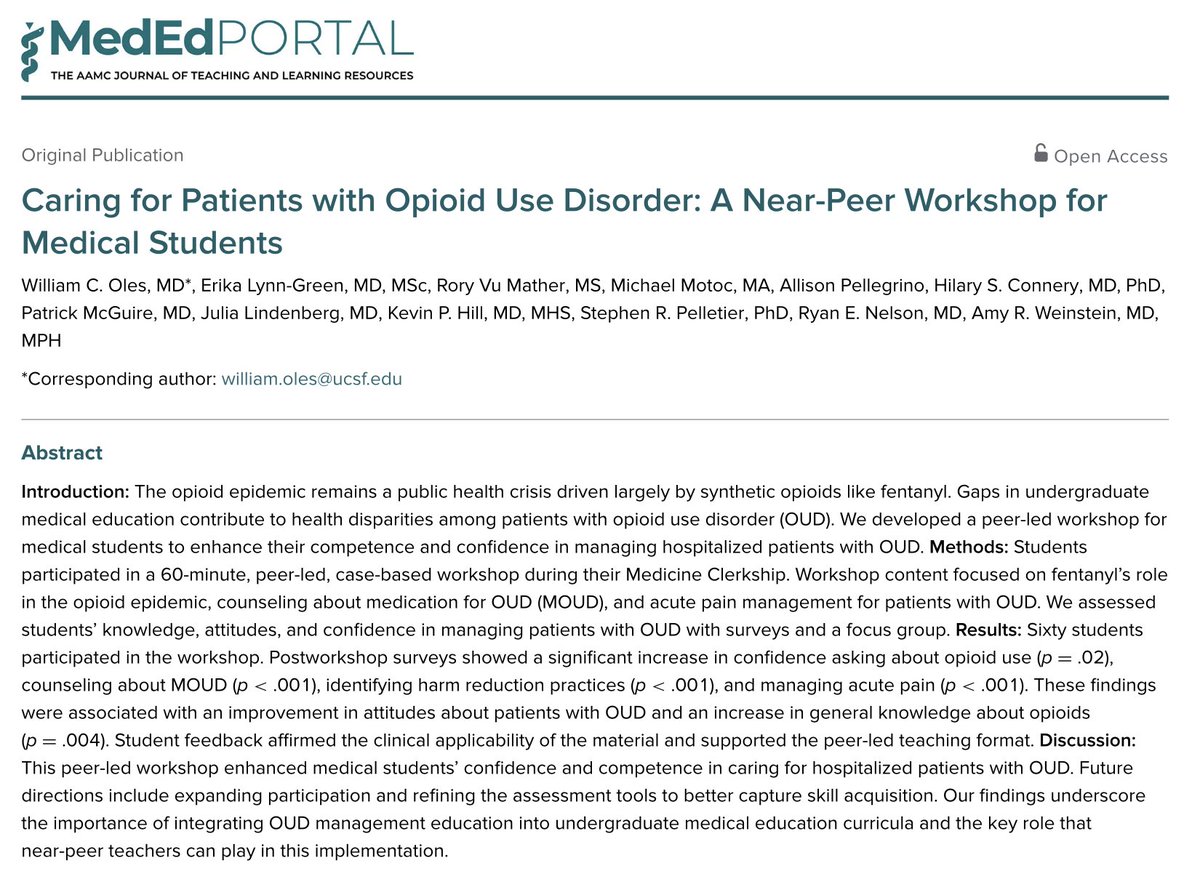
Excited to see that our work on the HMS Substance Use & Pain Curriculum Committee got published today in MedEdPortal!
Our team led by William Oles built a harm reduction for OUD didactic in the internal medicine rotation here at HMS!
https://t.co/VtcCpp1DXC
Happy Holidays from the Purdon Lab!
As we wrap up the year, we’re grateful for the collaborations, progress, and community that made this such a meaningful year for our lab. We’re excited to share a few highlights from the past months and to look ahead to what’s coming next.
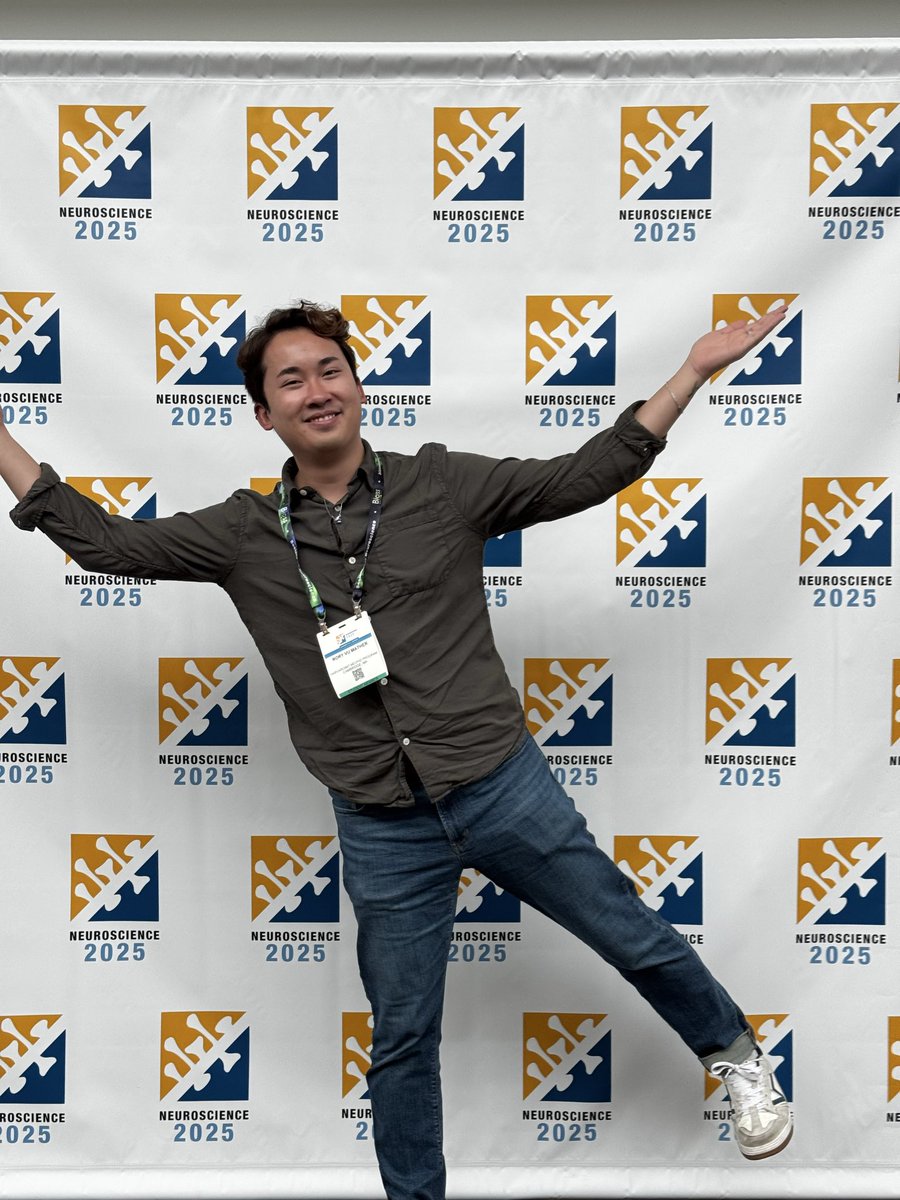
Please do apply in our rich PHD program if you are interested in computational Neuroscience or Cog Sci. I am hiring and we will have a fantastic time with human neuroimaging and behavioral studies.
Our team received the Stanford SPARK Program Award for Excellence!
@SPARKStanford selects one team out of 50+ projects that's shown outstanding progress in translating their research into the hands of patients.
We wouldn't be here without the help of the SPARK community!
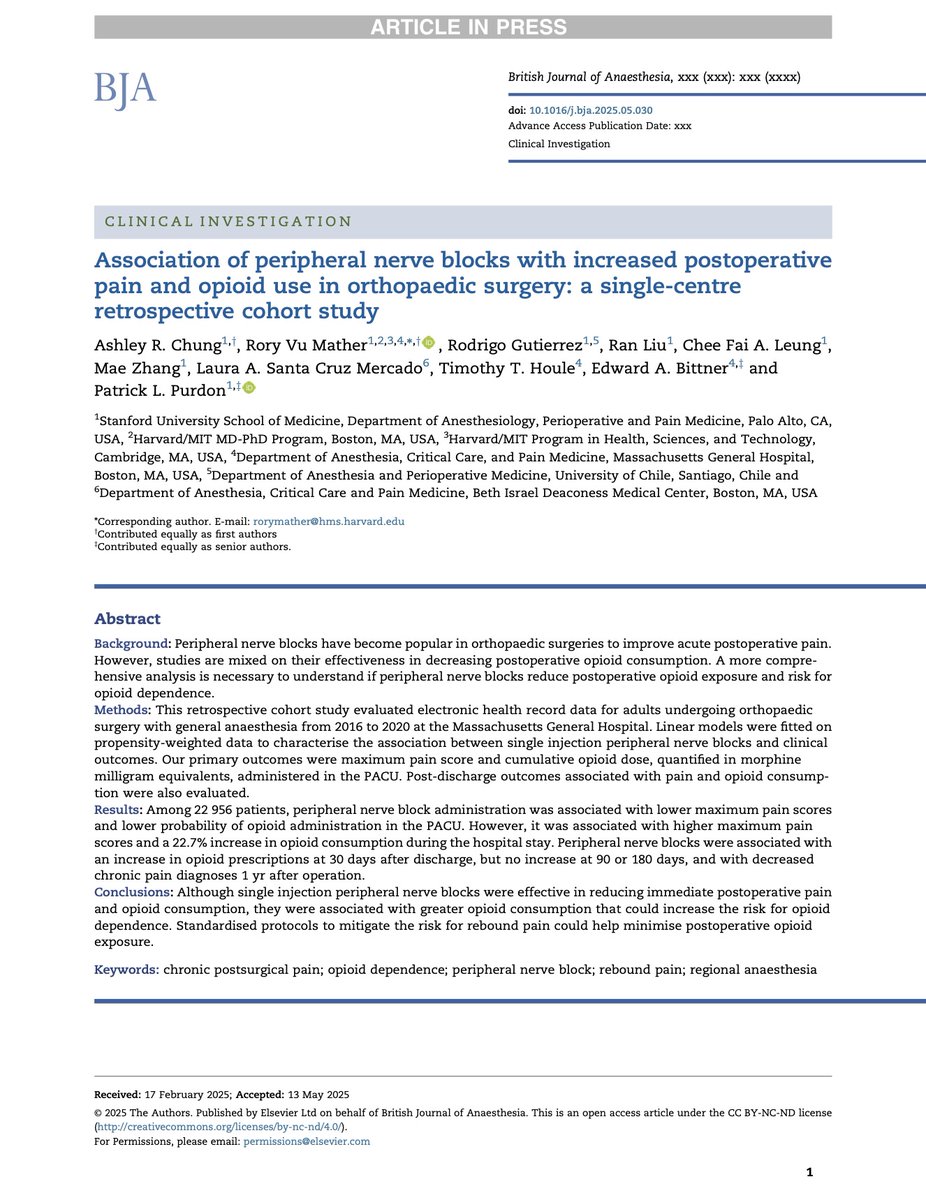
A new retrospective study indicates that peripheral nerve block administration in orthopaedic surgery is associated with increased short-term opioid prescriptions but a reduced incidence of chronic pain diagnosis at 1 year.
https://t.co/1S2Qk0PxDj
Prescription opioid harms are worse than the headlines suggest.
Our new JAMA Viewpoint shows where FDA oversight hasn’t kept pace—and how to fix it.
https://t.co/hoJHuiCMk1
🧵 [1/11]
Couldn’t have done it without the support of the entire HMS Substance Use and Pain Societal Theme, and of course the BCH Pediatric Pain Clinic!
@AntjeBarreveld@BostonChildrens@harvardmed
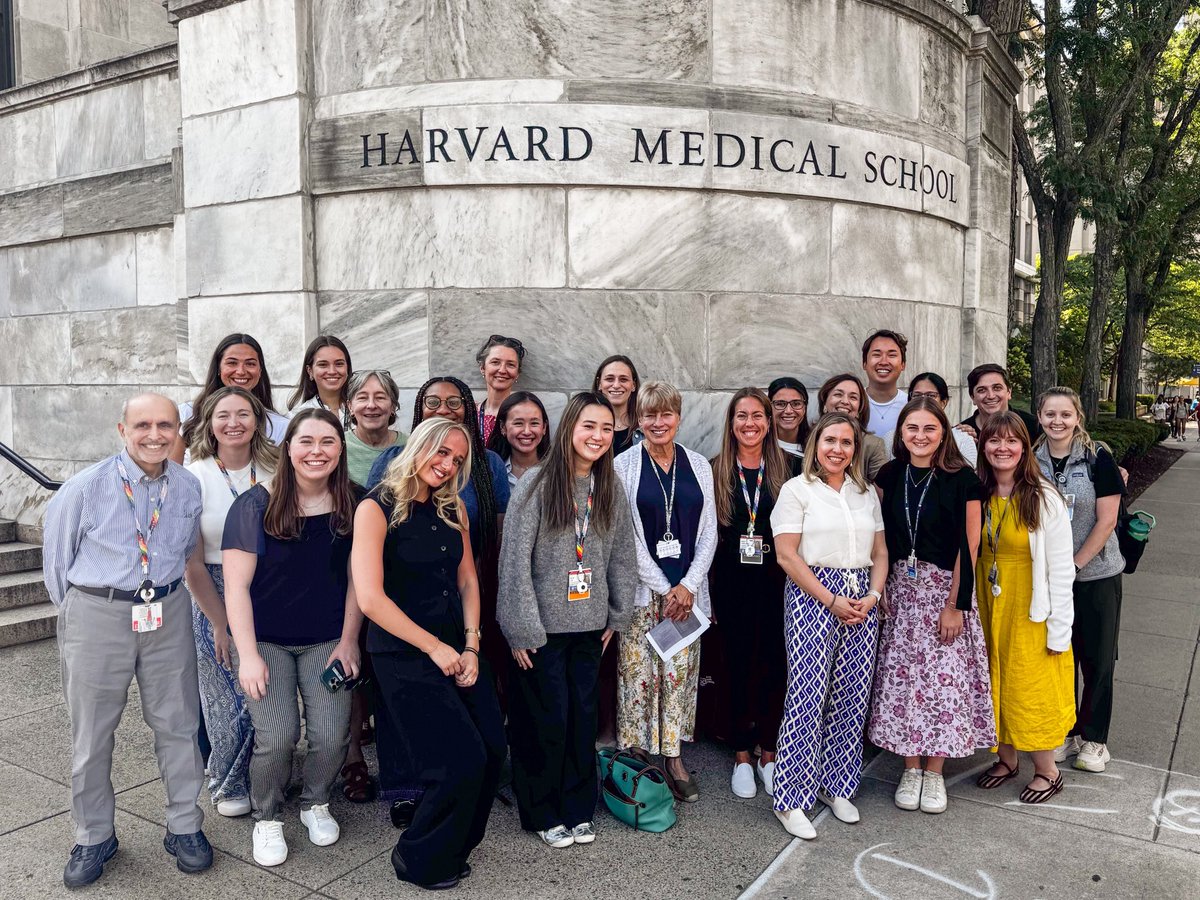
Two weeks ago, I helped lead a new pain medicine didactic at @harvardmed where we brought the @BostonChildrens Hospital Pediatric Pain Clinic to teach about interdisciplinary pediatric pain care.
We had 4 people with lived experiences share their stories, and over 20 providers across pain medicine, PT, OT, and psychology!
Students got to see how each specialty contributed to the pain management plan, and what a truly interdisciplinary team looks like in medicine.









![MarkBicket's tweet photo. Prescription opioid harms are worse than the headlines suggest.
Our new JAMA Viewpoint shows where FDA oversight hasn’t kept pace—and how to fix it.
https://t.co/hoJHuiCMk1
🧵 [1/11]](https://pbs.twimg.com/media/GzXf_dIWoAEGY5u.png)