Microwave ablation versus stereotactic body radiotherapy for oligometastatic colorectal liver metastases (LAVA-CRLM): a prospective, randomised, phase II trial
https://t.co/KQlw5yNMeF
Stereotactic body radiotherapy versus hepatic resection for recurrent small hepatocellular carcinoma: A post-hoc analysis with propensity score adjustment from two randomized trials - European Journal of Cancer https://t.co/w5d1XCjbDd
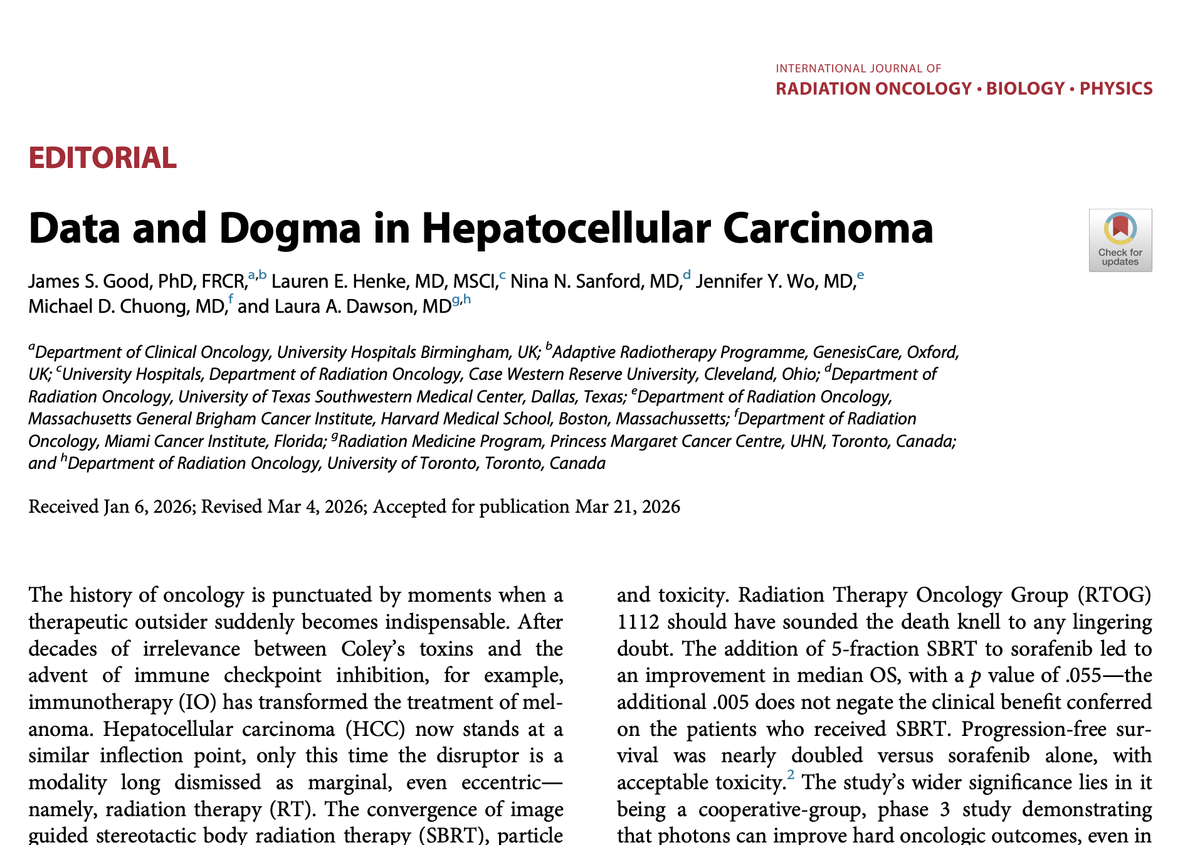
Recent advancements in radiotherapy for hepatocellular carcinoma
For years, RT played only a limited role in HCC management.
Today, SBRT can achieve >90% 2 year local control with RILD <5% (Radiation-Induced Liver Disease)
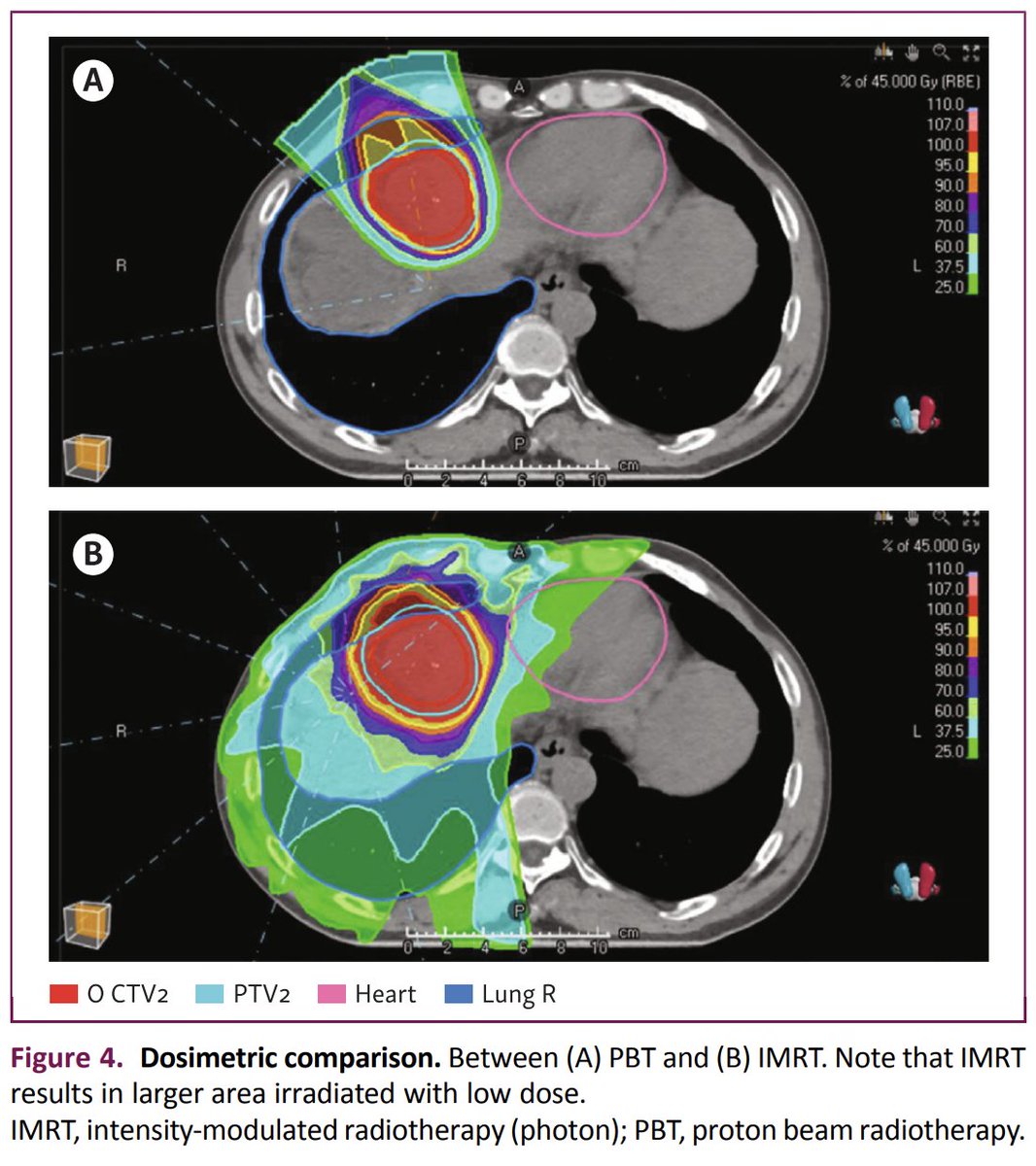
Proton therapy reports ~88% 3-year local control with low hepatic toxicity.
Not universally adopted, but difficult to ignore with modern data.
https://t.co/u7ZLsWy9cK @OncoAlert
Always honored to be part of the expert panel at the PCS Liver Multidisciplinary Tumor Board—especially alongside the esteemed @hpbsurgeon1 Dr. Catherine Teh. Grateful for the opportunity to contribute to such meaningful discussions. #GIradonc
PLATO ACT5 Ph3 RCT (n=463): 53.2 v 58.8 v 61.6 Gy in T3-4/N+ anal SCC.
No early benefit to dose escalation w similar cCR (65-67%) across dose levels.
More uniform RT dose is not the answer – need better stratification, bio-driven personalization, RT/systemic integration. #GI26
Postoperative ctDNA status may be a robust prognostic marker for disease free survival among rectal cancer patients managed with upfront surgery. https://t.co/NHCg8M4aFZ
Ever thought about 🔄️re-irradiation for squamous cell carcinoma of the anal canal?
Turns out... it can be done! Thanks to this ⏪retrospective study of 35 patients by @jordan_McD3@ThatDamDoc@PrajnanDasMD@eugenekoay@ebludmir@Snoticewala@VanMorrisMD@DrEmmaHolliday@MDAndersonNews
⚡ Hyperfractionated re-RT (1.5 Gy BID, ~39 Gy (30 - 51 Gy range)) delivered:
🎯 46% cCR in recurrences
🌟 78% cCR in new primaries after prior pelvic RT
💥 Durable pelvic control in a truly tough population
🩺 Acute toxicity was similar to standard CRT (23%), and keeping dose ≤39 Gy may help avoid major late effects.
🤔There appeared to be an association with field size and rates of late toxicity!
Got any of your own experiences to share?
https://t.co/nSl6XpiR5R
@ASTRO_org
It was an honor to have GI radonc legend, Prof. Trevor Leong, at the @USThospital BCI Annual Meeting! Your expertise was the highlight, and your time with our trainees was priceless. See you in Manila again soon, maybe next time w/ @pixiepk1! @PeterMacRadOnc@UST1611official
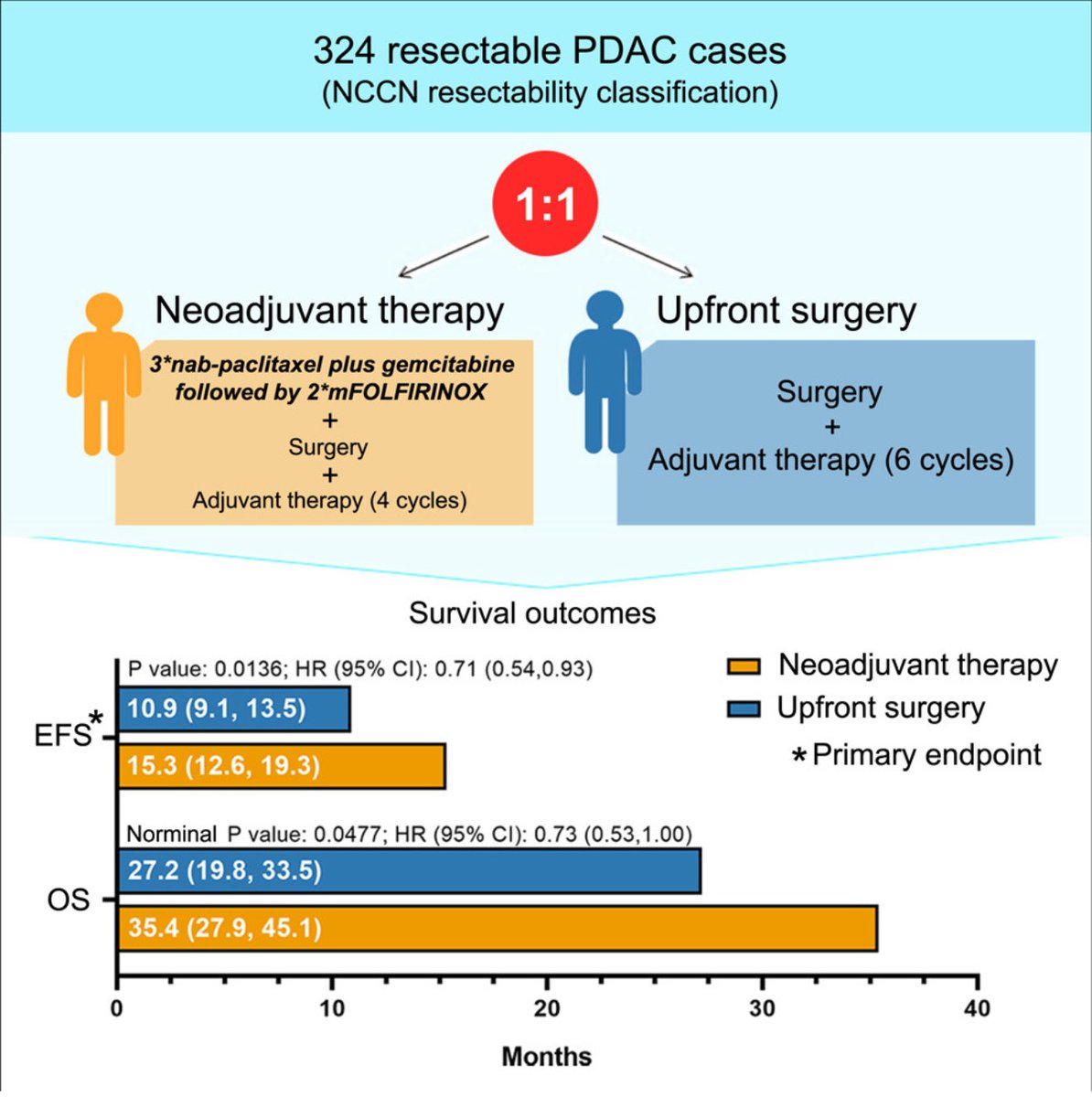
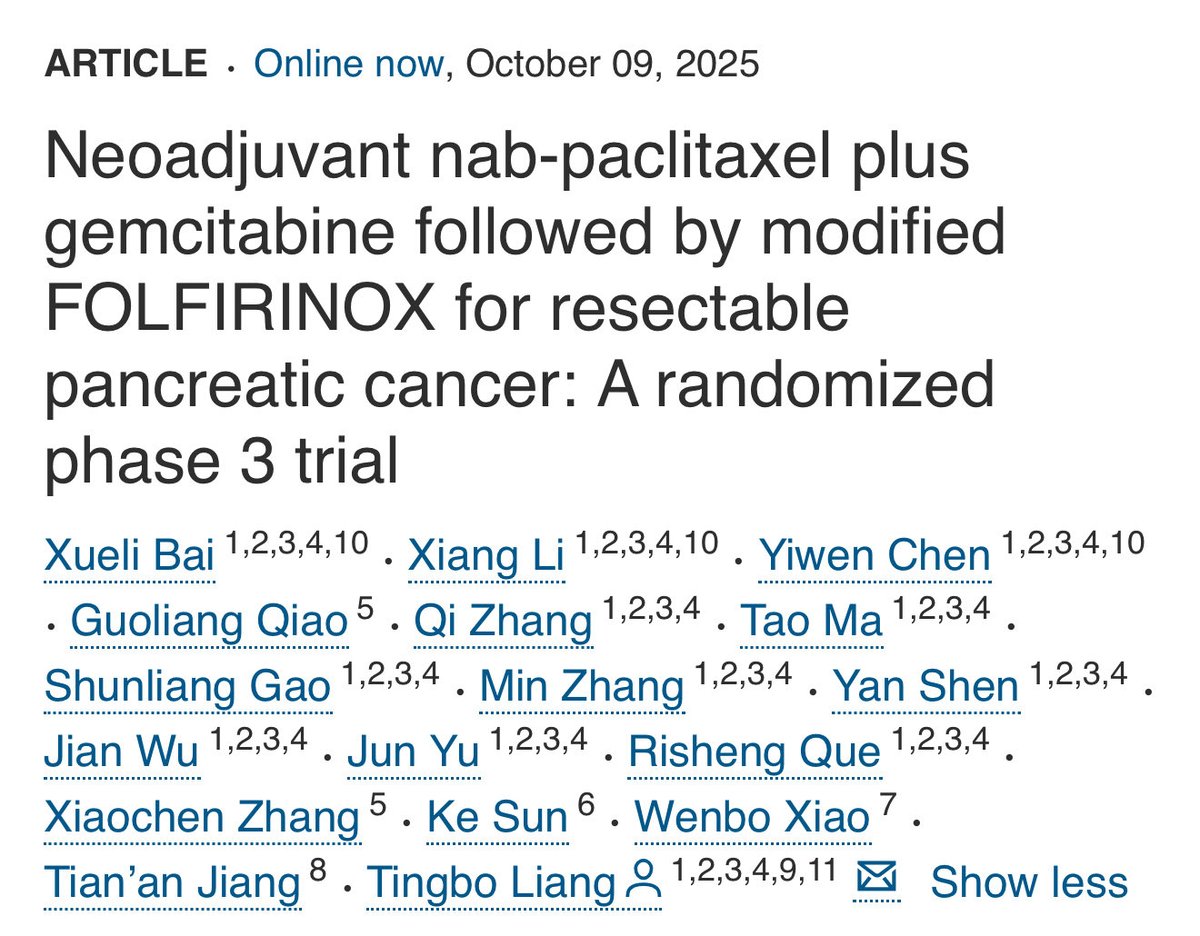
The kiss 💋 between nab-paclitaxel / gem and FOLFINIRNOX ?!
♥️ Neoadjuvant regimens combined in resectable
💉 RCT 324 pts vs. Upfront surgery median EFS 15 vs. 10 months?
🧐 Doubts about control group, but again in the direction of neoadjuvant to all!
https://t.co/YCkQKFTo9k
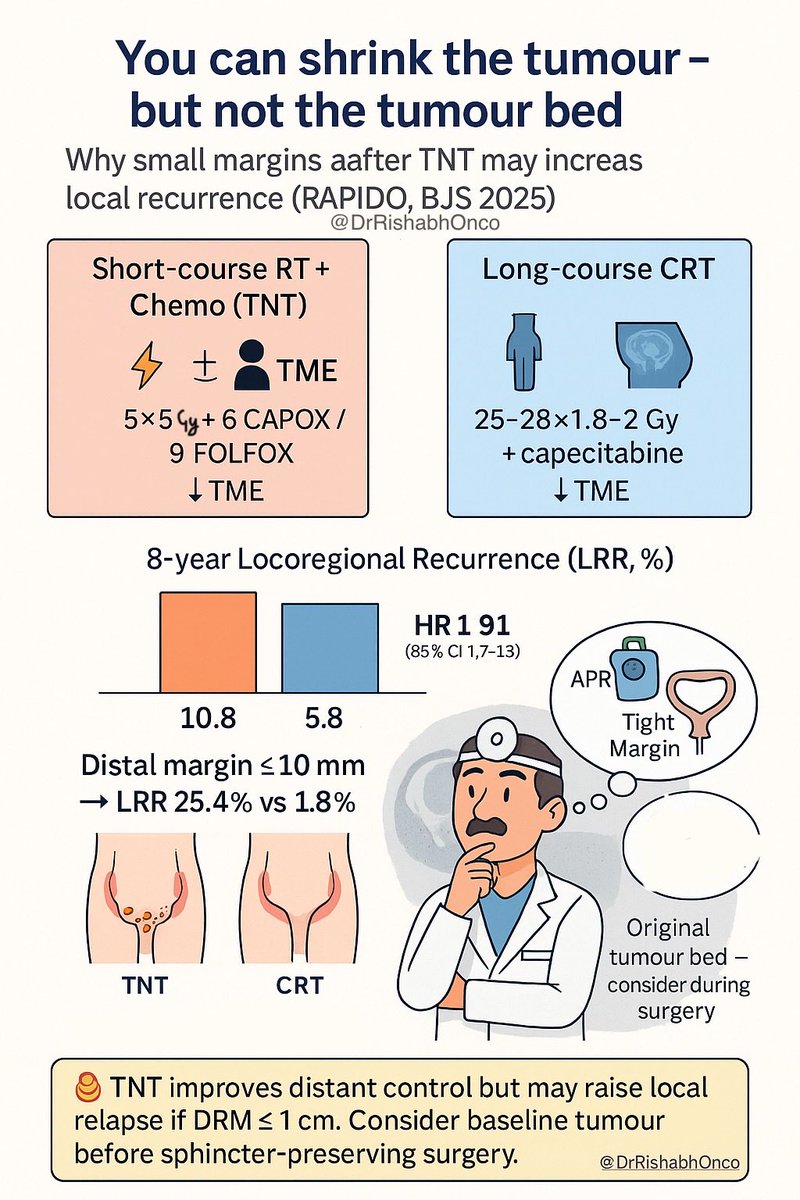
🧠 You can shrink the tumour—but not the tumour bed.
New RAPIDO analysis in BJS 2025 shows why small margins after TNT can turn dangerous 👇
💡 Trial: RAPIDO (n = 920, LARC)
🎯 TNT = 5×5 Gy + 6 CAPOX / 9 FOLFOX → TME
vs CRT = 25–28×1.8–2 Gy + capecitabine → TME
📊 8-year results:
• LRR 10.8% (TNT) vs 5.8% (CRT) → HR 1.91
• Spike seen only after sphincter-preserving surgery (SPS)
→ 12.1% (TNT) vs 4.8% (CRT) (HR 2.6)
• 🚨 If distal margin ≤ 10 mm → 25.4% (TNT) vs 1.8% (CRT) 💥 (HR 15.5)
🔍 Why?
TNT causes tumour shrinkage but leaves scattered viable cells in the original tumour bed.
✂️ Cutting “too close” (<1 cm) may slice through microscopic disease → higher local recurrence.
🇸🇪🇳🇱 Geography tells the story:
Sweden = more APR → no difference
Netherlands = more SPS & tight margins → higher TNT LRR
🩻 Takeaway:
TNT reduces distant mets ✅ but may raise local relapse if DRM ≤ 1 cm ⚠️
➡️ Surgeons must factor in baseline tumour bed, not just post-TNT shrinkage.
📖 Prata I et al. Br J Surg 2025
🔗 https://t.co/MqeM0xqH8i
#OncoTwitter #ColorectalCancer #RectalCancer #RadOnc #Surgery
@OncoAlert@esmo_open@BJSurgery@myESMO
🔬 Critical Evaluation of TNT in LARC
🔗 https://t.co/sLoLUmvHYZ
🧬 Review of RAPIDO, PRODIGE-23, POLISH II & STELLAR
💊 Small DFS gain · OS benefit uncertain · Added toxicity
📊 CRT remains standard; biomarkers needed for selection
#DraMartinezLago#GItumors
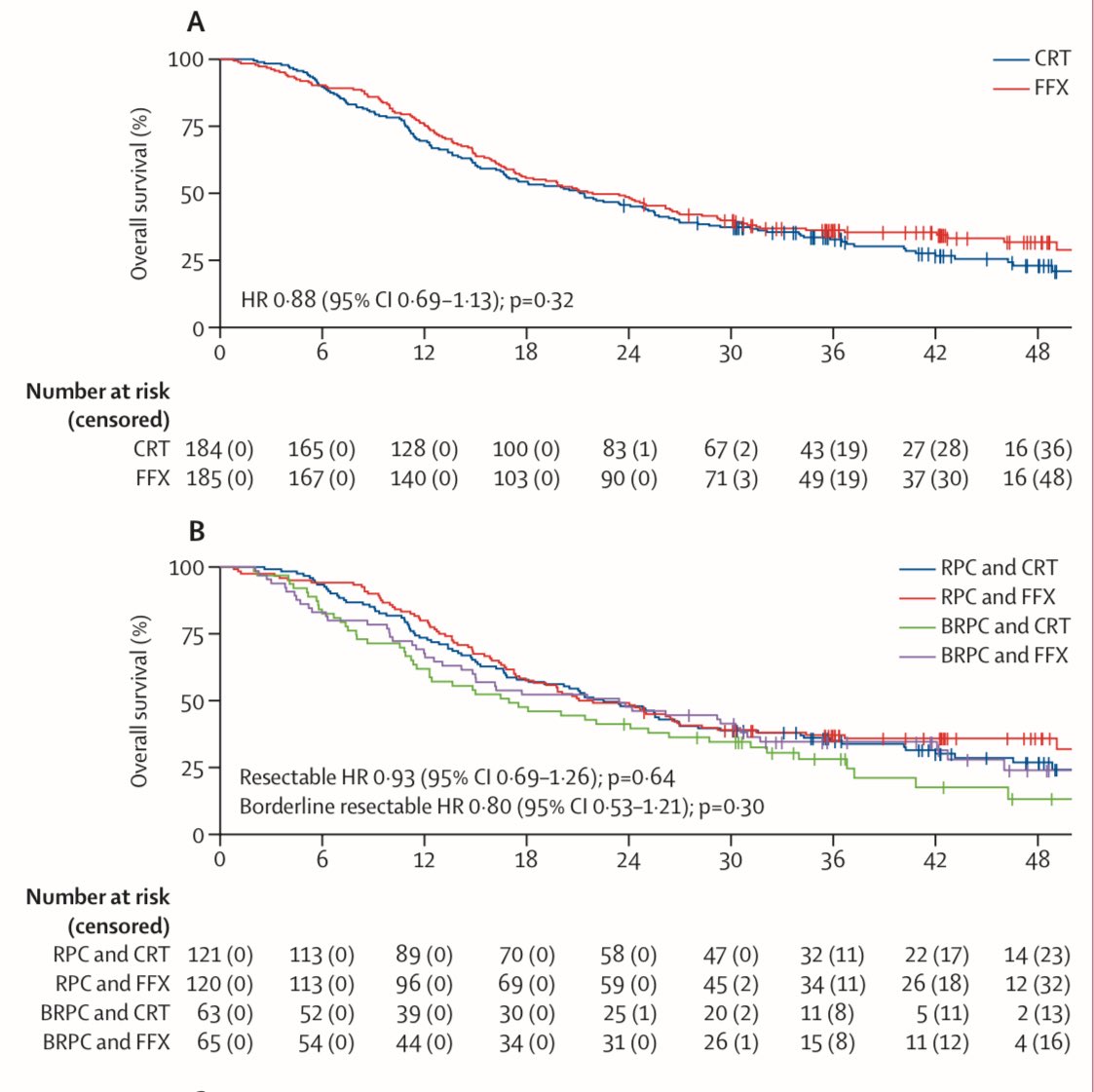
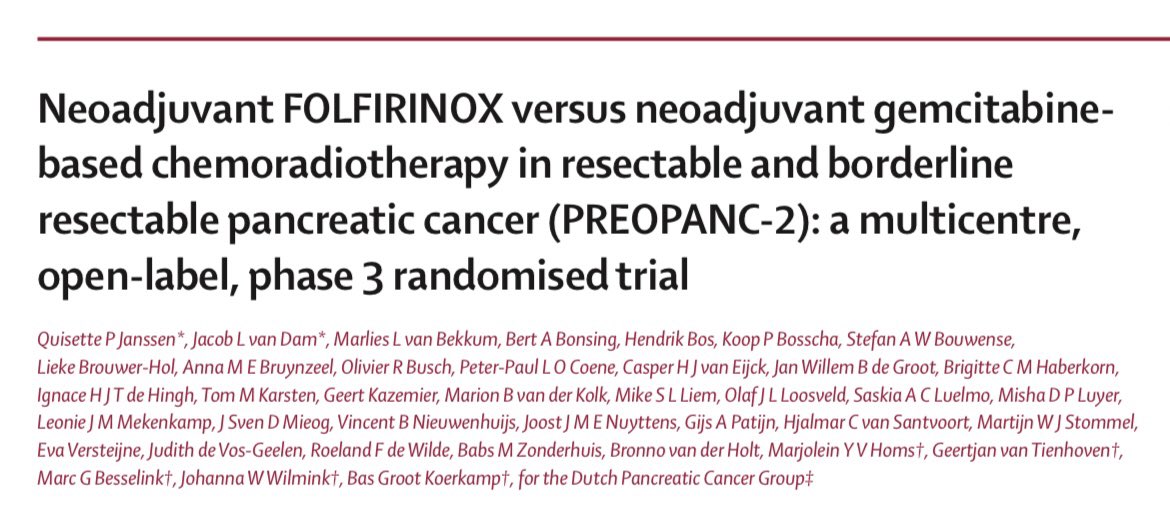
It’s out!!! 🔥🔥🔥 The PREOPANC-2 is in @TheLancetOncol
Neoadjuvant FOLFIRINOX 🤜🤛 Gemcitabine based chemoradiotherapy in resecatble / BR
⚖️ No difference in overall survival
😰 Serious adverse events 40%
👍 Both regimens may be considered
https://t.co/9nfnPUyhCR
First of 2 consensus statements coming out for #NPC. This one is an effort undertaken with most of the participants from #LMIC settings. Excellent inclusivity effort from @WarrenBacorro and team.
https://t.co/b8KBnquYgP
Neoadjuvant chemoradiotherapy followed by active surveillance versus standard surgery for oesophageal cancer (SANO trial)
💥OS after active surveillance was not inferior to standard surgery at 2 years
https://t.co/uq7mH21pUC
Sharing our work from @PeterMacRadOnc published @ClinOncology, reporting that neoadjuvant CRT can be clinically useful for highly selected colon cancers. Our results support the Zhang ph 3 study which showed efficacy of CRT for unresectable colon cancers.
https://t.co/EjdSPxN3wq