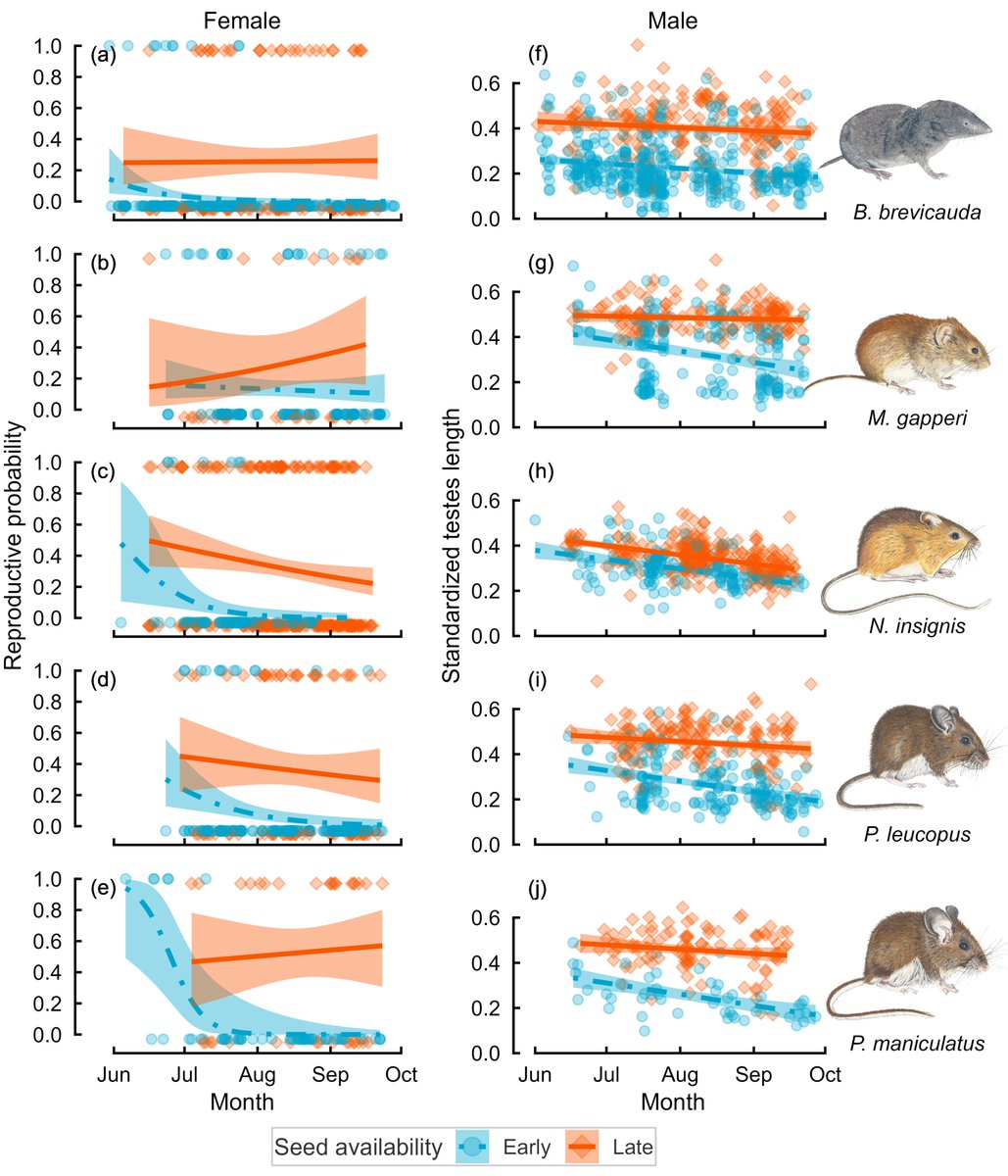
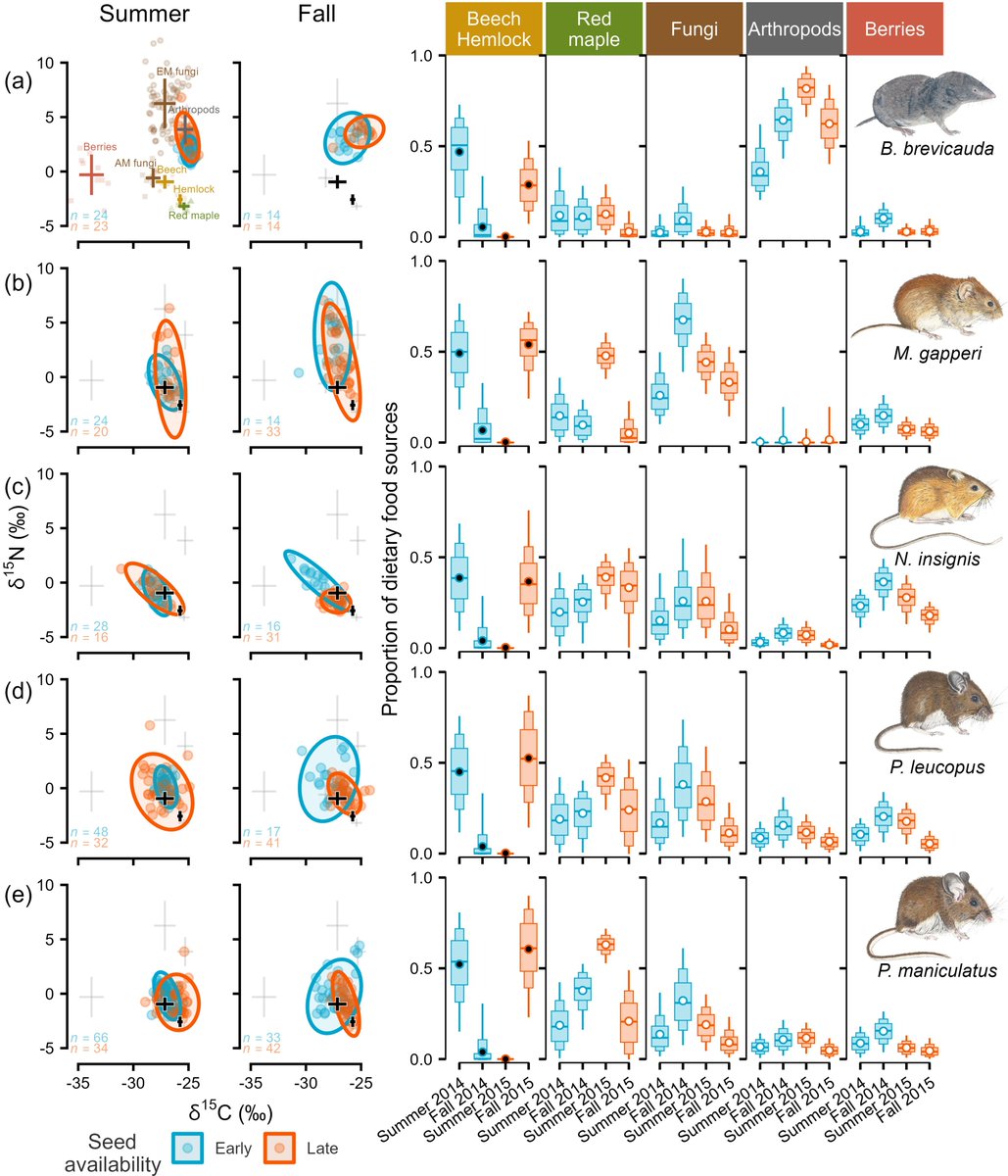
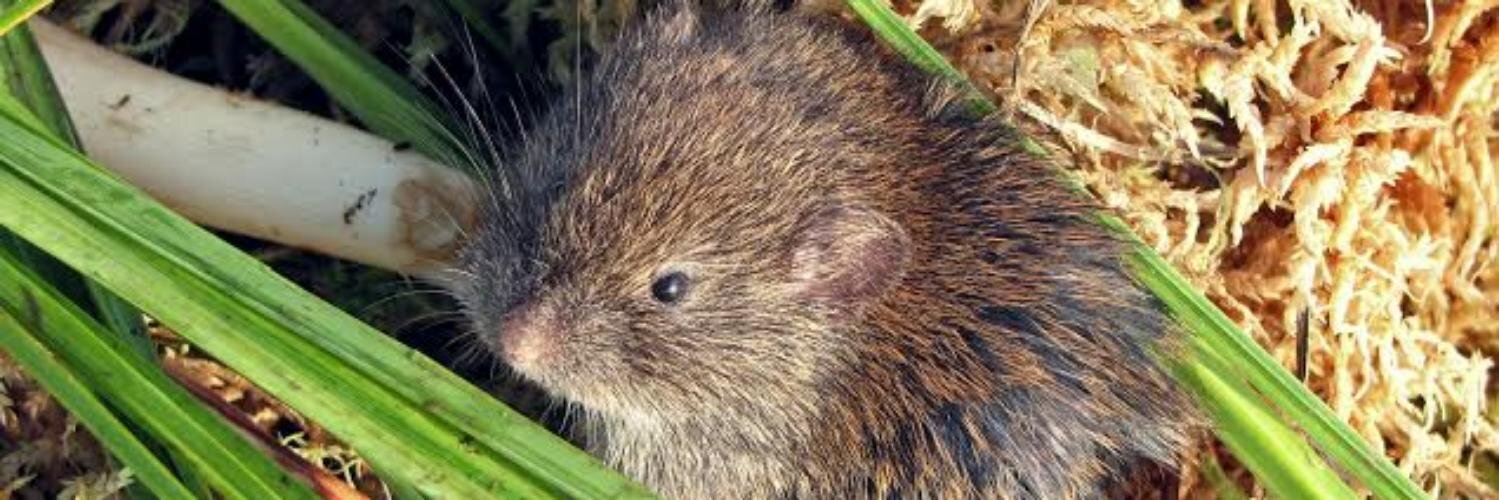
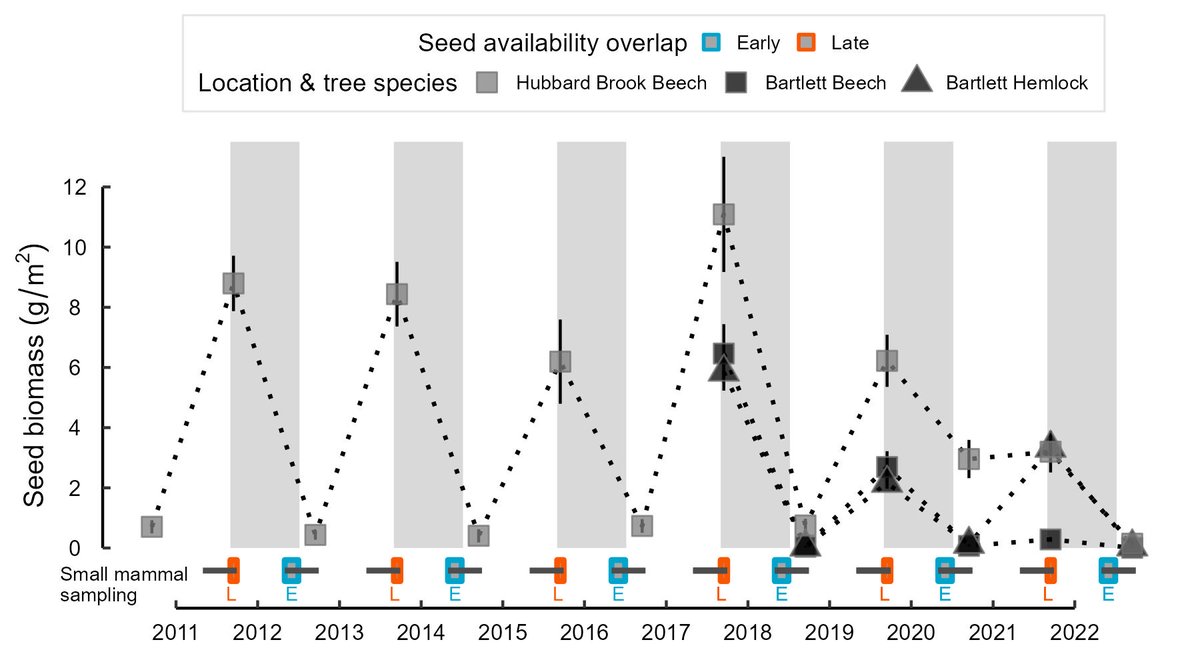
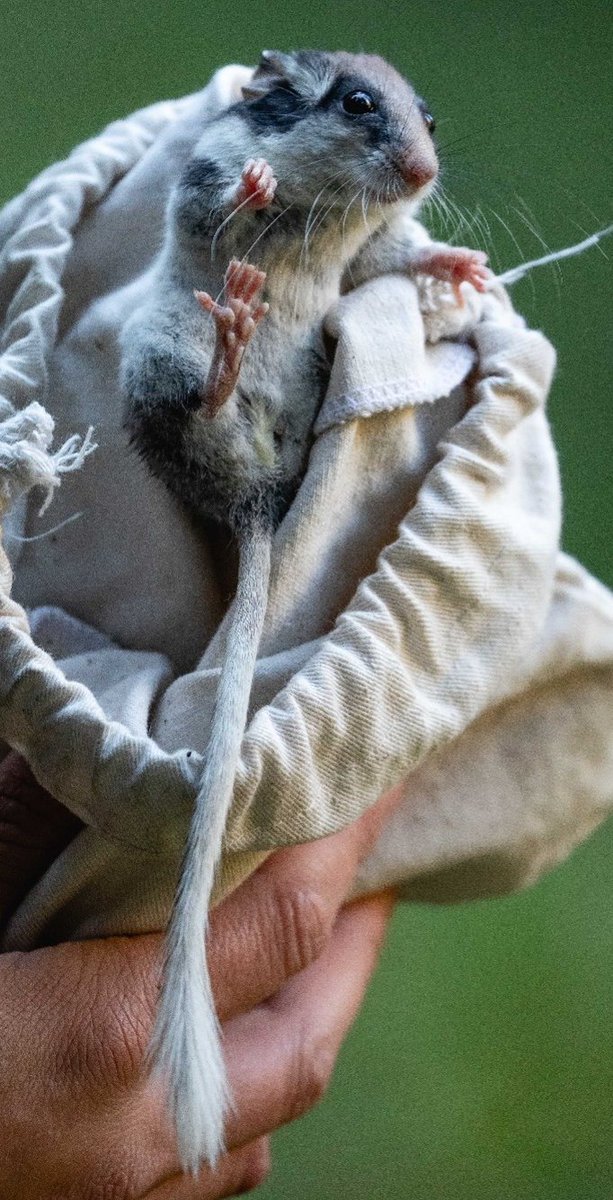
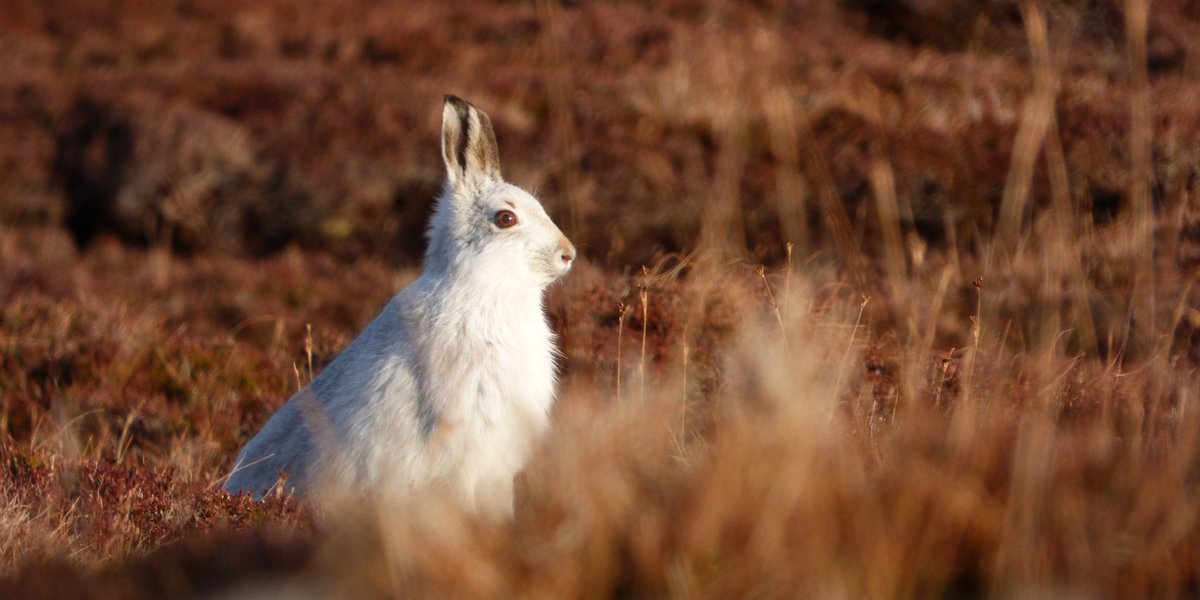
Out in @AnimalEcology, we investigate the influence of masting on timing of reproduction in small mammals using a 12-year dataset. Seed availability alters probability of reproduction for both sexes and can change timing of reproduction by over 2 months!
https://t.co/Yv2zYLBdHA
Research shows that carnivores play an important role in ecosystem function by providing a largely overlooked mechanism for long-distance dispersal of beneficial mycorrhizal fungi. https://t.co/TDwxEF1chu
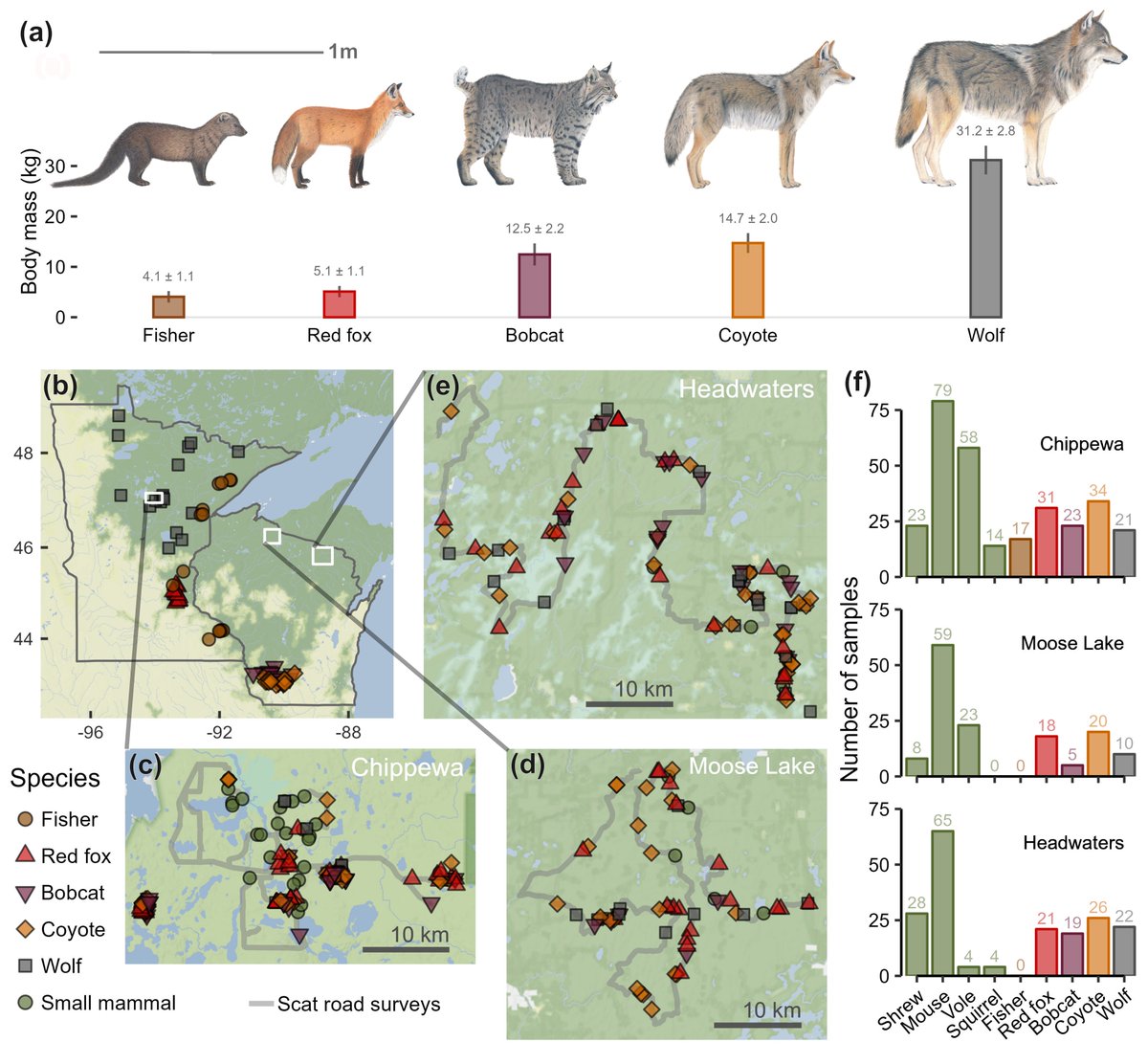
Out in @Ecology_Letters! We assessed the effectiveness of #carnivores as secondary dispersers of mycorrhizal #fungi. Larger carnivores deposited fewer spores but moved them farther, creating a continuum between the quantity & quality aspects of dispersal.
https://t.co/vESJ33gFWq
PHD STUDENT WANTED! ...to work in my project “How does animal-mediated seed dispersal affect range shifts of European beech in the Swiss Alps?”
All details provided in the link.
*funded by National Science Centre in Poland (Sonata)
https://t.co/iZTYJ5DCgQ
Outer space is harsh. Extreme temperatures and radiation can break down most materials, but a study on the International Space Station finds a biological molecule that holds its own: melanin derived from fungus. In PNAS: https://t.co/H7M7NN5lA9
Stable isotope analysis reveals individual variations in feeding habits among wild Japanese macaques - Funakawa - Ecological Research #stableisotopes https://t.co/Hcp4xaAHSp
Looking for wild owl scat and pellets. We are investigating secondary spore dispersal in owls and have some cool feeding trial results but would like to demonstrate that this is occurring in the wild. Looking for forest-dwelling species. Please reach out if want to collaborate.
Check out the new paper in Mycologia by Alassane Sow et al. - a collaboration by our lab and Greg Bonito's lab at MSU describing two edible North American truffles. @BenLemmond @JudVanWyk : https://t.co/DtltU6qlz3
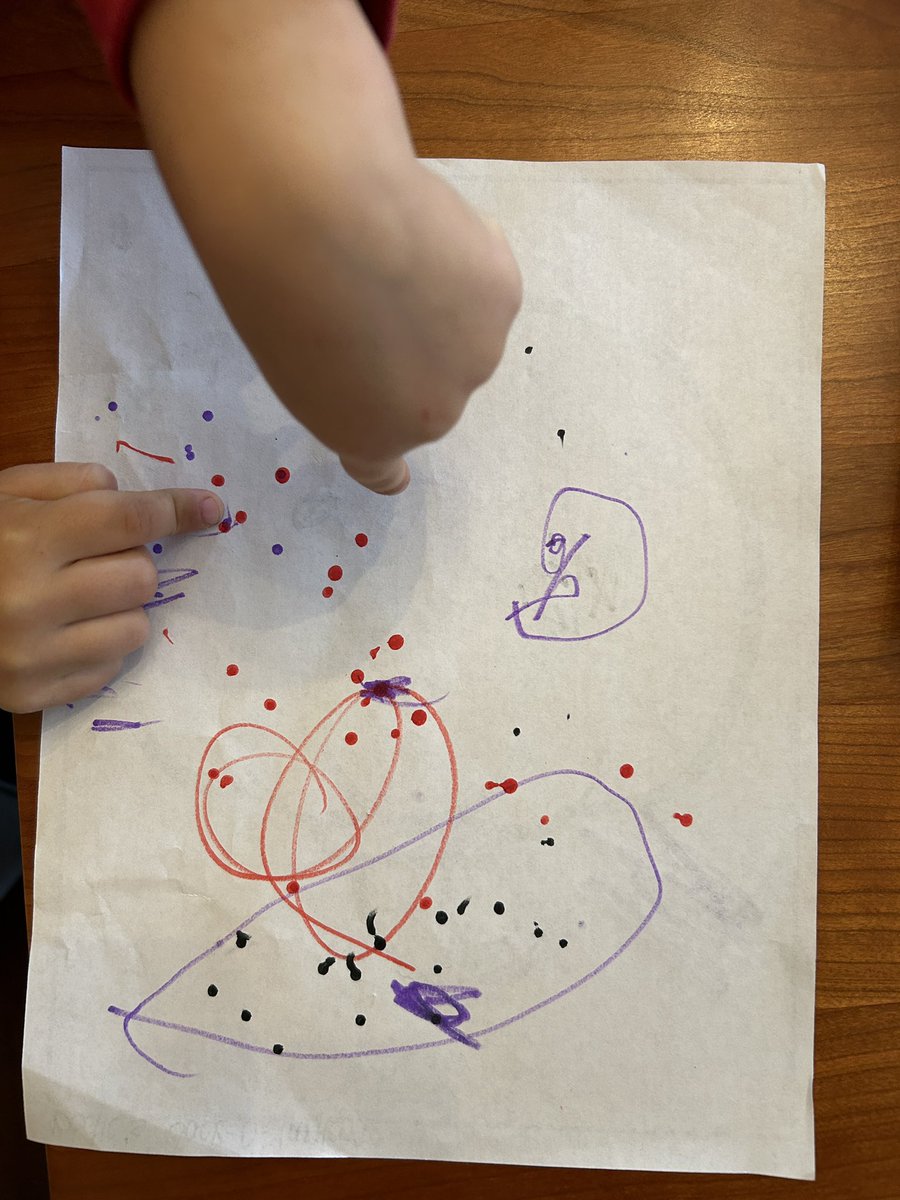
Asked if this was an NMDS ordination. Turns out it’s “small mammal poops”. Looks like we have an #ecologist in the making; although I wonder what his teachers think when he explains his drawings.
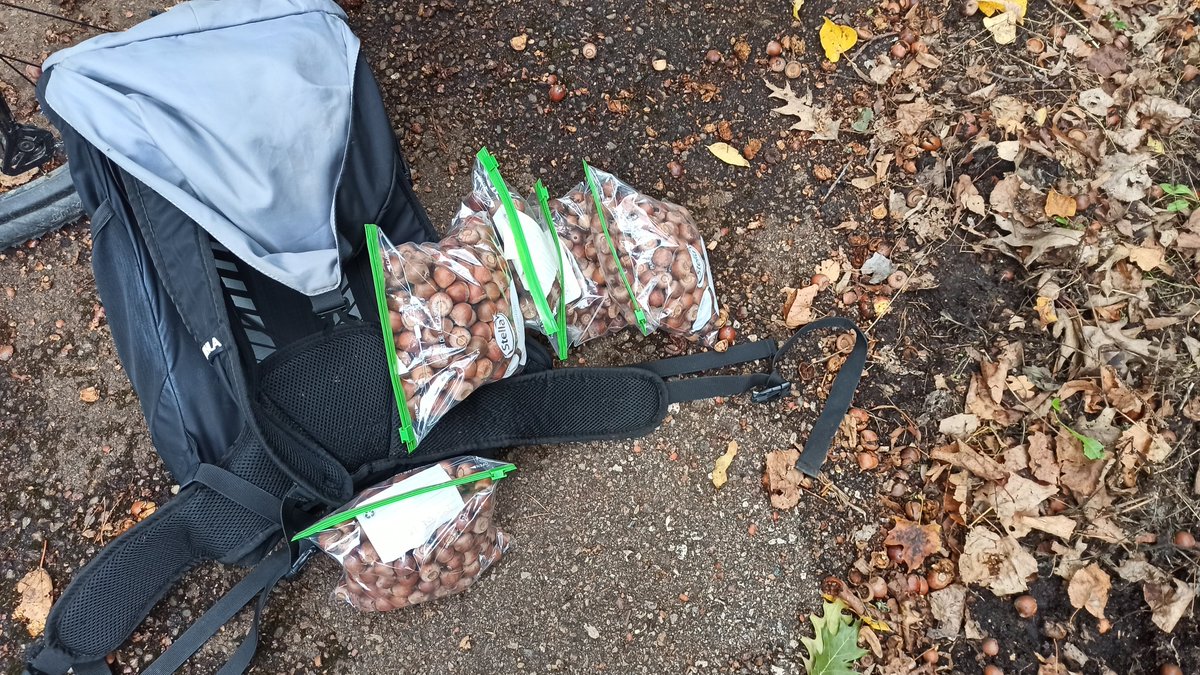
Autum is coming.
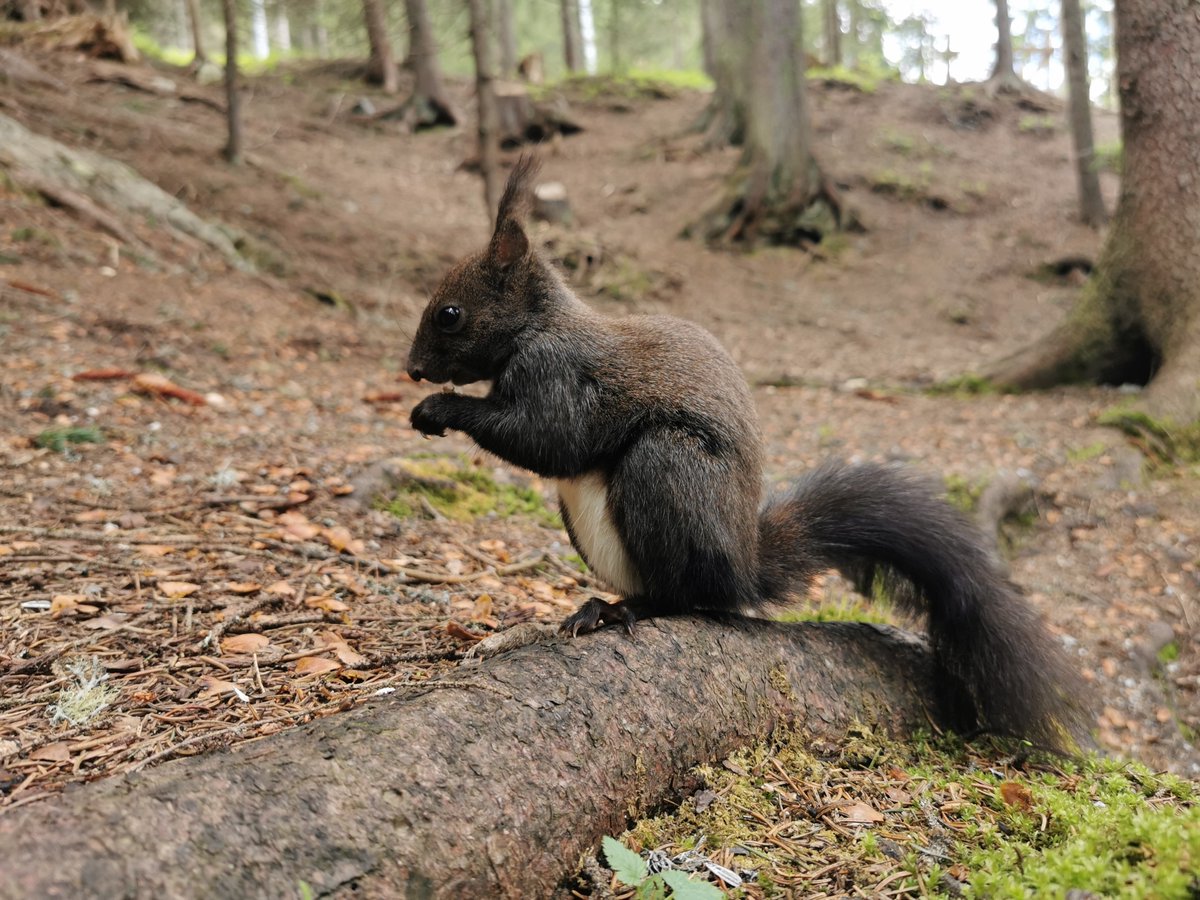
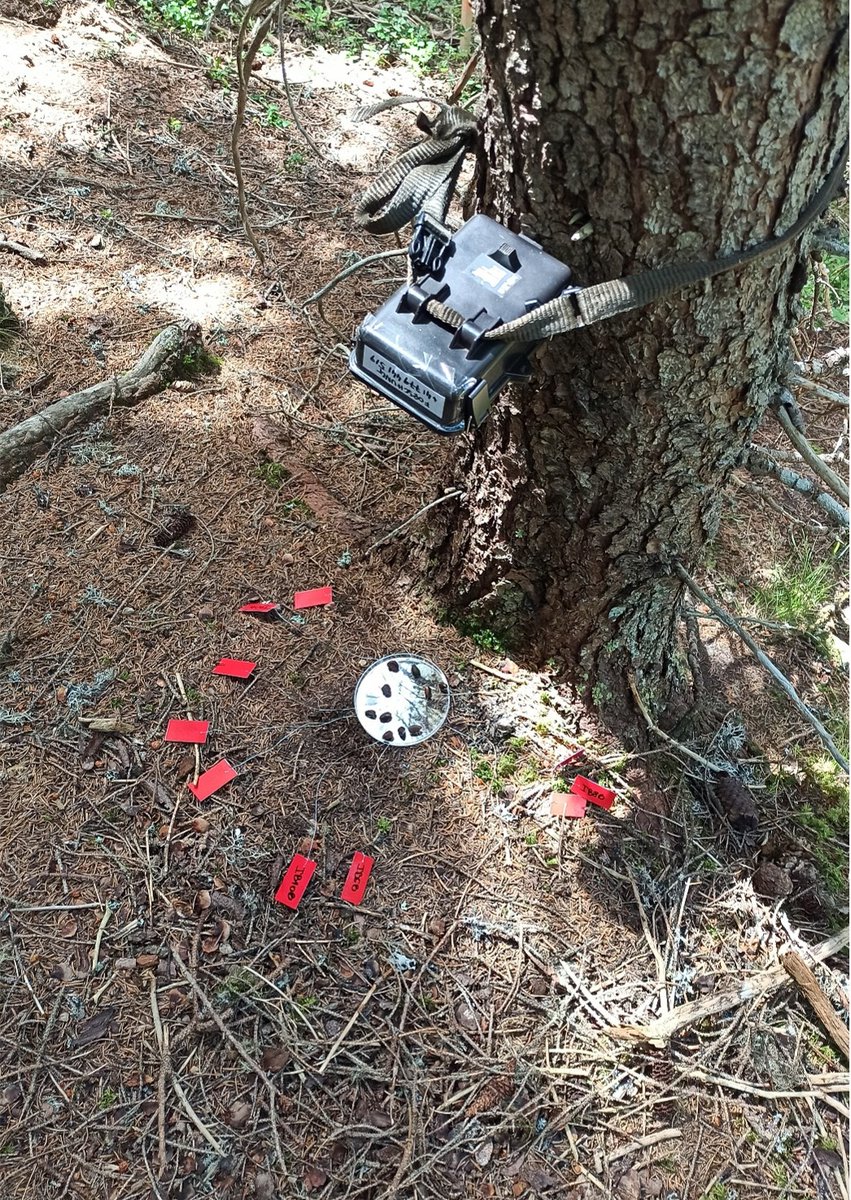
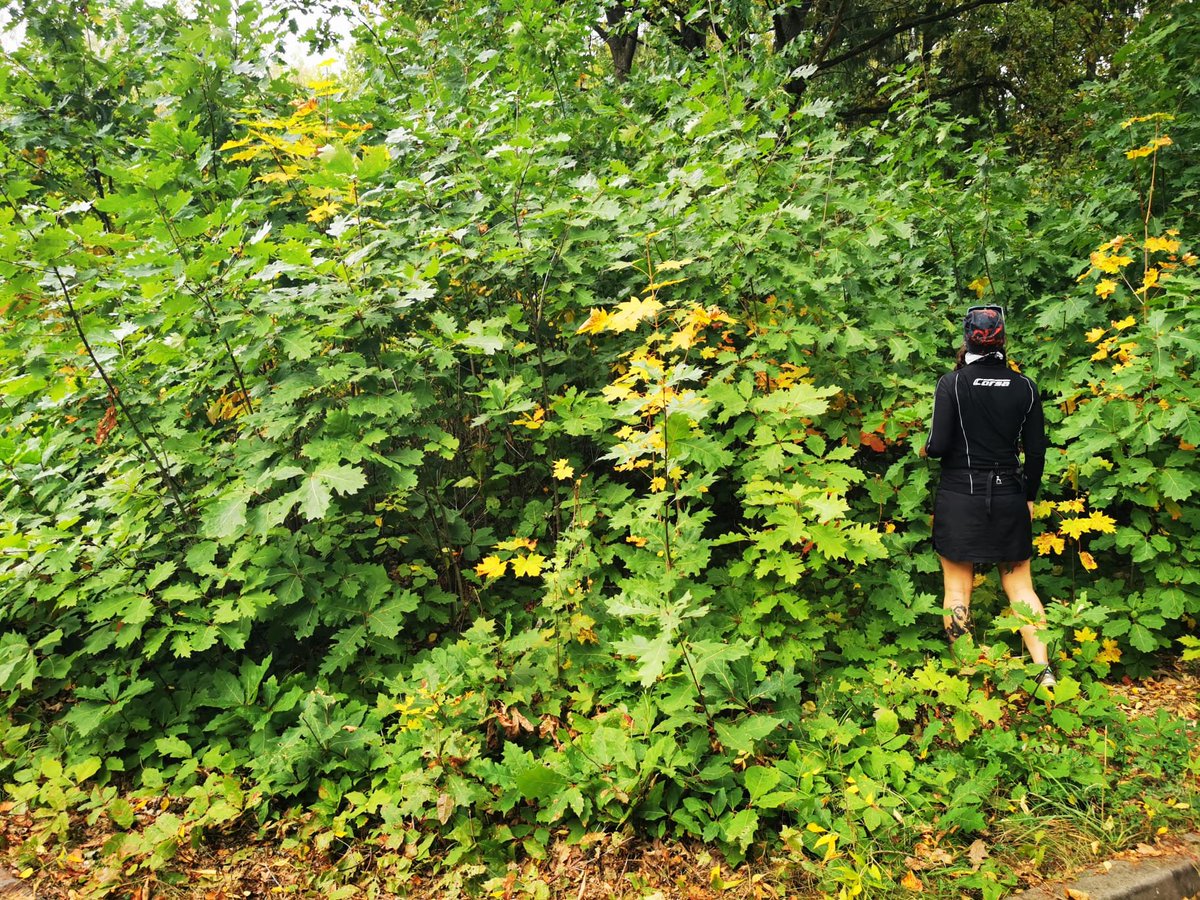
It's time to start tracking the fate of seeds dispersed by rodents. This season - invasive red oak (Quercus rubra) acorns.
I used seed tagging in several of my previous studies, e.g. https://t.co/d5pBMuRQ4L
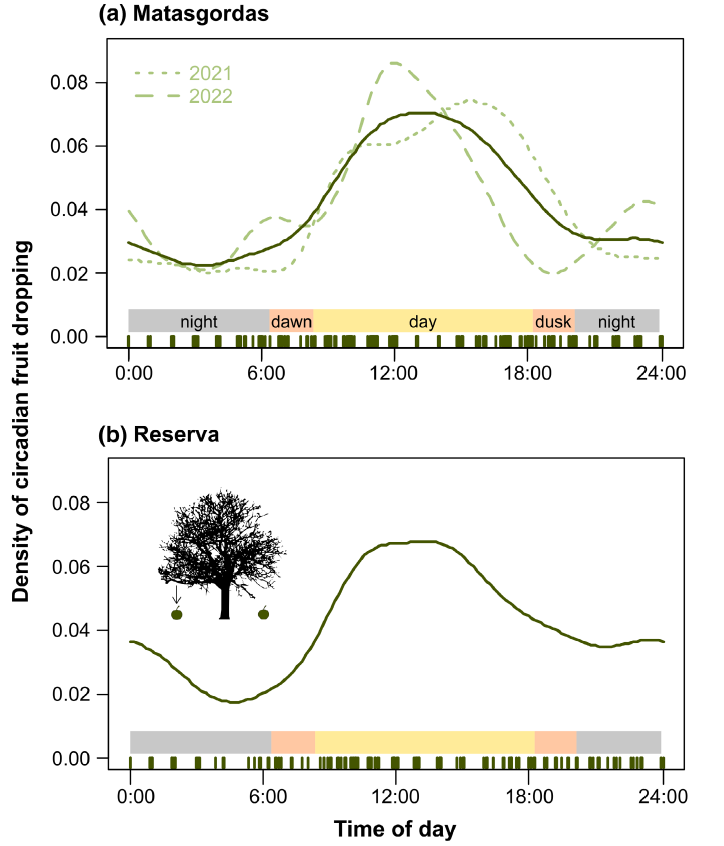
JUST PUBLISHED:
What time of the day do ripe fruits drop to the ground?
Who cares?
The answers in this intriguing work led by Pedro Garrote:
https://t.co/rvZlkzflM4
New & #OpenAccess in @ESAMonographs: The trophic cascade involving Yellowstone wolves, elk, and aspen is primarily driven by predator-induced reductions in elk density rather than changes in elk behavior
https://t.co/VeOLRUG6QJ
With #OpenData in @datadryad#NSFFunded@NSF
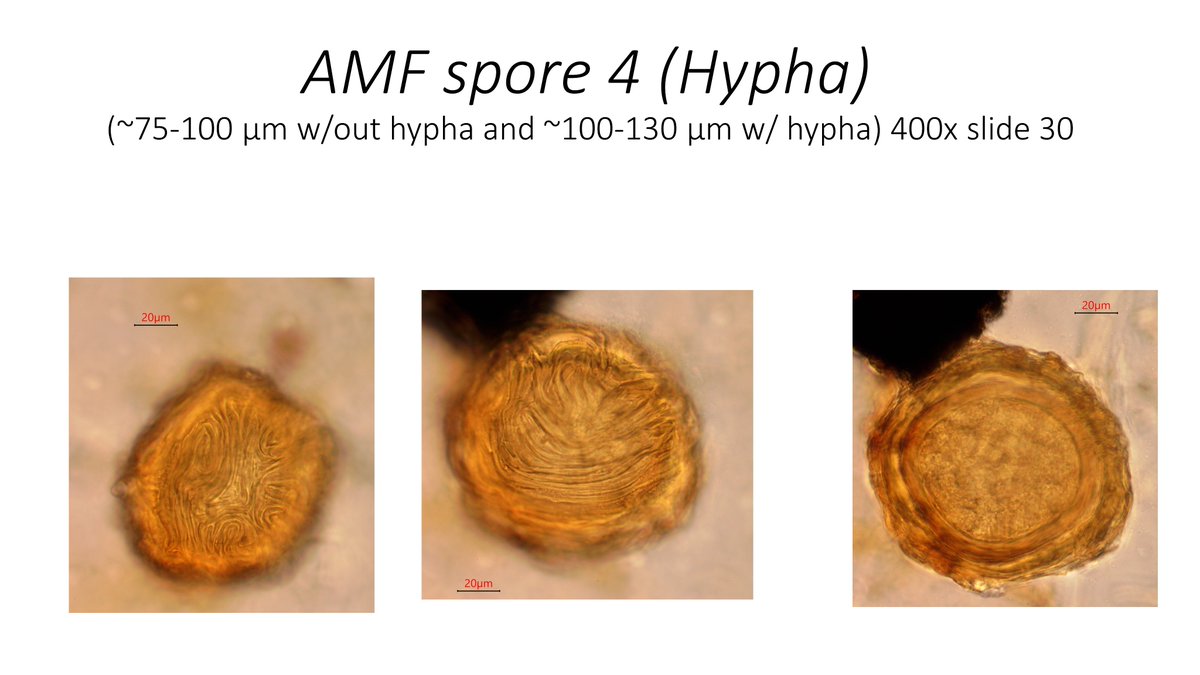
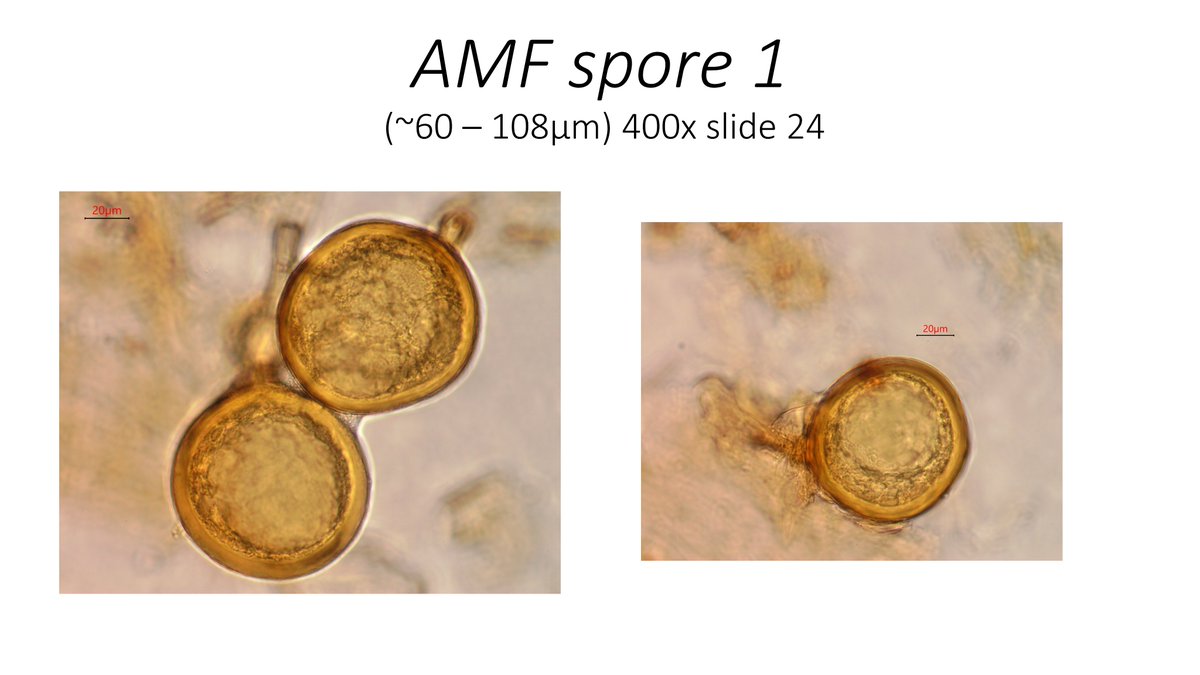
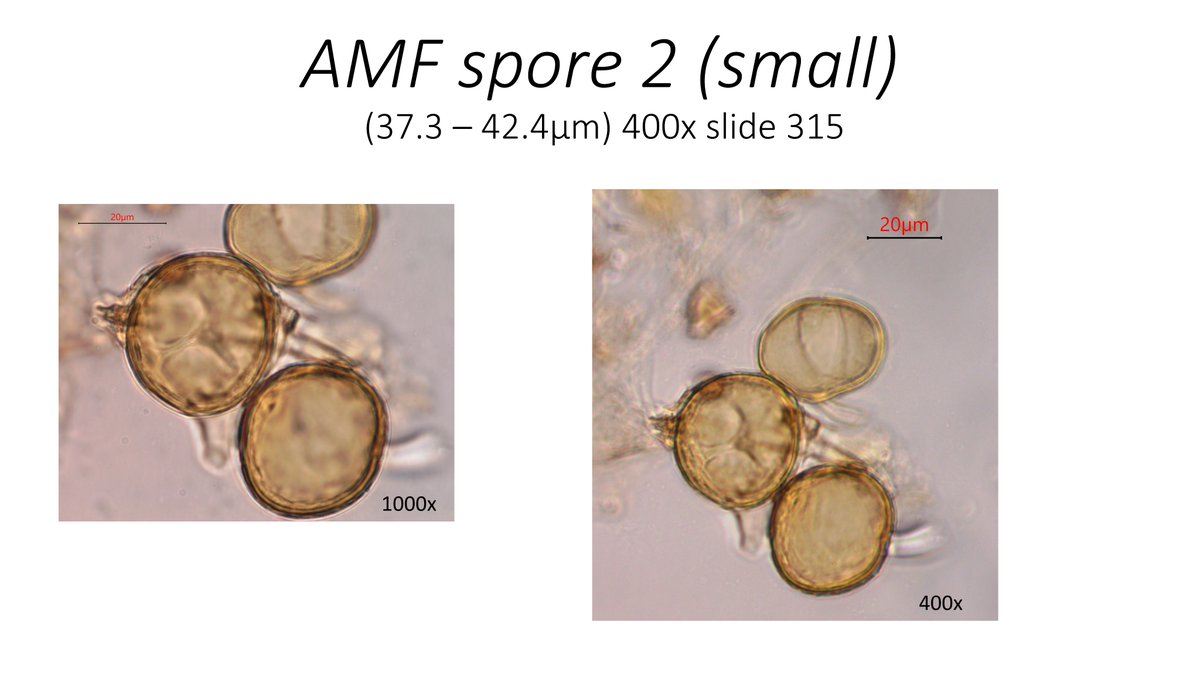
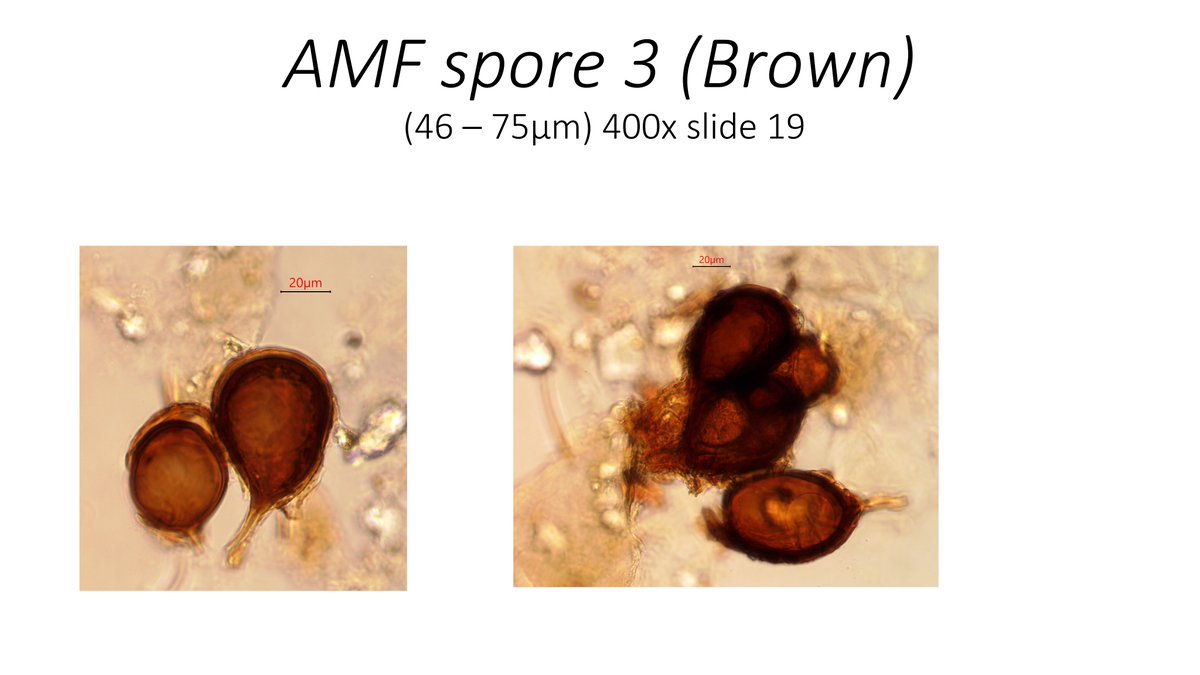
@SnehanjanaC Yes, these are filtered samples that I then viewed under a compound microscope. I think most of these images are at 400X total magnification.
I've found 9 AMF spore morphotypes in the scat of mammals and I'm wondering if anyone might be able to help me get to species, genus, or family level. Given that animals are eating them, many are likely sporocarpic species.