🚨 عاجل
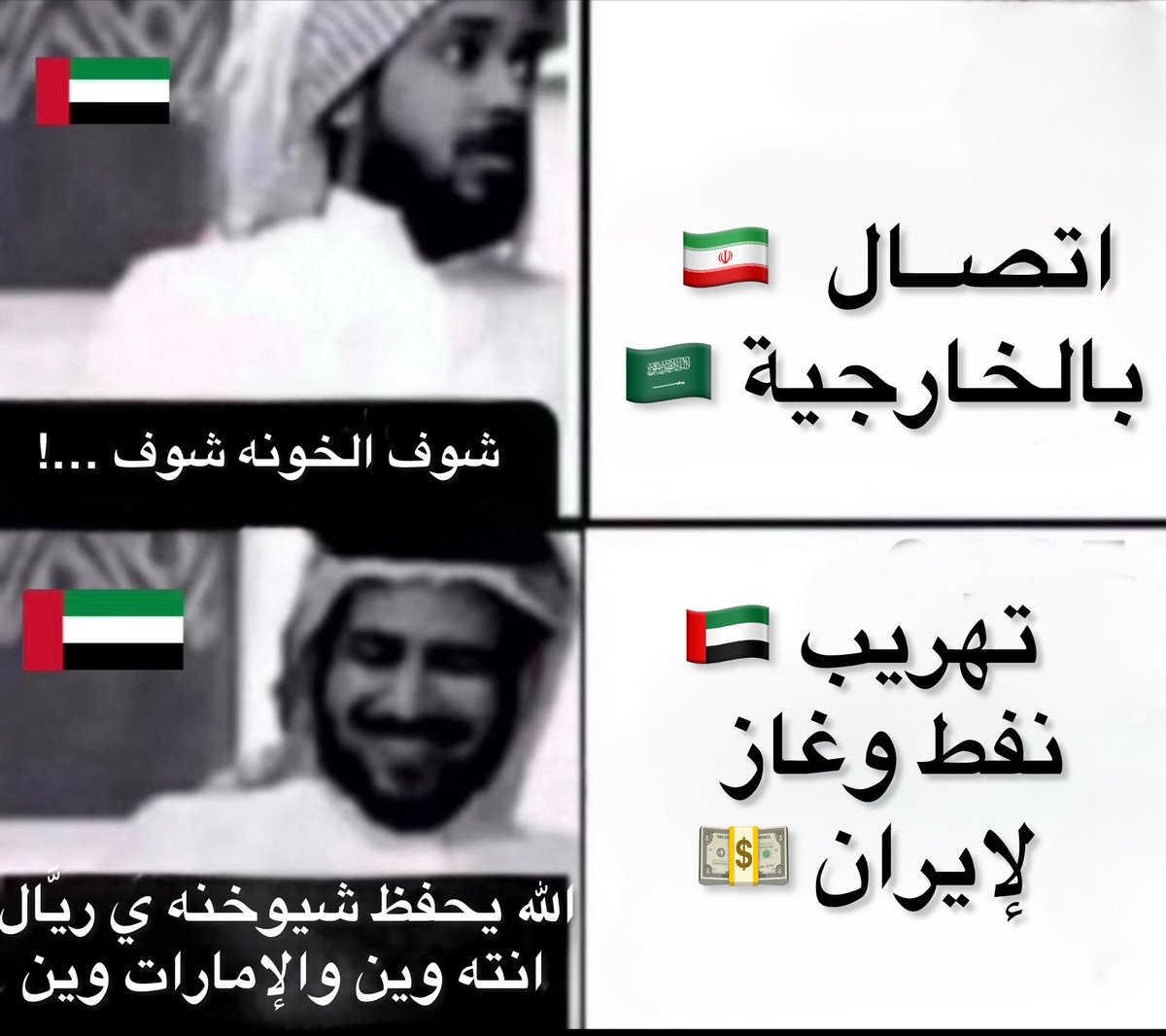
اليوم وبعد الغارات الإسرائيلية على إيران، وصل وفد من الإمارات إلى طهران والتقى بمسؤولي النظام الإيراني.
وأكد الوفد لطهران أن الإمارات لن تدعم أي عمليات عسكرية إسرائيلية أو أمريكية مستقبلية ضد إيران.
والزيارة تعكس قلق في أبوظبي من احتمال تجدد الهجمات الإيرانية على البنية التحتية الإماراتية.
شوفوا ياجماعة الخير البجاحة كيف يصف البلدان بالظلام
كيف يتطاول على دول وحكومات وشعوب المسلمين ويشيع عنه نفسه الكمال والسمو وعن الاخرين الدونية
انها عقدة النقص ياسادة نوع من المرض النفسى يصاب به بعض الرجال والنساء فى العالم أجمع، تختلف الأسباب من شخص إلى شخص، العامل المشترك بينهم عقدة النقص يصاب بها الإنسان فى الطفولة، يصاحبها الاحساس بالعظمة، التغطية اللاشعورية عن النقيض الاعجاب والكراهية وجهان لعملة واحدة، نحن نشعر بالإعجاب بشخص ما لأنه يملك ميزات لا نملكها، نشعر بالنقص فى وجوده فتغزونا الكراهية، قد يتحول الإعجاب إلى حب، نحن لا نحب إلا من نشعر أنه أفضل منا، إن بادلنا الحب بالحب عفونا عنه ، نكيل له الاتهامات وأبشع الصفات، قد نقتله بالرصاص فى الواقع أو فى الحلم، وجوده يؤلمنا ويؤرقنا، نفرح لفشله أو موته، أو كارثة تحل به وأولاده، إذا نجح وتألق أصابتنا غصة، يتجسد فشلنا أمامنا، تتضاءل صفاتنا بالنسبة لصفاته،تشتد عقدة النقص لديه، لا يداويها الا أن نكيل له الشتائم، يشيع عنه النقص أو الدونية، نشيع عن أنفسنا الكمال أو السمو، ندرك في أعماقنا أنه أفضل منا، نتعمد إنكار هذه الحقيقة بالوعى واللاوعى، نخدع أنفسنا والآخرين، لا نكف عن الكذب حتى نصدق أنفسنا ونستريح، راحة مزيفة، تقودنا إلى الإحساس بالتعب أو الأرق، نلجأ فى النهاية الطبيب النفسي او الانتحار وتعاطي المخدرات الطب النفسى يسمى ذلك الحيل اللاشعورية لتعويض النقص أو عمليات الدفاع اللاواعية عن الذات المجروحة أومحاولة الإزاحة كي نزيح عن كاهلنا ما نشعر به من نقص إلى شخص آخر، نتهمه بالنقائص، ونحكى عن أنفسنا حكايات مصنوعة تؤكد إخلاصنا لله والوطن، وما نتمتع به من إيمان وتقوى وشهامة وشجاعةوفي الحقيقة هم مرضى نفسيون
اولا اعتذر عن بعض الالفاظ قليلة الادب في هذا الفيديو
وهذا ان دل على شيء فانما يدل على دنائة هؤلاء الذين يدعون الشرف.
هذه هي اخلاق ابناء خنور
اسمعوا واترك الحكم لكم
ملاحظه
الفيديو🔞+
@Shamma_Dhaheri@dolahalkhalasi ماجاب شي من عنده وضاحي خلفان ثبت التهمة عليكم ومعترف بأنكم تجسسون على الناس في الفنادق روحوا حاسبوه وبالنسبة لرموزنا مابقى كلمة ماقلتوها عنهم بضاعتكم ردت لكم والإساءة للدول أنتم أول من بدأها لدرجة إن سفيركم بألمانيا كان يسيء للسعودية لو ببحث ماراح أتعب
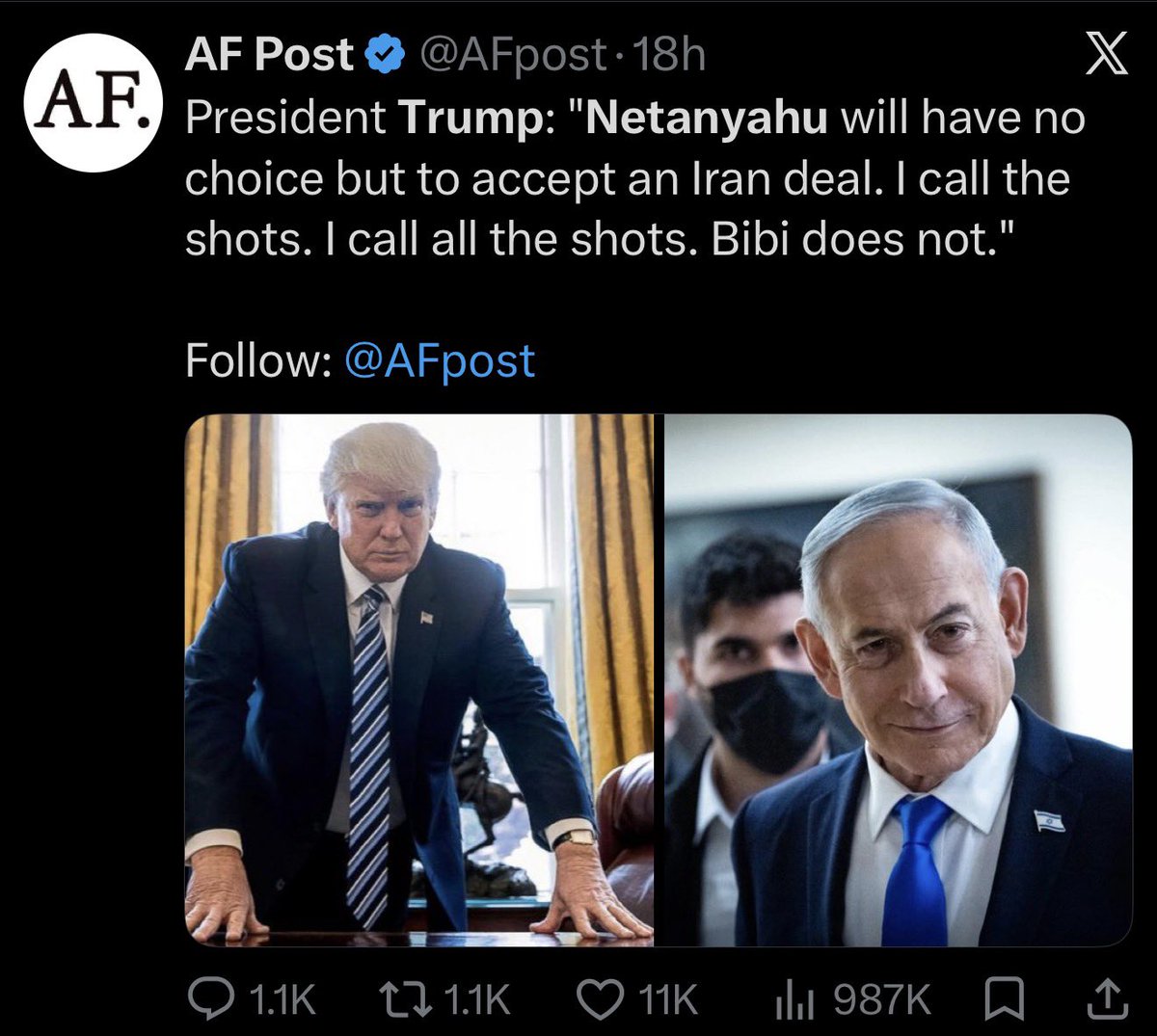
ترمپ في مناسبتين يتحدث عن إسرائيل ونتنياهو بلهجة غير معتادة، غاضبة، يقول في اتصال بينهما؛ "أنت مجنون، لولاي لكنت في السجن، أنا أنقذتك، الجميع يكرهك الآن ويكره إسرائيل".
ويقول كذلك: "نتنياهو لا خيار له إلا القبول بصفقة إيران، أنا من يتخذ القرارات وليس نتنياهو".
ترمپ ضاق ذرعاً من الحرب ومن تصرفات إسرائيل وهوسها بالحروب، ومن المرات القليلة التي تتعارض فيها مصالح أمريكا مع إسرائيل بهذا الوضوح، والرئيس القادم سواءً كان جمهورياً أو ديموقراطياً سيكون أسوأ بالنسبة لإسرائيل.
ولديك هنا صغار يلتصقون بإسرائيل ويربطون مصالحهم معها على حساب "أشقائهم" وبشكل أحمق ومراهق.
Seeing some tweets about how Iran has imposed a new deterrence equation on Israel and the region. That seems like a whole lot of motivated reasoning.
First, let's be clear about how much of a reversal this represents for Iran's strategic doctrine: instead of its Arab proxies protecting Iran from attack, Iran is now trying to bail them out—and inviting attacks on its own territory as a result.
Second, in four past rounds of fighting (going back to April 2024), Iran was unable to deter Israel because its missile barrages failed to cause strategic damage. It could not impose costs significant enough to change Israeli behavior.
Indeed, as @NicoleGrajewski and others have written, those attacks arguably invited further conflict rather than deterred it. The salvos overnight do not seem any different. Iran's act of "deterrence" wound up causing more damage to Iran than to the country it sought to deter.
The tools that have been more successful over the past few months—at compellence, rather than deterrence—have been the ones aimed at Gulf states and global energy markets. But to use those tools now (or in the future) risks collapsing the entire ceasefire.
The "equation" here relies on Donald Trump to restrain Israel. It doesn't seem viable at all in the long term, unless Iran is prepared to risk endless escalatory cycles that would ultimately be very damaging for Iran itself.
Every time anyone from Saudi or the Gulf posts their traditional attire/culture they get thousands of attacks. If it’s Southern Saudi dress it’s “actually Yemeni.” If it’s Northern it’s Levantine. If it’s Western it’s Egyptian. If it’s Eastern it’s Persian.
The ultimate conclusion is that Gulf Arabs are apparently not allowed to claim any culture or history if there is any similarity with anyone. As if shared traditions between neighboring societies is some rare phenomenon.
What’s interesting is that this standard applies nowhere else. Tea originated in China yet nobody argues it isn’t part of Indian culture. No one argues coffee is not part of Italian culture.
The fez is shared across multiple countries and nobody insists it can only belong to one of them. The kaftan exists from Morocco to Central Asia in countless local forms and nobody treats that as a problem.
But when it comes to the Gulf, every similarity is evidence that the culture belongs exclusively to someone else.
The underlying assumption is this: Gulf Arabs are only allowed the image of the poor Bedouin wandering the desert. There is no shame in that image, but nobody has the right to reduce an entire people to a single archetype.
Anything sophisticated, diverse, artistic or historically rich must have been borrowed from somebody else. The possibility that Gulf Arabs developed rich traditions of their own, shaped the cultures around them, or may even be the source of some shared regional traditions is treated as unthinkable.
اتمنى لهم الإفلاس و سوء الحال و لكل شركة بالسعودية تفضل الاجنبي على السعودي ايش مقصرين فيه الصيادلة السعوديين اللي ماليين البلد بإنحازاتهم ؟
ليش انت كتاجر تستقطب ناس من برا و تدفع غرامات بينما تقدر توظف مواطن براتب يرضيه و يرضيك
مهما حاولتم تجميل الصورة وافتعال مشهدية مصطنعة، سيبقى النظام الإيراني، في نظر أغلبية اللبنانيين، نظامًا معاديًا لسيادة لبنان ودولته.
ولن تنجحوا في إعادة اختلاق "وحدة المسار والمصير" السيء الذكر والذي لم يورث لبنان إلا السلاح والهيمنة والعزلة والخراب.
نخجل، كلبنانيين، أن يوضع علم لبنان إلى جانب علم نظامٍ يتدخل في بلادنا، ويفتك بسيادتنا عبر أدواته.
لبنان ليس ورقة في مشروعكم، وعلمه لا يُستخدم لتغطية جرائمكم بحقّه
بالرغم من نقدي الحاد لبعض شطحات الإعلامي #داؤود_الشريان خاصة في ظهوره التلفزيوني رفضاً لأسلوبه في الحوار مع ضيوف برنامجه واستخدامه لمفردات خارج النص المهني إلا إن ما تضمنه هذا المقطع يمثل المهنية الإعلامية التي يجب أن يتصف بها كل إعلامي وطني فتحية وسلام مربع لشخصه،،،
نجيب الذي يهاجم السعودية تصريحا وتلميحا منذ أشهر، يقدم مثالا واضحا على أن المال لا يغير معدن الشخص:
قد تصبح مليارديرا، لكنك تبقى كما أنت في الأصل: شحات.
"تكاليف الصيادلة الأجانب أقل من السعوديين"
دفعوا 27 مليون ريال فقط لتجديد الرخص و الرسوم و يقول أرخص من (الصيدلي السعودي)؛ هذا و حنا ما حسبنا التأمين الطبي و السكن و بدل النقل و تذاكر الطيران و المدارس العالمية لعياله !
- عز الله إن ”بلانا من ربعنا“
القوات التي تدافع عن الإمارات ؛ 🇦🇪
قوات أمريكية ، 🇺🇸
قوات صهيونية ، 🇮🇱
قوات كوريا الجنوبية ، 🇰🇷
قوات فرنسية ، 🇫🇷
قوات بريطانية ، 🇬🇧
قوات إسترالية ، 🇦🇺
قوات إيطالية ، 🇮🇹
قوات أوكرانية ، 🇺🇦
قوات مصرية ، 🇪🇬
ثم يأتون يتحدثون عن السيادة والشجاعة والشهامة ، قليلاً من الشرف ،، 🇦🇪
#السعودية_العظمى