Who defines what is “green”? Who decides what is “critical”? And critical for whom? 🌍
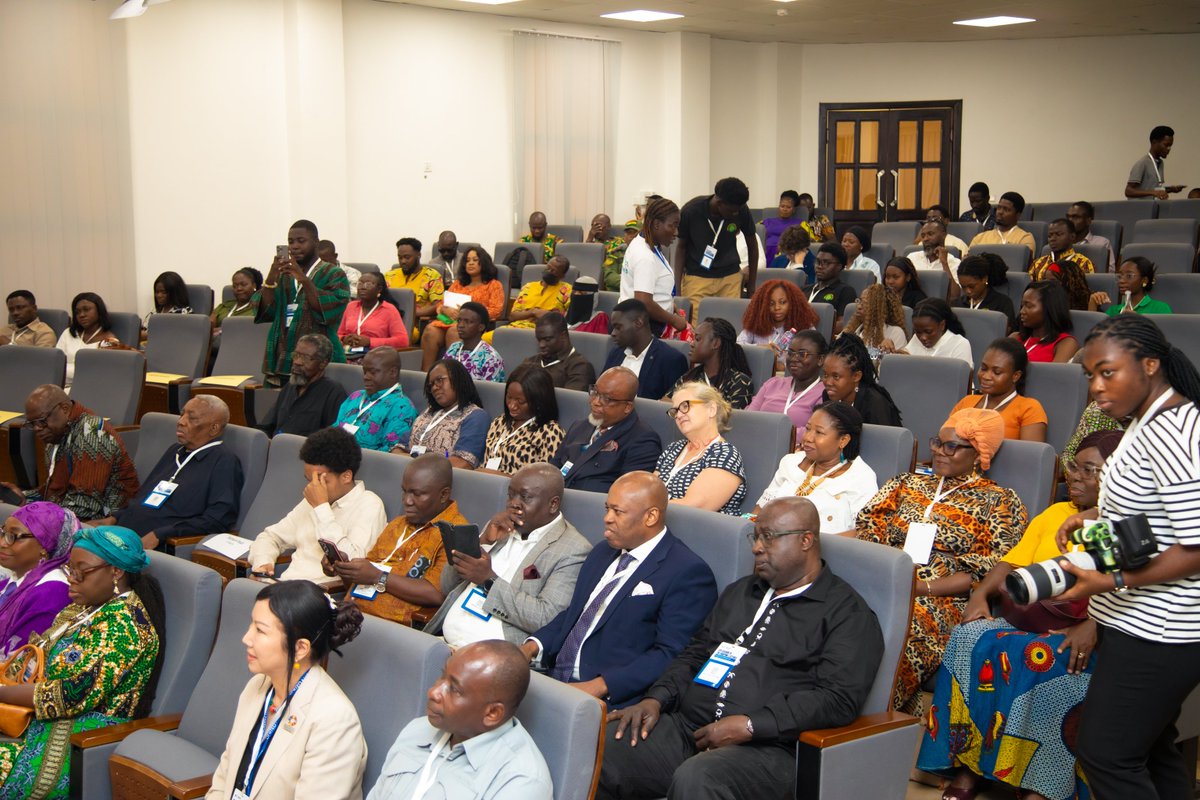
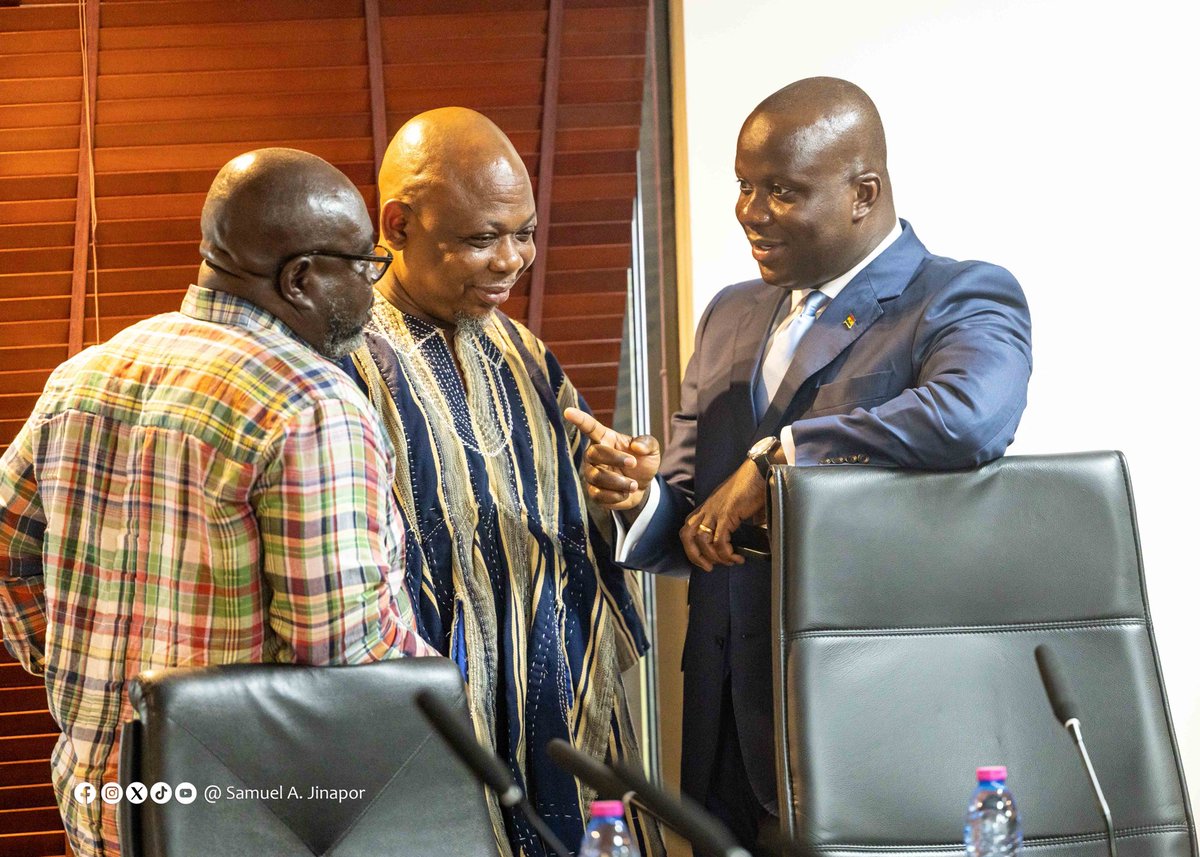
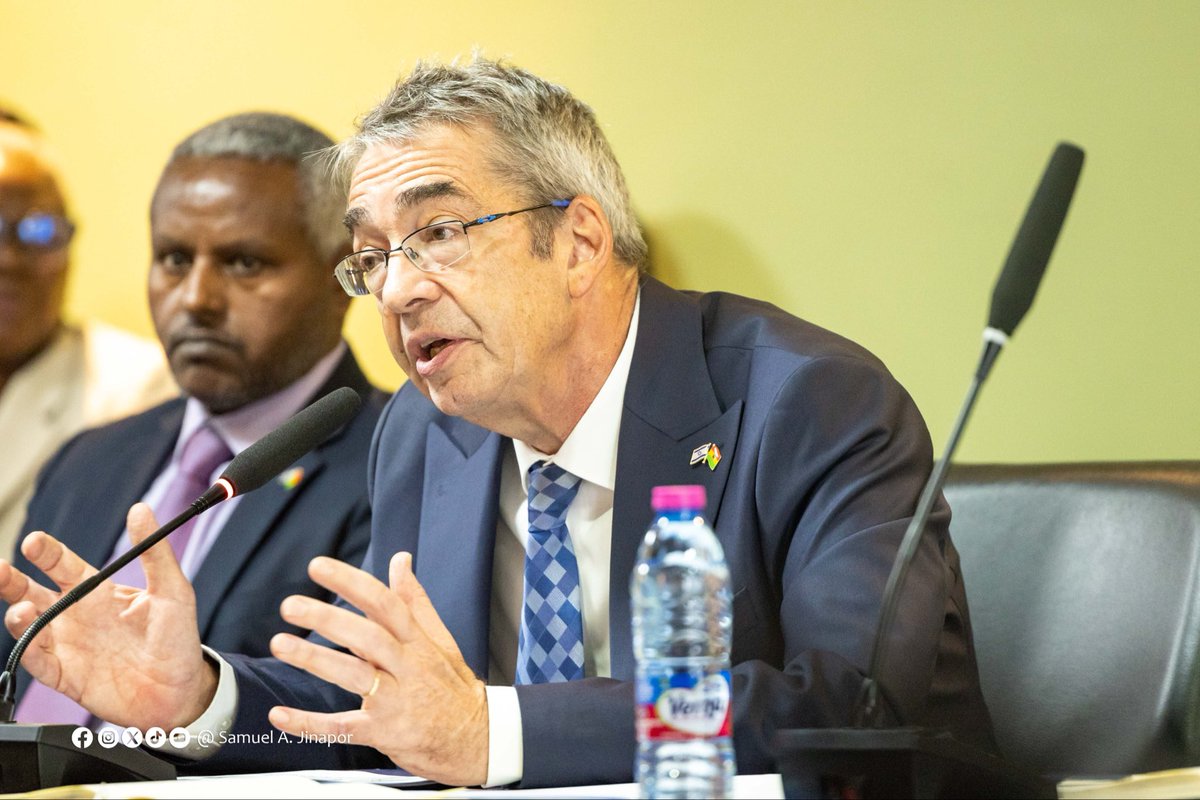
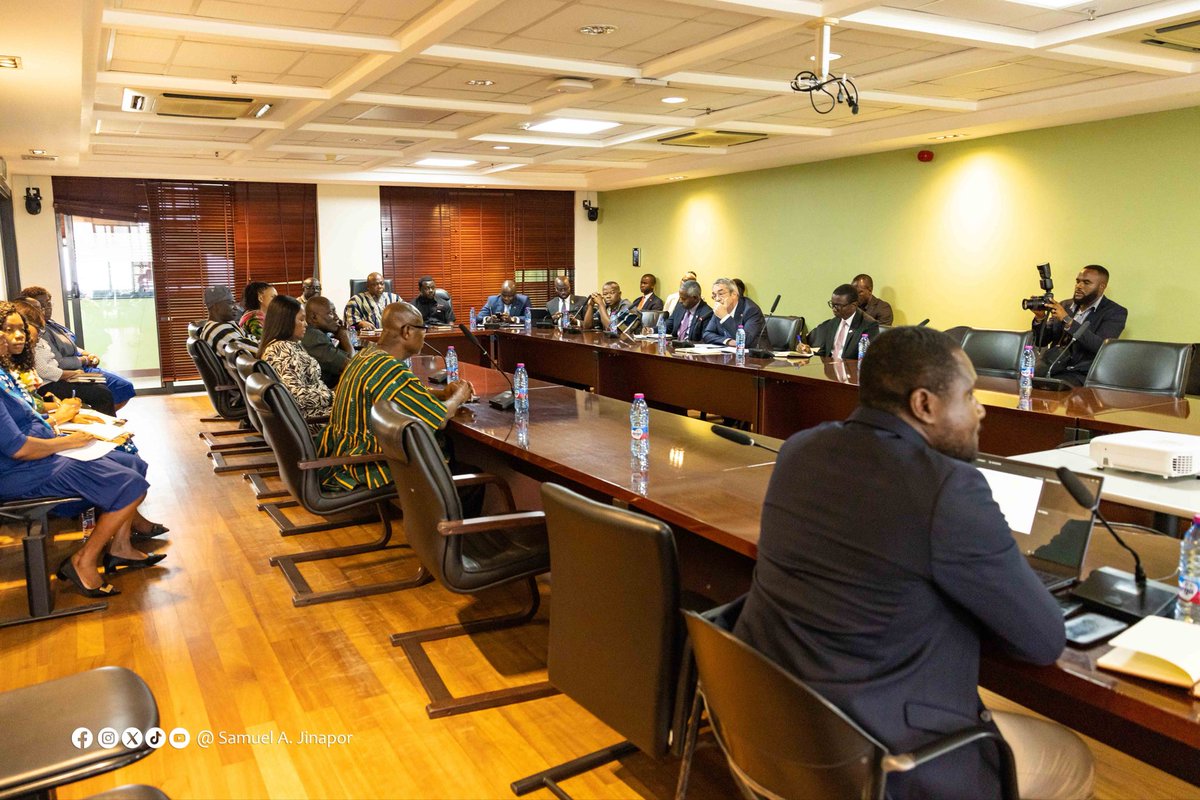
At the 8th Kwapong Lecture, Prof. @Fatima_Denton, Director of @UNUINRA challenged Africa to rethink the global green transition narrative.
Read the full story 👉: https://t.co/ReAURCz1qx
Africa has secured important progress by advancing health within the Global Goal on Adaptation framework. As discussions continue on indicators and implementation, we must ensure health metrics reflect African realities and vulnerabilities @IISD_SDGs@Amref_Worldwide@aantwib
The future of Ghana’s environment begins with its youth 🌱
In partnership with EcoGames Foundation, join us at the Nature Education Campaign as we inspire, educate, and empower the next generation of environmental stewards to take bold action for our planet.
Naada, myself and our family were honored to host Former President Akufo-Addo on the occasion of his 82nd birthday!
Great Ghanaian Patriot and President!!!
IMANI Alert: SIM Card Re-registration Exercise – A Decade and a Half of Policy Failure
IMANI is warning that Ghana’s planned 2026 SIM card re-registration exercise risks repeating over a decade of policy and technical failures, unless fundamentally redesigned.
In a detailed policy alert, IMANI highlights persistent issues across previous exercises, including data protection lapses, poor inter-agency coordination, procurement opacity, and flawed technology choices.
The analysis reveals that past exercises led to over 9 million SIM deactivations and froze more than GH₵200 million in mobile money transactions, raising serious concerns about legality and economic disruption.
IMANI identifies key recurring failures:
🔸 Lack of integration between NCA and NIA systems.
🔸 Biometric incompatibility and unusable data collection.
🔸 Weak data custody and absence of audit frameworks.
🔸 Procurement-driven policy cycles (“katanomics”).
“When procurement drives policy, the system optimises for contracts rather than outcomes.”
Crucially, IMANI argues that a blanket re-registration is unnecessary, given that about 80% of SIMs are already linked to Ghana Card data, making this a verification problem, not a re-collection exercise.
Instead, IMANI proposes a targeted ‘verify-and-forget’ model, where:
🔸 Telcos submit identifiers for verification.
🔸 NIA confirms identity with a simple yes/no response.
🔸 Biometric data remains exclusively under NIA custody.
🔸 Re-registration applies only to the unresolved 20%.
IMANI is also calling for strong legal safeguards, including data minimisation, audit logs, user control, and full transparency in procurement processes.
Read the full alert on our website:
🔗 https://t.co/t8St3ZK8T9
#IMANIvoices
#DigitalPolicy
#GhanaEconomy
#DataProtection
#Governance
#PublicPolicy
On Wednesday, 11 March 2026, together with colleagues on Parliaments Committees on Foreign Affairs and Defence and Intelligence we engaged with H.E. Roey Gilad, Ambassador of Israel to Ghana.
We discussed matters relating to the ongoing Middle East unrest.
During the engagement, we conveyed our grave concern regarding the recent missile strike on a base of the United Nations Interim Force in Lebanon (UNIFIL) in southern Lebanon, which left two Ghanaian peacekeepers critically injured and caused significant damage to the facility. We emphasized that attacks against United Nations peacekeepers are inconsistent with established principles of international humanitarian law and may amount to a war crime.
Ghanaian soldiers deployed under the mandate of the United Nations have, over the years, earned global respect for their discipline, and unwavering commitment to the cause of peace. These men and women serve in difficult and often dangerous environments, not as combatants in ongoing conflicts but as peacekeepers tasked with helping to maintain stability and protect civilian populations.
The Minority therefore called for a full and comprehensive investigation into the incident to establish the facts and ensure that those responsible are identified and held accountable. It is equally important that stronger security arrangements are put in place around peacekeeping operations in Lebanon to guarantee the safety of all peacekeepers.
In light of this incident, the Minority called for a full, independent, and transparent investigation to establish the facts and ensure that those responsible are identified and held accountable. We also stressed the urgent need for stronger protective measures around peacekeeping installations in Lebanon to guarantee the safety of all personnel serving under United Nations mandates.
Beyond the legal and security implications, it is also important to remember that every Ghanaian peacekeeper serving abroad has loved ones back home; parents, spouses, children, and families who depend on them and pray daily for their safe return. As a nation, we have a duty to stand firmly behind our troops and to insist that their safety, welfare, and dignity remain paramount wherever they serve.
I also took the opportunity to commend our gallant men and women serving in peacekeeping missions across the world for their courage, professionalism, and unwavering dedication to duty. Ghana is immensely proud of their service to humanity and will continue to support their efforts in the pursuit of global peace and stability.
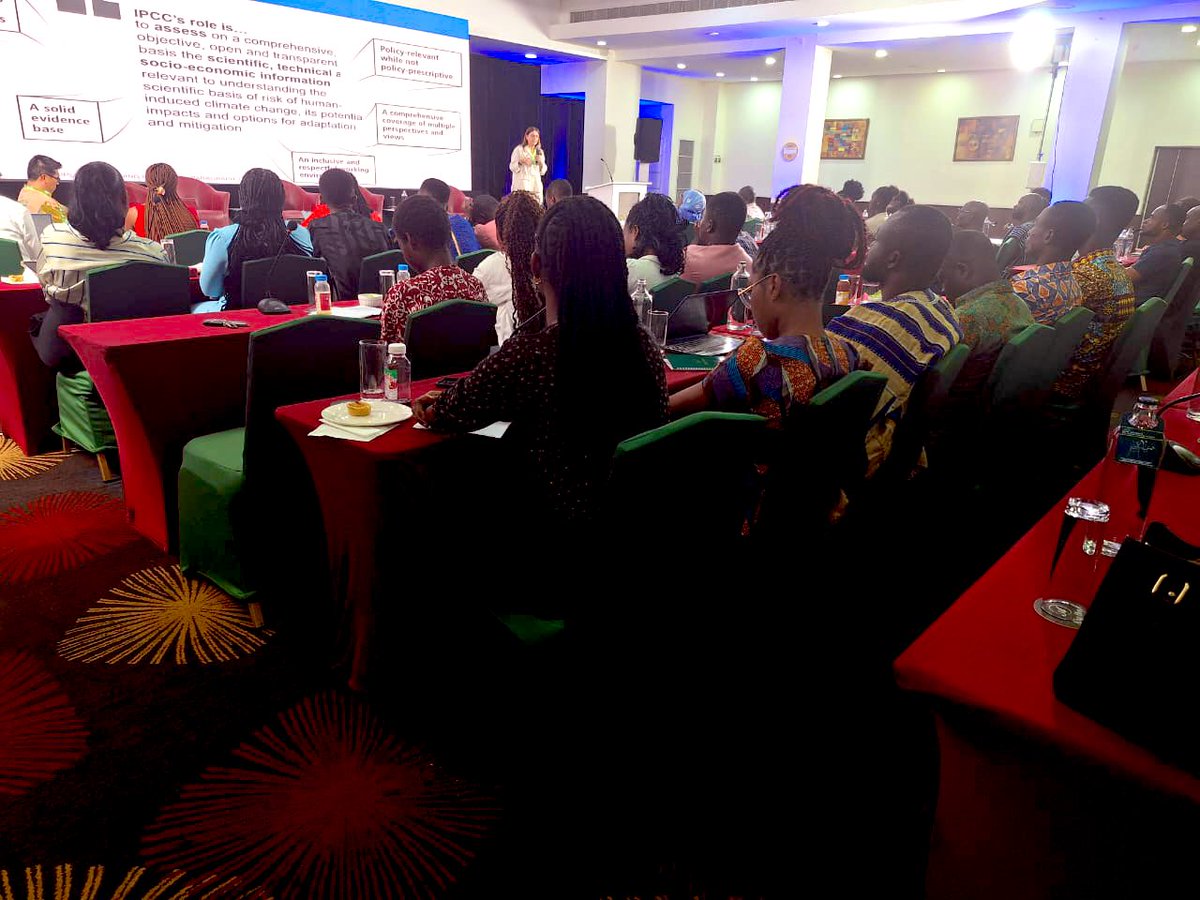
@IPCC_CH in Accra, 🇬🇭
In an outreach event yesterday with co-organizers @EPA_Ghana,Prof. Fatima Denton(Director, @UNUINRA) highlighted:
"Adaptation is not only about infrastructure,finance,or indicators -
it is also about who defines the problem & whose lives are made visible."
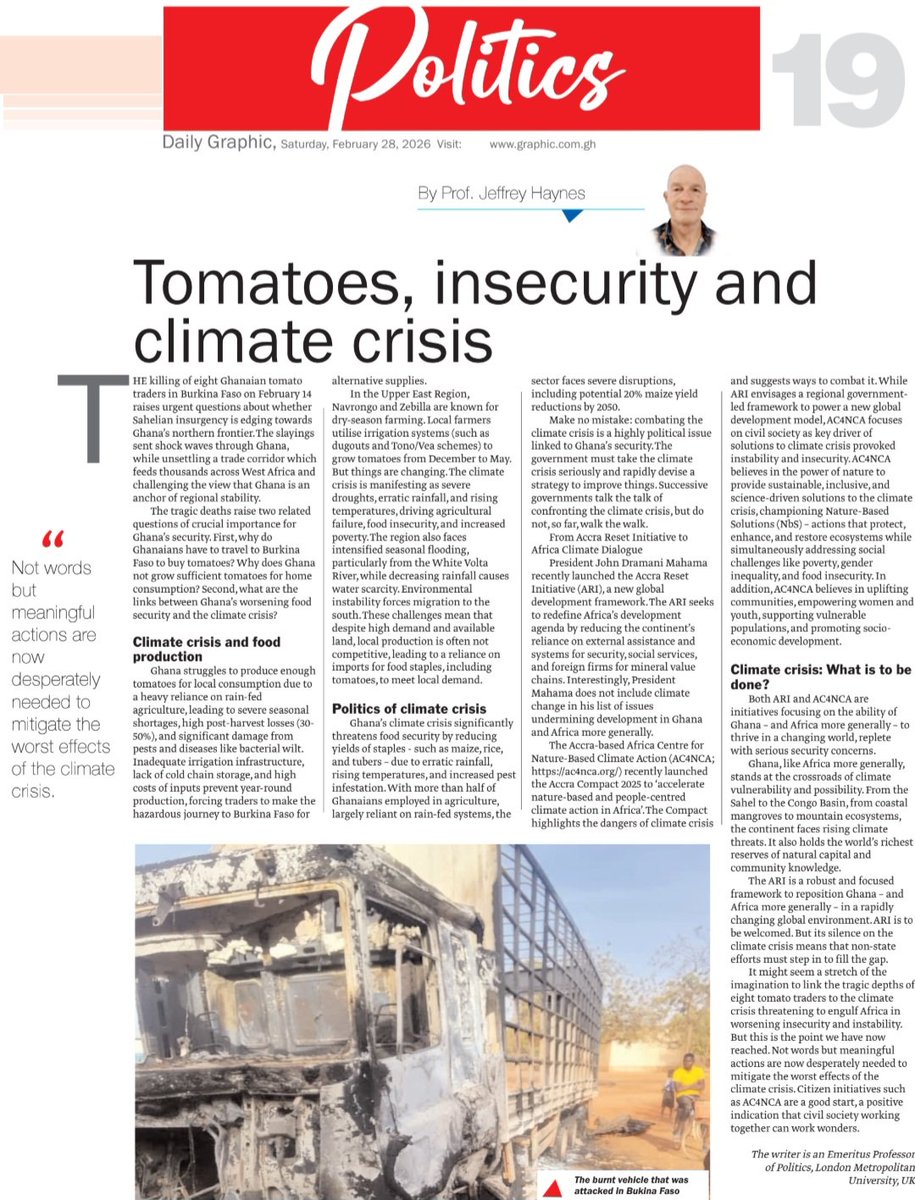
In his latest article in the Daily Graphic, Prof Jeffrey Haynes asks critical questions: Why does Ghana depend on cross-border tomatoes? And how is climate change worsening food insecurity and instability in the region?
Read here:
https://t.co/80N9XWDqeF
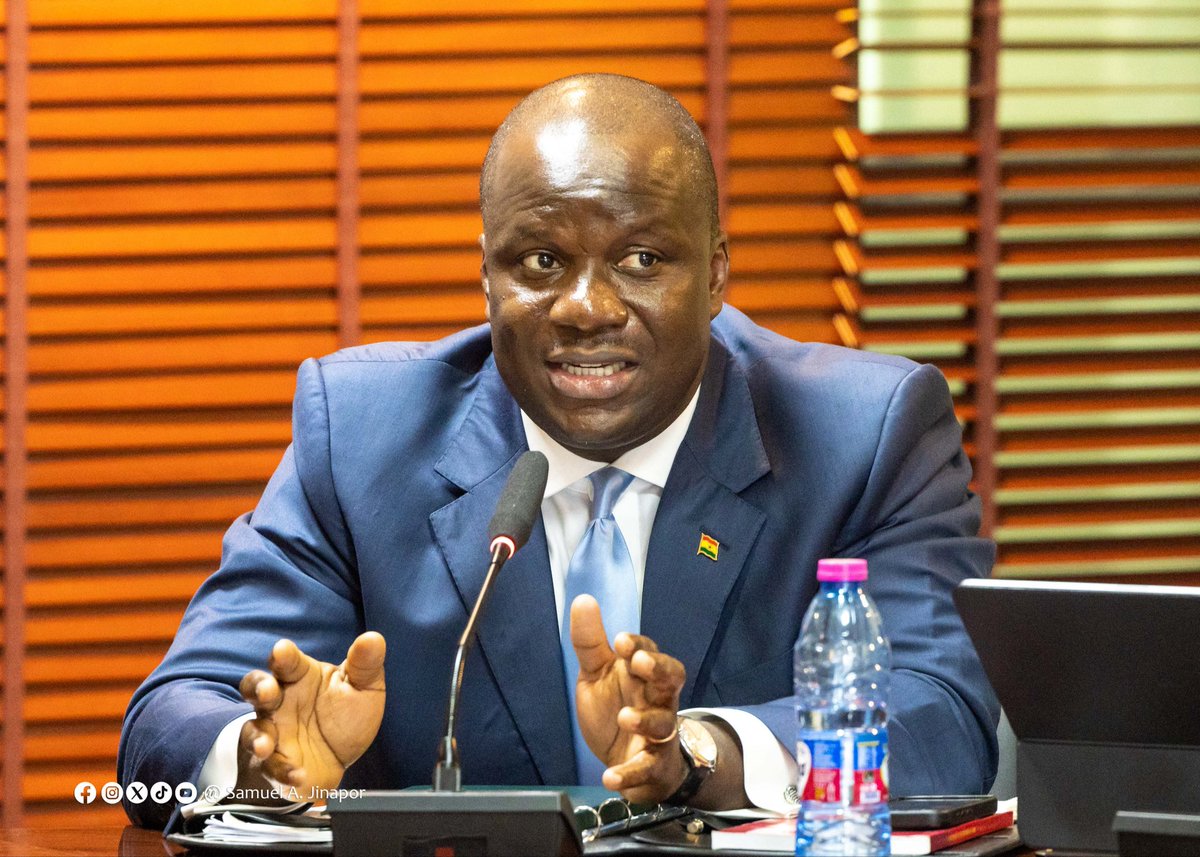
We formally presented the Accra Compact, a key outcome of the Africa Climate Dialogue 2025, to the Minister of State for Climate Change and Sustainability.
We look forward to continued collaboration with the government to translate dialogue into policy and impact. #AC4NCA#NbS
We were delighted to pay a courtesy call on the Vice-Chancellor of the University of Ghana to explore a strategic partnership on climate research, policy advocacy & public engagement on nature-based solutions for Africa.
We look forward to impactful collaboration with @UnivofGh.
Nature-based solutions (#NbS) have a lot to offer sub-Saharan Africa, like:
☀️Reduced extreme heat
💧Improved water security
🌱New green jobs
Learn where NbS has already taken root, and what's needed to scale: https://t.co/Ib9XdLnzhb
The landmark EU Deforestation Regulation (EUDR) requires businesses to demonstrate that the products they sell or export to the EU do not come from land that was recently deforested or degraded.
Just weeks before the EUDR was to go into force on Dec. 30, 2025, the European Parliament voted to delay entry into application of the law until Dec. 30, 2026 for large corporations and until June 30, 2027 for small businesses with fewer than 50 employees and earning less than 10 million euros ($11.7 million) in annual sales of covered products. The vote on the amendment also weakened the regulation by removing books and publications from the list of products it covered.
Dive into the legislation's details and potential impacts➡️ https://t.co/bXhSsr3MFD
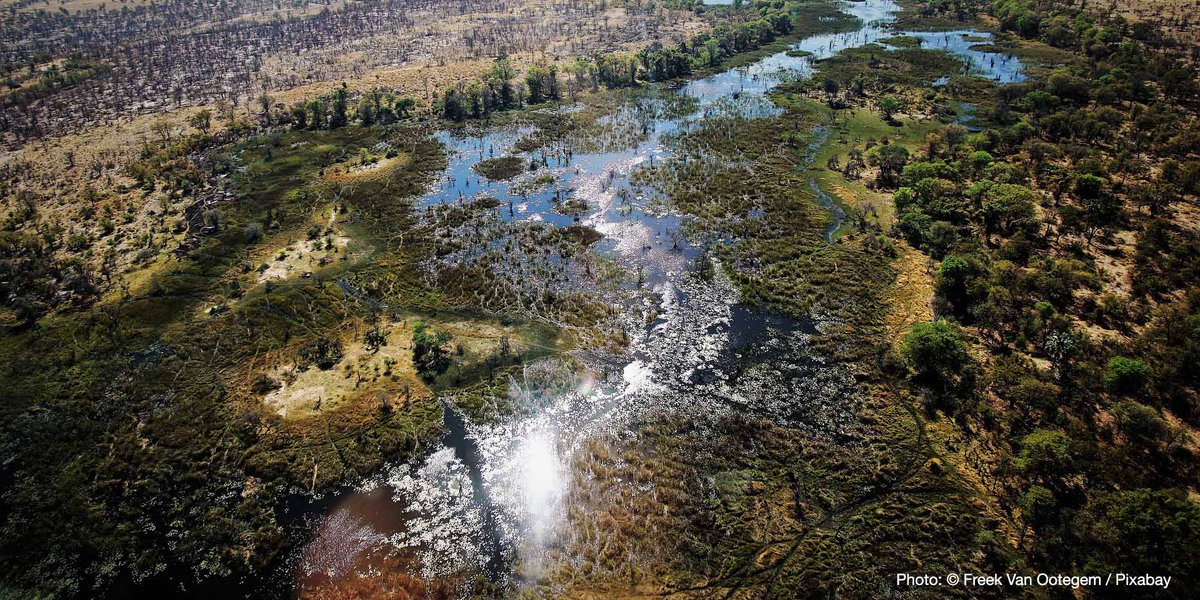
Wetland habitats support a rich diversity of life, but 35% of the world’s #wetlands have disappeared in the last 50 years.
Wetland restoration not only increases #biodiversity but their ability to produce ecosystem services for the benefit of people.
#ForWetlands
🌱 Cocoa once drove deforestation in #Ghana. Now, farmers like Alex & Georgina are restoring land with trees & bees, boosting cocoa yields & incomes.
👉 Read their story: https://t.co/bhEcINc3Ju
How many countries have submitted new NDCs?
Over 100 countries, representing more than 70% of global emissions, have already put forward new NDCs. The rest are expected during #COP30.
Under the Paris Agreement, 2025 NDCs were technically due in February. As of Nov. 9, 108 countries (including the EU and its 27 member states), covering 71% of the world's emissions, had submitted them.
Among the G20 — the world's largest GHG emitters — twelve had put forth new NDCs. Many smaller and developing countries have also stepped forward.
Despite some progress, countries’ new climate plans largely fall short. Find out more👉 https://t.co/3jJ5XonHCr