A woman has just given birth.
Everybody is happy. Then suddenly, she starts bleeding.
This is postpartum haemorrhage, and when it happens, no one has time to ask where the drug, tranexamic acid or TXA is.
That drug, Tranexamic acid can help reduce deaths from bleeding when it is given early after PPH starts.
So if a facility is providing emergency obstetric care, TXA should not be something they start looking for when the emergency has started.
It should be there.
As a man, if your wife is preparing to give birth, ask if the facility has TXA available. Same thing if you’re pregnant and preparing for delivery.
Ask questions. Know what is available.
Prepare before the emergency comes.
RT so that expectant mothers and fathers can see this very important message.
Source: Data, provided by @womenadvocate and @LSHTM.
An urgent appeal to the Katsina State Government. Please, we need help!
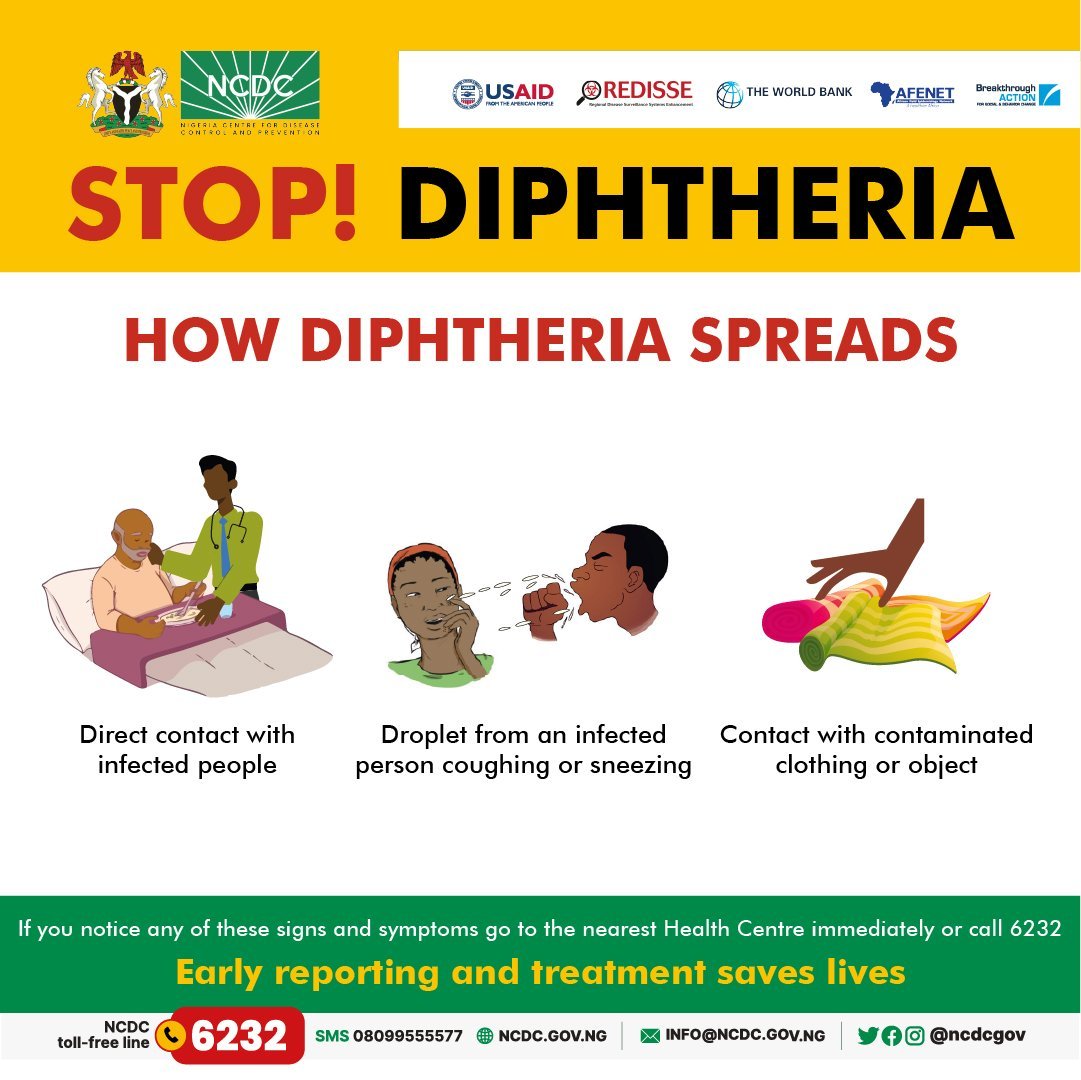
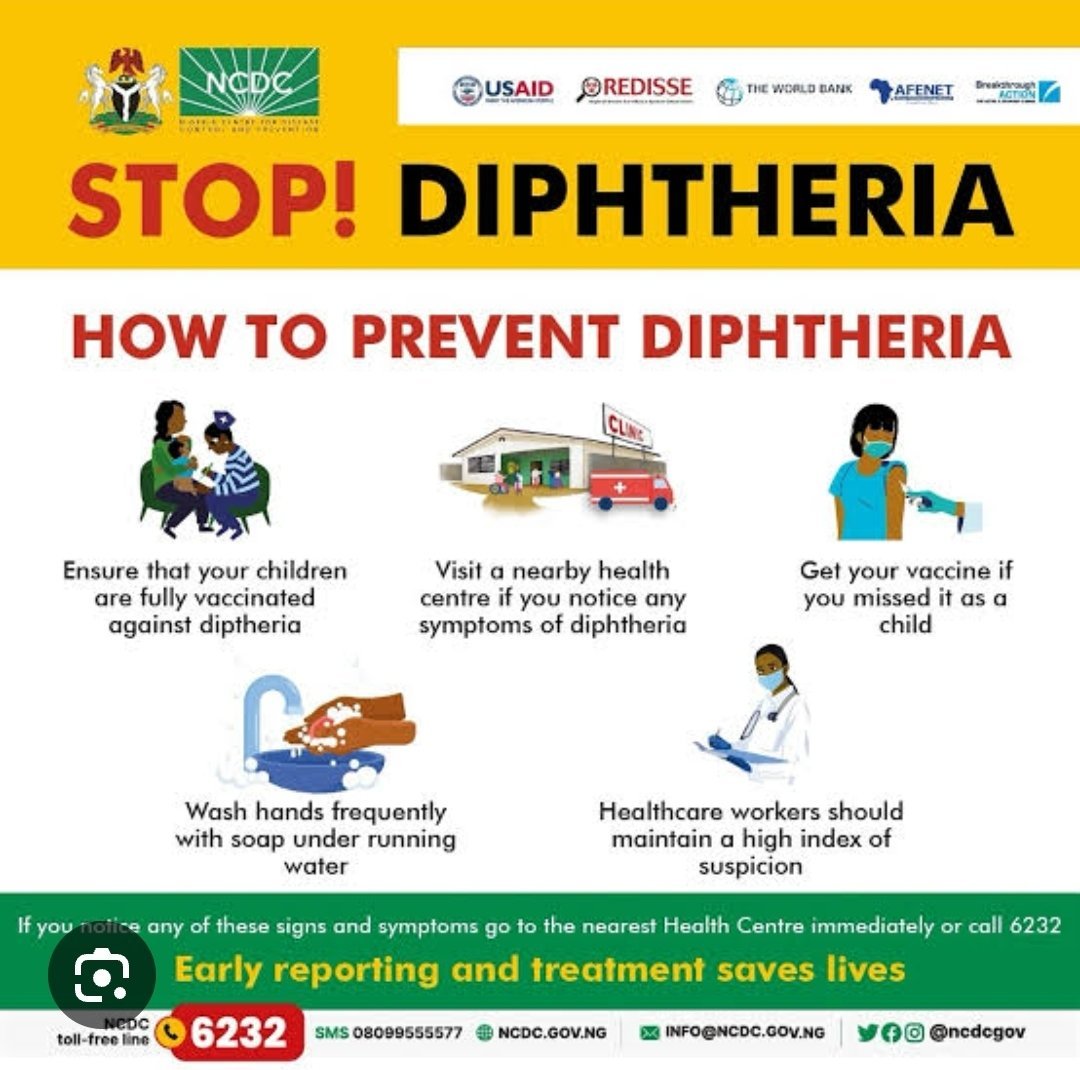
We have a diphtheria outbreak in Katsina State. FTH Katsina is the only facility in the whole state with a functioning isolation centre.
How informed are you about Diphtheria?
Trust me if it doesn't kill you in it's Acute stage, it's complication definitely will. Let's protect ourselves and our children.
It is always heart breaking when i see a child fighting for their lives because of this.
If you only learn ONE thing from a CBC in the ER, learn this: The blood already tells you if it’s bacteria or virus. You just have to know where to look.
Here’s the 4-step rule I teach every junior :
STEP 1: CHECK THE TOTAL WBC
This is a rare condition called Hematidrosis.
Under extreme emotional panic or fear, a massive adrenaline spike causes the tiny blood vessels feeding your sweat glands to violently constrict and then literally burst under the pressure. The blood leaks directly into the sweat glands.
As the body sweats from the intense panic, it pushes out a mix of water and actual blood. It looks terrifying and fatal, but it stops when the anxiety does. You don't treat it with bandages or surgery....you treat it with beta-blockers and anti-anxiety meds to shut down the adrenaline!
A snake bites someone on the ankle. Transport to hospital is being arranged.
What should you do meanwhile?
A) Keep them still and splint the limb
B) Cut and suck the wound
C) Apply a tight tourniquet
D) Apply an ice pack
The correct thing to do is to keep the person still and splint the bitten limb.
Movement can accelerate venom spread through the lymphatic system. The aim is not to remove venom at home, but to slow its spread and reach a hospital quickly.
What to do:
• Move away from the snake and reassure the person.
• Lay them down, remove rings, anklets or other tight items and immobilise the limb with a splint.
• Carry them to transport if possible do not make them walk.
• Seek hospital care urgently and monitor their breathing.
Why the others are wrong:
• Cutting or sucking the wound removes no useful amount of venom and can cause bleeding, infection and tissue injury.
• A tight tourniquet can stop blood flow, causing nerve injury, gangrene or loss of the limb.
• Ice does not neutralise venom and may worsen local tissue damage.
Also do not massage or wash the bite, apply herbs or chemicals or attempt to catch the snake. Antivenom, when indicated, must be given in a medical facility.
Vitamin B12 Deficiency
1. A positive Babinski sign in an adult is an upper motor neuron (UMN) sign and may be seen in vitamin B12 deficiency due to involvement of the corticospinal tracts.
2. Vitamin B12 deficiency causes subacute combined degeneration (SACD), affecting the posterior (dorsal) columns and lateral corticospinal tracts of the spinal cord.
3. Patients typically present with paresthesia, numbness, gait instability, loss of vibration and position sense, spasticity, hyperreflexia, and an extensor plantar (Babinski) response.
4. Posterior column involvement leads to sensory ataxia and a positive Romberg sign, while corticospinal tract damage produces UMN features.
5. Common causes include pernicious anemia, strict vegan diet, malabsorption (Crohn's disease, ileal resection), chronic alcoholism, and prolonged metformin or proton pump inhibitor use.
6. Diagnosis is supported by low serum vitamin B12, with elevated methylmalonic acid and homocysteine levels. MRI may show posterior column hyperintensity in advanced disease.
7. Early treatment with vitamin B12 replacement (usually intramuscular hydroxocobalamin or cyanocobalamin) can reverse neurological deficits, but delayed treatment may result in permanent spinal cord damage.
Let me explain....It looks like a tiny 1 mg difference, but there's an interesting story behind it. The answer isn't that 81 mg is magically more effective than 80 mg. Instead, it comes from the historical conversion of 5 grains (an old apothecary unit) into the metric system, which equals about 324 mg. One-quarter of that dose became 81 mg, and the strength remained the standard for low-dose aspirin.
Sometimes, medicine isn't just about pharmacology...It's also about history. 📚