Interestingly, both Urdu Typesetting and Iran Nastaliq _always_ activate the supine rē in an isolated-dāl + rē combination. My preference would’ve been to include it in a stylistic set.
Urdu Typesetting, the nastaliq font that comes with Windows, has an interesting detail: a variant of the letter ر (rē) called the پڑی/لیٹی/خوابیدہ ر (supine/lying down/sleeping rē). (Iran Nastaliq supports this variant, too.)
This variant is mostly (only?) used when the rē follows an isolated د (dāl), and the two of them form a cozy “ligature” together.
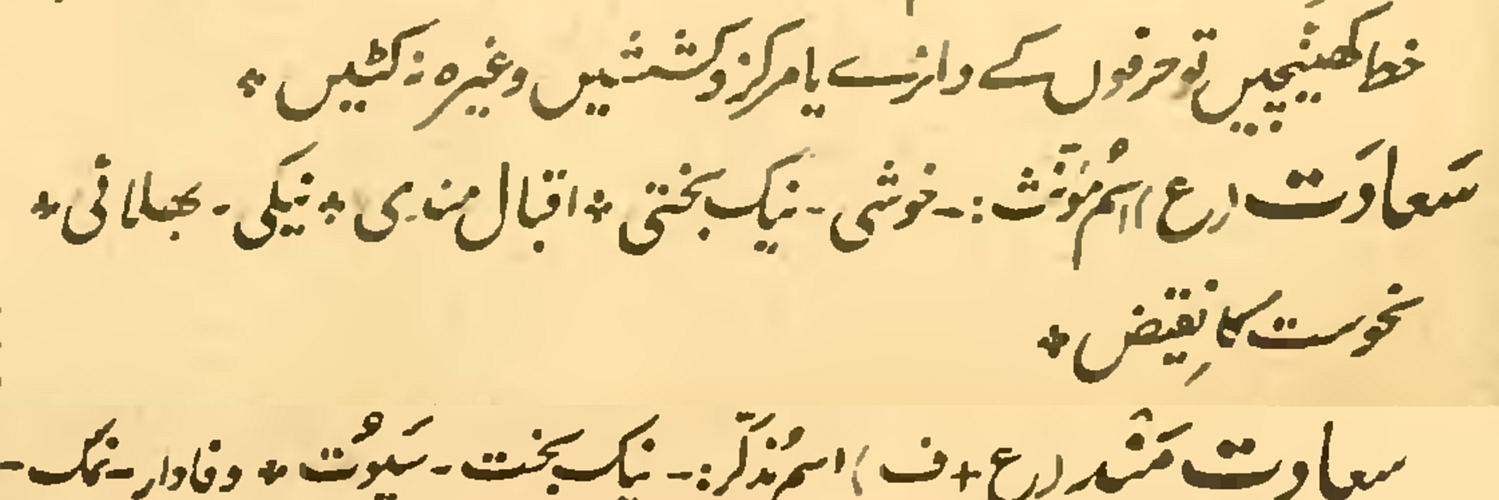
Here it is from ‘مرقّعِ زرّیں’ (Muraqqāʻ-e-Zarrīñ): solid arrow → supine rē; dashed arrow → straight rē
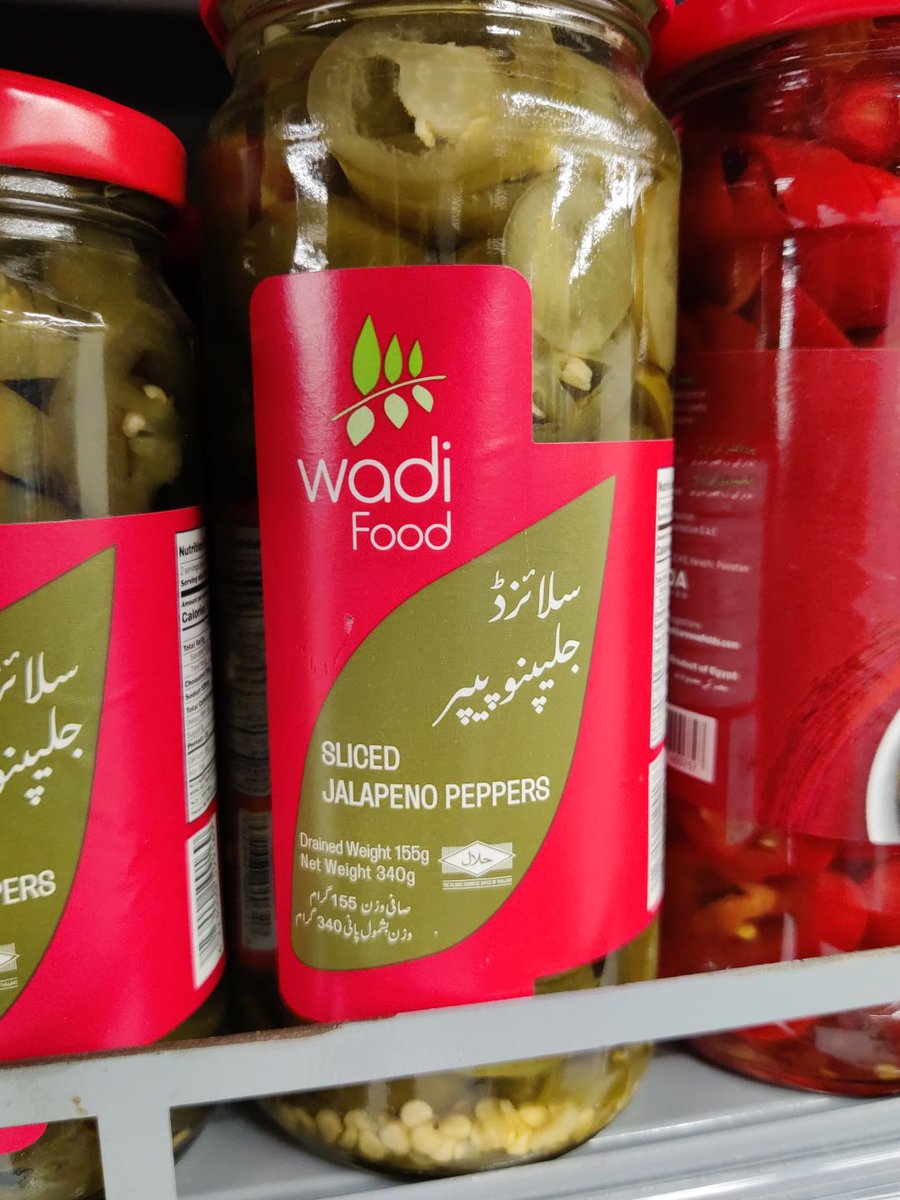
(But… that transliteration is hilariously bad. I mean, sure, any Urdu transliteration of “jalapeno” will be comical, but the rest could have been actual Urdu, no? (e.g. “کَٹی ہوئی ہیلاپِنیو مِرچ”))
کچھ عرصے سے بلاگنگ بحال کرنے کی کوشش کر رہا ہوں… دھکا سٹارٹ کے طور پر ایک پرانی ٹوئٹر لڑی کو بلاگ پر شائع کیا ہے:
سلائی مشین کا پرانا کِتابچہ — https://t.co/B77usvB921
Been trying for a while to get back to blogging, so in order to warm up, here’s an old Twitter thread as a blog post:
The nostalgic sewing machine manual — https://t.co/90ZyocEPlO