The internet didn’t just break; it shattered. 💥👑
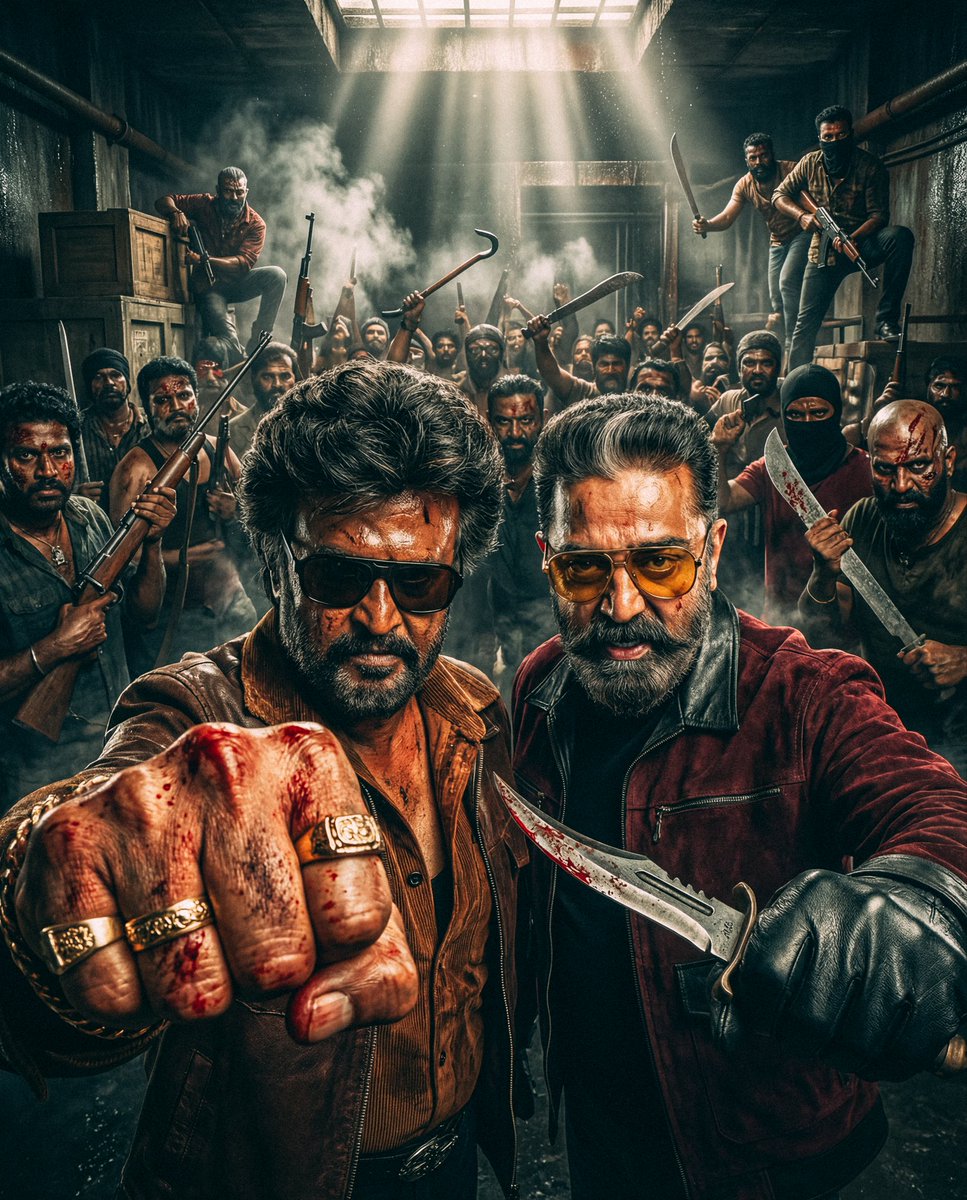
After 47 years, the ultimate Kollywood fever dream is a reality. The Phenomenon and The Pioneer together on one screen. Had to drop this AI concept poster because my mind is still blown by that teaser. #KHxRK
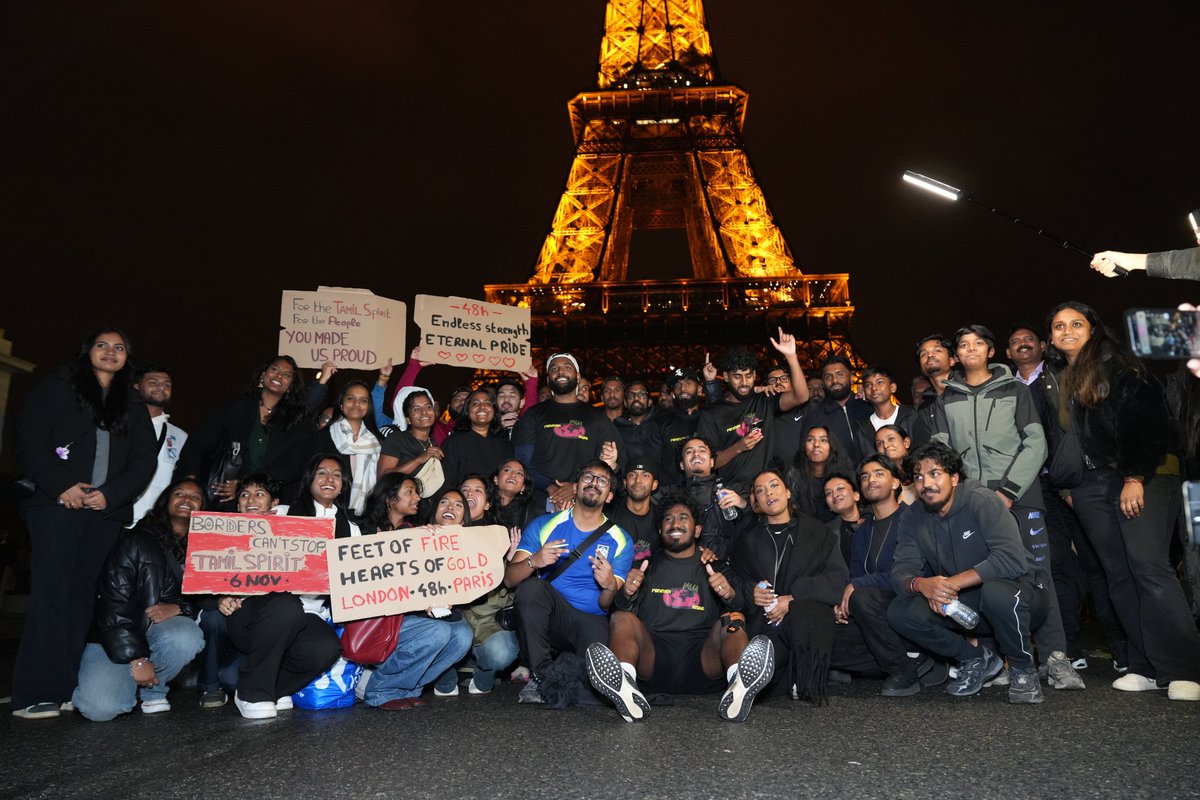
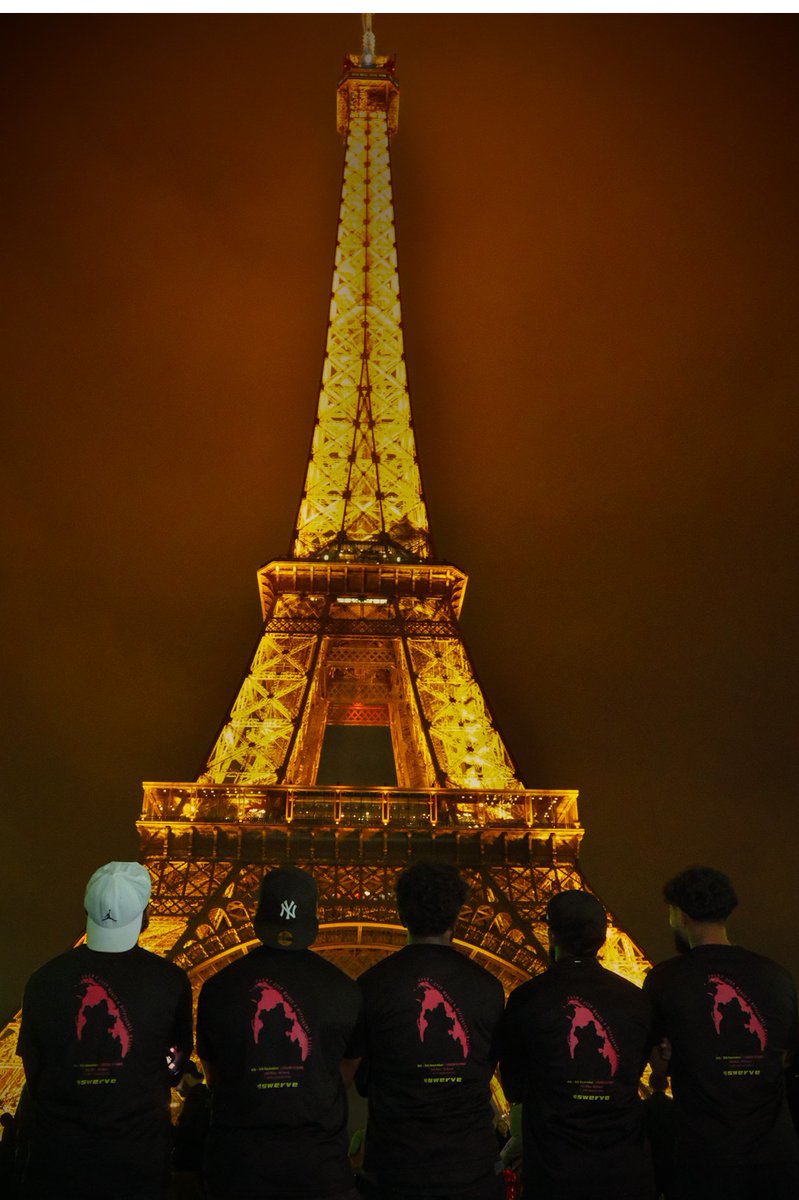
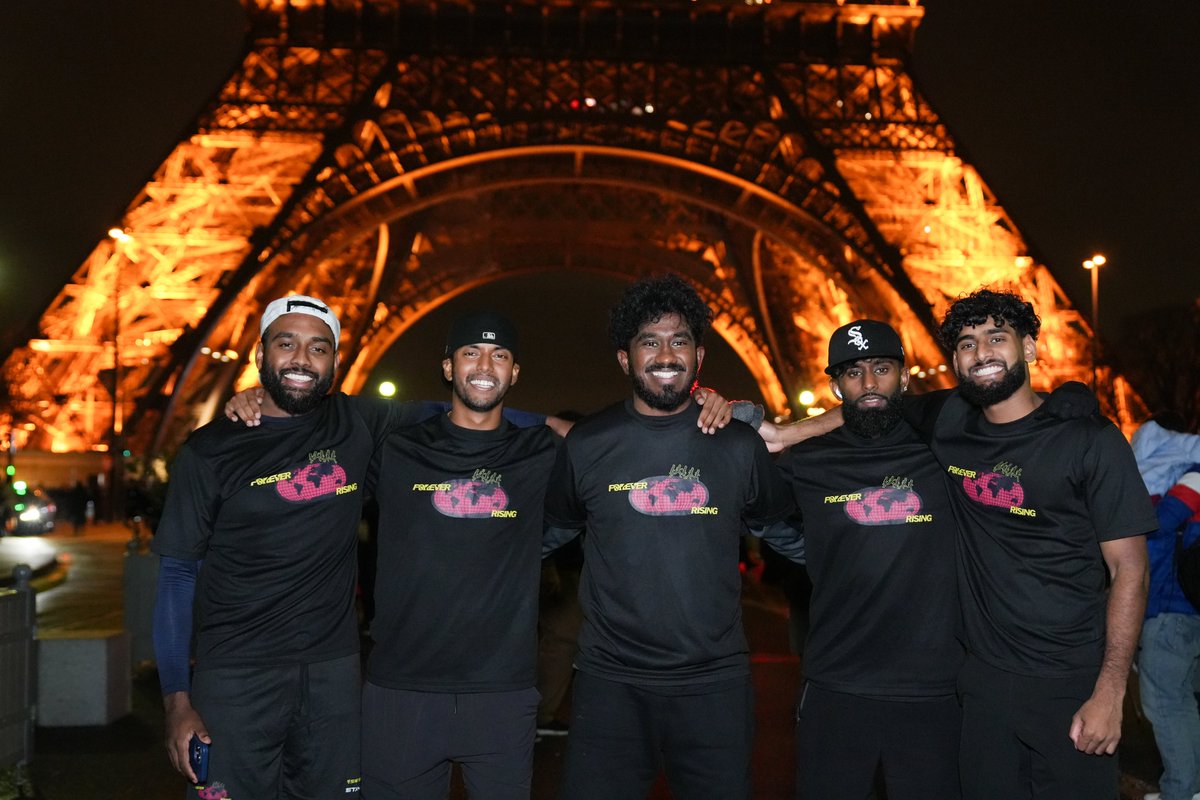
💫London to Paris - 5 Eelam Tamils run over 600km to raise money for the homeland
Five British Tamils have completed a non-stop run from London to Paris in under 48 hours, to raise money for charitable causes across the homeland.
Read more⬇️
https://t.co/ggmjHIGuZ7
Excited to launch the trailer of The Jungle, a project made with passion and heart by a talented indie team from the UK 🎥
Wishing the brothers @saanmuufilms @bluebeautyproductions and the entire crew all the very best for the release. Keep pushing boundaries and telling your stories to the world! 🔥
https://t.co/lE64TaoISn
Here's my looong note on #Retro. Sometimes, even when a film doesn't blow your mind, it deserves to be sat with, thought about.
____
A Karthik Subbaraj padam will always have great moments. This will always be true. And by great, I don’t necessarily mean feeling a fleeting high. I’m talking about cinematic finesse. I’m talking about allegories and metaphors. I’m talking about profound, humane observations.
Retro, for instance, digs into the idea of laughter—even just the idea of a smile—and what that means to one's soul. I welled up many times during the first half, reflecting on the horror of what it must mean for someone to never be able to laugh. Pari (Suriya) is one for the psychiatrists. Parental neglect, trauma, anger issues, masochism—he’s carrying the whole package.
One hugely affecting moment has Suriya staring at a mirror, Joker-like, trying to make himself laugh (I wish more stars were challenged with such moments in cinema). But a laugh isn’t about stretching your mouth or baring your teeth. You can't anger yourself into laughing. It has to come from somewhere within, from a place of true emotion. And when it finally does, around interval, it’s like a river breaking into a drought-ridden land. It’s beautiful to behold.
That long shot of a red wedding. That entire stretch where Pari meets Rukmini again—Pooja Hegde is enjoyably real in this film and I'll particularly remember her stare at Pari before he gets arrested. I was deeply moved by Santhosh Narayanan’s beautiful song, ‘Edharkaaga Marubadi’, or even by a fleeting visual like a window swinging open and a deer staring into Pari’s eyes.
The film is full of ironies. There’s a voiceover that even spells it out—about the irony of creating laughter in a place that has witnessed many deaths. And that’s the core of Retro: it’s a film about laughter, yes, but during the moments it works, it ends up invoking melancholy and reflection. That’s why, when a group of people laugh together in a powerful moment at the end, it feels like such a powerful idea. In this film, laughter isn’t comedy—it’s resistance. That's, again, profound.
There are many profound ideas here—and I think it helps not just to feel but to constantly keep reflecting as you watch this film (at least the first half). The problem in Retro is that these ideas—some profound, some wacky, some downright bizarre—don't quite come together coherently. As the film switches from being an intimate character study to a broader socio-political tale, I felt a detachment creeping in—which I really struggled to shake off. It felt rather like two different souls sharing the same body. That whole battle-stretch on the island, with The One… I felt that part needed more time, more fleshing out, more feeling.
Of course, the mind races to Joker, Gladiator, Chaplin, Mad Max—I mean, whatever the world of Retro reminds you of. But I kept thinking about Karthik’s own filmography. A coach trying to pull emotion from people—or even the idea of a gangster being nudged into the arts—felt like Jigarthanda. A star talking about a Sirappana Tharamana Sambavam felt like Petta. A group of the oppressed fighting back—or a wild animal being killed by a villain—felt like Double X.
There’s Hinduism and Buddhism here. The Krishna–Rukmini–Kamsa allegory. Commentary on totalitarianism. A hundred other threads you could pull at; many hours you could spend discussing the layers in this film. And yet, rather revealingly, the part that stayed with me most was the simplest one: the story of a broken man, Pari, and what it would take to make him smile. That’s what lingered. That’s what put a smile on my face.