@Tesla Is that a real UI for FSD display? Looks like the video streams directly from the camera and car is placed in middle of that in some kind of magic 🤯
1/5
I built Kerala Atlas
Pick any place in Kerala — a district, taluk, etc- circle, or a shape you draw — and see its people, GDP, roads, rail, schools, & hospitals etc from 2011 to today.
👉 https://t.co/xyTTQvl3Do
Thanks to @americakaran for sharing the original source tool.
CJP’s Demand Rooster Has Been Updated:
1. Dharmedra Pradhan must resign - ✅
2. Rs 1 Cr to the families of all students who died by suicide - Pending
3. No action against any of the student protesters - Pending
4. Public Apology From RAF & Delhi Police - Pending
Jantar Mantar & Entire Country Is Still Waiting On The Rest Of The Demands.
The Finance Minister is claiming NEET students took advantage of the paper leak and worked harder for the re-NEET.
Now we’re extolling the virtues of paper leaks? This is a shockingly insensitive comment when 20 students have died by suicide because of YOUR incompetence! Shame
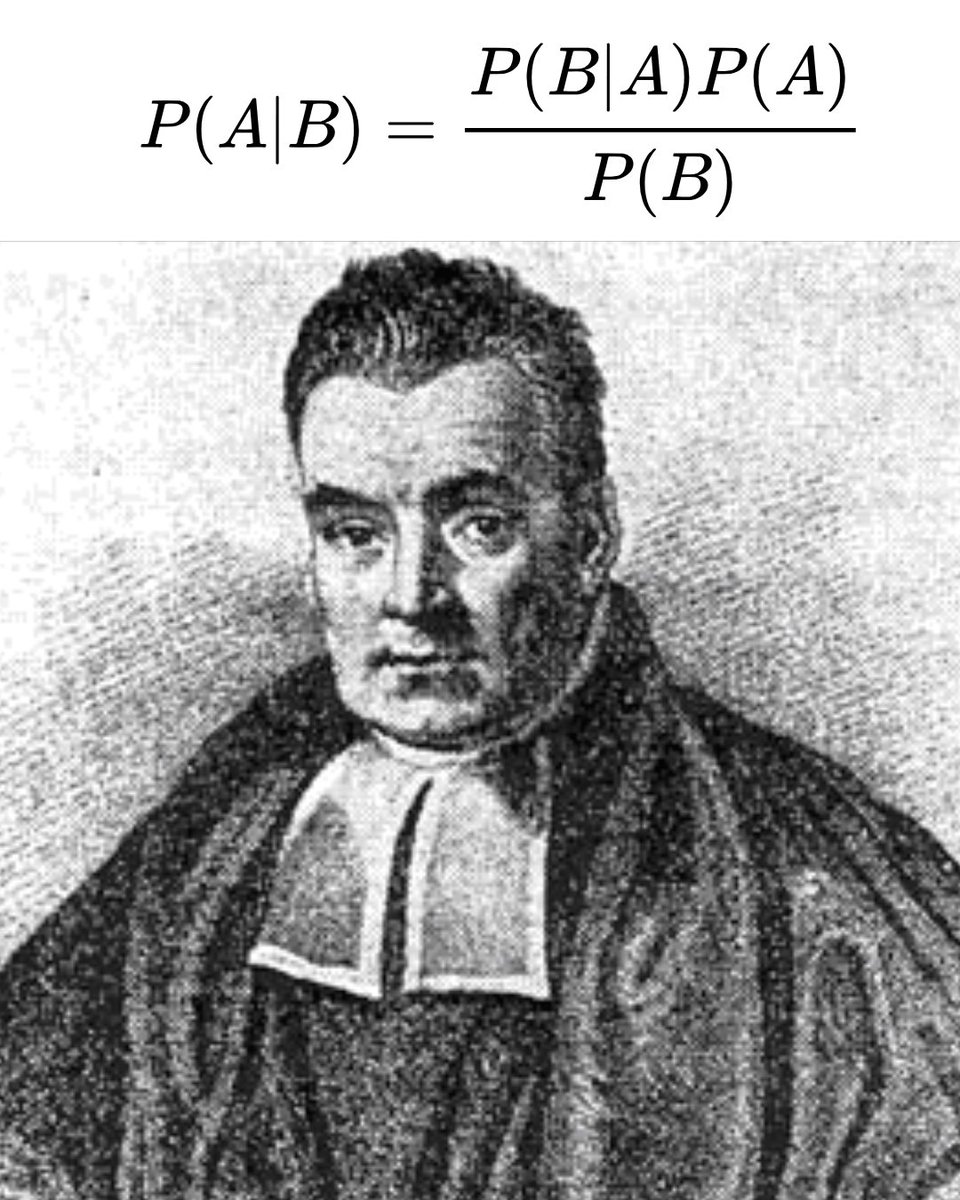
Bayes’ theorem is probably the single most important thing any rational person can learn.
So many of our debates and disagreements that we shout about are because we don’t understand Bayes’ theorem or how human rationality often works.
Bayes’ theorem is named after the 18th-century Thomas Bayes, and essentially it’s a formula that asks: when you are presented with all of the evidence for something, how much should you believe it?
Bayes’ theorem teaches us that our beliefs are not fixed; they are probabilities. Our beliefs change as we weigh new evidence against our assumptions, or our priors. In other words, we all carry certain ideas about how the world works, and new evidence can challenge them.
For example, somebody might believe that smoking is safe, that stress causes mouth ulcers, or that human activity is unrelated to climate change. These are their priors, their starting points. They can be formed by our culture, our biases, or even incomplete information.
Now imagine a new study comes along that challenges one of your priors. A single study might not carry enough weight to overturn your existing beliefs. But as studies accumulate, eventually the scales may tip. At some point, your prior will become less and less plausible.
Bayes’ theorem argues that being rational is not about black and white. It’s not even about true or false. It’s about what is most reasonable based on the best available evidence. But for this to work, we need to be presented with as much high-quality data as possible. Without evidence—without belief-forming data—we are left only with our priors and biases. And those aren’t all that rational.