A lot changes from the beginning of the year to the beginning of Q4. However, some workforce priorities, such as hiring and retention, remain front and center. This perspective offers a snapshot of where expectations were and what organizations are considering as they plan for 2027.
As organizations head into the final months of 2026, earlier expectations from HR leaders offer a look at how workforce priorities evolved throughout the year. According to a Conference Board survey, 59% of U.S. CHROs planned to increase hiring during the first half of 2026, up from 54% in the fourth quarter of 2025. The CHRO Confidence Index reached 59, its highest level since tracking began in 2023, while 53% expected employee engagement to improve. As employers plan for 2027, hiring, engagement and retention remain key areas to watch across the workforce.
#RoseInt #PeopleMakingItHappen #Hiring #HR
📷: Canva Pro, Shutterstock
What we see in performance output may not always reflect how employees feel. Understanding the sentiment behind productivity offers important context in fluctuations and how external forces impact workforce dynamics.
In some instances, workplace anxiety drives temporary productivity surges that signal deeper retention issues, according to a Burson study. The findings showed that 57% of employees reported worries about the state of the world motivated them to work harder, but 38% said it decreased their willingness to go above and beyond. Further, 34% of workers said workplace anxiety weakened loyalty to their employers, and 53% said they would consider leaving for a better position.
#RoseInt #PeopleMakingItHappen #AnxietyatWork #Productivity
📷: Canva Pro, Shutterstock
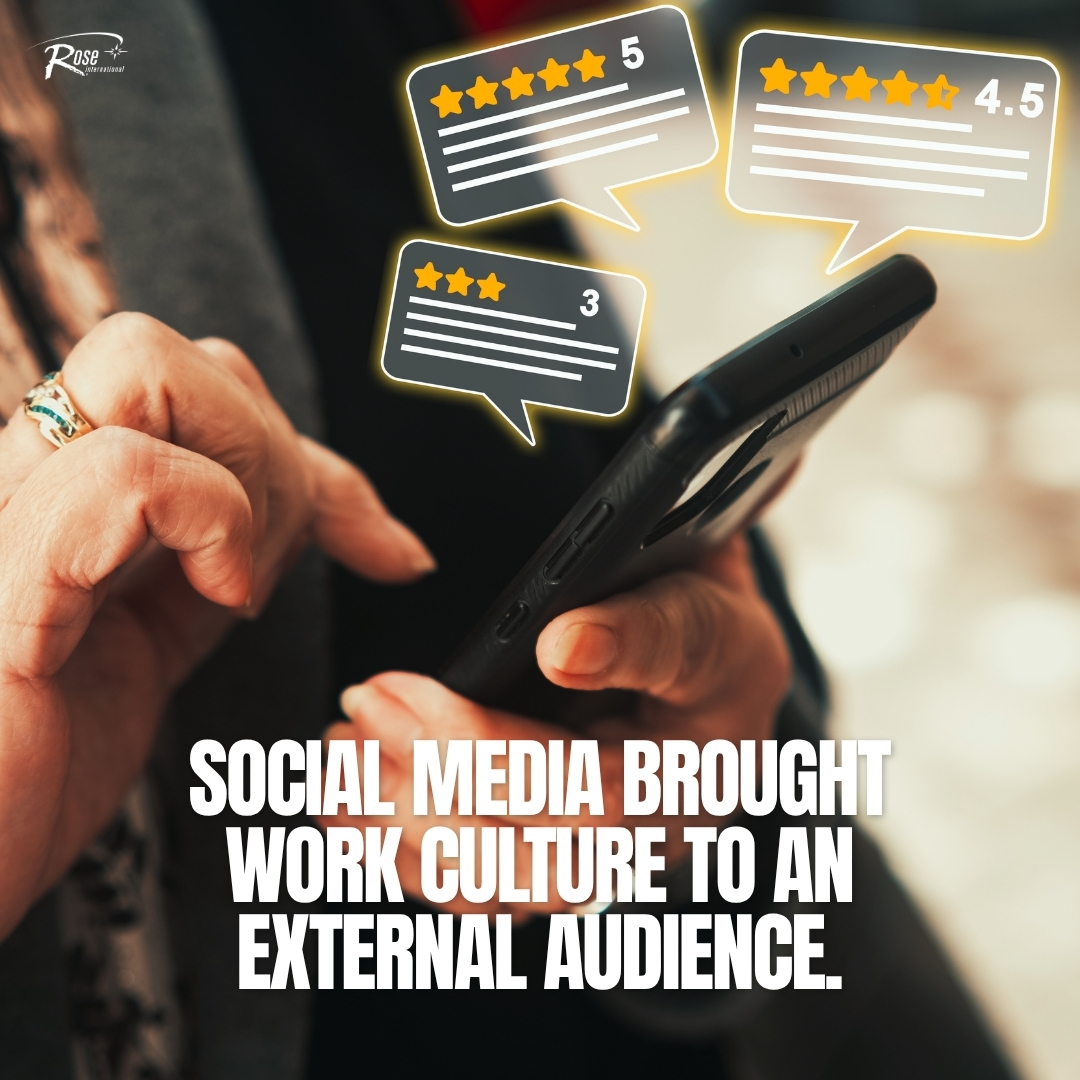
Work culture always mattered, but today it travels further and faster beyond office settings. As workplace experiences become more visible, how organizations support and communicate with employees play a role in shaping broader employer brand and reputation.
Employee experience is a visible part of brand reputation, based on insight from 45% of Gen Z consumers. FTI Consulting found Gen Z ranked how organizations treat employees higher than sustainability and stances on social issues. Social media platforms, including Glassdoor, made workplace experiences more visible by bringing internal culture to an external audience. As employer branding intercepts with corporate perception, consistent actions, communication and leadership responses shape how organizations are viewed.
#RoseInt #PeopleMakingItHappen #EmployeeExperience #BrandReputation
📷: Canva Pro, Shutterstock
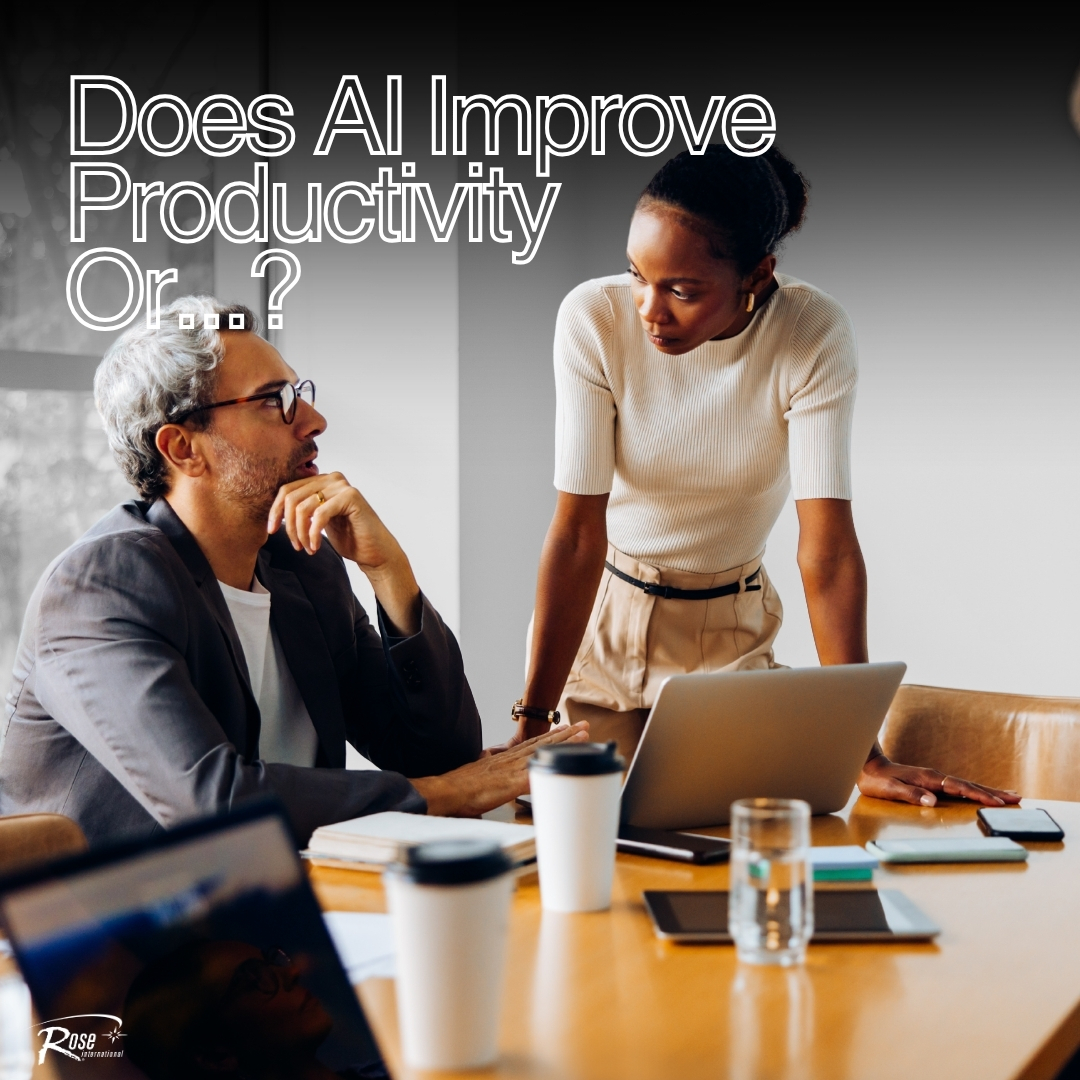
There’s a difference between doing more and accomplishing more. As AI becomes further embedded in how teams work, it’s essential to look at productivity metrics to understand what’s going into outcomes.
Some feel AI makes work faster, but an HR Brew interview showed it's not necessarily better. A discussion with Liane Davey, 3COze co-founder and author of "Thoughtload: Manage the Madness and Free Your Team to Do Great Work," highlighted the difference between activity, output and outcomes. She shared that producing more work doesn't always translate to meaningful results. Her book's framework encourages organizations to consider cognitive demands, emotional burdens and available energy when evaluating the impact of AI-enabled productivity.
#RoseInt #PeopleMakingItHappen #AI #Productivity.
📷: Canva Pro, Shutterstock
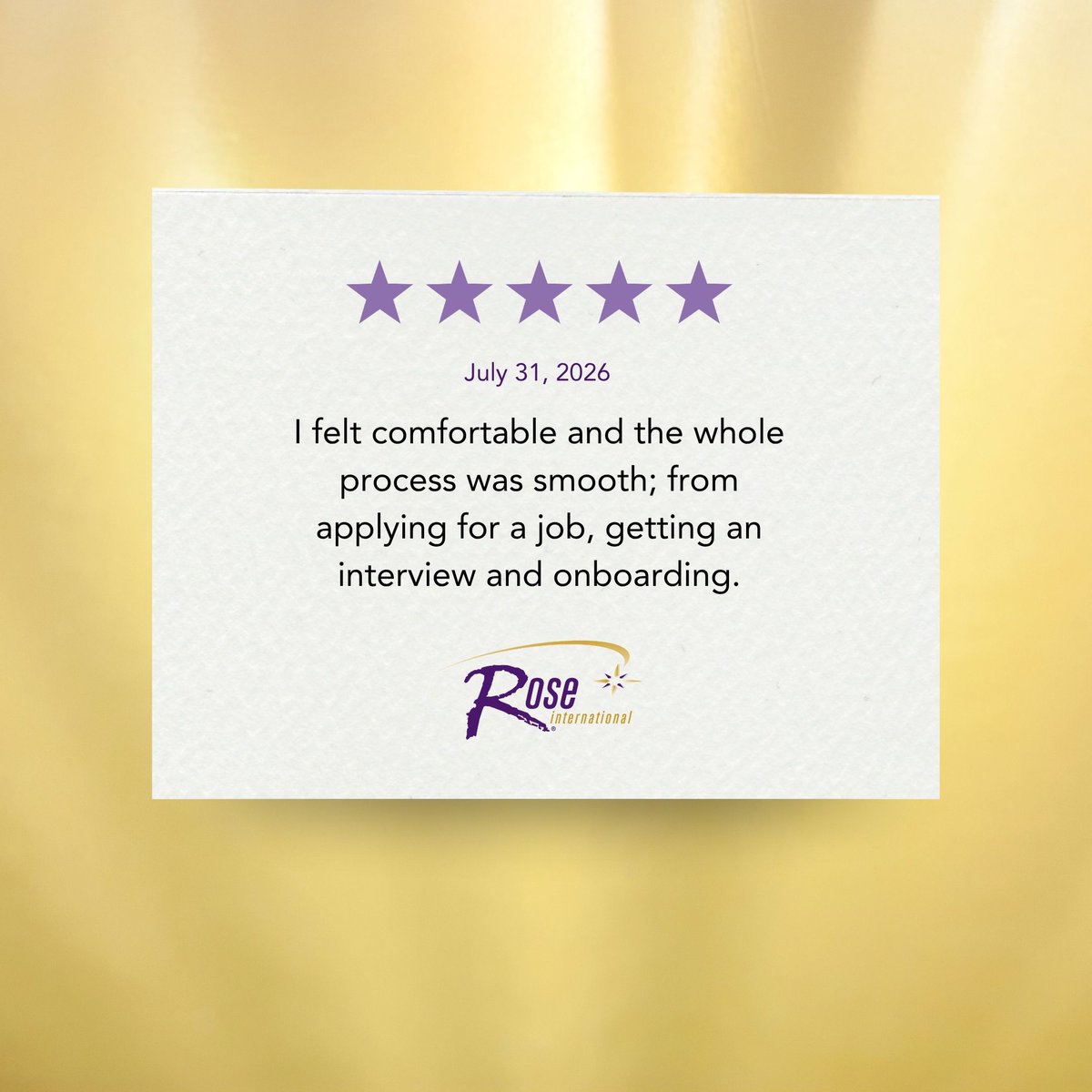
Behind every application, interview and onboarding experience is a person taking an important step in their career. At @RoseInt, we’re committed to making every step of that journey seamless and supportive.
#ThankfulThursday
The NMSDC’s Annual Conference & Exchange creates a valuable space for conversations about supplier and business growth. I look forward to seeing the ideas that develop out of this year’s event.
The Rose International Team is a proud sponsor of the 2026 National Minority Supplier Development Council Annual Conference & Exchange!
As a certified Corporate Plus® MBE, we're excited to support an event that brings together thought leaders, suppliers and changemakers to drive growth, increase opportunies and shape the future of inclusive business.
Join us October 25-28 in Downtown Los Angeles, CA for meaningful conversations and strategic connections.
#RoseInt #PeopleMakingItHappen #NMSDCConf2026 #NMSDC
📷: Canva Pro, Shutterstock
Staffing trends offer a useful window into broader changes in the job market. This projected expansion suggests talent demand remains dynamic, including industries working to keep up with evolving needs.
The U.S. staffing industry is showing signs of a turnaround, according to Staffing Industry Analysts (SIA), who raised its 2026 growth forecast to 2.4%. SIA also highlighted nine of the 11 sectors would grow with the industrial industry leading the recovery followed by healthcare. The outlook points to renewed demand for contingent workers and an evolving job market.
#RoseInt #PeopleMakingItHappen #JobGrowth #Staffing
📷: Canva Pro, Shutterstock
One aspect of AI’s impact on the workforce is how differently it affects various occupations. Understanding how jobs change is as important as tracking if these tools lead to growth or decline in the labor force.
AI job exposure varies across career fields, and an Anthropic analysis found computer programming roles were among the most impacted jobs. After assessing over 750 occupations, the findings showed AI could handle 75% of computer programmers’ tasks. Substance abuse and behavioral disorder counselors had the least exposure; this role was projected by the Bureau of Labor Statistics (BLS) to gain 81,100 jobs by 2034. To compare, the BLS predicted computer programming employment will decrease by 6% by the same year.
#RoseInt #PeopleMakingItHappen #Automation #JobTitles
📷: Canva Pro, Shutterstock
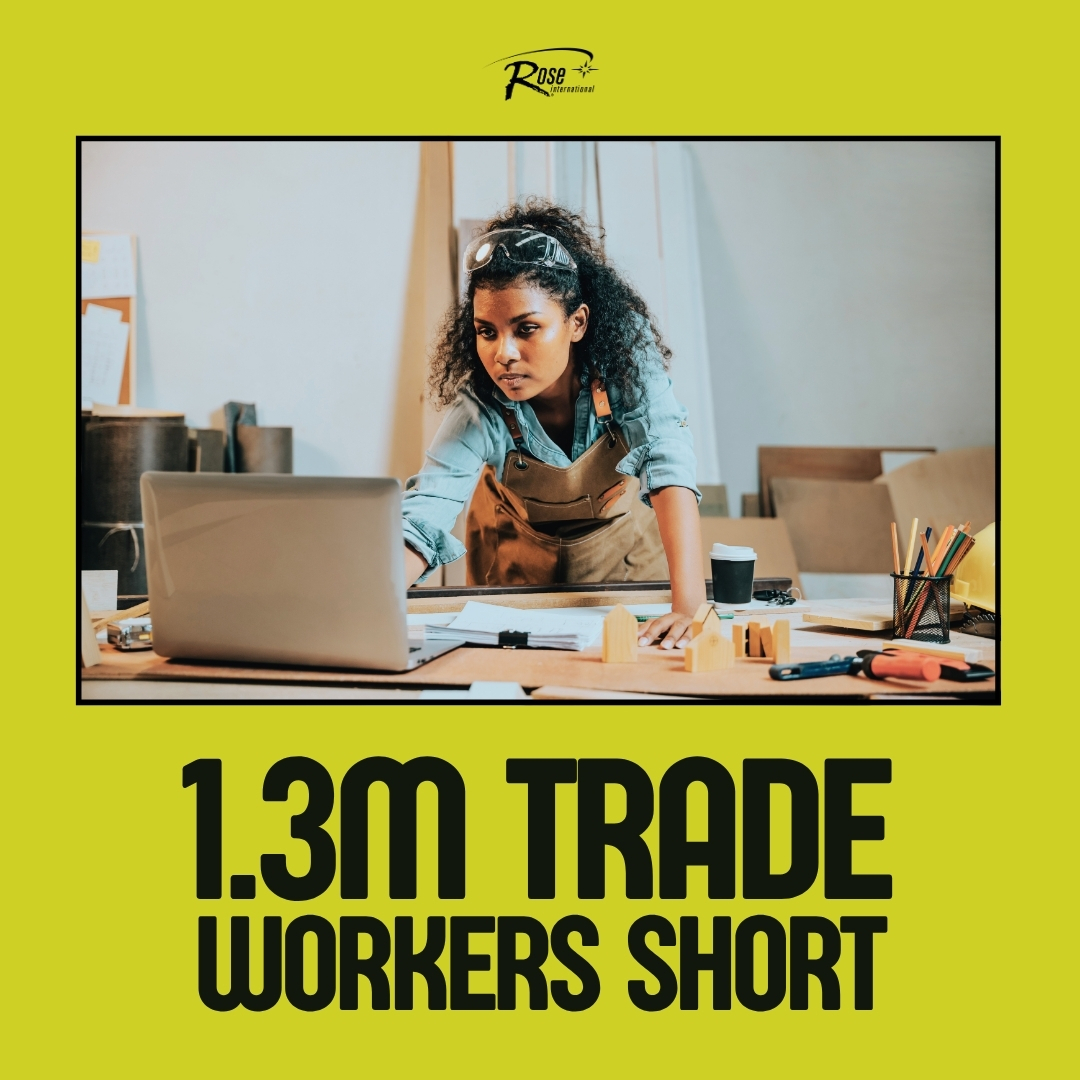
Technology drives new levels of growth, and people remain at the center of that progress. The widening need for skilled-trade professionals highlights the importance of building a workforce that helps industries continue moving forward.
The skilled-trade talent gap widens as manufacturing and data centers drive demand for specialized workers and increases competition for industrial and infrastructure projects. Staffing Industry Analysts predicted an estimated shortage of 1.3 million workers. The trend highlights how technological growth also increases the need for skilled workers.
#RoseInt #PeopleMakingItHappen #SkilledTrades #Hiring
📷: Canva Pro, Shutterstock
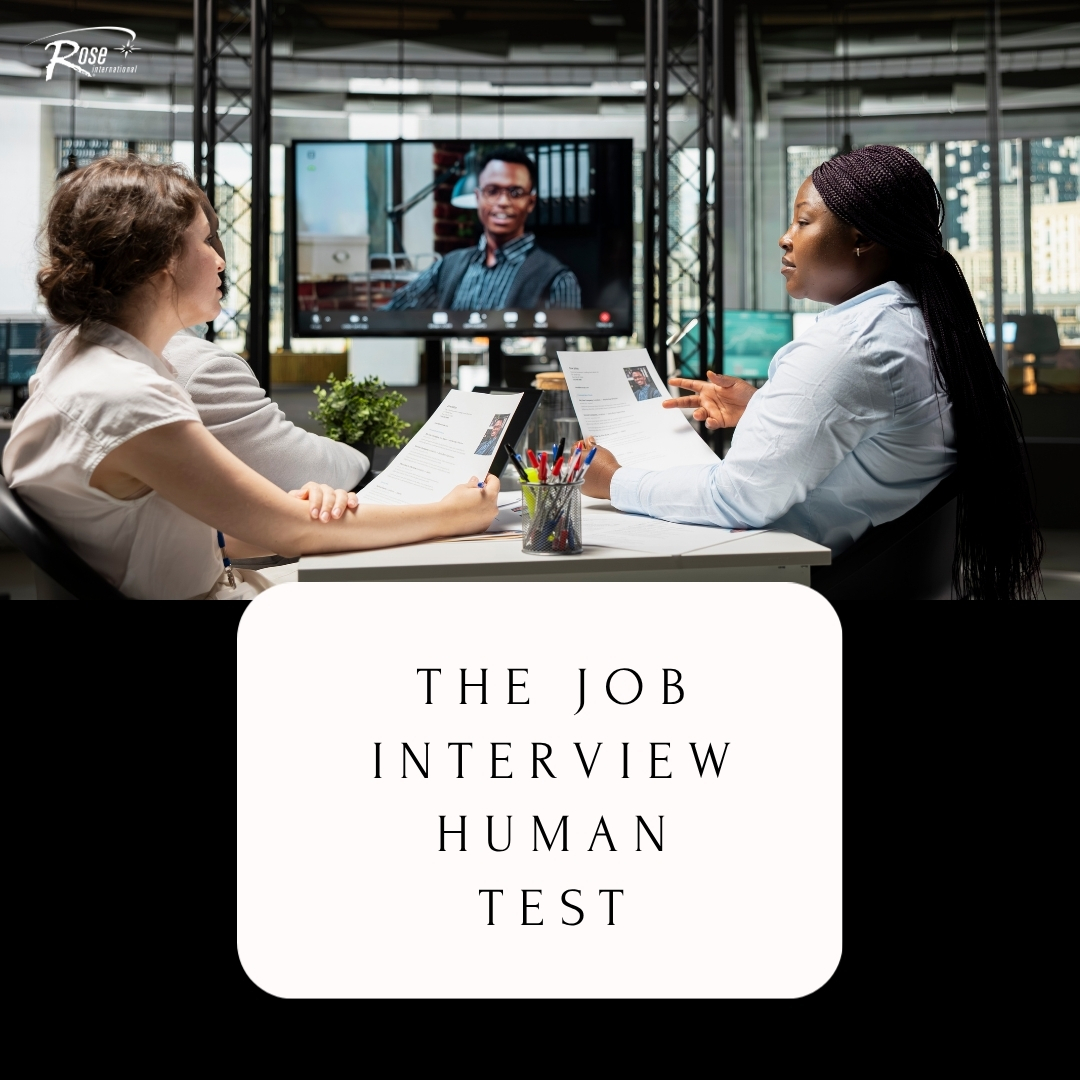
Hiring efforts include finding the right balance between efficiency and human judgement. AI adds to that conversation. Technology improves processes and is a helpful tool for job seekers, but confirming authenticity remains essential.
AI prompted employers to rethink how they verify job candidates, and 59% suspected AI was used for misrepresentation. Check surveyed 3,000 hiring managers and found many organizations used verification methods during virtual interviews such as eye-movement tracking and physical gestures, like waving a hand in front of their face, to assess whether applicants relied on AI. The changes reflect increasing efforts to see genuine job candidate responses throughout hiring processes.
#RoseInt #PeopleMakingItHappen #AI #JobInterviews
📷: Canva Pro, Shutterstock
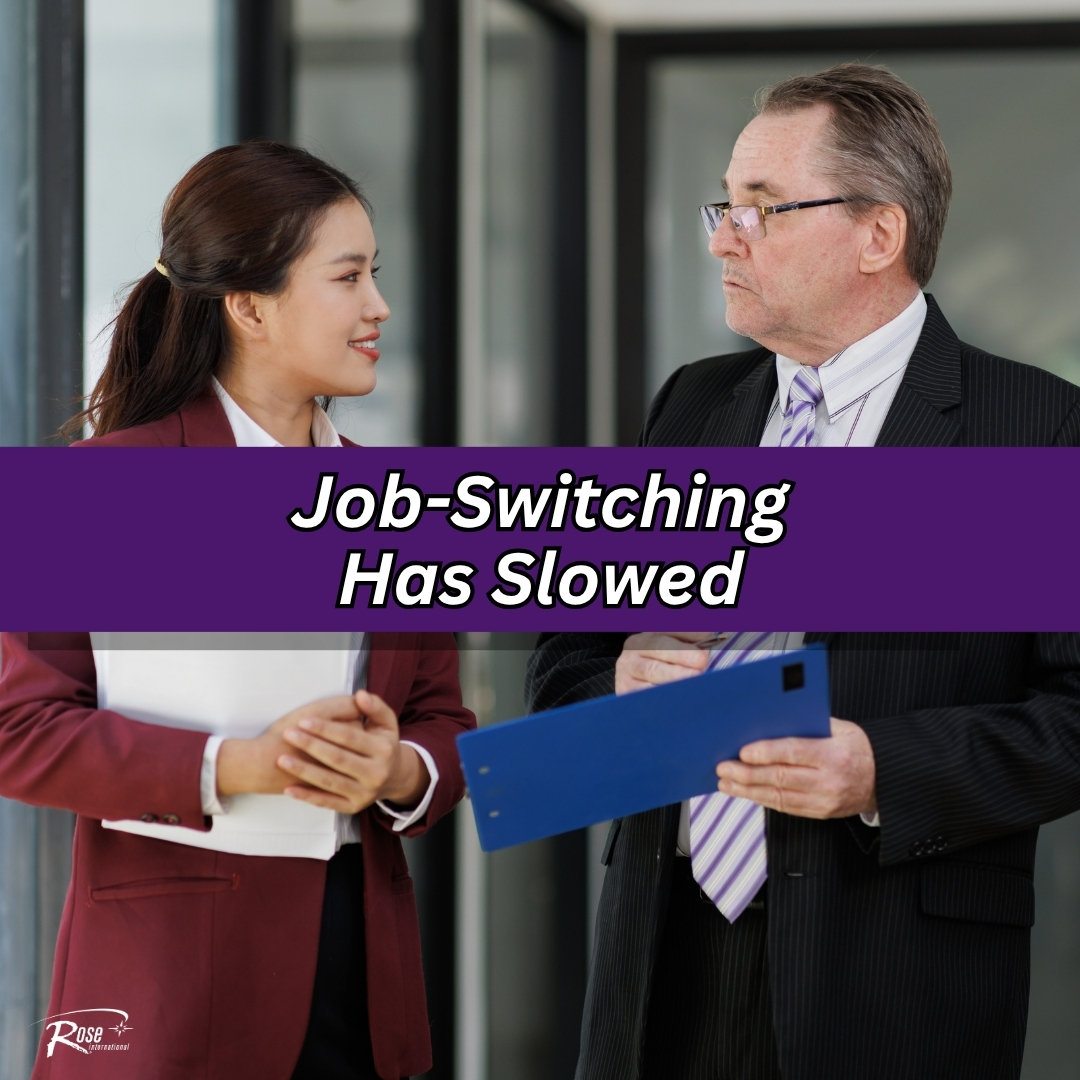
A quieter job market doesn’t mean employees focus less on their careers. In many instances, professionals are being more deliberate about their growth to better position themselves for internal advancement opportunities.
According to The Wall Street Journal, American workers are switching jobs at some of the lowest rates seen since the period following the Great Recession. The labor market settled into a lower-hiring, lower-separation environment, with many workers showing greater caution about leaving their existing positions. The shift is particularly noticeable among white-collar workers, where fewer employees move between employers. For organizations, lower worker mobility puts greater attention on retention, employee experience and opportunities for growth within the workforce.
#RoseInt #PeopleMakingItHappen #Workforce #JobShifts
📷: Canva Pro, Shutterstock
AI influences not just what cybersecurity professionals do, but the skills organizations prioritize when hiring. The rise in senior-level opportunities illustrates what leaders seek when growing teams.
The AI Workforce Consortium found AI job skills reshaped cybersecurity hiring. Data showed 28.5% of job postings across G7 economies required AI skills, an increase from 14.2% the previous year. At the same time, there was a 65% increase in senior level cybersecurity roles compared to 5.9% of junior level positions.
#RoseInt #PeopleMakingItHappen #CyberJobs #Cybersecurity
📷: Canva Pro, Shutterstock
A great candidate experience begins with frequent communication, transparency and care. I’m proud to see those values reflected in how the @RoseInt Team interacts with each job seeker.
#ThankfulThursday
Moving from AI concepts to actionable strategy is one of the biggest tests facing leaders. If you’ll be at the CWS Summit, join me alongside Cory and Amar for an open discussion about emerging technology and workforce transformation.
Mark your calendars! Our CEO, Sabina Bhatia, will moderate “Beyond the Buzzwords: An Unfiltered Conversation on AI, Leadership, and Workforce Transformation” at the Staffing Industry Analysts CWS Summit North America in Dallas.
Joining Sabina on the panel are Cory Hansen of Allegis Global Solutions and Amar Sanghera of Amazon Web Services. Together, they’ll discuss how today’s leaders can move beyond the AI hype and translate emerging technology into practical workforce strategies.
#RoseInt #PeopleMakingItHappen #CWSSummit #ContingentWorkforce
📷: Canva Pro, Shutterstock
The recent gains in manufacturing employment highlight an intersection of industrial growth and technological demand. As demand for digital infrastructure increases, the need for specialized talent also rises as organizations work to scale skilled workforces.
As U.S. manufacturing gained momentum, employment in that sector also grew, according to recent findings. S&P Global reported the manufacturing workforce expanded for the first time in nearly three years. Demand tied to AI infrastructure, data center construction and defense contributed to the strong performance.
#RoseInt #PeopleMakingItHappen #Manufacturing #Hiring
📷: Canva Pro, Shutterstock
As AI reshapes how work is done, it also changes the ways organizations approach talent development. With jobs evolving, having a balance between bringing in new capabilities and building them internally is an important aspect for future strategies.
Artificial intelligence changes the skills organizations need, and the roles employees perform. Companies responding to AI-driven workforce changes face higher costs when relying primarily on external hiring to fill emerging positions. Internal mobility and skills development provide other ways to prepare existing employees for changing responsibilities. As AI continues reshaping jobs, organizations increasingly consider how existing talent transition into new roles and opportunities.
#RoseInt #PeopleMakingItHappen #Workforce #Hiring
📷: Canva Pro, Shutterstock
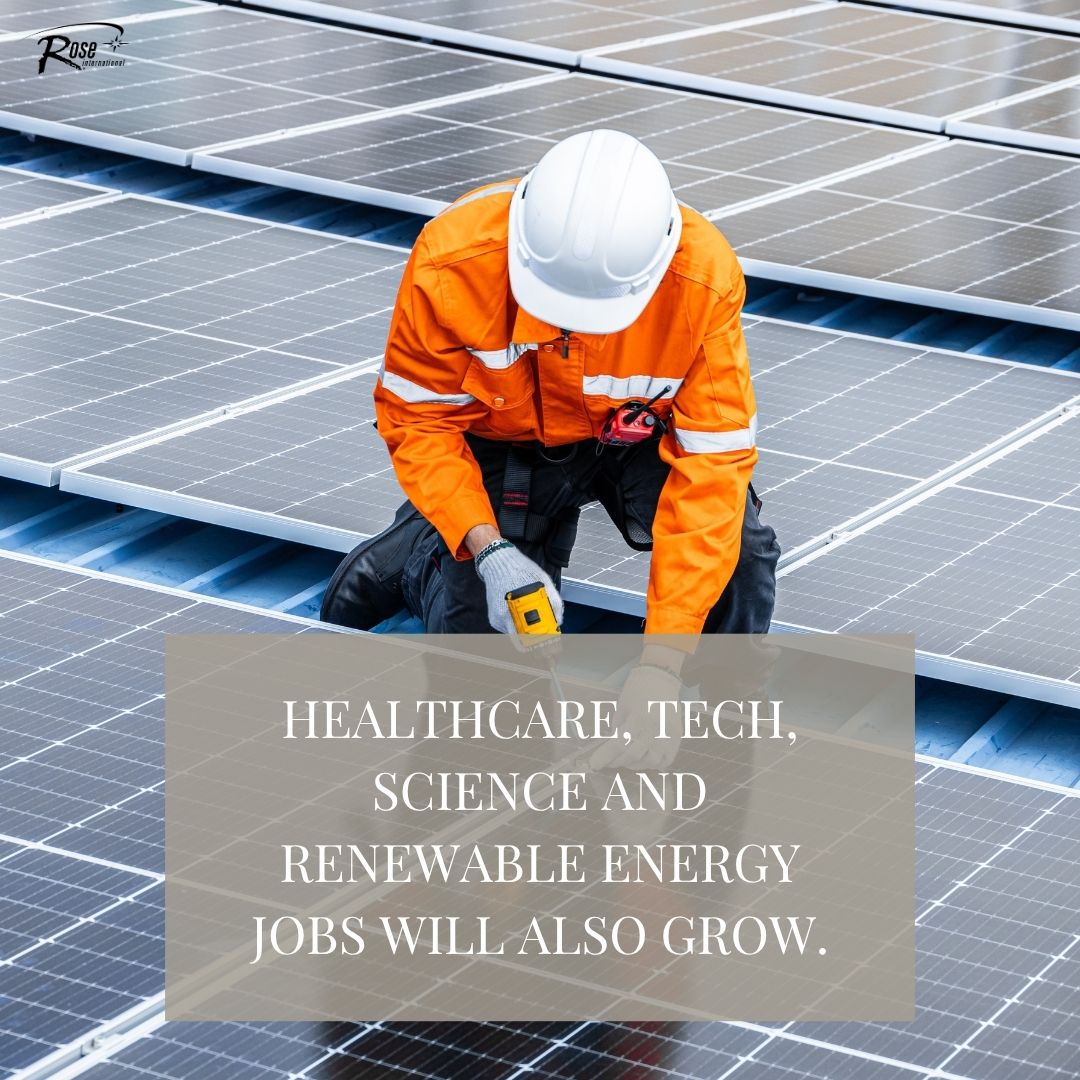
The next decade is set to bring positive shifts to the job market. These projections offer an interesting look at job roles and sectors expected to see the most movement, leading to new opportunities for professionals and employers.
The job market will look different by 2035, as a new wave of specific and overall growth expected over the next decade. The Bureau of Labor Statistics (BLS) reported U.S. employment would gain 5.9 million jobs between 2025 and 2035, a 3.5% increase with healthcare, technology, science and renewable energy among the areas accounting for a majority this positive change. With 41% growth, nurse practitioners are expected to see the fastest growth, followed by solar photovoltaic installers at 36.5% and data scientists at 34.6%. These projections reflect broader shifts driven by an aging population, AI and rising electricity demand.
#RoseInt #PeopleMakingItHappen #JobsOutlook #FutureofWork
📷: Canva Pro, Shutterstock
There’s greater impact from global events than what happens inside stadiums and arenas. The generated workforce and economic activity highlights how happenings like these have positive ripple effects.
The 2026 FIFA World Cup gave New York and New Jersey economic and workforce boosts, according to new data. A Tourism Economics study commissioned by the New Yok New Jersey Host Committee found the tournament supported 27,424 jobs and generated an estimated $3.5 billion in regional economic impact. The findings reported $1.4 billion in labor income and $414.2 million in state and local tax revenue.
#RoseInt #PeopleMakingItHappen #WorldCup #JobGains
📷: Canva Pro, Shutterstock
Strong leadership is more than setting priorities and goals; it also includes understanding what teams need to do their best work. Creating room for clarity, open dialogue and professional development has meaningful impact on employees’ performance and experience.
Bad management quietly undermines productivity, according to new findings. Findings by Shawn Vanderhoven, a partner at The Wiseman Group, pointed to four practices that helped leaders protect focus and performance: slowing down before assigning work, making workloads visible, creating space for difficult conversations and discussing employees’ futures. The research showed that effective leadership involved more than driving output; it also required creating the conditions for focused work, honest communication and growth.
#RoseInt #PeopleMakingItHappen #Leadership #Productivity
📷: Canva Pro, Shutterstock